
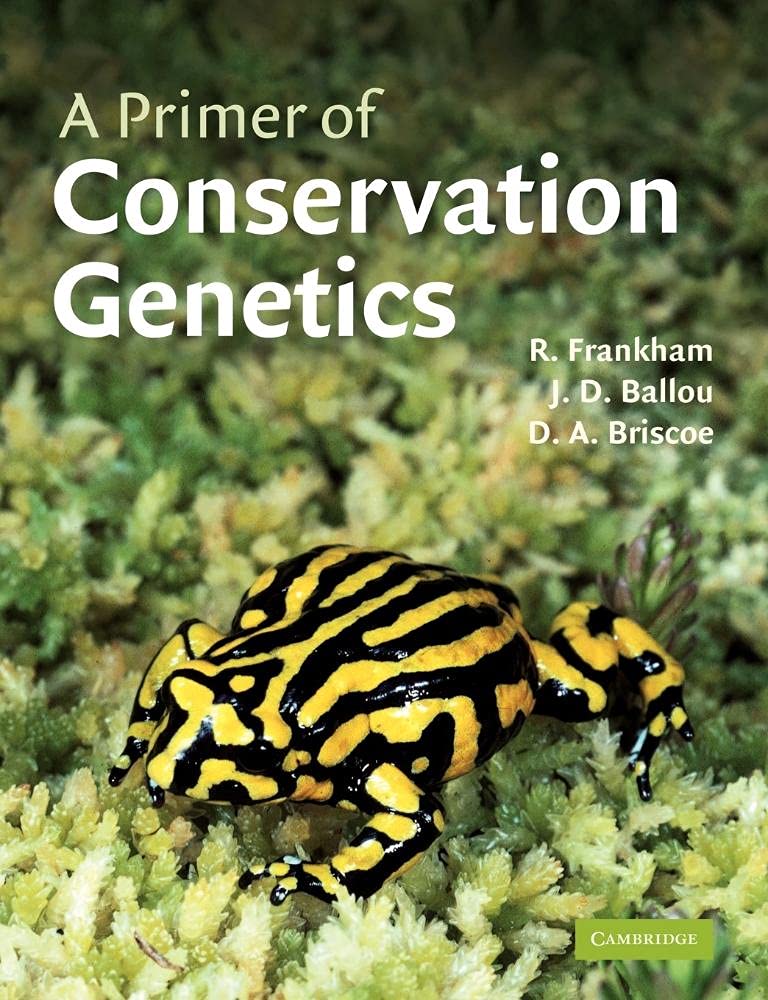
A Primer of Conservation Genetics: A Foundational Textbook on Genetic Principles in Wildlife Conservation by Jonathan D.
Inclusive of all applicable taxes. FREE shipping on all orders.
Available Offers
- 🚚Free Delivery — Free shipping on all orders
- 💵Cash on Delivery — Pay when your order arrives
- ↩️15-Day Easy Returns — Hassle-free return policy
- 🔒Cash on Delivery — Pay safely when your order arrives
Check Delivery
Product Description
Introduction
In an era where biodiversity faces unprecedented threats, the role of genetics in conservation has never been more critical. A Primer of Conservation Genetics by Jonathan D. Ballou offers a clear and accessible gateway into this vital field. Published by Cambridge University Press, this hardcover volume is designed for Indian students, researchers, and wildlife professionals who seek to understand how genetic principles can safeguard endangered species. Whether you are a beginner with only basic knowledge of Mendelian genetics or a seasoned biologist looking to refresh your understanding, this book provides a solid foundation without overwhelming technical jargon.
Book Overview
This concise textbook bridges the gap between theoretical genetics and practical conservation. It presents essential concepts in an easy-to-follow format, with key terms and main points highlighted throughout. The authors assume only a rudimentary grasp of simple statistics and basic genetics, making it ideal for undergraduate and postgraduate courses in India. The book weaves connections between conservation genetics and broader conservation biology, ensuring readers see the bigger picture. Beautiful pen-and-ink portraits of endangered species accompany the text, adding a visual element that inspires and informs.
Key Highlights
- Entry-level focus: Requires only a basic understanding of Mendelian genetics and simple statistics, perfect for Indian science students.
- Worked examples: Step-by-step illustrations of key equations help demystify complex calculations.
- Glossary and further reading: Supports self-study and deeper exploration of topics.
- Endangered species artwork: Stunning pen-and-ink illustrations bring the subject to life.
- Interdisciplinary approach: Links genetics with conservation biology, ecology, and wildlife management.
Inside the Book
Each chapter builds logically, starting with the fundamentals of genetic diversity and moving through population genetics, inbreeding, and gene flow. Real-world case studies demonstrate how genetic data informs decisions about captive breeding, habitat connectivity, and species recovery. The book also covers molecular tools used in modern conservation, such as DNA markers and pedigree analysis, without assuming prior laboratory experience. Appendices provide quick references for statistical formulas and genetic terminology.
Key Topics
- Genetic diversity and its measurement
- Inbreeding depression and its management
- Population bottlenecks and effective population size
- Gene flow and fragmentation
- Molecular genetics in conservation
- Captive breeding and reintroduction genetics
- Conservation of rare and endemic species
Reader Benefits
Indian students will find the book particularly useful for semester-long courses in conservation genetics or wildlife biology. The clear structure and worked examples reduce the fear of mathematics, while the glossary helps with exam preparation. Practitioners—such as zoo biologists, forest officers, and wildlife managers—can apply the principles directly to their work with Indian species like the Bengal tiger, Indian rhinoceros, and Asiatic lion. The book also serves as a handy reference for researchers transitioning into conservation genetics from other fields.
Learning Outcomes
By the end of this book, readers will be able to: explain the role of genetic variation in population viability; calculate basic population genetic parameters; interpret genetic data for conservation planning; identify threats like inbreeding and loss of diversity; and contribute to informed management of endangered species in Indian contexts. The knowledge gained is immediately applicable to real-world scenarios, from designing wildlife corridors to managing zoo breeding programs.
Who Should Read
- Undergraduate and postgraduate students in life sciences, zoology, and environmental science
- Conservation biologists and ecologists working in India
- Zoo and wildlife sanctuary staff involved in captive breeding
- Wildlife managers and forest department personnel
- Anyone passionate about saving India's rich biodiversity
About the Author
Jonathan D. Ballou is a renowned conservation geneticist with decades of experience at the Smithsonian Conservation Biology Institute. His work has shaped global standards for managing small populations of endangered species. Along with co-authors Richard Frankham and David A. Briscoe, Ballou has contributed significantly to making genetics accessible to conservation practitioners worldwide. This primer reflects his commitment to education and practical application.
About the Publisher
Cambridge University Press is a world-leading academic publisher with a strong presence in India. Known for rigorous peer review and high-quality educational materials, CUP has a long tradition of supporting science education. This edition is printed in durable hardcover, ideal for library and field use. The publisher's commitment to conservation science is evident in this carefully crafted textbook.
Conclusion
A Primer of Conservation Genetics is an indispensable resource for anyone serious about protecting India's natural heritage. Its accessible style, practical examples, and beautiful illustrations make learning engaging and effective. Whether you are a student preparing for exams or a professional managing wildlife, this book equips you with the genetic tools needed for conservation success. Add it to your collection today and take a meaningful step toward safeguarding our planet's precious species.
Quick Summary
A Primer of Conservation Genetics by Jonathan D. Ballou is a concise, entry-level textbook that introduces the critical role of genetics in conservation biology. Written for readers with only basic knowledge of Mendelian genetics and simple statistics, it makes complex topics like genetic diversity, inbreeding, population genetics, and genetic drift accessible through clear explanations and worked examples. The book is richly illustrated with pen and ink portraits of endangered species, enhancing the learning experience. It connects genetic principles to real-world conservation challenges, making it an essential resource for students, wildlife managers, and researchers. Published by Cambridge University Press, this hardcover edition is durable for frequent reference. Indian students in ecology, wildlife science, and environmental studies will find it particularly valuable for building a solid foundation. By purchasing from Bookshops.in, you support a local bookstore and receive genuine, high-quality copies delivered across India.
Book Highlights
Book Specifications
| ISBN-13 | 9780521538275 |
| ISBN-10 | 0521538270 |
| Publisher | Cambridge University Press |
| Language | English |
| Dimensions | 18.9 x 1.37 x 24.59 cm |
| Weight | 600 g |
| Category | Civil Engineering › Ecology & Environment |
| Genre | Non-fiction |
| Original Language | English |
Frequently Asked Questions
What is A Primer of Conservation Genetics about?
Who is the author of this book?
What prior knowledge is needed to read this book?
Is this book suitable for Indian students?
Does the book include illustrations?
Which publisher released this book?
Is this a hardcover or paperback edition?
Can I use this book for self-study?
Does the book cover genetic drift?
Are there worked examples in the book?
What is the ISBN-13 of this book?
Is this book related to conservation biology?
Where can I buy this book in India?
Readers Also Search For
Related Products
View All
Science & Mathematics
Stereotype Spaces and Algebras: 73 (De Gruyter Expositions in Mathematics, 73)
Science & Mathematics
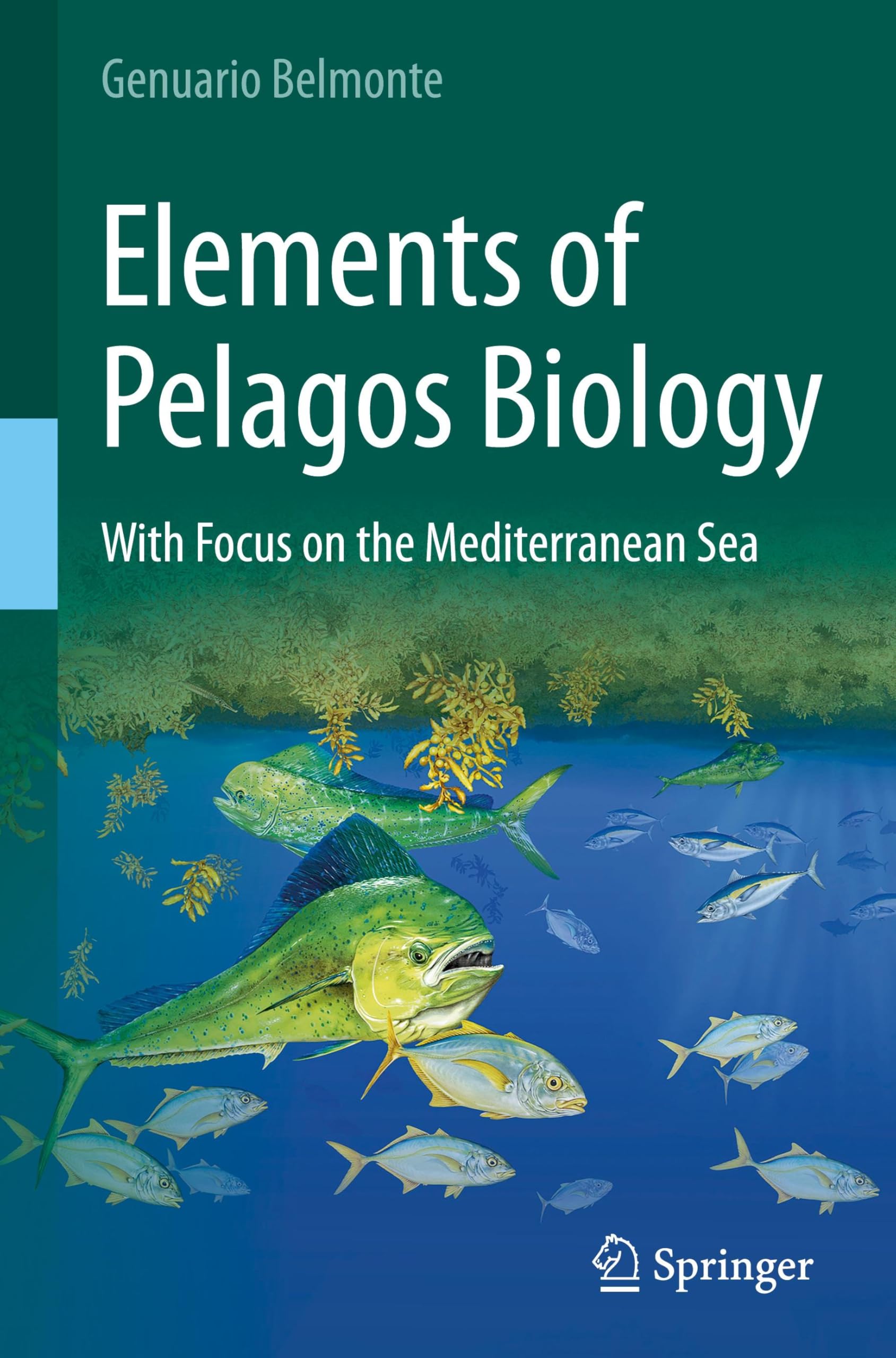
Elements of Pelagos Biology: With Focus on the Mediterranean Sea

Science & Mathematics
Mathematical Theory of Optimal Processes (Classics of Soviet Mathematics)
Science & Mathematics
Cambridge IGCSE and O Level Additional Mathematics by Val Hanrahan – Textbook for 0606/4037

Science & Mathematics
Squid - Superconducting Quantum Interference Devices and Their Applications: Proceedings of the International Conference on Superconducting Quantum Devices, Berlin-west, October 4-8, 1976

Science & Mathematics