

A Primer of Population Genetics and Genomics: A Comprehensive Guide for Indian Students and Researchers by Daniel L. Har
Inclusive of all applicable taxes. FREE shipping on all orders.
Available Offers
- 🚚Free Delivery — Free shipping on all orders
- 💵Cash on Delivery — Pay when your order arrives
- ↩️15-Day Easy Returns — Hassle-free return policy
- 🔒Cash on Delivery — Pay safely when your order arrives
Check Delivery
Product Description
Introduction
Population genetics and genomics form the bedrock of modern evolutionary biology, yet many students find the subject daunting due to its mathematical foundations and rapidly expanding data sets. A Primer of Population Genetics and Genomics by Daniel L. Hartl offers a refreshingly concise and accessible gateway into this fascinating field. Published by Oxford University Press, this hardcover edition is designed to bridge the gap between classical population genetics and the latest genomic discoveries, making it an indispensable resource for Indian students and researchers alike. Whether you are preparing for competitive exams, pursuing a degree in life sciences, or simply curious about how genetic variation shapes life on Earth, this primer provides a solid foundation without overwhelming the reader.
Book Overview
This completely revised and updated edition presents a unified view of population genetics and genomics, moving away from overly specialized treatments of individual topics. Instead, it offers a holistic understanding of how genes behave in populations, how evolutionary forces act on them, and how modern genomic tools are revolutionising our knowledge. The book ranges from classic concepts like Hardy-Weinberg equilibrium and genetic drift to cutting-edge subjects such as ancient DNA analysis, gene drive technology, landscape genetics, and the genomics of complex traits. With numerous real-world examples drawn from animals, plants, microbes, and human populations, the text encourages active learning through problem-solving and critical thinking. It is written in a clear, engaging style that demystifies complex ideas without sacrificing scientific rigour.
Key Highlights
- Comprehensive yet concise: Covers the entire breadth of population genetics and genomics in a single, manageable volume.
- Updated with latest research: Includes discussions of ancient DNA, gene drives, landscape genetics, and risk factors for complex diseases.
- Learning by doing: Emphasises problem-solving and quantitative reasoning through numerous examples and exercises.
- Broad taxonomic scope: Features examples from animals, plants, microbes, and human populations, making it relevant for diverse biological disciplines.
- Authored by a renowned expert: Daniel L. Hartl is a leading figure in population genetics, known for his clear pedagogical style.
Inside the Book
Readers will find a logically structured journey that begins with the fundamental principles of genetic variation in populations. The opening chapters cover mating systems, allele frequencies, and the forces that cause evolutionary change: mutation, migration, natural selection, and genetic drift. As the book progresses, it delves into molecular population genetics, including the coalescent theory and its applications. The latter half of the book is devoted to genomics, exploring how whole-genome data are used to study adaptation, speciation, and the genetic basis of complex traits. Each chapter is enriched with worked examples, figures, and end-of-chapter problems that reinforce understanding. The text also highlights active areas of current research, such as using population genomics to identify disease risk factors or to track the spread of invasive species.
Key Topics
- Genetic variation and polymorphism in natural populations
- Hardy-Weinberg equilibrium and its applications
- Natural selection, genetic drift, mutation, and gene flow
- Molecular population genetics and the coalescent
- Genomics of adaptation and speciation
- Ancient DNA and its insights into evolutionary history
- Gene drive technology and its ecological implications
- Landscape genetics and spatial population structure
- Identifying risk factors for complex human diseases
- Quantitative genetics and heritability of complex traits
Reader Benefits
By reading this primer, you will gain a deep appreciation of how evolutionary forces shape genetic diversity. You will learn to interpret population genetic data using both classical and modern approaches, equipping you with skills that are highly valued in academic and industrial research. The emphasis on problem-solving helps build analytical confidence, while the real-world examples make abstract concepts tangible. Indian students will particularly benefit from the book's balanced treatment of theory and application, which aligns well with university curricula and competitive exam syllabi. Additionally, the hardcover binding ensures durability for frequent reference, making it a long-term asset for any biology enthusiast.
Learning Outcomes
- Understand the fundamental principles of population genetics and how they extend to genomics.
- Analyse allele frequency changes under different evolutionary scenarios.
- Apply coalescent theory to infer demographic history from genetic data.
- Interpret genome-wide association studies and understand their limitations.
- Evaluate the role of natural selection and genetic drift in adaptation and speciation.
- Critically assess contemporary topics like gene drives and ancient DNA research.
Who Should Read
This book is ideal for undergraduate and postgraduate students in genetics, evolutionary biology, ecology, biotechnology, and related fields. It is also a valuable refresher for researchers and professionals who wish to update their knowledge of genomic approaches. Teachers and lecturers will find it an excellent resource for designing courses that integrate classical and modern perspectives. Anyone with a basic background in biology and a curiosity about how genetic variation drives evolution will find this primer accessible and rewarding. Indian readers preparing for CSIR-NET, GATE, ICAR, or other entrance exams will appreciate the clear explanations and practice problems.
About the Author
Daniel L. Hartl is Higgins Professor of Biology in the Department of Organismic and Evolutionary Biology at Harvard University. He is a highly respected researcher and educator, having authored several widely used textbooks in genetics and evolutionary biology. His work spans population genetics, molecular evolution, and genomics, and he has received numerous awards for his contributions to science. Professor Hartl's ability to distil complex ideas into clear, engaging prose makes him an ideal guide for students entering this dynamic field.
About the Publisher
Oxford University Press (OUP) is one of the oldest and most prestigious academic publishing houses in the world. With a strong commitment to excellence, OUP publishes authoritative textbooks and reference works across all disciplines. This primer reflects OUP's dedication to providing high-quality educational resources that support learning and research globally. Indian readers can trust the accuracy, clarity, and relevance of OUP publications.
Conclusion
A Primer of Population Genetics and Genomics is more than just a textbook; it is a thoughtfully crafted learning companion that empowers readers to understand the genetic fabric of life. By blending timeless principles with the latest genomic insights, Daniel L. Hartl has created a work that will serve students and researchers for years to come. Whether you are just beginning your journey in evolutionary genetics or seeking to deepen your expertise, this primer is an essential addition to your library. Order your hardcover copy from Bookshops.in today and take the first step towards mastering population genetics and genomics.
Quick Summary
A Primer of Population Genetics and Genomics by Daniel L. Hartl is an essential, updated guide that bridges classical population genetics with modern genomic science. Designed for students and researchers, the book covers mating systems, evolutionary forces, molecular population genetics, and the genomics of complex traits. It also explores cutting-edge topics like ancient DNA, gene drive, landscape genetics, and the genomics of adaptation and speciation. Hartl’s clear, concise writing makes complex concepts accessible, making it ideal for Indian undergraduate and postgraduate courses, as well as for self-study and competitive exam preparation. Readers will gain a holistic understanding of how genetic variation arises, persists, and shapes populations. By purchasing from Bookshops.in, you get a high-quality hardcover edition delivered across India, ensuring a reliable resource for your academic or research journey.
Book Highlights
Book Specifications
| ISBN-13 | 9780198862307 |
| ISBN-10 | 019886230X |
| Publisher | OUP Oxford |
| Language | English |
| Dimensions | 24.38 x 1.78 x 18.8 cm |
| Weight | 430 g |
| Country | United Kingdom |
| Category | Biology & Life Sciences › Biology |
| Genre | Science |
| Reading Age | 18+ |
| Original Language | English |
Frequently Asked Questions
What is the main focus of A Primer of Population Genetics and Genomics?
Who is the author of this book?
Is this book suitable for Indian students?
Does the book cover genomics of complex traits?
Are there discussions on ancient DNA?
What is gene drive and is it covered?
How is this book different from other population genetics textbooks?
Can I use this book for self-study?
What binding is the book?
Does the book include mathematical equations?
Is the book useful for medical genetics?
Where can I buy this book in India?
Readers Also Search For
Customers Also Bought
Mathematics
Stereotype Spaces and Algebras: 73 (De Gruyter Expositions in Mathematics, 73)
Mathematics
Semigroups in Algebra, Geometry and Analysis: 20 (De Gruyter Expositions in Mathematics, 20)
Mathematics
Geometry from the Pacific Rim: Proceedings of the Pacific Rim Geometry Conference held at National University of Singapore, Republic of Singapore, ... 1994 (De Gruyter Proceedings in Mathematics)
Mathematics
First International Tainan-Moscow Algebra Workshop: Proceedings of the International Conference held at National Cheng Kung University Tainan, Taiwan, ... 1994 (De Gruyter Proceedings in Mathematics)
Mathematics
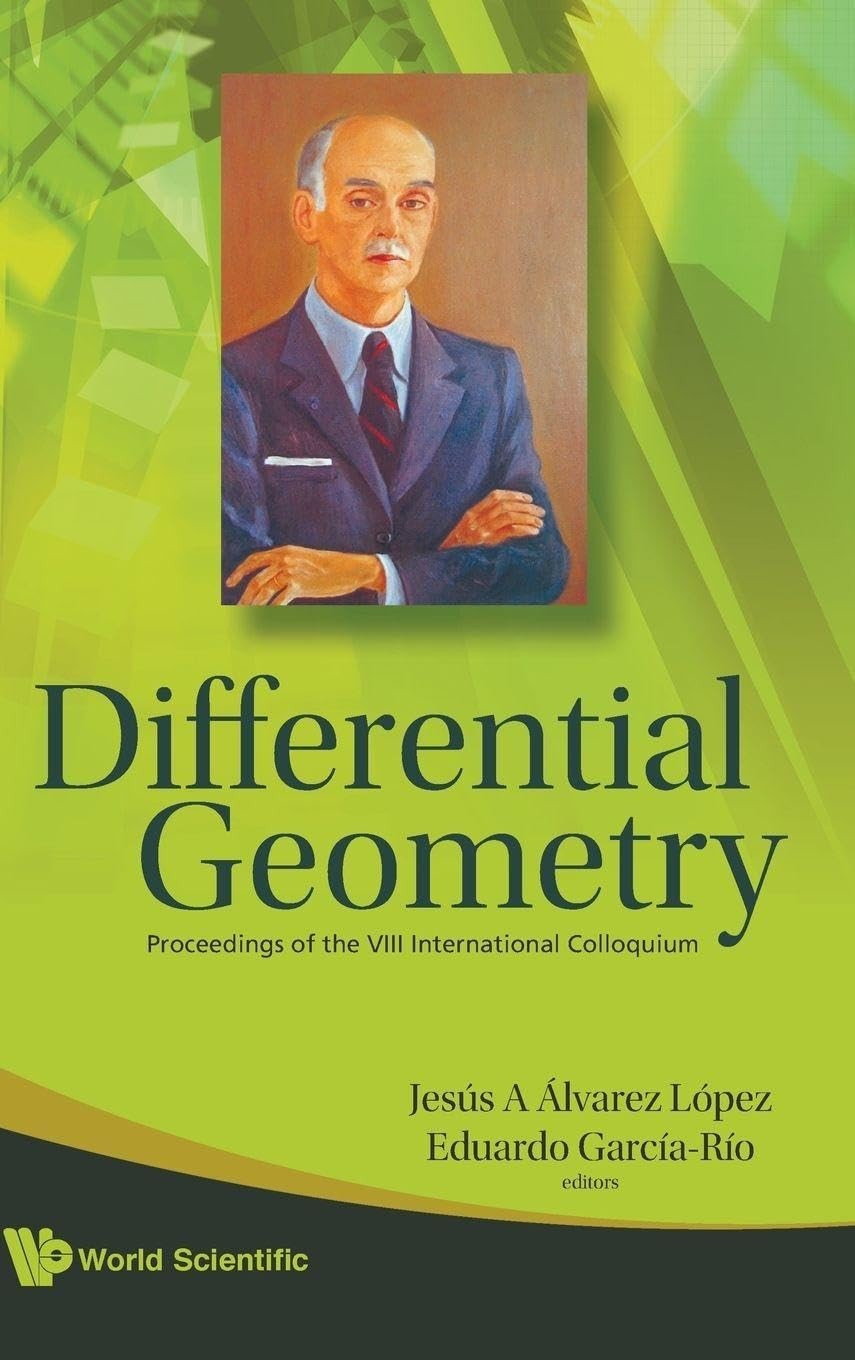
Differential Geometry - Proceedings of the VIII International Colloquium (English, Jesus A. Alvarez Lopez | Eduardo Garcia-Rio)
Mathematics
Mathematical Theory of Optimal Processes (Classics of Soviet Mathematics)
Related Products
View All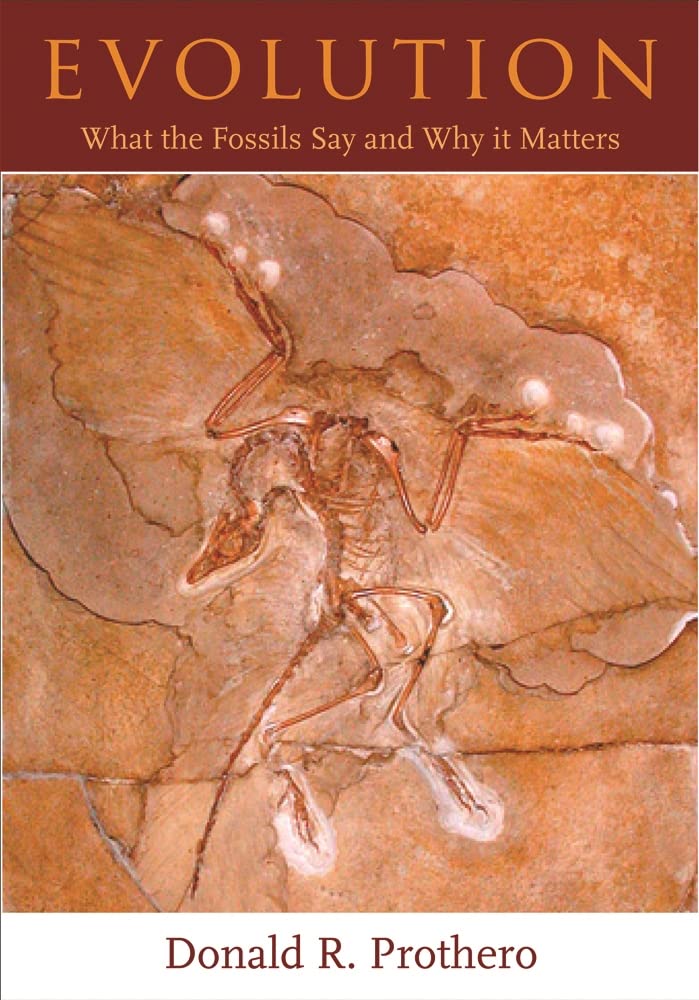
Biology
Evolution: What the Fossils Say and Why It Matters by Donald R. Prothero
Biology
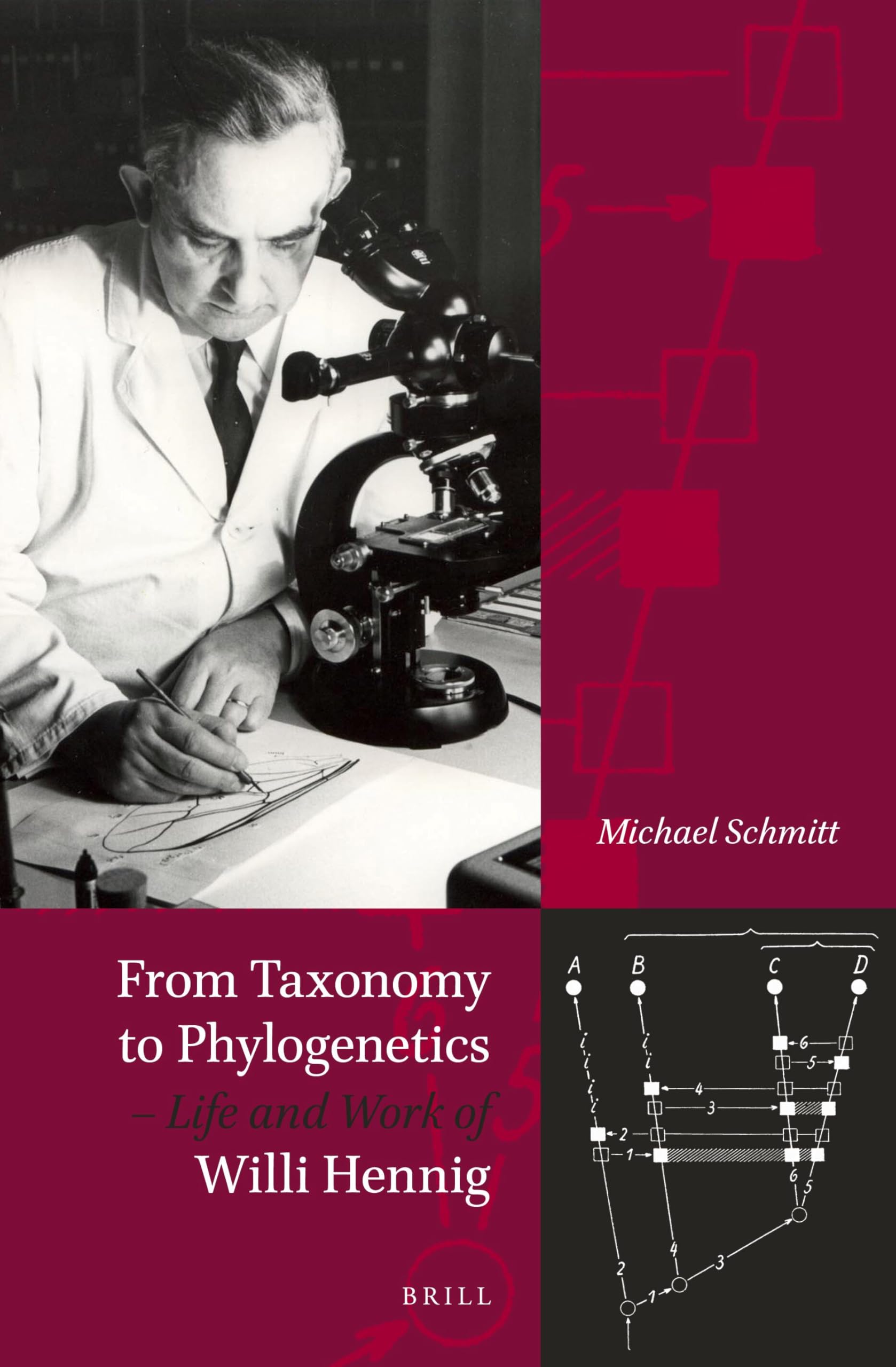
From Taxonomy to Phylogenetics – Life and Work of Willi Hennig

Biology
The Marine Biology of the South China Sea
Biology
Genetics Meets Metabolomics: from Experiment to Systems Biology
Biology
The Elements of Natural or Experimental Philosophy: 2
Biology