
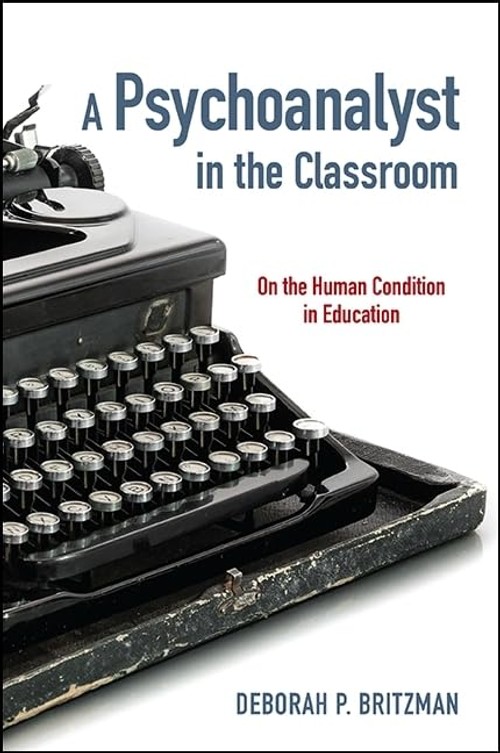
A Psychoanalyst in the Classroom: On the Human Condition in Education by Deborah P. Britzman – A Deep Dive into Teaching
Inclusive of all applicable taxes. FREE shipping on all orders.
Available Offers
- 🚚Free Delivery — Free shipping on all orders
- 💵Cash on Delivery — Pay when your order arrives
- ↩️15-Day Easy Returns — Hassle-free return policy
- 🔒Cash on Delivery — Pay safely when your order arrives
Check Delivery
Product Description
Introduction
In the ever-evolving landscape of Indian education, where the pressures of academic performance often overshadow the emotional lives of students and teachers alike, Deborah P. Britzman’s A Psychoanalyst in the Classroom: On the Human Condition in Education arrives as a rare and necessary companion. This hardcover volume, published by the esteemed State University of New York Press, invites readers to step beyond the surface of teaching and learning into the deep, often unspoken currents of love, hate, vulnerability, and creativity that shape every classroom encounter. For educators, students, and anyone curious about the inner workings of the human mind in educational settings, this book offers a transformative perspective that is both intellectually rigorous and deeply humane.
Book Overview
A Psychoanalyst in the Classroom is not a traditional manual on pedagogy or a dry academic treatise. Instead, it is a rich, reflective exploration of how psychoanalytic insights can illuminate the everyday dramas of reading, writing, and relating in the classroom. Britzman, a leading scholar in the field, draws on decades of clinical and educational experience to examine the surprising ways individuals handle matters of love and hate when engaged with learning. With wit, sharp observation, and a generous spirit, she advocates for a recognition of the vulnerabilities, creativity, and responsibilities that underpin university education. The book is a journey into the emotional undercurrents that influence everything from a student’s writing block to a teacher’s moment of doubt, making it an essential read for those who wish to understand the human condition in all its complexity within the academic world.
Key Highlights
- Psychoanalytic Lens on Education: Offers a unique perspective that bridges the gap between clinical psychoanalysis and everyday classroom practice.
- Rich, Real-Life Descriptions: Provides vivid accounts of how love and hate manifest in reading, writing, and teacher-student relationships.
- Focus on Vulnerability and Creativity: Emphasizes the importance of acknowledging emotional fragility as a source of deep learning and innovation.
- Practical Wisdom for Educators: Not a how-to guide, but a thought-provoking companion that helps educators reflect on their own experiences and challenges.
- Witty and Accessible Prose: Written with a lightness of touch that makes complex psychoanalytic ideas feel immediate and relevant.
Inside the Book
Britzman develops several compelling themes throughout the book, each chapter peeling back a layer of the educational experience. She explores the handling of technique in both psychoanalysis and pedagogy, showing how rigid methods can sometimes block genuine connection. There is a fascinating discussion on regression to adolescence, where she examines why students and teachers alike can find themselves revisiting old emotional patterns in the classroom. The inner life of gender is another key theme, as she unpacks how unconscious assumptions about masculinity and femininity shape learning interactions. Perhaps most striking is her treatment of the writing block—the untold story of why even the most capable students can freeze at the page. She also delves into everyday mistakes in teaching and learning, arguing that errors are not failures but opportunities for insight. Throughout, she examines the relationship between mental health and the experiences of teaching and learning, offering a compassionate view of the psychological struggles that accompany academic life.
Key Topics
- The Unconscious in the Classroom: How hidden emotions and desires influence teaching and learning.
- Love and Hate in Educational Relationships: The powerful, often contradictory feelings that arise between students and teachers.
- Technique and Spontaneity: The balance between method and genuine human response in pedagogy.
- Adolescent Regression: Why the classroom can trigger a return to earlier emotional states.
- Gender and Identity: The role of unconscious gender dynamics in academic settings.
- Writing Blocks and Creativity: Understanding the psychological roots of creative paralysis.
- Mistakes and Learning: Embracing error as a pathway to deeper understanding.
- Mental Health in Education: The intersection of psychological well-being and academic success.
Reader Benefits
Readers of A Psychoanalyst in the Classroom will gain a profound new understanding of the emotional dimensions of education. For Indian students and educators, who often navigate a system that prizes rote learning and measurable outcomes, this book offers a refreshing counterpoint—a reminder that learning is fundamentally a human, emotional, and relational process. It helps readers develop a more compassionate view of themselves and their students, reducing the shame often associated with confusion, frustration, or failure. The book also provides a vocabulary for discussing the unspoken tensions in the classroom, making it easier to address conflicts and build more supportive learning environments. By the end, readers will feel equipped to approach their own educational experiences with greater curiosity, resilience, and empathy.
Learning Outcomes
- Deeper Emotional Awareness: Recognize the unconscious dynamics at play in teaching and learning situations.
- Enhanced Reflective Practice: Develop the habit of reflecting on one’s own emotional responses as a teacher or learner.
- Improved Classroom Relationships: Understand how love and hate can be transformed into productive, creative connections.
- Greater Tolerance for Vulnerability: Accept emotional fragility as a natural and valuable part of the learning process.
- Critical Thinking About Gender: Analyze how gender norms unconsciously shape educational experiences.
- Strategies for Writing Blocks: Gain insight into the psychological causes of creative blocks and ways to overcome them.
- Appreciation of Mistakes: Learn to view errors as opportunities for growth rather than signs of inadequacy.
Who Should Read
This book is ideal for a wide range of readers in India and beyond. University and college teachers who want to deepen their understanding of the emotional lives of their students will find it invaluable. Students of education, psychology, and psychoanalysis will discover a rich interdisciplinary resource. School counsellors, curriculum designers, and educational policymakers can benefit from its insights into the human condition in academic settings. Parents who are curious about what really happens in their children’s classrooms will also find it eye-opening. And for anyone who has ever struggled with writing, felt anxious about learning, or wondered why a particular teacher or student triggered strong emotions, this book offers a compassionate and illuminating guide.
About the Author
Deborah P. Britzman is a distinguished professor and a practicing psychoanalyst whose work has profoundly influenced the fields of education, psychoanalysis, and cultural studies. She is known for her pioneering efforts to bring psychoanalytic theory into dialogue with educational practice, challenging conventional notions of teaching and learning. Her writing is characterized by its intellectual depth, its wit, and its unwavering commitment to understanding the complexities of human experience. With A Psychoanalyst in the Classroom, she continues her lifelong exploration of how the unconscious shapes our most intimate encounters with knowledge, making her an essential voice for anyone seeking to understand the heart of education.
About the Publisher
State University of New York Press (SUNY Press) is a leading academic publisher known for its rigorous scholarship and commitment to publishing works that push the boundaries of knowledge. With a strong focus on the humanities, social sciences, and education, SUNY Press has earned a reputation for producing books that are both intellectually significant and accessible to a broad readership. This hardcover edition, with its durable binding and high-quality production, reflects the publisher’s dedication to creating books that will last on the shelves of libraries, universities, and personal collections in India and around the world.
Conclusion
A Psychoanalyst in the Classroom: On the Human Condition in Education is more than a book—it is an invitation to rethink everything we assume about teaching and learning. In a time when education in India is often reduced to grades, rankings, and outcomes, Deborah P. Britzman reminds us that the classroom is a profoundly human space, alive with love, hate, vulnerability, and creativity. Whether you are a seasoned educator, a student navigating the pressures of academic life, or simply someone who loves to explore the depths of the mind, this book will enrich your understanding and touch your heart. Add this essential hardcover to your library today and discover a new way of seeing the world of learning.
Quick Summary
A Psychoanalyst in the Classroom by Deborah P. Britzman is a profound exploration of the emotional and unconscious forces that shape teaching and learning in university settings. Drawing on psychoanalytic theory, Britzman examines how love, hate, vulnerability, creativity, and even everyday mistakes influence the educational experience. The book delves into topics such as the handling of technique in pedagogy and psychoanalysis, regression to adolescence, the inner life of gender, and the untold story of the writing block. It also connects mental health to classroom dynamics, advocating for a generous recognition of the human condition in education. Written with wit and sharp observation, this book is intended for educators, psychologists, students of education, and anyone curious about the hidden currents of learning. Readers will gain a deeper understanding of why students and teachers behave the way they do and how to foster more compassionate and effective learning environments. By purchasing from Bookshops.in, you support a trusted Indian bookstore that delivers high-quality physical books across the country, ensuring you receive an authentic hardcover edition promptly.
Book Highlights
Book Specifications
| ISBN-13 | 9781438457338 |
| ISBN-10 | 1438457332 |
| Publisher | State University of New York Press |
| Language | English |
| Dimensions | 15.88 x 1.91 x 22.86 cm |
| Weight | 408 g |
| Category | Teaching & Education › Educational Philosophy |
| Genre | Education / Psychology |
| Reading Age | Adult |
| Original Language | English |
Frequently Asked Questions
What is A Psychoanalyst in the Classroom about?
Who is Deborah P. Britzman?
Is this book suitable for Indian educators?
What format is this book?
Does the book cover writing blocks?
Can this book help teachers understand student behavior?
Is the book academic or accessible?
What is the price in India?
Does the book discuss gender?
Is this book part of a series?
What is the ISBN?
Can I use this book for a university course?
Does Bookshops.in deliver across India?
Readers Also Search For
Customers Also Bought

McFarland & Company
Playing with the Guys | by Marc A. Ouellette | Matthew Wilhelm Kapell | McFarland & Company | by Marc A. Ouellette | Matthew Wilhelm Kapell | McFarland & Company | by Marc A. Ouellette | Matthew Wilhelm Kapell | McFarland & Company | by Marc A. Ouellette | Matthew Wilhelm Kapell | McFarland & Company | by Marc A. Ouellette | Matthew Wilhelm Kapell | McFarland & Company | by Marc A. Ouellette | Matthew Wilhelm Kapell | McFarland & Company | by Marc A. Ouellette | Matthew W
Rowman & Littlefield Publishers
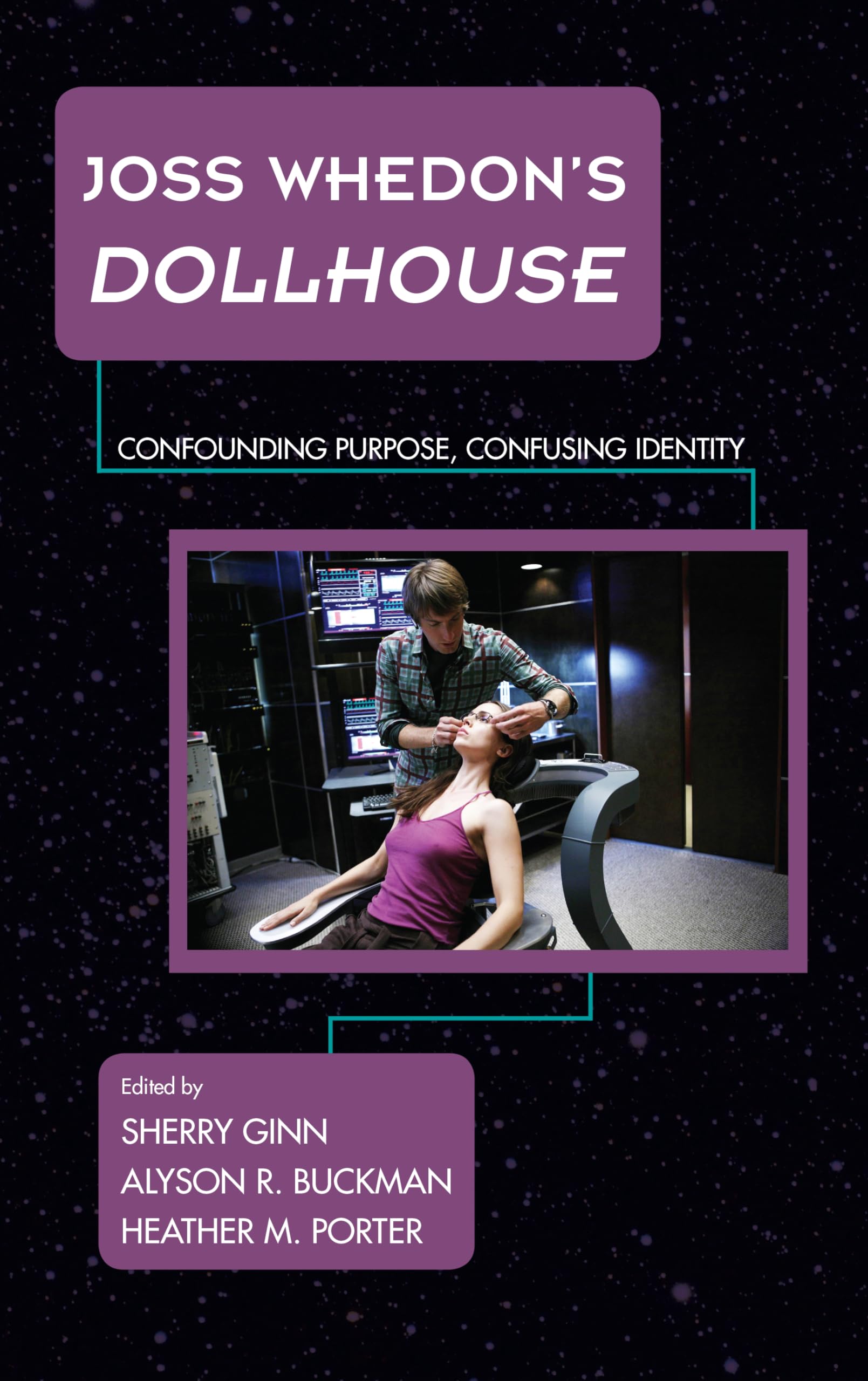
Joss Whedon's Dollhouse: Confounding Purpose, Confusing Identity (Science Fiction Television)

State University of New York Press
Mexico Unmanned: The Cultural Politics of Masculinity in Mexican Cinema (SUNY series in Latin American Cinema)

McFarland & Company
Valley Forge to Monmouth | by Jim Stempel | McFarland & Company | by Jim Stempel | McFarland & Company | by Jim Stempel | McFarland & Company | by Jim Stempel | McFarland & Company | by Jim Stempel | McFarland & Company | by Jim Stempel | McFarland & Company | by Jim Stempel | McFarland & Company | by Jim Stempel | McFarland & Company | by Jim Stempel | McFarland & Company | by Jim Stempel | McFarland & Company | by Jim Stempel | McFarland & Company |

University of Toronto Press
Structures of Feeling in Seventeenth-Century Cultural Expression (UCLA Center Clark Library)

McFarland & Company
Welcome to Arkham Asylum | by Sharon Packer | Daniel R. Fredrick | McFarland & Company | by Sharon Packer | Daniel R. Fredrick | McFarland & Company | by Sharon Packer | Daniel R. Fredrick | McFarland & Company | by Sharon Packer | Daniel R. Fredrick | McFarland & Company | by Sharon Packer | Daniel R. Fredrick | McFarland & Company | by Sharon Packer | Daniel R. Fredrick | McFarland & Company | by Sharon Packer | Daniel R. Fredrick | McFarland & Company | by Sharon P
Related Products
View All
State University of New York Press
The Hard Sell of Paradise: Hawai'i, Hollywood, Tourism (SUNY series, Horizons of Cinema)

State University of New York Press
Work and Lifecourse in Japan | by David W. Plath | State University of New York Press | by David W. Plath | State University of New York Press | by David W. Plath | State University of New York Press | by David W. Plath | State University of New York Press | by David W. Plath | State University of New York Press | by David W. Plath | State University of New York Press | by David W. Plath | State University of New York Press | by David W. Plath | State University of New York Press | by David W. P

State University of New York Press
For We are Sold, I and My People | by María P. Fernández-Kelly | State University of New York Press | by María P. Fernández-Kelly | State University of New York Press | by María P. Fernández-Kelly | State University of New York Press | by María P. Fernández-Kelly | State University of New York Press | by María P. Fernández-Kelly | State University of New York Press | by María P. Fernández-Kelly | State University of New York Press | by María P. Fernández-Kelly | State University of New York Pres

State University of New York Press
Education in the Third Reich | by Gilmer W. Blackburn | State University of New York Press | by Gilmer W. Blackburn | State University of New York Press | by Gilmer W. Blackburn | State University of New York Press | by Gilmer W. Blackburn | State University of New York Press | by Gilmer W. Blackburn | State University of New York Press | by Gilmer W. Blackburn | State University of New York Press | by Gilmer W. Blackburn | State University of New York Press | by Gilmer W. Blackburn | State Univ

State University of New York Press
Mantra | by Harvey P. Alper | State University of New York Press | by Harvey P. Alper | State University of New York Press | by Harvey P. Alper | State University of New York Press | by Harvey P. Alper | State University of New York Press | by Harvey P. Alper | State University of New York Press | by Harvey P. Alper | State University of New York Press | by Harvey P. Alper | State University of New York Press | by Harvey P. Alper | State University of New York Press | by Harvey P. Alper | State
State University of New York Press