
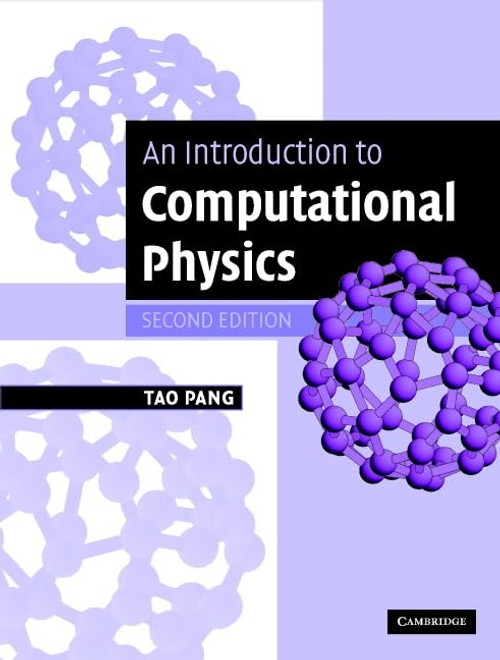
An Introduction to Computational Physics by Tao Pang: A Comprehensive Textbook on Numerical Methods and Scientific Compu
Inclusive of all applicable taxes. FREE shipping on all orders.
Available Offers
- 🚚Free Delivery — Free shipping on all orders
- 💵Cash on Delivery — Pay when your order arrives
- ↩️15-Day Easy Returns — Hassle-free return policy
- 🔒Cash on Delivery — Pay safely when your order arrives
Check Delivery
Product Description
Introduction
Computational physics has become an indispensable pillar of modern scientific discovery, bridging the gap between theoretical models and experimental observations. For students and researchers in India seeking a rigorous yet accessible entry point into this dynamic field, An Introduction to Computational Physics by Tao Pang stands as a definitive resource. Published by Cambridge University Press, this second edition offers a comprehensive journey through the fundamental methods and advanced applications of scientific computing, all while leveraging free, open-source software. Whether you are an undergraduate exploring the frontiers of physics or a graduate student preparing for computational research, this hardcover volume equips you with the practical tools and conceptual clarity needed to excel.
Book Overview
This advanced textbook systematically builds a solid foundation in computational techniques, starting with basic numerical tools and progressing to sophisticated algorithms. Tao Pang’s clear exposition guides readers through approximating functions, solving differential equations, performing spectral analysis, and handling matrix operations. Each concept is reinforced with relevant examples drawn from real physics problems. The second edition has been thoroughly revised to include expanded coverage of Monte Carlo methods, molecular dynamics, genetic algorithms, and numerical renormalization, making it an up-to-date reference for anyone engaged in computational research. The book also emphasizes practical implementation using free software from CERN, ensuring accessibility for students and professionals alike.
Key Highlights
- Comprehensive Coverage: From basic numerical routines to advanced topics like genetic programming and continuous system modeling.
- Hands-On Approach: Numerous exercises and examples encourage active learning and application of concepts.
- Free Software Integration: Relies on open-source tools from CERN, eliminating the need for expensive proprietary software.
- Revised and Expanded: The second edition includes new chapters and updated content reflecting recent advances in the field.
- Suitable for Multiple Levels: Ideal for both undergraduate and first-year graduate courses in computational physics or scientific computation.
Inside the Book
The book is structured to take the reader from foundational concepts to cutting-edge techniques. Early chapters introduce essential computational tools and routines, including error analysis, interpolation, integration, and linear algebra. Mid-section chapters delve into ordinary and partial differential equations, spectral methods, and matrix eigenvalue problems. The latter part of the book explores specialized topics such as molecular dynamics simulations, Monte Carlo methods, and genetic algorithms. Each chapter concludes with a set of exercises designed to reinforce understanding and encourage independent problem-solving. The author also provides references to freely available software libraries, enabling readers to implement the algorithms directly on their own systems.
Key Topics
- Approximating functions and data interpolation
- Numerical solutions of ordinary and partial differential equations
- Spectral analysis and fast Fourier transforms
- Matrix operations and eigenvalue problems
- Molecular dynamics and modeling continuous systems
- Monte Carlo methods and statistical simulations
- Genetic algorithms and programming
- Numerical renormalization group techniques
Reader Benefits
By studying this book, readers gain a thorough grounding in the algorithms that power modern computational science. The practical exercises build confidence in writing and debugging code, while the theoretical explanations clarify why certain methods work. The use of free software ensures that cost is never a barrier to learning. Indian students, in particular, will appreciate the book’s self-contained nature—it requires only a basic background in physics and mathematics, making it suitable for advanced undergraduates in Indian universities. The emphasis on real-world applications, from simulating physical systems to analyzing data, prepares readers for research or industry roles where computational skills are increasingly in demand.
Learning Outcomes
- Master fundamental numerical techniques for scientific problem-solving
- Develop proficiency in implementing algorithms using free software tools
- Understand the principles behind molecular dynamics and Monte Carlo simulations
- Apply spectral analysis and matrix methods to physical problems
- Design and optimize genetic algorithms for complex optimization tasks
- Gain the ability to model continuous systems and perform renormalization calculations
Who Should Read
This book is tailored for undergraduate and first-year graduate students in physics, engineering, and applied mathematics. It is also an invaluable reference for researchers and professionals who need to incorporate computational techniques into their work. Indian students pursuing B.Sc., M.Sc., or integrated programs in physics, as well as those preparing for competitive exams or research fellowships, will find this text particularly beneficial. Instructors looking for a well-structured course textbook with abundant exercises will also appreciate its pedagogical design.
About the Author
Tao Pang is a distinguished physicist and educator with extensive experience in computational physics. He has contributed significantly to the development of numerical methods and their applications in condensed matter physics. His teaching philosophy emphasizes clarity, hands-on learning, and the use of freely available tools to democratize access to computational science. This book reflects his commitment to making advanced topics approachable for students at all levels.
About the Publisher
Cambridge University Press is a globally respected academic publisher known for producing high-quality textbooks and reference works across all disciplines. With a history spanning over four centuries, Cambridge University Press ensures rigorous peer review and editorial excellence. This hardcover edition is built to withstand frequent use in libraries, classrooms, and personal collections, offering durability alongside scholarly content.
Conclusion
An Introduction to Computational Physics is more than just a textbook—it is a gateway to mastering the computational skills essential for modern science. With its balanced blend of theory, practical exercises, and free software integration, Tao Pang’s work empowers Indian students and researchers to tackle complex problems with confidence. Whether you are beginning your journey in computational physics or seeking to deepen your expertise, this book deserves a prominent place on your shelf. Order your copy today from Bookshops.in and take the first step toward becoming proficient in the tools that drive scientific innovation.
Quick Summary
An Introduction to Computational Physics by Tao Pang is a thoroughly revised second edition that serves as a gateway to the world of scientific computing for physics students and researchers. Published by Cambridge University Press, this hardcover textbook covers essential numerical methods—from approximating functions and solving differential equations to spectral analysis and matrix operations—using free software from CERN for hands-on practice. It goes beyond basics to explore advanced topics like molecular dynamics, continuous system modeling, Monte Carlo methods, genetic algorithms, and numerical renormalization, all illustrated with relevant examples. The book is packed with exercises, making it ideal for both undergraduate and first-year graduate courses in Indian universities. Readers will gain practical skills in simulation and data analysis, bridging theoretical physics with computational implementation. By choosing Bookshops.in, Indian students get a reliable, high-quality print edition delivered to their doorstep, supporting their academic journey with trusted content.
Book Highlights
Book Specifications
| ISBN-13 | 9780521825696 |
| ISBN-10 | 0521825695 |
| Publisher | Cambridge University Press |
| Language | English |
| Dimensions | 19.69 x 2.54 x 24.77 cm |
| Weight | 1 kg 30 g |
| Country | India |
| Category | Computer Science › Object-Oriented Software Design |
| Genre | Science & Mathematics |
| Original Language | English |
Frequently Asked Questions
What is An Introduction to Computational Physics about?
Who is the author of this book?
Is this book suitable for Indian undergraduate students?
What software is used in this book?
Does this book include exercises?
What topics are covered in the advanced sections?
Can this book be used for self-study?
Is the book focused on theory or application?
Does the book cover spectral analysis?
What is the ISBN of this book?
Is this book available in hardcover?
What is the price of this book at Bookshops.in?
Can I use this book for a graduate course?
Readers Also Search For
Customers Also Bought
Computer Science
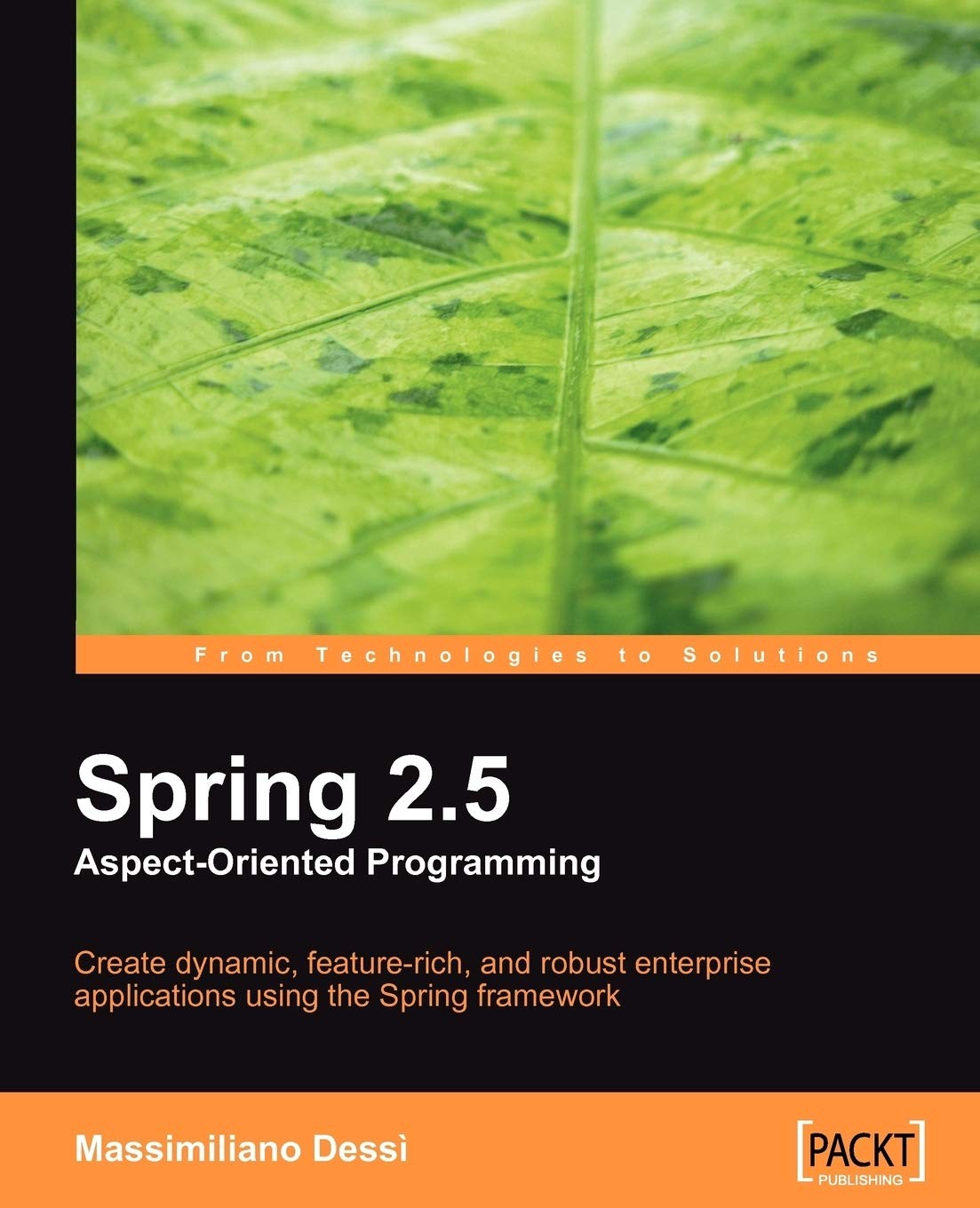
Spring 2.5 Aspect Oriented Programming (English, Massimiliano Dess� | Massimiliano Dessi)
Computer Science
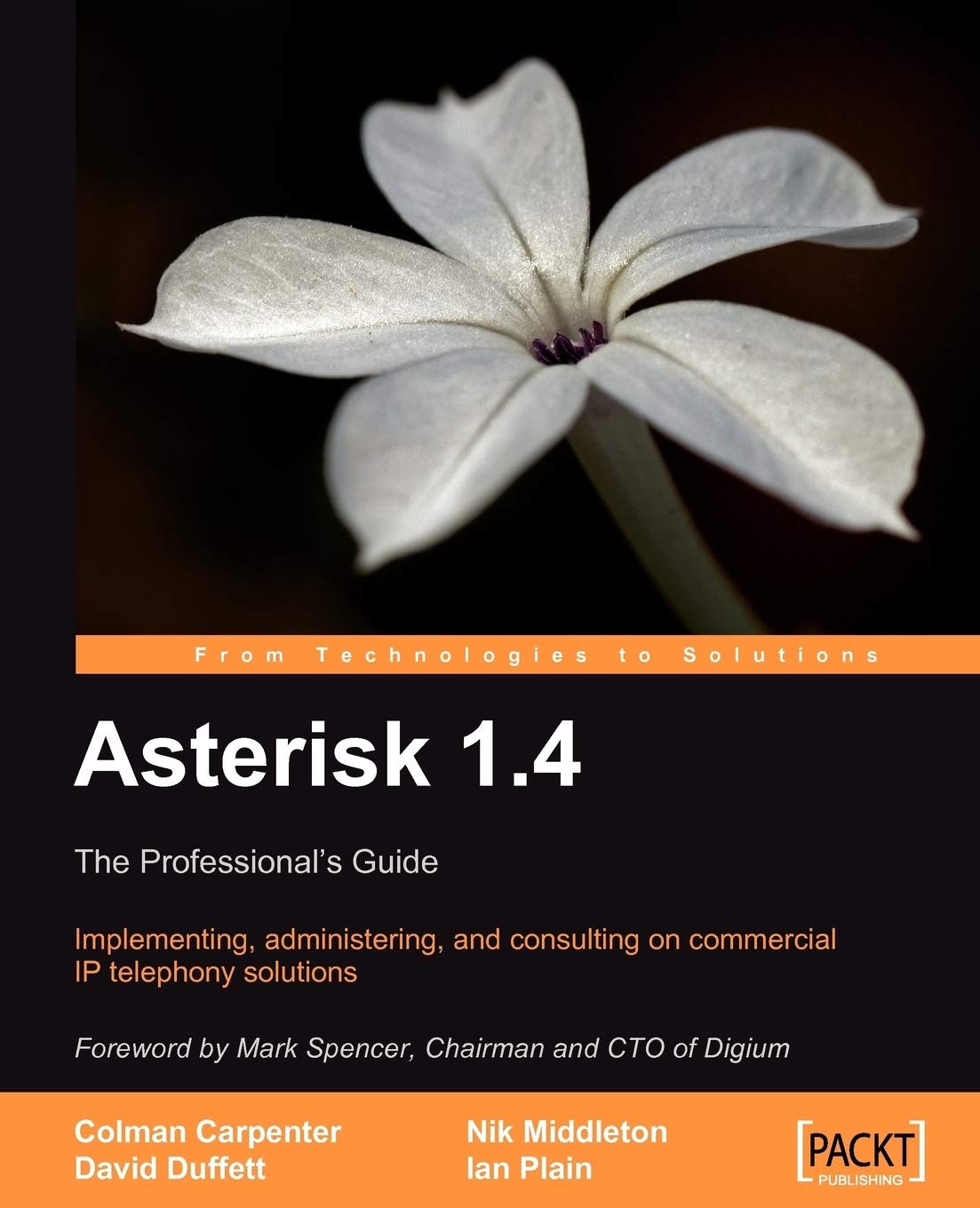
Asterisk 1.4 - the Professional's Guide (English, Colman Carpenter | David Duffett | Nik Middleton)
Computer Science
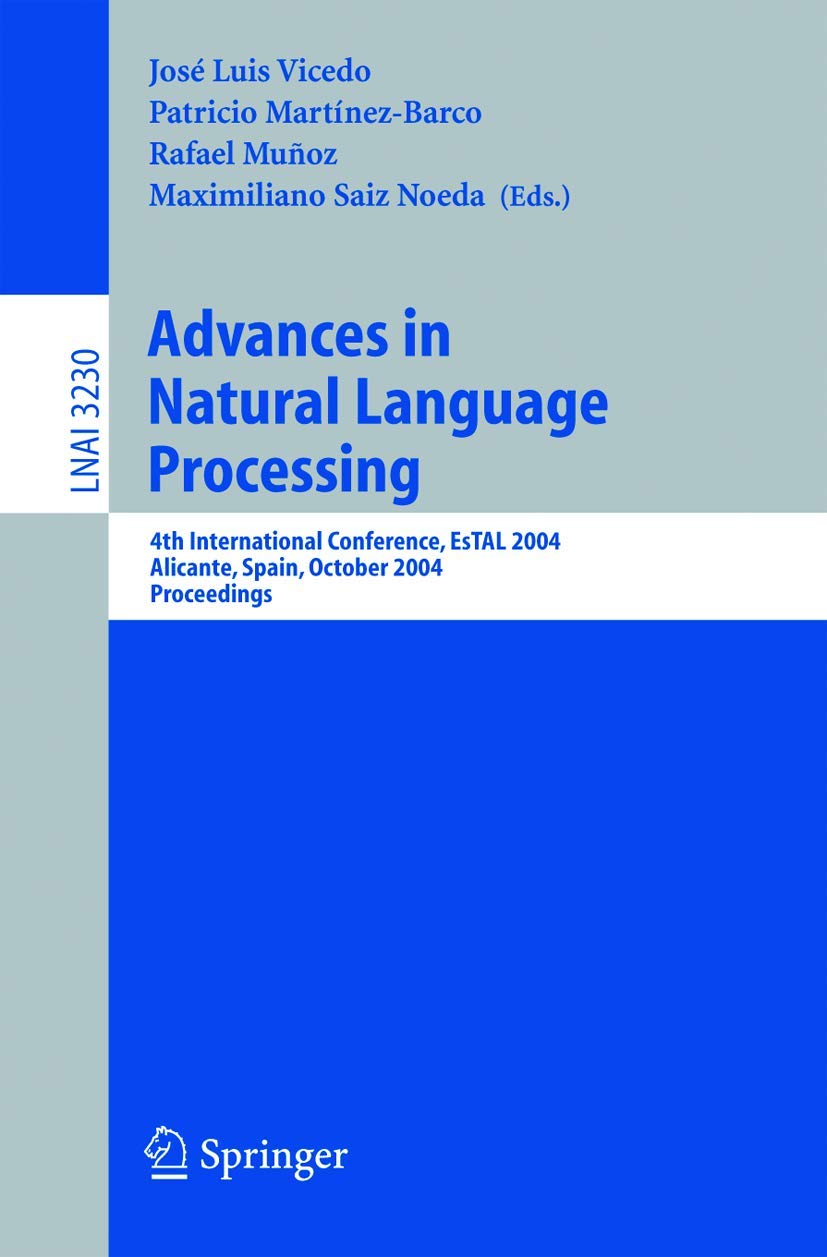
Advances In Natural Language Processing: 4th International Conference, Estal 2004, Alicante, Spain, October 20-22, 2004. Proceedings: 3230 (Lecture Notes in Computer Science)
Computer Science
Multimedia, Communication and Computing Application: Proceedings of the 2014 International Conference on Multimedia, Communication and Computing ... 2014), Xiamen, China, October 16-17, 2014
Computer Science
Cases on Database Technologies and Applications (Cases on Information Technology Series)
Computer Science
ASP.Net 3.5 Social Networking (English, Andrew Siemer)
Related Products
View AllComputer Science
Spring 2.5 Aspect Oriented Programming (English, Massimiliano Dess� | Massimiliano Dessi)
Computer Science
Asterisk 1.4 - the Professional's Guide (English, Colman Carpenter | David Duffett | Nik Middleton)
Computer Science
Advances In Natural Language Processing: 4th International Conference, Estal 2004, Alicante, Spain, October 20-22, 2004. Proceedings: 3230 (Lecture Notes in Computer Science)
Computer Science
Multimedia, Communication and Computing Application: Proceedings of the 2014 International Conference on Multimedia, Communication and Computing ... 2014), Xiamen, China, October 16-17, 2014
Computer Science
Cases on Database Technologies and Applications (Cases on Information Technology Series)
Computer Science