
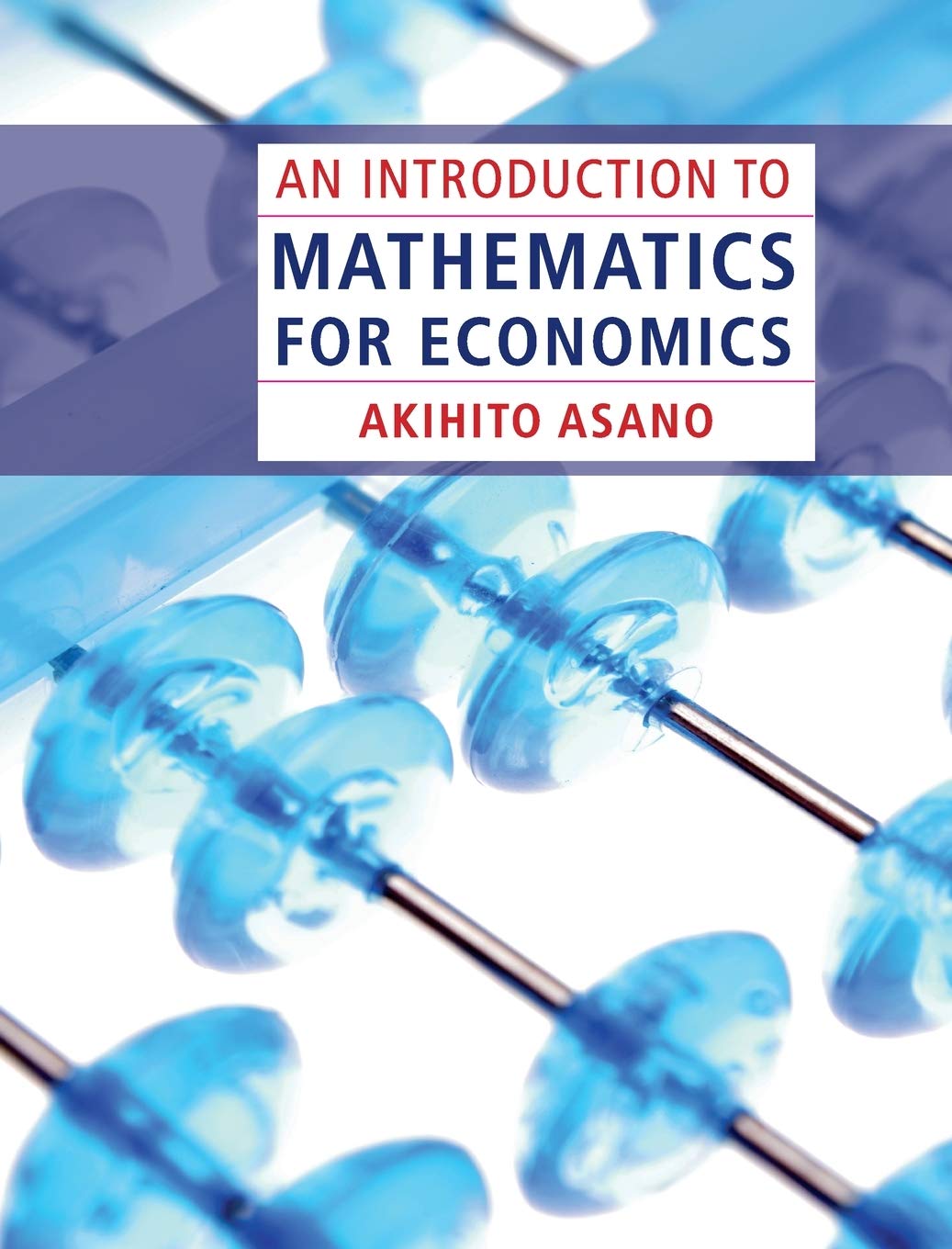
An Introduction to Mathematics for Economics by Akihito Asano – A Practical Textbook for Economics and Finance Students
Inclusive of all applicable taxes. FREE shipping on all orders.
Available Offers
- 🚚Free Delivery — Free shipping on all orders
- 💵Cash on Delivery — Pay when your order arrives
- ↩️15-Day Easy Returns — Hassle-free return policy
- 🔒Cash on Delivery — Pay safely when your order arrives
Check Delivery
Product Description
Introduction
For students of economics and finance in India, a solid grasp of mathematical methods is no longer optional—it is essential. Akihito Asano’s An Introduction to Mathematics for Economics, published by Cambridge University Press, offers a clear and practical pathway to mastering the quantitative tools that underpin modern economic theory. Whether you are an undergraduate just beginning your journey or a postgraduate student seeking to refresh your fundamentals, this hardbound edition provides a reliable companion for classroom learning and self-study alike.
Book Overview
This textbook is designed to bridge the gap between basic arithmetic and the more advanced mathematics required for economic analysis. It begins with a thorough revision of core mathematical principles before moving into calculus, matrix algebra, and differential equations—always with an eye on real-world economic applications. The author’s teaching philosophy centres on showing students why mathematics matters for economics before teaching how to apply it. Each concept is introduced through economic or financial examples, ensuring that readers never lose sight of the subject’s relevance.
Key Highlights
- Application-first approach: Economic and financial contexts are presented before the mathematics, helping students see the purpose behind each technique.
- Comprehensive coverage: From basic algebra and functions to multivariable calculus, optimisation, and dynamic analysis—all tailored for economics students.
- Worked examples and exercises: Hundreds of step-by-step solved problems and practice questions reinforce understanding and build confidence.
- Appendices for advanced learners: Separate sections on matrix algebra and difference/differential equations support students who wish to go deeper.
- Indian context friendly: While the content is global, the clear exposition and structured progression suit the Indian academic curriculum, especially for B.A. (Hons) Economics, B.Com, and MBA programmes.
Inside the Book
The book is organised into two main parts. Part I revises foundational topics: numbers, algebraic expressions, equations, inequalities, functions, and graphs. Part II introduces calculus—limits, differentiation, integration, and optimisation—with continuous economic illustrations. Later chapters cover partial derivatives, constrained optimisation, and integral calculus. The appendices provide a concise reference for linear algebra and dynamic models, making the book a complete resource for a one- or two-semester course.
Key Topics
- Basic mathematical tools: exponents, logarithms, and polynomial functions
- Linear and non-linear equations in economic models
- Functions of one and several variables
- Differentiation and its applications to marginal analysis, elasticity, and optimisation
- Integration: consumer and producer surplus, present value
- Matrix algebra for input-output analysis and linear systems
- Difference and differential equations for dynamic economic models
Reader Benefits
- Builds mathematical confidence: Starts from the basics and progresses at a comfortable pace.
- Saves time: Combines revision material and advanced topics in one volume.
- Enhances exam performance: Numerous practice problems mirror typical university exam questions.
- Supports independent learning: Clear explanations allow students to study without constant teacher guidance.
- Physical hardcover durability: Ideal for daily reference and long-term use in libraries or personal collections.
Learning Outcomes
By the end of this book, readers will be able to: solve economic problems using algebraic and calculus-based methods; interpret marginal cost, revenue, and profit through derivatives; optimise functions subject to constraints; analyse dynamic systems using difference and differential equations; and apply matrix algebra to solve systems of linear equations in economic contexts. These skills form the mathematical backbone for further study in econometrics, microeconomics, macroeconomics, and financial theory.
Who Should Read
- Undergraduate economics students in Indian universities (BA, B.Sc., B.Com)
- MBA and PGDM candidates who need quantitative foundations for finance and economics courses
- Self-learners and competitive exam aspirants (e.g., UGC NET, Indian Economic Service)
- Teachers and tutors seeking a structured, example-rich textbook for classroom instruction
About the Author
Akihito Asano is a professor of economics with extensive teaching experience at leading universities. His research spans economic theory and mathematical methods, and he has designed this textbook based on years of observing where students struggle most. His writing style is patient, precise, and always focused on making mathematics accessible to learners who may not have a strong quantitative background.
About the Publisher
Cambridge University Press is one of the world’s oldest and most respected academic publishers. Known for rigorous peer review and high editorial standards, Cambridge textbooks are trusted by educators across India for their accuracy, clarity, and pedagogical value. This hardcover edition reflects the Press’s commitment to producing durable, long-lasting academic resources.
Conclusion
An Introduction to Mathematics for Economics is more than a textbook—it is a bridge to deeper economic understanding. For Indian students who often face the challenge of learning mathematics in isolation from its applications, Asano’s approach is a welcome remedy. With its logical flow, abundant examples, and focus on economic relevance, this book deserves a place on every economics student’s shelf. Order your copy from Bookshops.in today and take the first step toward mathematical mastery in economics.
Quick Summary
An Introduction to Mathematics for Economics by Akihito Asano is a carefully crafted textbook that makes quantitative methods accessible to economics and finance students, even those without a strong math background. Published by Cambridge University Press, the book begins with a revision of basic mathematical principles and then advances into calculus, always tying concepts to real economic and financial applications. Readers will learn how to use mathematics to analyze supply and demand, optimization, marginal changes, and more. The appendices on matrix algebra and difference/differential equations provide additional depth for advanced learners. This book is perfect for undergraduate students in India, self-learners, and anyone preparing for competitive exams. By buying from Bookshops.in, you get a genuine hardcover edition at a competitive price, delivered to your doorstep. With its clear structure and practical focus, this textbook builds confidence and competence in mathematical economics.
Book Highlights
Book Specifications
| ISBN-13 | 9781107007604 |
| ISBN-10 | 1107007607 |
| Publisher | Cambridge University Press |
| Language | English |
| Dimensions | 18.42 x 1.91 x 24.77 cm |
| Weight | 770 g |
| Country | India |
| Category | Economics › Econometrics & Statistics |
| Genre | Non-fiction |
| Original Language | English |
Frequently Asked Questions
Is this book suitable for beginners with no math background?
Does this book cover calculus for economics?
Are there practice problems included?
Who is the author of this book?
Is this book used in Indian universities?
What topics are covered in the appendices?
Does it include financial applications?
What is the language of the book?
What is the ISBN of this edition?
Is this a hardcover or paperback?
Can I use this book for self-study?
Does it require prior knowledge of economics?
How does this book differ from other math economics books?
Where can I buy this book in India?
Readers Also Search For
Customers Also Bought

Entrepreneurship
Chinese Economic Revolution (English, Linda Grove)
Entrepreneurship
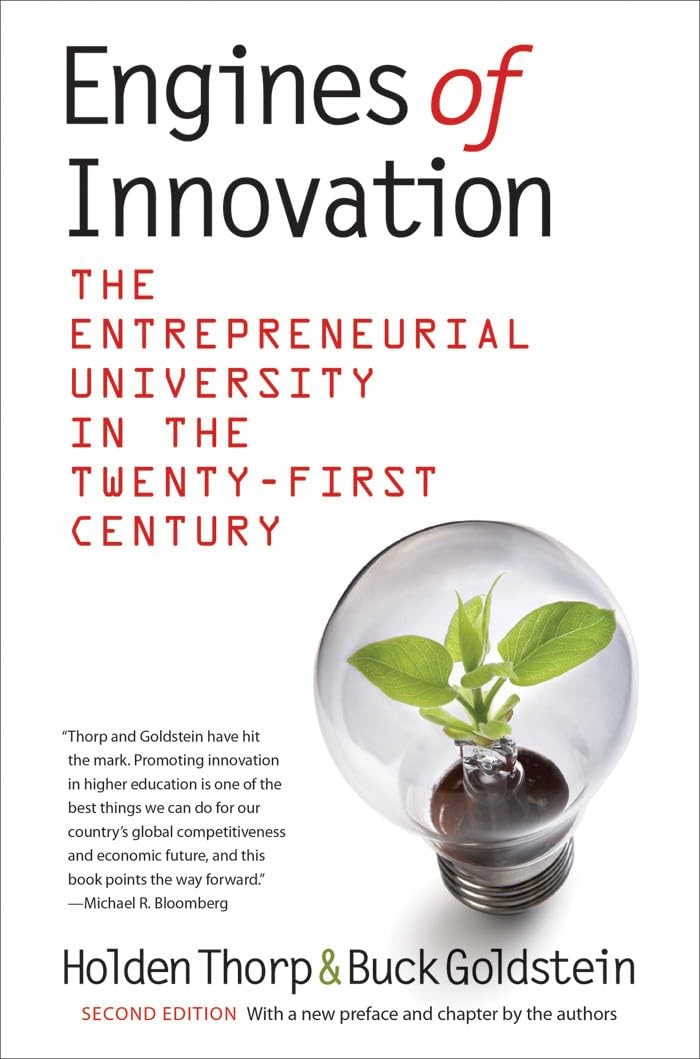
Engines of Innovation: The Entrepreneurial University in the Twenty-First Century by Holden Thorp
Entrepreneurship
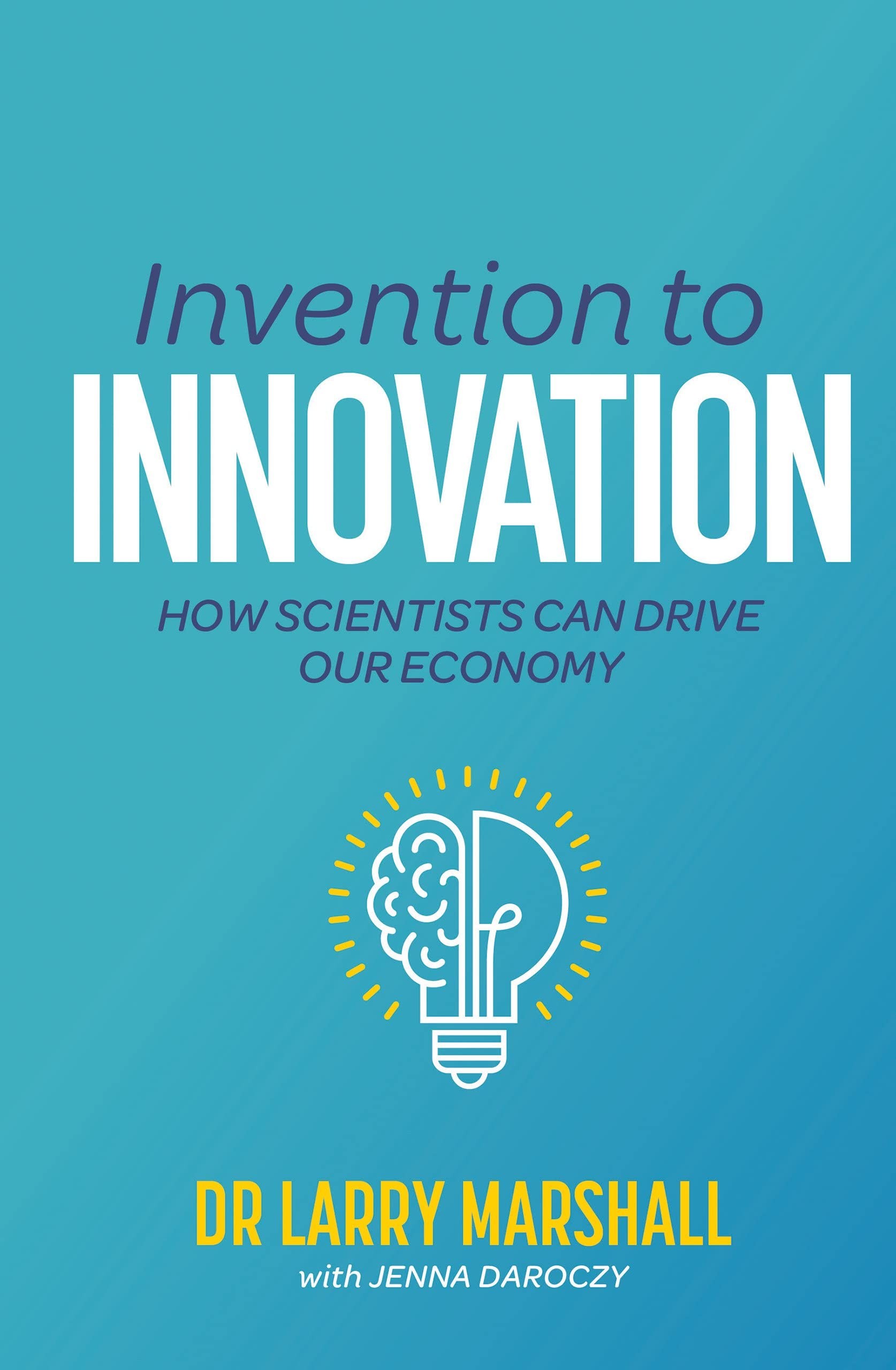
Invention to Innovation (English, PhD Marshall Larry | Jenna Daroczy)

Entrepreneurship
Database Management Systems by Raghu Ramakrishnan – DBMS Textbook

Entrepreneurship
Decision-making for Technology Executives by Harold A. Linstone
Entrepreneurship
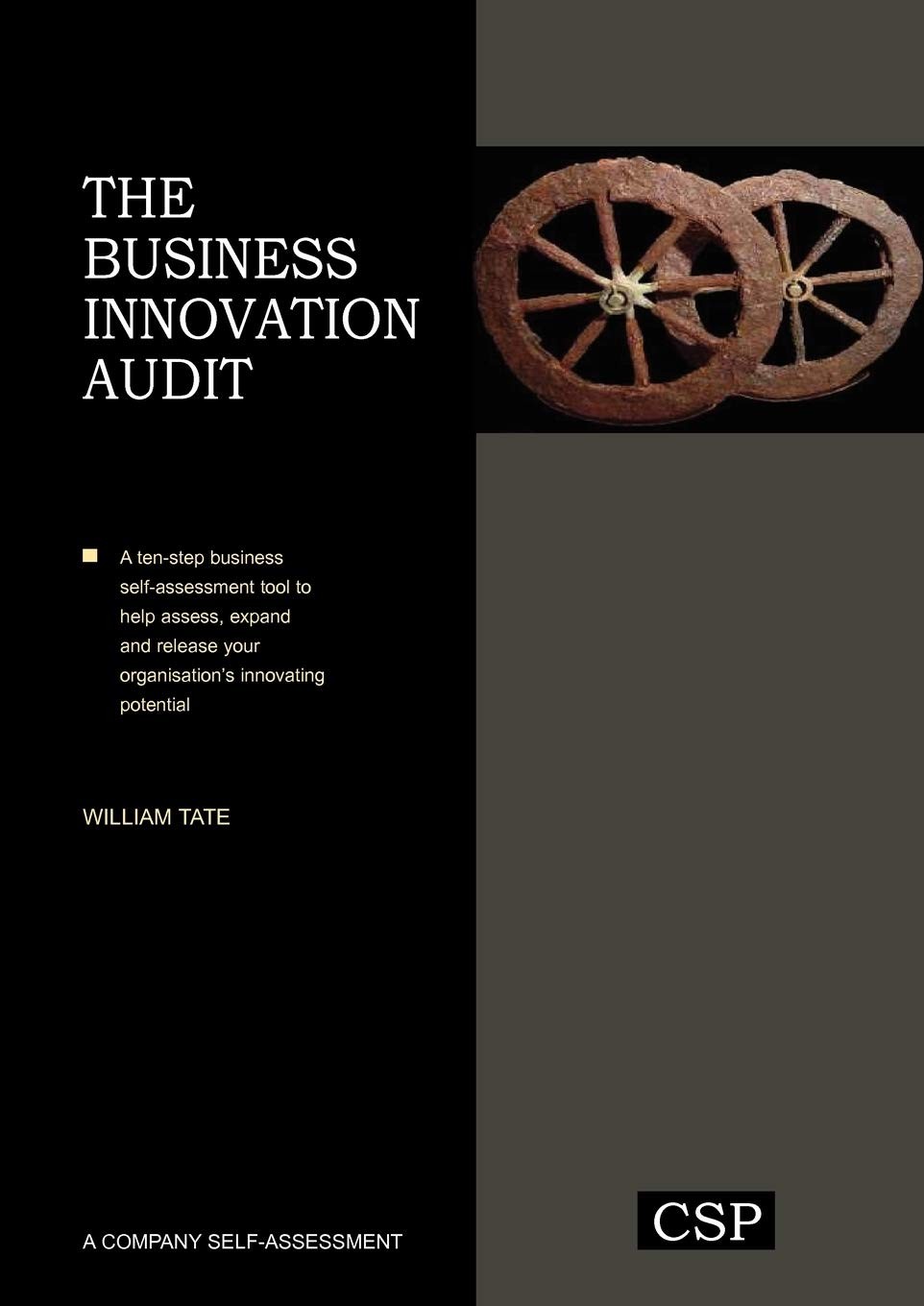
The Business Innovation Audit (English, William Tate)
Related Products
View All
Economics
Political Economy from Pufendorf to Marx (English, István Hont | Lasse S. Andersen | Béla Kapossy)
Economics
Women's Entrepreneurship and Economics (English, Miguel-Angel Galindo | Domingo Ribeiro)
Economics
Trade Policy and Industrialization in Turbulent Times | by Gerry Helleiner | Routledge | by Gerry Helleiner | Routledge | by Gerry Helleiner | Routledge | by Gerry Helleiner | Routledge | by Gerry Helleiner | Routledge | by Gerry Helleiner | Routledge | by Gerry Helleiner | Routledge | by Gerry Helleiner | Routledge | by Gerry Helleiner | Routledge | by Gerry Helleiner | Routledge | by Gerry Helleiner | Routledge | by Gerry Helleiner | Routledge | by Gerry Helleiner | Routledge | by Gerry Hellei
Economics
History of Economic Analysis | by Schumpeter Joseph A. | Taylor & Francis Ltd | by Schumpeter Joseph A. | Taylor & Francis Ltd | by Schumpeter Joseph A. | Taylor & Francis Ltd | by Schumpeter Joseph A. | Taylor & Francis Ltd | by Schumpeter Joseph A. | Taylor & Francis Ltd | by Schumpeter Joseph A. | Taylor & Francis Ltd | by Schumpeter Joseph A. | Taylor & Francis Ltd | by Schumpeter Joseph A. | Taylor & Francis Ltd | by Schumpeter Joseph A. | Taylor & Franci
Economics
OECD Compendium of Productivity Indicators 2015 | by Organization for Economic Cooperation an | Organization for Economic Co-Operation & Deve | by Organization for Economic Cooperation an | Organization for Economic Co-Operation & Deve | by Organization for Economic Cooperation an | Organization for Economic Co-Operation & Deve | by Organization for Economic Cooperation an | Organization for Economic Co-Operation & Deve | by Organization for Economic Cooperation an | Organization

Economics