
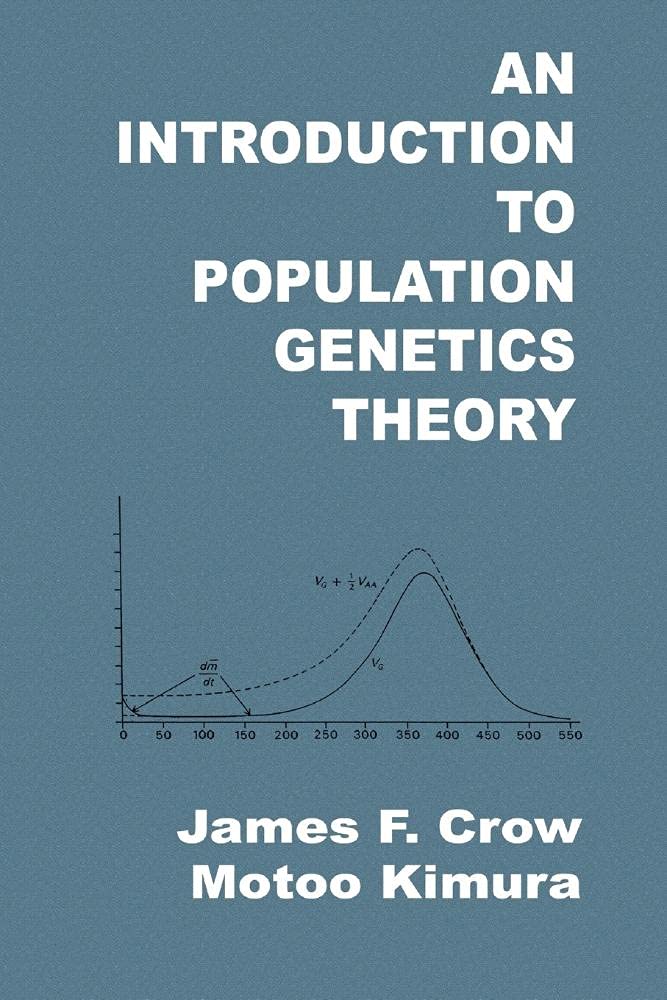
An Introduction to Population Genetics Theory – James F. Crow
Inclusive of all applicable taxes. FREE shipping on all orders.
Available Offers
- 🚚Free Delivery — Free shipping on all orders
- 💵Cash on Delivery — Pay when your order arrives
- ↩️15-Day Easy Returns — Hassle-free return policy
- 🔒Cash on Delivery — Pay safely when your order arrives
Check Delivery
Product Description
Introduction
Population genetics is the cornerstone of evolutionary biology, bridging the gap between Mendelian inheritance and Darwinian natural selection. An Introduction to Population Genetics Theory by James F. Crow is a timeless classic that has guided generations of students and researchers through the mathematical and conceptual foundations of this vital field. Originally published in 1970 and now available in a sturdy hardcover edition from Blackburn Press, this book remains an essential reference for anyone serious about understanding how genes behave in populations. For Indian students and academics pursuing genetics, ecology, or evolutionary studies, this text offers a rigorous yet accessible pathway into the theoretical core of the subject.
Book Overview
This textbook takes readers from elementary concepts to advanced topics in population genetics, with a primary focus on natural populations rather than domesticated plants or livestock. Crow masterfully steers a middle course between purely verbal biological arguments and the full mathematical rigor that can intimidate beginners. The first two-thirds of the book require only an ordinary knowledge of calculus, making it suitable for advanced undergraduates and graduate students. The latter sections delve into population stochastic processes, where more sophisticated mathematics comes into play. Throughout, the emphasis remains on Darwinian fitness as the most important measure under natural selection, ensuring that every theoretical insight ties back to real-world evolutionary dynamics.
Key Highlights
- Classic authority: Written by James F. Crow, one of the most influential population geneticists of the 20th century.
- Balanced approach: Combines biological intuition with mathematical precision without overwhelming the reader.
- Progressive difficulty: Starts with basic concepts and gradually builds to advanced stochastic theory.
- Natural focus: Concentrates on wild populations, making it ideal for ecologists and evolutionary biologists.
- Durable hardcover: A high-quality physical edition meant for years of study and reference.
Inside the Book
The book is structured to guide the reader through a logical progression of ideas. Early chapters cover Hardy–Weinberg equilibrium, gene frequency changes, and the basic models of selection. Mid sections introduce mutation, migration, and genetic drift, with clear derivations and worked examples. The final chapters tackle the complexities of stochastic processes in finite populations, including diffusion approximations and the coalescent theory's precursors. Each chapter builds on the previous one, and Crow's lucid writing style ensures that even challenging topics remain comprehensible. There are numerous numerical examples and problem sets that encourage active learning, making this text suitable for both classroom use and self-study.
Key Topics
- Hardy–Weinberg equilibrium and its applications
- Natural selection in diploid and haploid populations
- Mutation, migration, and gene flow
- Genetic drift and effective population size
- Inbreeding and population subdivision
- Linkage disequilibrium and recombination
- Stochastic processes in finite populations
- Diffusion theory and its genetic applications
- Quantitative genetics and polygenic inheritance
Reader Benefits
By studying this book, readers gain a deep, intuitive understanding of how evolutionary forces shape genetic variation. The mathematical tools learned here are directly applicable to modern research in conservation genetics, human evolutionary genomics, and agricultural breeding. Indian students preparing for competitive exams like CSIR-UGC NET, GATE in biotechnology or ecology, or pursuing PhDs in evolutionary biology will find this book invaluable for building a solid theoretical foundation. The hardcover format ensures durability, making it a lasting addition to any personal or institutional library.
Learning Outcomes
- Understand the fundamental principles of gene frequency dynamics under selection, mutation, and drift.
- Apply mathematical models to predict evolutionary outcomes in natural populations.
- Analyze the effects of population size, structure, and migration on genetic diversity.
- Interpret real-world genetic data using theoretical frameworks.
- Develop the quantitative skills necessary for advanced research in population genetics.
Who Should Read
This book is intended for graduate students and advanced undergraduates in genetics, population biology, ecology, and evolutionary biology. It is also highly suitable for researchers in related fields who wish to strengthen their theoretical background. Teachers and professors looking for a authoritative textbook for coursework will find its progressive structure ideal. While the latter chapters demand some mathematical maturity, the early parts are accessible to anyone with basic calculus. Indian students in MSc or PhD programs in life sciences will particularly benefit from the clear exposition and logical flow.
About the Author
James F. Crow (1916–2012) was a towering figure in population genetics and evolutionary biology. A professor at the University of Wisconsin–Madison, he made seminal contributions to the understanding of genetic load, mutation rates, and the dynamics of natural selection. His work alongside Motoo Kimura on the neutral theory and stochastic processes profoundly shaped modern evolutionary thought. Crow was also a gifted teacher and writer, known for his ability to explain complex ideas with clarity and grace. This book stands as a testament to his pedagogical skill and scientific insight.
About the Publisher
Blackburn Press is a respected academic publisher dedicated to keeping classic scientific texts in print. By reissuing foundational works like Crow's An Introduction to Population Genetics Theory, they ensure that new generations of scholars have access to the primary sources of their disciplines. The hardcover edition is produced with care, featuring high-quality paper and binding that will withstand years of use in library and laboratory settings.
Conclusion
For anyone serious about understanding the mathematical underpinnings of evolution, An Introduction to Population Genetics Theory is an indispensable resource. Its blend of biological insight and rigorous theory has stood the test of time, remaining as relevant today as when it was first published. Whether you are a student beginning your journey into evolutionary genetics or a seasoned researcher seeking a comprehensive reference, this book deserves a place on your shelf. Order your copy from Bookshops.in today and embark on a deeper exploration of the forces that shape life on Earth.
Quick Summary
An Introduction to Population Genetics Theory by James F. Crow is a classic textbook that has guided generations of students and researchers through the mathematical foundations of evolutionary genetics. Originally published in 1970, this reprint by Blackburn Press retains all the rigor and clarity that made it a staple in graduate programs worldwide. The book begins with basic concepts like the Hardy-Weinberg equilibrium and gradually builds up to complex topics such as natural selection, mutation, migration, genetic drift, and quantitative genetics. Crow’s writing strikes a careful balance between verbal biological reasoning and mathematical formalism, making the material accessible to advanced undergraduates and graduate students alike. The emphasis is on natural populations, and the central measure throughout is Darwinian fitness. Readers will learn how to model changes in gene frequencies, understand the forces that maintain genetic variation, and appreciate the evolutionary dynamics that shape biodiversity. This book is ideal for Indian students pursuing genetics, evolutionary biology, or related fields in their academic journey. By purchasing from Bookshops.in, you receive a genuine hardcover edition that will serve as a valuable reference for years to come.
Book Highlights
Book Specifications
| ISBN-13 | 9781932846126 |
| ISBN-10 | 1932846123 |
| Publisher | Blackburn Pr |
| Language | English |
| Dimensions | 15.24 x 3.15 x 22.86 cm |
| Weight | 1 kg 50 g |
| Category | Biology & Life Sciences › Biology |
| Genre | Science & Mathematics |
| Reading Age | 18+ |
| Original Language | English |
Frequently Asked Questions
What is An Introduction to Population Genetics Theory about?
Who is the author of this book?
Is this book suitable for beginners?
Does the book include mathematical derivations?
What edition is this?
Is this book used in Indian universities?
What is the binding type?
Does the book cover human genetics?
What is the price of the book?
Can I use this book for self-study?
Is there a digital version available?
Which topics are covered in the book?
How does this book compare to other population genetics texts?
Why should I buy from Bookshops.in?
Readers Also Search For
Customers Also Bought
Mathematics
Stereotype Spaces and Algebras: 73 (De Gruyter Expositions in Mathematics, 73)
Mathematics
Semigroups in Algebra, Geometry and Analysis: 20 (De Gruyter Expositions in Mathematics, 20)
Mathematics
Geometry from the Pacific Rim: Proceedings of the Pacific Rim Geometry Conference held at National University of Singapore, Republic of Singapore, ... 1994 (De Gruyter Proceedings in Mathematics)
Mathematics
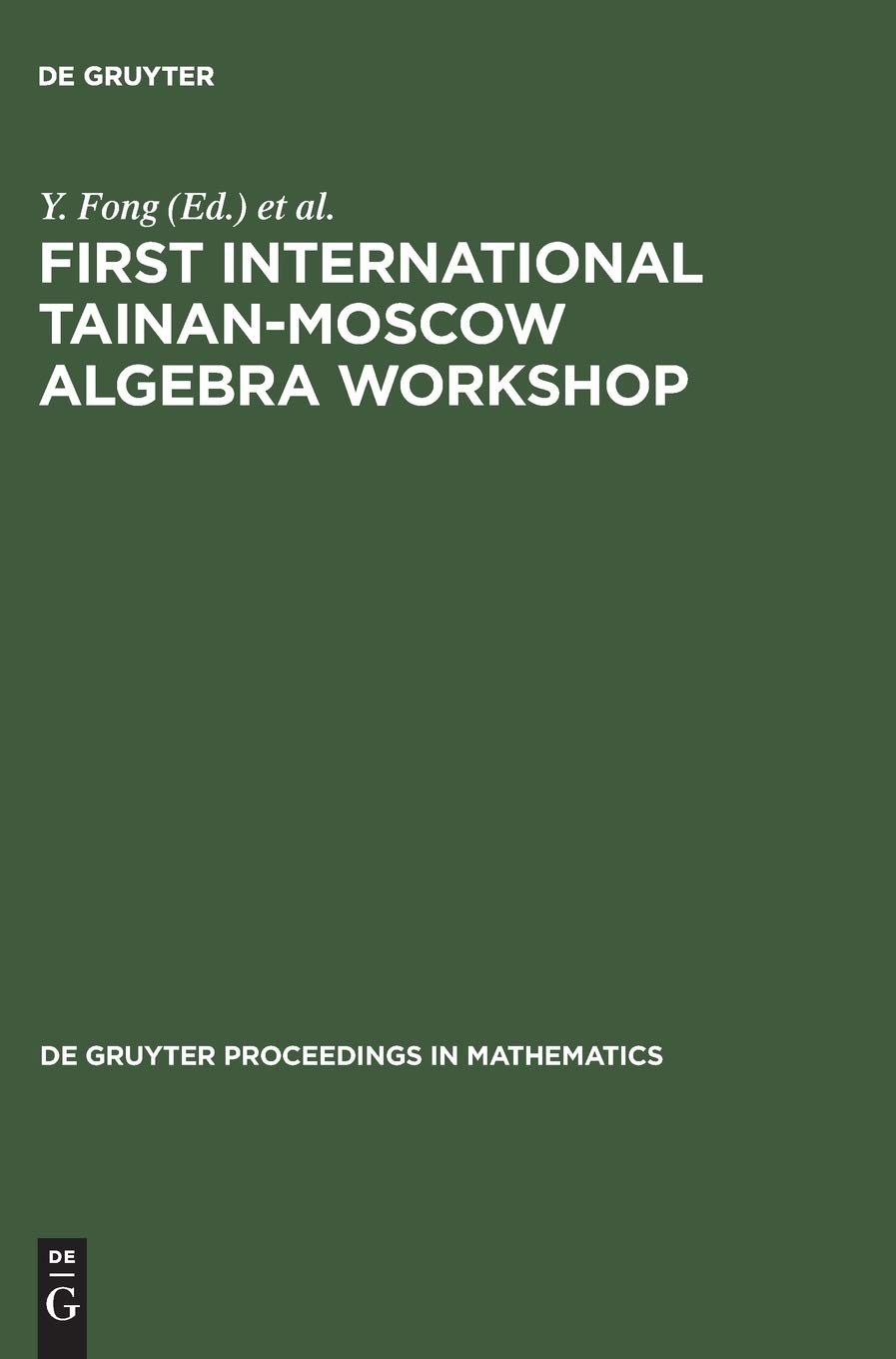
First International Tainan-Moscow Algebra Workshop: Proceedings of the International Conference held at National Cheng Kung University Tainan, Taiwan, ... 1994 (De Gruyter Proceedings in Mathematics)
Mathematics
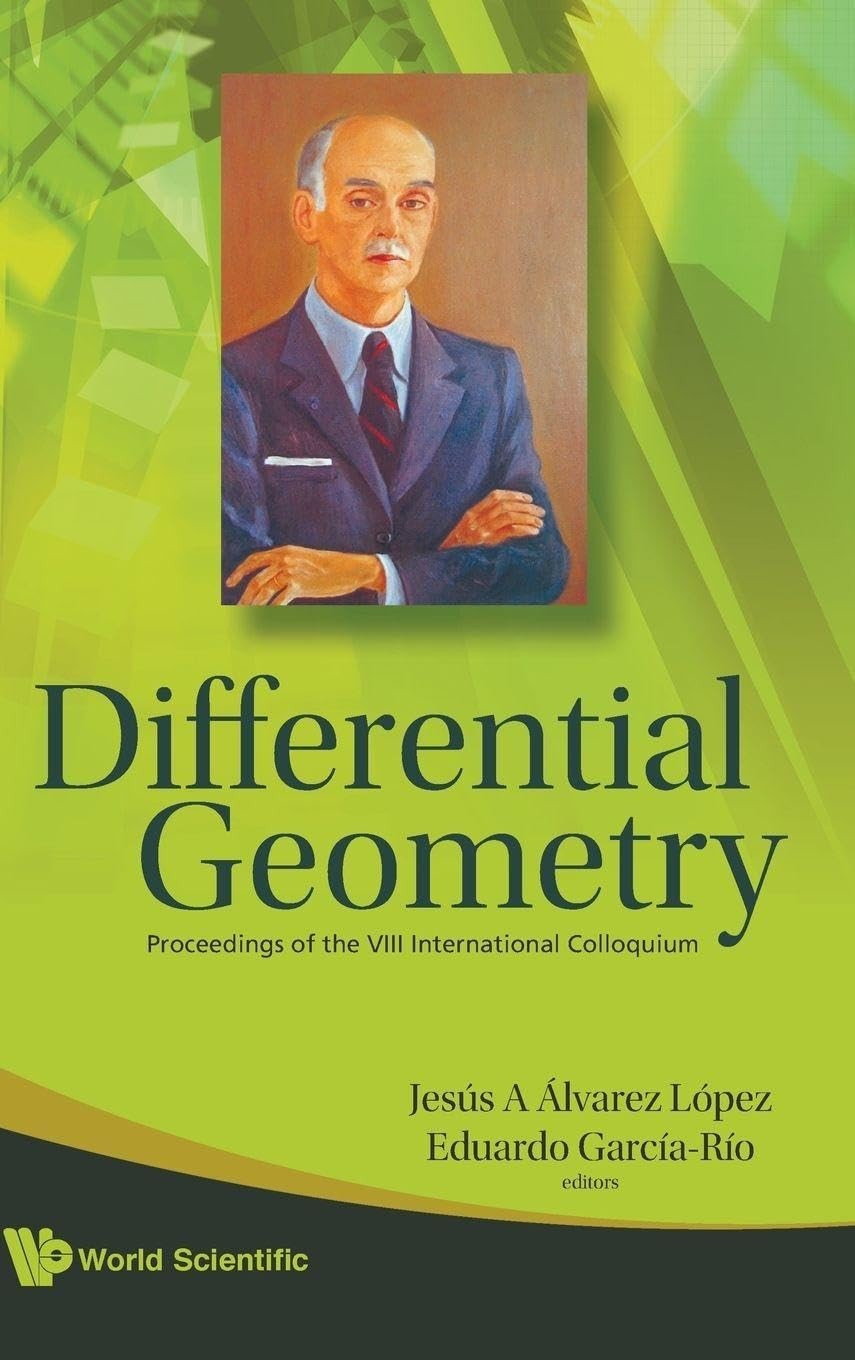
Differential Geometry - Proceedings of the VIII International Colloquium (English, Jesus A. Alvarez Lopez | Eduardo Garcia-Rio)
Mathematics
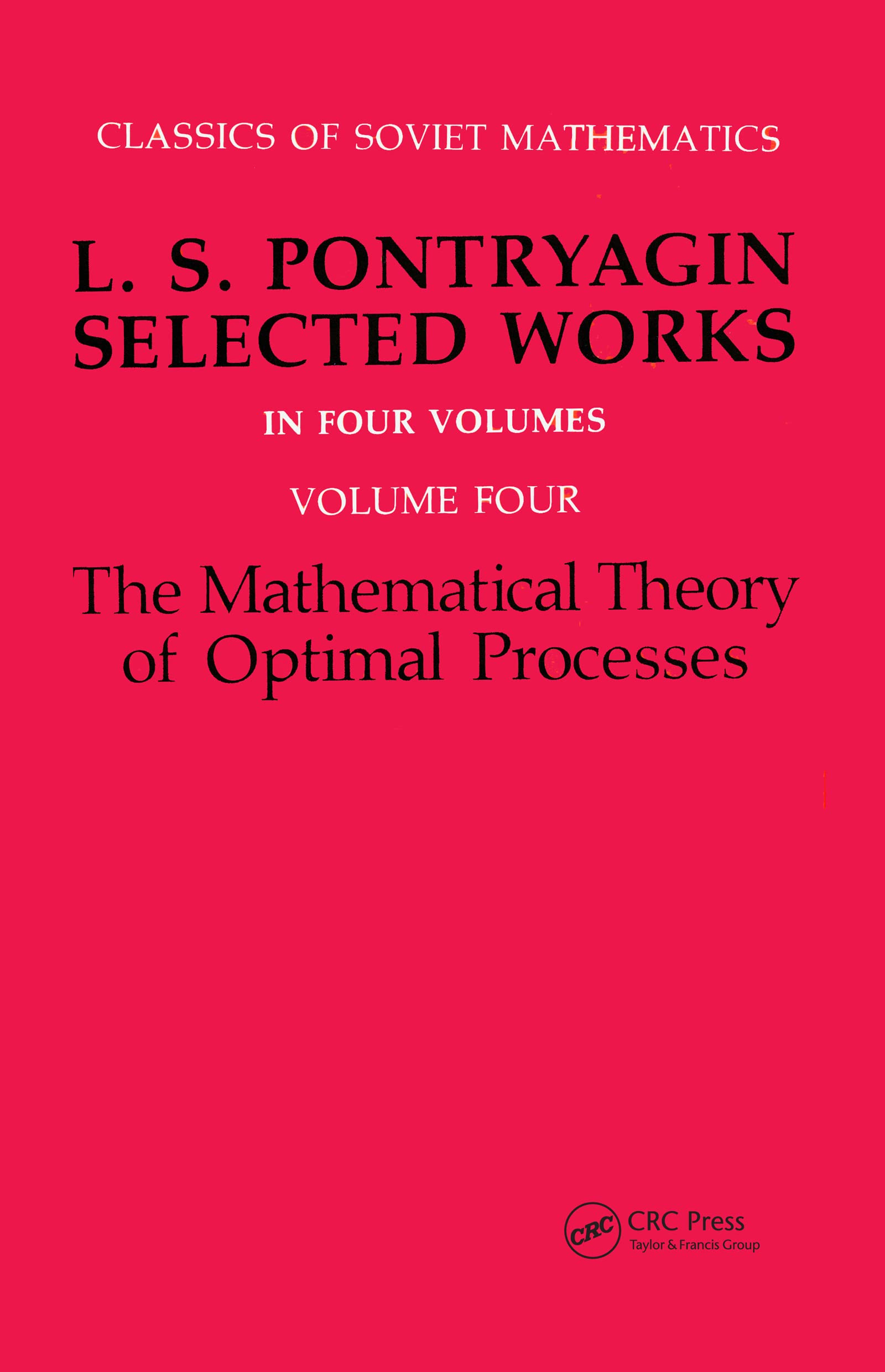
Mathematical Theory of Optimal Processes (Classics of Soviet Mathematics)
Related Products
View All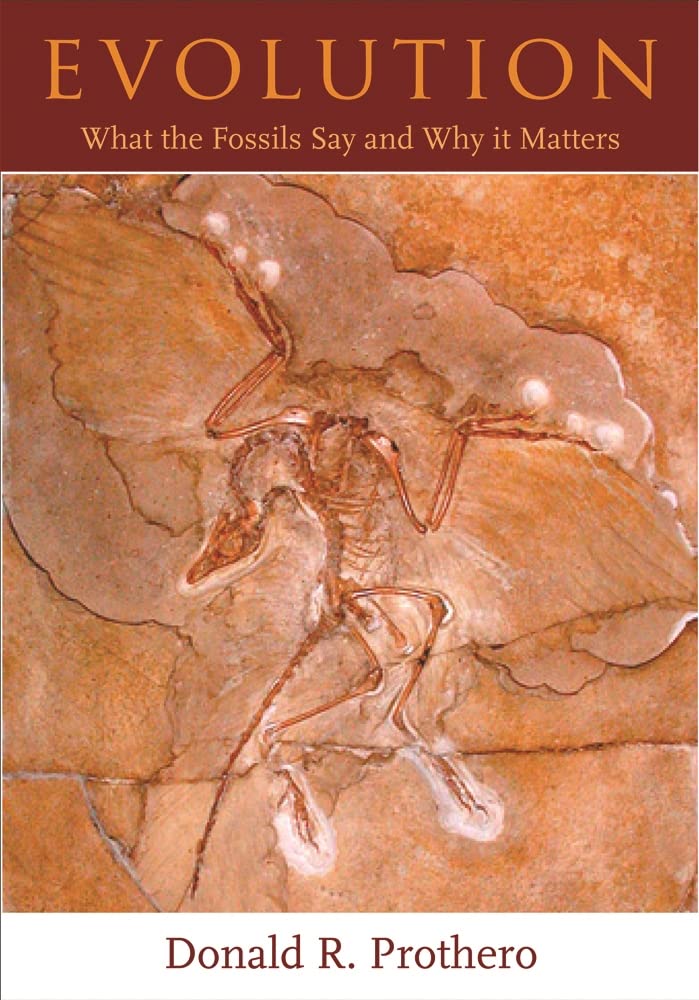
Biology
Evolution: What the Fossils Say and Why It Matters by Donald R. Prothero
Biology
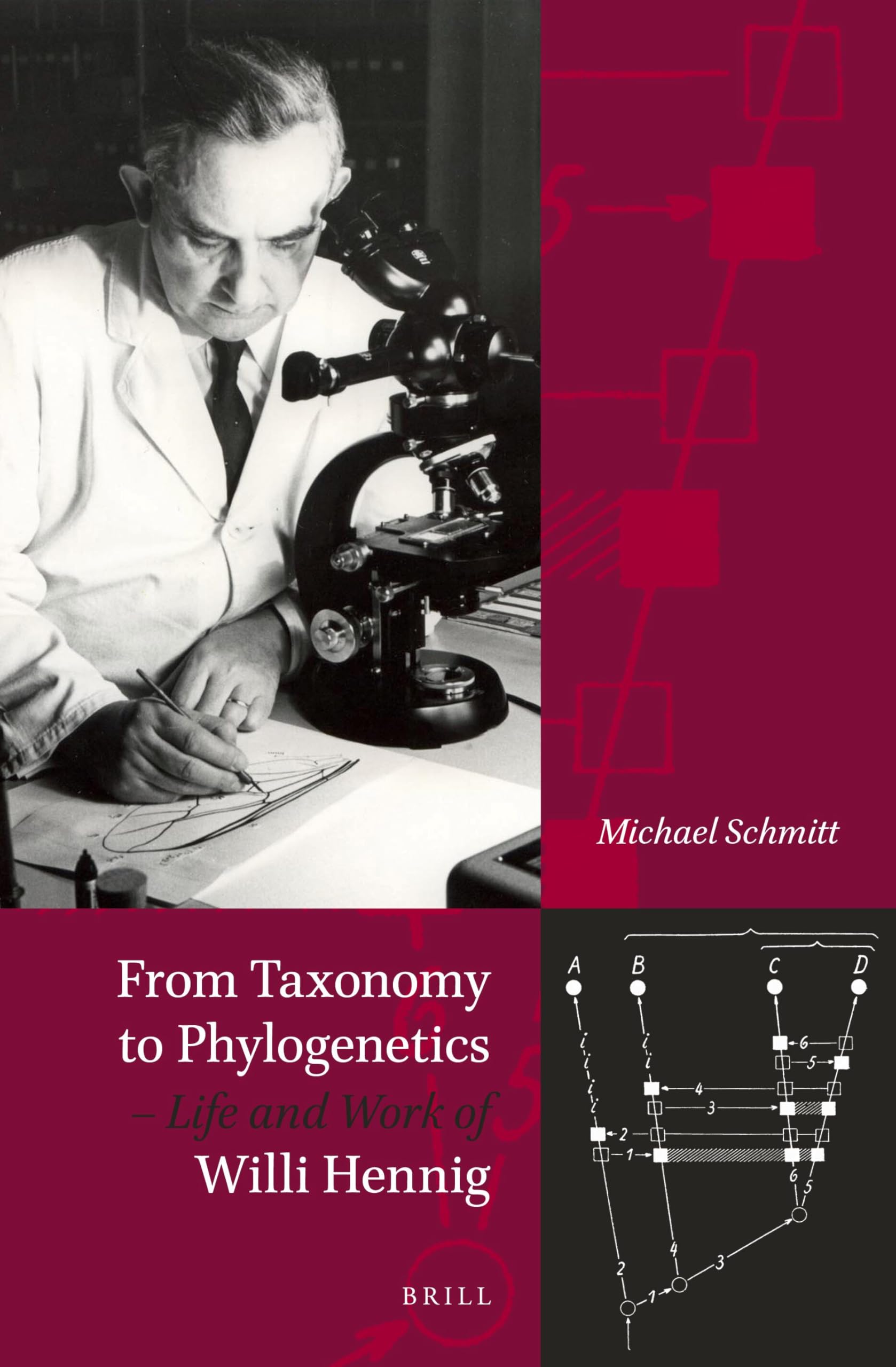
From Taxonomy to Phylogenetics – Life and Work of Willi Hennig
Biology
The Marine Biology of the South China Sea
Biology
Genetics Meets Metabolomics: from Experiment to Systems Biology
Biology
The Elements of Natural or Experimental Philosophy: 2
Biology