
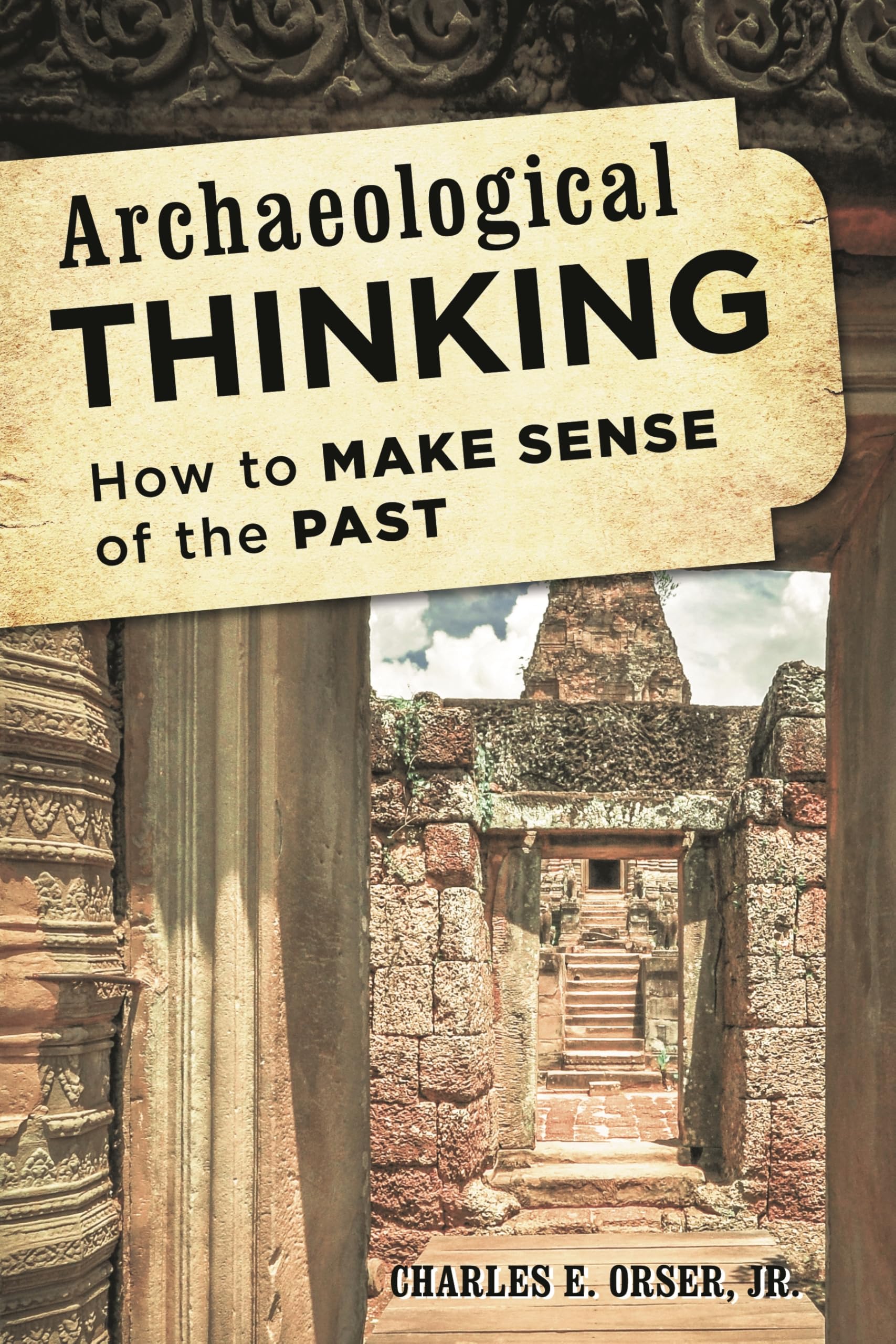
Archaeological Thinking: How to Make Sense of the Past by Charles E. Orser Jr. – A Critical Thinking Guide for Archaeolo
Inclusive of all applicable taxes. FREE shipping on all orders.
Available Offers
- 🚚Free Delivery — Free shipping on all orders
- 💵Cash on Delivery — Pay when your order arrives
- ↩️15-Day Easy Returns — Hassle-free return policy
- 🔒Cash on Delivery — Pay safely when your order arrives
Check Delivery
Product Description
Introduction
In a world overflowing with information, learning to think critically about the past is more important than ever. Archaeological Thinking: How to Make Sense of the Past by Jr. Orser Charles E. is a refreshingly practical guide that demystifies the intellectual process behind archaeology. Written for students, curious readers, and anyone who has ever wondered how archaeologists piece together human history from fragments of stone, bone, and pottery, this book offers a clear, commonsense approach to evaluating evidence and building reasoned interpretations. Published by the esteemed Rowman & Littlefield Publishers, this hardcover volume is an essential addition to any Indian reader’s library who wishes to understand not just what we know about the past, but how we know it.
Book Overview
Archaeological Thinking is not a typical textbook filled with dense theory or a collection of sensational pseudo-archaeological debunkings. Instead, it focuses on the foundational skills of scientific reasoning, logic, analogy, and source evaluation that every thoughtful person can apply. Jr. Orser Charles E. walks readers through the step-by-step process of moving from scattered, often-fragmentary remains—whether from excavation or historical records—to meaningful, sensible interpretations of human history. The book emphasizes that archaeology is not about gathering facts but about creating coherent pictures of the past using disciplined thinking. It is a guide to becoming a more critical consumer of historical narratives, whether in academic journals, museum exhibits, or popular media.
Key Highlights
- Practical Focus: Moves beyond abstract archaeological theory to teach the actual thinking tools used by professionals.
- Critical Thinking Skills: Explains how to apply logic, analogy, and scientific reasoning to archaeological questions.
- Source Evaluation: Offers concrete methods for assessing the reliability of historical and archaeological sources.
- Accessible Language: Written in a clear, engaging style suitable for beginners and advanced students alike.
- Real-World Examples: Uses case studies from global archaeology, making concepts relevant to Indian and international contexts.
- Hardcover Quality: A durable, premium edition from Rowman & Littlefield, perfect for university libraries and personal collections.
Inside the Book
The book is structured to build understanding layer by layer. It begins with the basics of scientific thinking and the nature of archaeological evidence. Subsequent chapters delve into the use of analogy, the role of context, and the careful evaluation of both primary and secondary sources. Orser also addresses common logical fallacies and how to avoid them, making this an invaluable resource for anyone involved in research, writing, or simply interpreting the past. Each chapter includes practical exercises and thought questions that encourage readers to practice the skills being taught. The final sections tie everything together, showing how individual pieces of evidence can be woven into a coherent narrative about ancient societies, trade routes, cultural practices, and human migration.
Key Topics
- The nature of archaeological facts and how they differ from opinions
- Using logic and analogy to bridge gaps in the material record
- Evaluating source credibility: primary vs. secondary sources
- The role of bias in interpretation and how to minimize it
- Scientific reasoning and hypothesis testing in archaeology
- Context as the cornerstone of archaeological meaning
- Common pitfalls in pseudo-archaeology and how to recognize them
- Building a coherent interpretation from fragmentary evidence
Reader Benefits
By reading Archaeological Thinking, you will develop a sharper, more analytical mind. You will learn to question assumptions, weigh evidence, and construct arguments that stand up to scrutiny. For students of archaeology, history, or anthropology, this book provides the intellectual toolkit needed to excel in coursework and research. For general readers, it offers a fascinating behind-the-scenes look at how archaeologists work—transforming a handful of broken potsherds into a story about daily life in an ancient village. Indian readers will particularly appreciate the universal applicability of these skills, whether studying the Indus Valley civilization, medieval forts, or colonial-era settlements. This book empowers you to think like an archaeologist, even if you never pick up a trowel.
Learning Outcomes
- Understand the fundamental principles of archaeological reasoning
- Apply critical thinking to evaluate historical and archaeological claims
- Distinguish between reliable evidence and speculative interpretation
- Use analogy and logic to fill gaps in the material record responsibly
- Recognize and avoid common logical fallacies in historical narratives
- Develop a systematic approach to building interpretations from data
- Gain confidence in discussing and debating archaeological topics
Who Should Read
This book is ideal for undergraduate and postgraduate students of archaeology, history, anthropology, and heritage studies in Indian universities. It is also a valuable resource for teachers, museum professionals, heritage managers, and anyone involved in public history or cultural tourism. General readers with an interest in the past—whether as hobbyists, travelers, or lifelong learners—will find the content accessible and deeply rewarding. If you have ever been fascinated by ancient civilizations, puzzled over archaeological mysteries, or wanted to separate fact from fiction in historical documentaries, this book is for you.
About the Author
Jr. Orser Charles E. is a distinguished archaeologist and professor known for his work in historical archaeology, critical theory, and the archaeology of the modern world. With decades of teaching and field experience, he brings a rare ability to explain complex ideas in simple, relatable terms. His research has taken him across the globe, and he is widely respected for his contributions to understanding how we interpret the past. In Archaeological Thinking, he distills his vast knowledge into a practical guide that benefits both beginners and seasoned scholars.
About the Publisher
Rowman & Littlefield Publishers is a highly respected academic and trade publisher based in the United States, known for producing authoritative works in the humanities and social sciences. Their catalog includes influential titles in archaeology, history, philosophy, and education. This hardcover edition reflects their commitment to quality content and durable production, making it a reliable resource for years of study and reference.
Conclusion
Archaeological Thinking: How to Make Sense of the Past is more than a book—it is a mental training manual for anyone who wants to think clearly about history. By focusing on the process of reasoning rather than just the results, Jr. Orser Charles E. equips readers with skills that transcend archaeology and apply to everyday life. Whether you are a student in Delhi preparing for exams, a heritage enthusiast in Jaipur exploring ancient ruins, or a professional in Mumbai working with cultural data, this book will transform the way you see the past. Order your hardcover copy from Bookshops.in today and start thinking like an archaeologist.
Quick Summary
Archaeological Thinking: How to Make Sense of the Past by Charles E. Orser Jr. is a refreshingly clear and practical guide that demystifies how archaeologists think and work. Instead of diving into complex theories or debunking pseudo-archaeology, Orser focuses on the core intellectual tools: scientific thinking, logic, analogy, the meaning of facts, and the evaluation of sources. Readers learn how archaeologists piece together fragmented evidence—from artifacts to historical documents—to build coherent interpretations of human history. This book is perfect for Indian undergraduate and postgraduate students of archaeology and history, as well as curious general readers. It empowers readers to think critically about archaeological claims and to appreciate the rigorous reasoning behind our understanding of the past. By choosing Bookshops.in, you get a genuine hardcover edition delivered across India with reliable service.
Book Highlights
Book Specifications
| ISBN-13 | 9781442226982 |
| ISBN-10 | 1442226986 |
| Publisher | Rowman & Littlefield Pub Inc |
| Language | English |
| Dimensions | 15.32 x 2.82 x 22.84 cm |
| Weight | 295 g |
| Category | Social Sciences › Archaeology |
| Genre | Nonfiction |
| Reading Age | 18+ |
| Original Language | English |
Frequently Asked Questions
What is Archaeological Thinking about?
Who is the author of Archaeological Thinking?
Is this book suitable for beginners in archaeology?
Does this book focus on archaeological theory?
Can this book help me identify pseudo-archaeology?
How is this book different from other archaeology texts?
Is this book used in Indian universities?
What topics are covered in the book?
Does the book include examples from Indian archaeology?
Is this book available in hardcover?
Can I use this book for self-study?
Does the book contain illustrations?
Why should I buy this book from Bookshops.in?
Readers Also Search For
Customers Also Bought

McFarland & Company
Playing with the Guys | by Marc A. Ouellette | Matthew Wilhelm Kapell | McFarland & Company | by Marc A. Ouellette | Matthew Wilhelm Kapell | McFarland & Company | by Marc A. Ouellette | Matthew Wilhelm Kapell | McFarland & Company | by Marc A. Ouellette | Matthew Wilhelm Kapell | McFarland & Company | by Marc A. Ouellette | Matthew Wilhelm Kapell | McFarland & Company | by Marc A. Ouellette | Matthew Wilhelm Kapell | McFarland & Company | by Marc A. Ouellette | Matthew W
Rowman & Littlefield Publishers
Joss Whedon's Dollhouse: Confounding Purpose, Confusing Identity (Science Fiction Television)

State University of New York Press
Mexico Unmanned: The Cultural Politics of Masculinity in Mexican Cinema (SUNY series in Latin American Cinema)

McFarland & Company
Valley Forge to Monmouth | by Jim Stempel | McFarland & Company | by Jim Stempel | McFarland & Company | by Jim Stempel | McFarland & Company | by Jim Stempel | McFarland & Company | by Jim Stempel | McFarland & Company | by Jim Stempel | McFarland & Company | by Jim Stempel | McFarland & Company | by Jim Stempel | McFarland & Company | by Jim Stempel | McFarland & Company | by Jim Stempel | McFarland & Company | by Jim Stempel | McFarland & Company |
University of Toronto Press
Structures of Feeling in Seventeenth-Century Cultural Expression (UCLA Center Clark Library)

McFarland & Company
Welcome to Arkham Asylum | by Sharon Packer | Daniel R. Fredrick | McFarland & Company | by Sharon Packer | Daniel R. Fredrick | McFarland & Company | by Sharon Packer | Daniel R. Fredrick | McFarland & Company | by Sharon Packer | Daniel R. Fredrick | McFarland & Company | by Sharon Packer | Daniel R. Fredrick | McFarland & Company | by Sharon Packer | Daniel R. Fredrick | McFarland & Company | by Sharon Packer | Daniel R. Fredrick | McFarland & Company | by Sharon P
Related Products
View All
Rowman & Littlefield Publishers
Stubborn Fact and Creative Advance | by C. S. C. Thomas E. Hosinski | Rowman & Littlefield Publishers | by C. S. C. Thomas E. Hosinski | Rowman & Littlefield Publishers | by C. S. C. Thomas E. Hosinski | Rowman & Littlefield Publishers | by C. S. C. Thomas E. Hosinski | Rowman & Littlefield Publishers | by C. S. C. Thomas E. Hosinski | Rowman & Littlefield Publishers | by C. S. C. Thomas E. Hosinski | Rowman & Littlefield Publishers | by C. S. C. Thomas E. Hosinski | Rowm

Rowman & Littlefield Publishers
Slavery and Freedom in Delaware, 1639-1865 | by William H. Williams | Rowman & Littlefield Publishers | by William H. Williams | Rowman & Littlefield Publishers | by William H. Williams | Rowman & Littlefield Publishers | by William H. Williams | Rowman & Littlefield Publishers | by William H. Williams | Rowman & Littlefield Publishers | by William H. Williams | Rowman & Littlefield Publishers | by William H. Williams | Rowman & Littlefield Publishers | by William H.

Rowman & Littlefield Publishers
For and Against the State | by John T. Sanders | Jan Narveson | Rowman & Littlefield Publishers | by John T. Sanders | Jan Narveson | Rowman & Littlefield Publishers | by John T. Sanders | Jan Narveson | Rowman & Littlefield Publishers | by John T. Sanders | Jan Narveson | Rowman & Littlefield Publishers | by John T. Sanders | Jan Narveson | Rowman & Littlefield Publishers | by John T. Sanders | Jan Narveson | Rowman & Littlefield Publishers | by John T. Sanders | Jan Nar
Rowman & Littlefield Publishers
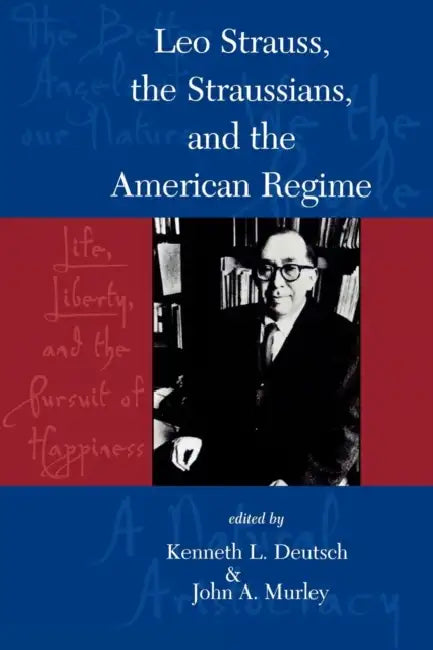
Leo Strauss, the Straussians, and the Study of the American Regime | by Kenneth L. Deutsch | John A. Murley | George Anastaplo | Rowman & Littlefield Publishers | by Kenneth L. Deutsch | John A. Murley | George Anastaplo | Rowman & Littlefield Publishers | by Kenneth L. Deutsch | John A. Murley | George Anastaplo | Rowman & Littlefield Publishers | by Kenneth L. Deutsch | John A. Murley | George Anastaplo | Rowman & Littlefield Publishers | by Kenneth L. Deutsch | John A. Murley
Rowman & Littlefield Publishers
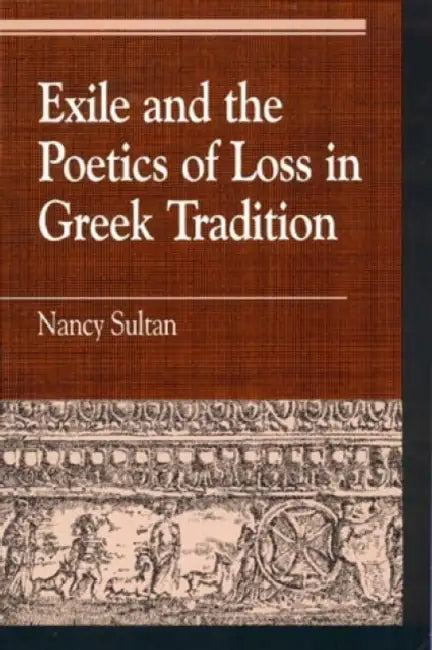
Exile and the Poetics of Loss in Greek Tradition | by Nancy Sultan | Rowman & Littlefield Publishers | by Nancy Sultan | Rowman & Littlefield Publishers | by Nancy Sultan | Rowman & Littlefield Publishers | by Nancy Sultan | Rowman & Littlefield Publishers | by Nancy Sultan | Rowman & Littlefield Publishers | by Nancy Sultan | Rowman & Littlefield Publishers | by Nancy Sultan | Rowman & Littlefield Publishers | by Nancy Sultan | Rowman & Littlefield Publishers | b
Rowman & Littlefield Publishers