
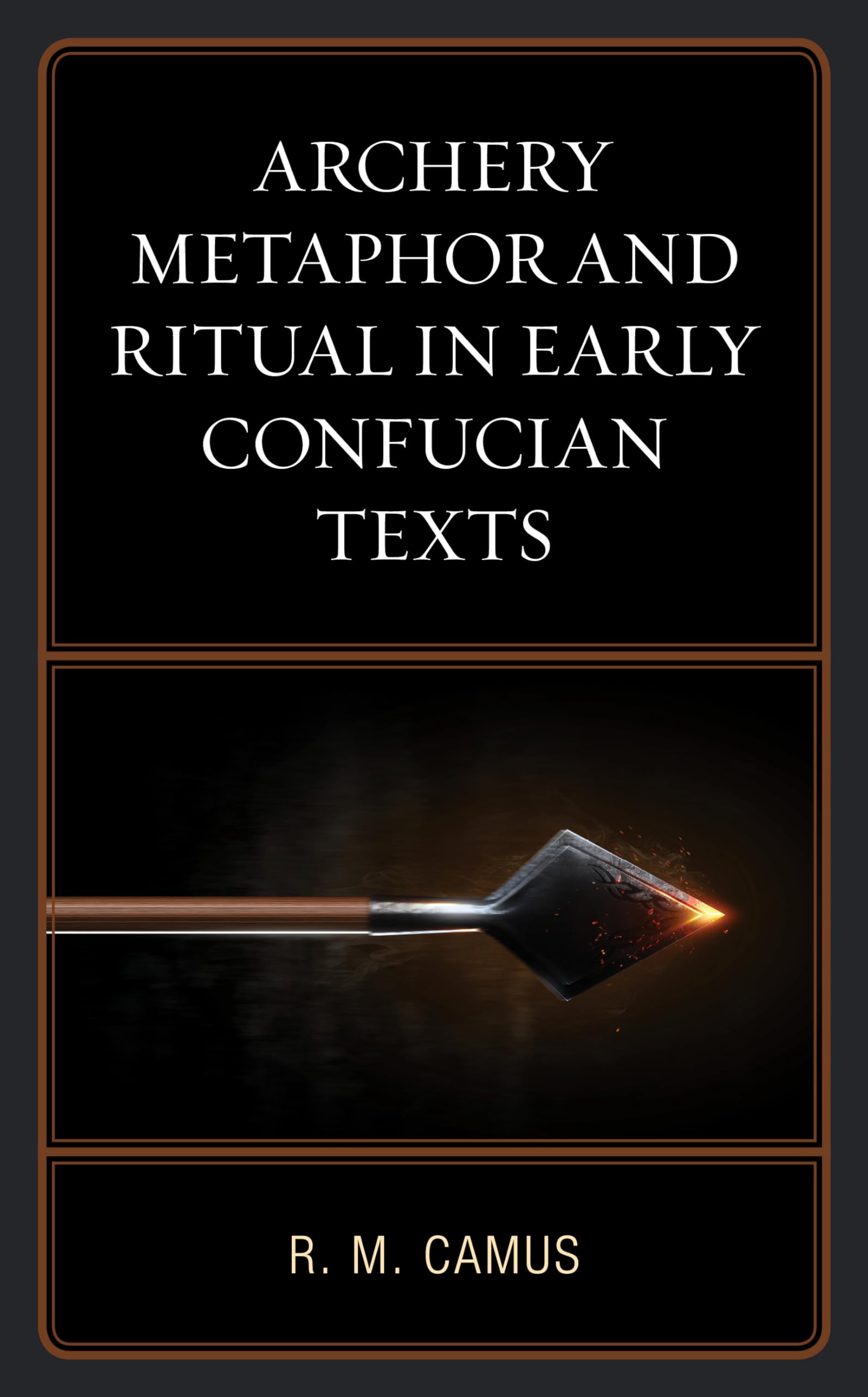
Archery Metaphor and Ritual in Early Confucian Texts by Rina Marie Camus – A Deep Dive into Confucian Philosophy and Cla
Inclusive of all applicable taxes. FREE shipping on all orders.
Available Offers
- 🚚Free Delivery — Free shipping on all orders
- 💵Cash on Delivery — Pay when your order arrives
- ↩️15-Day Easy Returns — Hassle-free return policy
- 🔒Cash on Delivery — Pay safely when your order arrives
Check Delivery
Product Description
Introduction
In the vast tapestry of early Chinese thought, few images are as potent and revealing as the bow and arrow. Archery Metaphor and Ritual in Early Confucian Texts by Rina Marie Camus offers a groundbreaking exploration of how archery served not only as a physical discipline but as a profound metaphor for moral self-cultivation, ritual propriety, and the ideal character of the gentleman in classical Confucian philosophy. This hardcover volume, published by Lexington Books, is an essential addition for scholars, students, and anyone fascinated by the intersection of ritual, metaphor, and ancient wisdom.
Book Overview
This meticulously researched work delves into the foundational texts of the Confucian tradition—the Analects, Mencius, and Xunzi—to uncover the layered meanings behind archery imagery. Rina Marie Camus argues that archery was more than a martial skill; it was a central ritual practice of the Zhou aristocracy, a tool for education, and a rich source of metaphors for human excellence. By examining how these texts use the figure of the archer, the making of bows and arrows, and the ritual of shooting, the book reveals a coherent philosophical vision where precision, focus, and harmony become models for ethical living. The study situates these metaphors within the turbulent social and political changes of the late Zhou dynasty, showing how early followers of Confucius adapted traditional imagery to address the challenges of their time.
Key Highlights
- Original Analysis: A fresh, systematic reading of archery metaphors in the Analects, Mencius, and Xunzi, showing how each text uses the image differently to convey core Confucian values.
- Historical Context: Connects the ritual practice of archery to the shifting social conditions of the late Zhou period, offering insights into how Confucian thinkers responded to a world in flux.
- Cognitive Perspective: Argues that archery is not merely a decorative metaphor but a cognitive tool that shapes how we understand concepts like ren (benevolence), li (ritual), and self-cultivation.
- Interdisciplinary Approach: Blends philosophy, history, ritual studies, and literary analysis to provide a holistic understanding of early Confucian thought.
Inside the Book
The book is structured around close readings of key passages. In the Analects, the ritual archer embodies the gentleman who competes virtuously and seeks self-improvement rather than victory. Mencius uses the sharp shooter to illustrate the relentless pursuit of ren, where moral failure is akin to missing the target. Xunzi, with his characteristic emphasis on craftsmanship, draws on the fashioning of exquisite bows and arrows to describe the slow, deliberate process of self-cultivation. Each chapter unpacks these images, showing how they reflect deeper debates about human nature, education, and the role of ritual in society. The writing is accessible yet rigorous, making complex ideas clear without oversimplification.
Key Topics
- Archery as ritual practice in early China
- Metaphor and cognitive meaning in Confucian philosophy
- The figure of the gentleman (junzi) in classical texts
- Self-cultivation and moral development
- Ritual propriety (li) and its role in social harmony
- The concept of ren (benevolence) and its pursuit
- Late Zhou dynasty history and intellectual context
- Comparative analysis of Analects, Mencius, and Xunzi
Reader Benefits
- Deepen Your Understanding: Gain a nuanced appreciation of how Confucian thinkers used everyday practices to convey profound philosophical truths.
- Enhance Your Scholarship: Ideal for researchers and students looking for a focused, original study that bridges ritual studies and philosophy.
- Discover New Perspectives: See familiar texts in a new light, uncovering layers of meaning that standard commentaries often overlook.
- Practical Insights: The metaphor of archery offers timeless lessons about focus, discipline, and the importance of process over outcome—applicable to modern life and learning.
Learning Outcomes
By reading this book, you will be able to identify and interpret key archery metaphors in early Confucian literature, understand the historical and ritual context of archery in Zhou society, analyze how different Confucian thinkers adapted shared imagery for their own philosophical agendas, and appreciate the cognitive role of metaphor in shaping ethical concepts. You will also gain a clearer understanding of the relationship between ritual practice and moral self-cultivation in classical Chinese thought.
Who Should Read
This book is ideal for scholars and advanced students of Chinese philosophy, comparative religion, ritual studies, and intellectual history. It will also appeal to readers interested in metaphor theory, the history of sport and martial arts, and anyone seeking a deeper engagement with the Analects, Mencius, and Xunzi. For Indian readers, the book offers a fascinating cross-cultural perspective on how discipline and ritual can shape character—a theme resonant with many traditions of the subcontinent.
About the Author
Rina Marie Camus is a scholar of Chinese philosophy and comparative religion, with a deep expertise in early Confucian texts and ritual theory. Her work brings together careful philological analysis with broader philosophical questions about metaphor, embodiment, and moral education. She has published extensively on classical Chinese thought and is known for her ability to make ancient texts speak to contemporary concerns.
About the Publisher
Lexington Books is an imprint of Rowman & Littlefield, renowned for publishing high-quality academic works in the humanities and social sciences. With a focus on innovative scholarship, Lexington Books brings rigorous, peer-reviewed research to a global audience. This title reflects their commitment to advancing understanding of non-Western philosophical traditions.
Conclusion
Archery Metaphor and Ritual in Early Confucian Texts is a masterful study that illuminates the power of metaphor to shape thought and practice. By tracing the bow and arrow through the foundational texts of Confucianism, Rina Marie Camus reveals a tradition that is at once deeply historical and startlingly relevant. Whether you are a seasoned scholar or a curious reader, this book will enrich your understanding of how ancient wisdom can still guide us in aiming for a life of virtue. Order your copy today from Bookshops.in and add this unique work to your collection.
Quick Summary
Archery Metaphor and Ritual in Early Confucian Texts by Rina Marie Camus offers a scholarly exploration of how archery served as both a ritual practice and a powerful metaphor in classical Confucian writings. The book delves into key passages from the Analects, Mencius, and Xunzi, showing how archery imagery was used to convey ideas about virtue, self-cultivation, education, and social harmony during the turbulent late Zhou dynasty. Camus reveals that archery was not only a military skill and aristocratic custom but also a tool for moral and philosophical reflection. This work is ideal for Indian students and researchers in Chinese philosophy, ritual studies, and comparative religion. It provides a fresh lens through which to understand Confucian thought, emphasizing the interplay between physical practice and abstract ideals. By purchasing from Bookshops.in, readers gain access to a high-quality hardcover edition with reliable delivery across India.
Book Highlights
Book Specifications
| ISBN-13 | 9781498597203 |
| ISBN-10 | 1498597203 |
| Publisher | Lexington Books |
| Language | English |
| Dimensions | 15.24 x 1.09 x 22.86 cm |
| Weight | 386 g |
| Category | Language, Linguistics & Writing › Linguistics |
| Genre | Philosophy |
| Reading Age | Adult |
| Original Language | English |
Frequently Asked Questions
What is the main focus of Archery Metaphor and Ritual in Early Confucian Texts?
Who is the author Rina Marie Camus?
Which Confucian texts are analyzed in the book?
What historical period does the book cover?
Is this book suitable for Indian students?
Does the book discuss archery as a military skill?
What are the six arts of China mentioned in the book?
How does the book connect archery to Confucian ethics?
Is this a hardcover or paperback edition?
What is the ISBN of this book?
Can I use this book for my research on Confucianism?
Does the book include translations of Chinese texts?
What makes this book different from other works on Confucianism?
Where can I buy this book in India?
Readers Also Search For
Customers Also Bought

Journalism
Rock Critic Law (English, Michael Azerrad)
Journalism
What Is Sustainable Journalism?: Integrating the Environmental, Social, and Economic Challenges of Journalism

Journalism
The Power of Sports: Media and Spectacle in American Culture: 23 (Postmillennial Pop)

Journalism
Research Guide to People's Daily Editorials, 1949-1975

Vocabulary
Prince Edward Island Sayings (Heritage)
Vocabulary
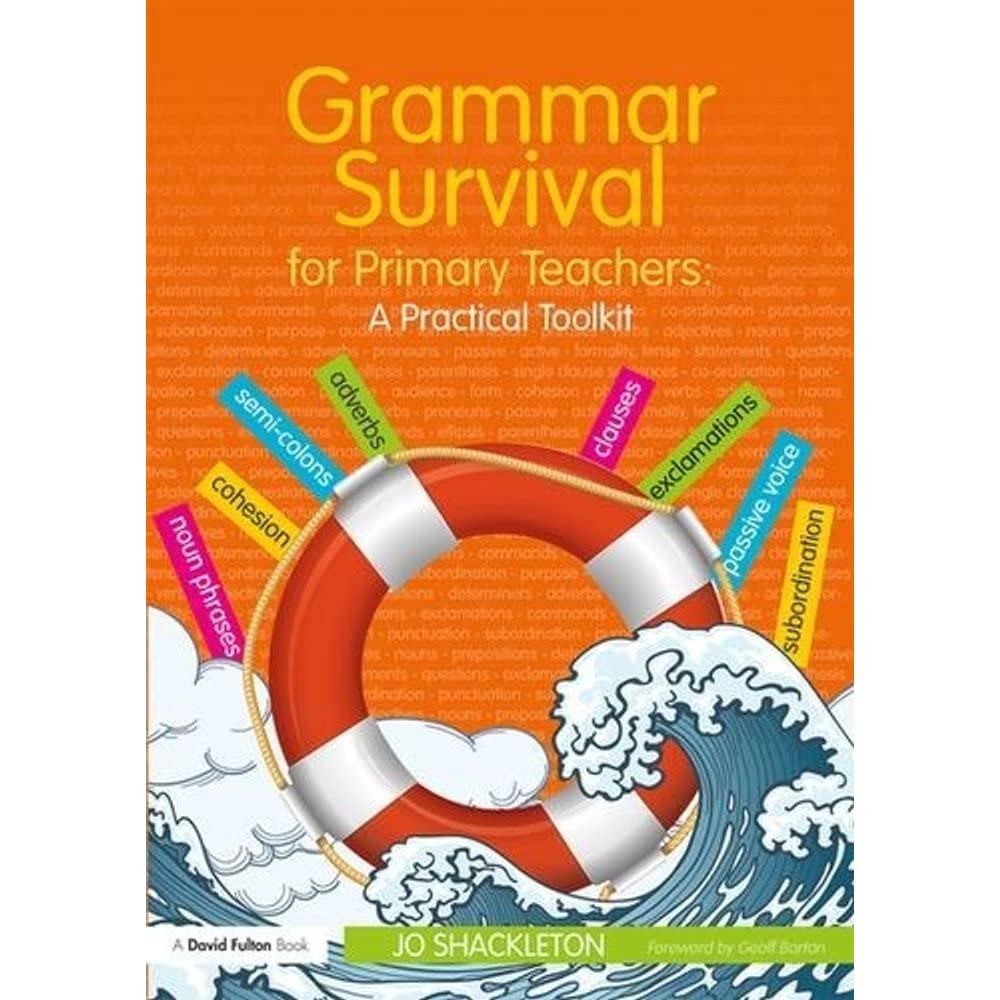
Grammar Survival for Primary Teachers: A Practical Toolkit by Jo Shackleton
Related Products
View All
Language, Linguistics & Writing
The Language of Turn and Sequence | by Cecilia E. Ford | Barbara A. Fox | Sandra A. Thompson | Oxford University Press | by Cecilia E. Ford | Barbara A. Fox | Sandra A. Thompson | Oxford University Press | by Cecilia E. Ford | Barbara A. Fox | Sandra A. Thompson | Oxford University Press | by Cecilia E. Ford | Barbara A. Fox | Sandra A. Thompson | Oxford University Press | by Cecilia E. Ford | Barbara A. Fox | Sandra A. Thompson | Oxford University Press | by Cecilia E. Ford | Barbara A. Fox | S
Language, Linguistics & Writing
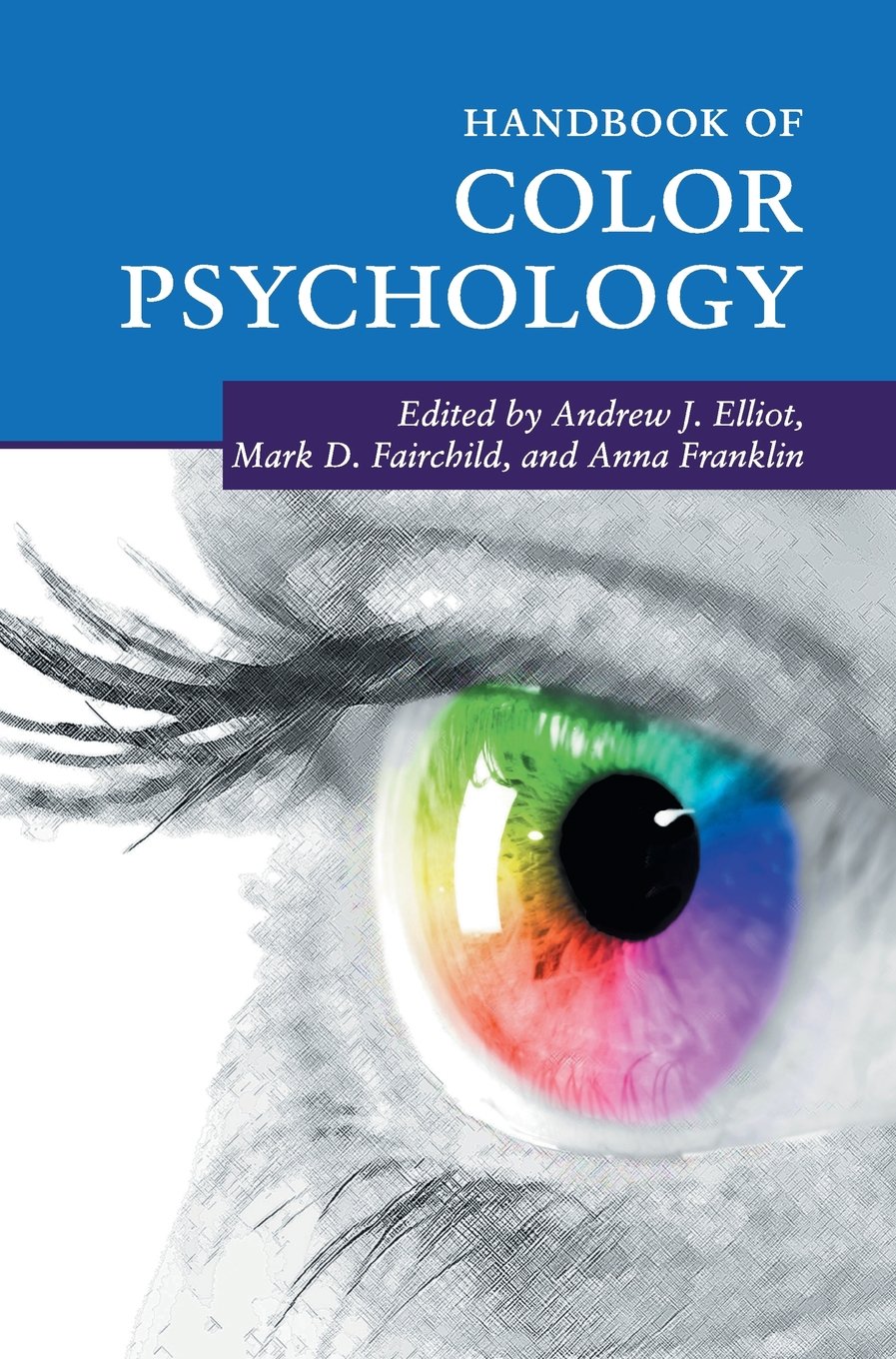
Handbook of Color Psychology by Andrew J. Elliot
Language, Linguistics & Writing
The Language of Postcolonial Literatures (English, Ismail S. Talib)

Language, Linguistics & Writing
The Other Side of Language | by Gemma Corradi Fiumara | Routledge | by Gemma Corradi Fiumara | Routledge | by Gemma Corradi Fiumara | Routledge | by Gemma Corradi Fiumara | Routledge | by Gemma Corradi Fiumara | Routledge | by Gemma Corradi Fiumara | Routledge | by Gemma Corradi Fiumara | Routledge | by Gemma Corradi Fiumara | Routledge | by Gemma Corradi Fiumara | Routledge | by Gemma Corradi Fiumara | Routledge | by Gemma Corradi Fiumara | Routledge | by Gemma Corradi Fiumara | Routledge | by
Language, Linguistics & Writing
An Introduction to Cognitive Linguistics | by Friedrich Ungerer | Hans-Jorg Schmid | Routledge | by Friedrich Ungerer | Hans-Jorg Schmid | Routledge | by Friedrich Ungerer | Hans-Jorg Schmid | Routledge | by Friedrich Ungerer | Hans-Jorg Schmid | Routledge | by Friedrich Ungerer | Hans-Jorg Schmid | Routledge | by Friedrich Ungerer | Hans-Jorg Schmid | Routledge | by Friedrich Ungerer | Hans-Jorg Schmid | Routledge | by Friedrich Ungerer | Hans-Jorg Schmid | Routledge | by Friedrich Ungerer | Ha
Language, Linguistics & Writing