
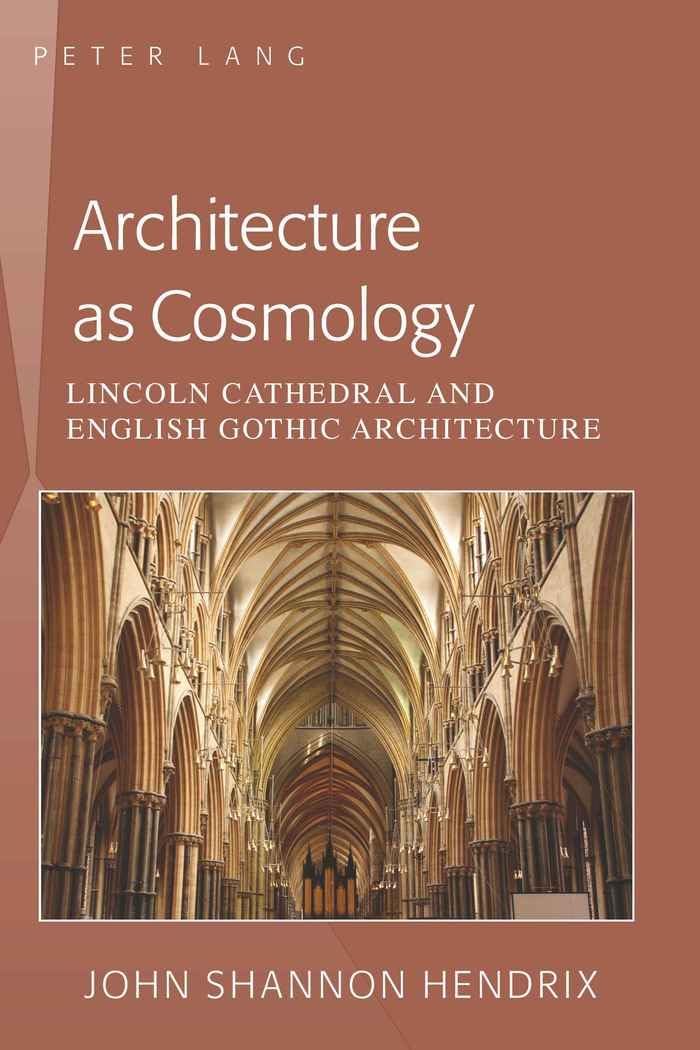
Lincoln Cathedral and English Gothic Architecture: A Study of Medieval Philosophy, Cosmology, and Architectural Form by
Inclusive of all applicable taxes. FREE shipping on all orders.
Available Offers
- 🚚Free Delivery — Free shipping on all orders
- 💵Cash on Delivery — Pay when your order arrives
- ↩️15-Day Easy Returns — Hassle-free return policy
- 🔒Cash on Delivery — Pay safely when your order arrives
Check Delivery
Product Description
Introduction
Dive into the profound architectural and philosophical legacy of one of England's most iconic cathedrals with ERROR:#N/A: Lincoln Cathedral and English Gothic Architecture by John Shannon Hendrix. This meticulously researched hardcover volume, published by Peter Lang Inc., offers a unique exploration of how Lincoln Cathedral’s design embodies medieval cosmology, theology, and philosophy. Perfect for students, scholars, and architecture enthusiasts in India, this book bridges the gap between stone and thought, revealing the cathedral as a living text of medieval culture.
Book Overview
This book examines the origins, development, and enduring influence of Lincoln Cathedral’s architectural forms, which were groundbreaking in their time and shaped the course of English Gothic architecture. Hendrix connects the cathedral’s design to the writings of Robert Grosseteste, the 13th-century Bishop of Lincoln, whose philosophical ideas about light, geometry, and the cosmos directly influenced the building’s structure. The author argues that the cathedral is not merely a religious monument but a physical manifestation of medieval philosophy—a cosmology in stone. Through detailed analysis, the book traces how Lincoln Cathedral’s innovations, such as its ribbed vaults, pointed arches, and soaring towers, set a precedent for Gothic architecture across England and beyond.
Key Highlights
- Original Research: Based on primary sources and architectural analysis, offering fresh insights into the relationship between architecture and medieval thought.
- Interdisciplinary Approach: Combines art history, philosophy, theology, and architectural theory for a holistic understanding.
- Focus on Robert Grosseteste: Explores how the bishop’s scientific and metaphysical ideas—such as his theory of light—shaped the cathedral’s design.
- Influential Legacy: Demonstrates how Lincoln Cathedral influenced later Gothic masterpieces, including Westminster Abbey and Canterbury Cathedral.
- Richly Illustrated: Includes diagrams, floor plans, and photographs that bring the architectural details to life.
Inside the Book
The book is structured to guide readers from the broader historical context to specific architectural features. Early chapters introduce the medieval worldview, focusing on Grosseteste’s cosmology and its impact on ecclesiastical architecture. Subsequent sections analyze Lincoln Cathedral’s nave, choir, transepts, and the famous “Lincolnian” vaulting system, explaining how each element reflects philosophical principles like harmony, proportion, and divine light. Hendrix also discusses the cathedral’s stained glass, sculpture, and spatial organization, showing how every detail was imbued with symbolic meaning. The final chapters trace the cathedral’s influence on later Gothic buildings and its reinterpretation in modern architectural theory.
Key Topics
- English Gothic architecture and its evolution
- Lincoln Cathedral’s structural innovations (e.g., ribbed vaults, flying buttresses)
- Medieval philosophy and cosmology (Robert Grosseteste’s works)
- Symbolism of light, geometry, and number in church design
- Relationship between architecture, theology, and medieval science
- Comparative study of English and French Gothic styles
- Preservation and restoration of Gothic cathedrals
Reader Benefits
- Deepen Your Understanding: Gain a nuanced perspective on how architecture reflects intellectual history.
- Academic Excellence: Ideal for research papers, dissertations, or coursework in architecture, art history, or medieval studies.
- Visual Learning: The book’s illustrations help decode complex architectural concepts.
- Cultural Insight: Explore the medieval mindset that shaped some of the world’s most awe-inspiring buildings.
- Critical Thinking: Challenge conventional interpretations of Gothic architecture through a philosophical lens.
Learning Outcomes
By reading this book, you will be able to: identify key features of English Gothic architecture and their origins; explain how medieval philosophy influenced building design; analyze Lincoln Cathedral’s structure in relation to Grosseteste’s cosmology; compare English and French Gothic traditions; and appreciate the symbolic role of light, geometry, and proportion in sacred spaces. The book also equips you to critically evaluate architectural theory and its historical context.
Who Should Read
- Architecture Students & Professionals: Especially those specializing in Gothic or medieval architecture.
- Art Historians: Seeking interdisciplinary connections between art, philosophy, and religion.
- Philosophy Enthusiasts: Interested in medieval thought and its material manifestations.
- Theology Scholars: Exploring the intersection of faith and built form.
- Travelers & Cathedral Lovers: Anyone planning to visit Lincoln Cathedral or other Gothic sites.
- Indian Readers: Those studying comparative architecture or Western medieval history.
About the Author
John Shannon Hendrix is a renowned architectural historian and professor, known for his work on the philosophical dimensions of architecture. He has taught at institutions such as the Rhode Island School of Design and the University of Cambridge. His research focuses on the relationship between architecture, cosmology, and consciousness, with a particular emphasis on Gothic and Renaissance buildings. Hendrix’s other books include Architecture and Psychoanalysis and Platonic Architectonics, and he is a leading voice in the field of architectural theory.
About the Publisher
Peter Lang Inc., International Academic Publishers is a prestigious academic press based in New York and Bern, specializing in scholarly works in the humanities and social sciences. With a catalog spanning architecture, philosophy, art history, and theology, Peter Lang is committed to publishing rigorous, peer-reviewed research that advances knowledge in specialized fields. Their titles are widely used in universities and research libraries worldwide, making them a trusted source for high-quality academic content.
Conclusion
ERROR:#N/A: Lincoln Cathedral and English Gothic Architecture is an indispensable resource for anyone seeking to understand the profound connections between medieval philosophy and architectural form. John Shannon Hendrix’s masterful analysis transforms Lincoln Cathedral from a static monument into a dynamic dialogue between faith, reason, and art. Whether you are a student, scholar, or curious reader, this hardcover edition will enrich your library and your mind. Order your copy today from Bookshops.in and embark on a journey through the stone scriptures of the Gothic age.
Quick Summary
Lincoln Cathedral and English Gothic Architecture by John Shannon Hendrix is a scholarly work that delves into the architectural significance of Lincoln Cathedral, one of the greatest buildings in the history of architecture. The book examines how the cathedral's forms were unprecedented and highly influential in the development of English Gothic architecture. It emphasizes the relationship between architectural design and medieval philosophy, particularly through the writings of Robert Grosseteste, Bishop of Lincoln. Readers will learn how the cathedral serves as a text of medieval cosmology, theology, and culture. This book is ideal for architecture students, historians, and philosophers in India seeking a deeper understanding of Gothic design. It offers a unique interdisciplinary perspective that bridges art, thought, and faith. By choosing Bookshops.in, customers support a dedicated Indian bookstore that provides high-quality academic titles with reliable service. This hardcover edition is a valuable addition to any serious library, offering insights that resonate with contemporary architectural theory.
Book Highlights
Book Specifications
| ISBN-13 | 9781433113161 |
| ISBN-10 | 1433113163 |
| Publisher | Peter Lang Pub Inc |
| Language | English |
| Dimensions | 14.61 x 1.91 x 21.59 cm |
| Weight | 544 g |
| Category | Region & Countries › Europe |
| Genre | Non-fiction |
| Original Language | English |
Frequently Asked Questions
What is the main focus of this book?
Who is the author of this book?
Is this book suitable for undergraduate students?
Does the book cover other Gothic cathedrals?
What is the role of Robert Grosseteste in this book?
Can Indian students benefit from this book?
Does the book include illustrations?
What language is the book in?
Is this book part of a series?
What is the ISBN?
How does this book differ from other Gothic architecture books?
Where can I buy this book in India?
Readers Also Search For
Related Products
View All
History
The Information Revolution: Transforming the World Through Technology (World History)

History
Human Nature and the French Revolution: From the Enlightenment to the Napoleonic Code: 3 (Polygons: Cultural Diversities and Intersections, 3)
History
The Unmaking of Home in Contemporary Art (Cultural Spaces)

History
Handbook to Life in Medieval and Early Modern Japan | by William E. Deal | Oxford University Press | by William E. Deal | Oxford University Press | by William E. Deal | Oxford University Press | by William E. Deal | Oxford University Press | by William E. Deal | Oxford University Press | by William E. Deal | Oxford University Press | by William E. Deal | Oxford University Press | by William E. Deal | Oxford University Press | by William E. Deal | Oxford University Press | by William E. Deal | Ox

History
The Narrators of Barbarian History (A.D. 550-800) | by Walter Goffart | University of Notre Dame Press | by Walter Goffart | University of Notre Dame Press | by Walter Goffart | University of Notre Dame Press | by Walter Goffart | University of Notre Dame Press | by Walter Goffart | University of Notre Dame Press | by Walter Goffart | University of Notre Dame Press | by Walter Goffart | University of Notre Dame Press | by Walter Goffart | University of Notre Dame Press | by Walter Goffart | Univ

History