
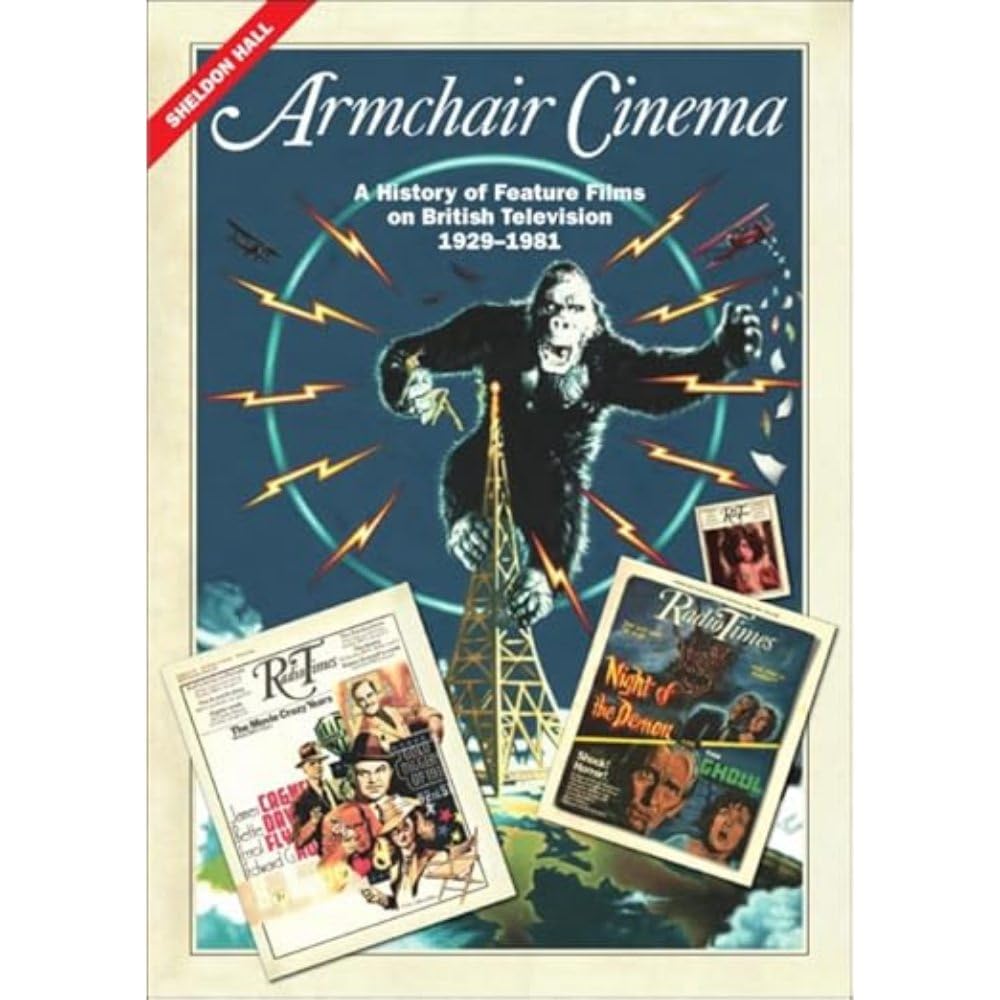
Armchair Cinema: A History of Feature Films on British Television, 1929-1981 by Sheldon Hall – A Comprehensive Study of
Inclusive of all applicable taxes. FREE shipping on all orders.
Available Offers
- 🚚Free Delivery — Free shipping on all orders
- 💵Cash on Delivery — Pay when your order arrives
- ↩️15-Day Easy Returns — Hassle-free return policy
- 🔒Cash on Delivery — Pay safely when your order arrives
Check Delivery
Product Description
Introduction
In an age where streaming platforms dominate our viewing habits, it is easy to forget that the small screen was once the primary gateway to cinematic treasures for millions. Armchair Cinema: A History of Feature Films on British Television, 1929-1981 by Sheldon Hall is a meticulously researched journey into the golden era when television became the unlikely saviour of cinema. For Indian readers who grew up watching classic Hollywood and British films on Doordarshan or cable TV, this book resonates deeply, offering a parallel narrative of how television shaped film consumption.
Book Overview
This hardbound volume from Edinburgh University Press chronicles the turbulent relationship between the film industry and British television from the dawn of broadcasting to the early 1980s. It explores how feature films—originally withheld from TV to protect box-office revenues—gradually became a staple of the small screen. The book covers the early struggles, the landmark truce of the mid-1960s, and the explosion of blockbuster screenings and themed seasons in the 1970s and 1980s. Through detailed analysis, Hall reveals how British television transformed the way audiences experienced cinema, turning movies into communal home events.
Key Highlights
- Comprehensive timeline: Covers fifty-two years of film-on-TV history, from 1929 to 1981.
- Industry insights: Examines the power struggles between Hollywood studios and British broadcasters.
- Cultural impact: Shows how TV seasons like the BBC's 'Film Night' introduced classic cinema to new generations.
- Original research: Draws on archival sources, interviews, and rare programming schedules.
- Indian relevance: Offers a comparative lens for understanding India's own film-to-TV transition.
Inside the Book
The book is structured into thematic chapters that balance chronological progression with analytical depth. Early chapters delve into the experimental broadcasts of the 1930s, when television was a novelty and films were scarce. Middle sections explore the postwar boom, the rise of independent television, and the fierce competition for audiences. Later chapters focus on the 1970s, when Hollywood blockbusters like Jaws and Star Wars became must-see TV events, and the BBC and ITV curated retrospective seasons that educated viewers about film history. Hall also discusses the role of television in preserving and popularising older and foreign films.
Key Topics
- The birth of television broadcasting and early film screenings (1929-1939)
- Postwar expansion and the film industry's resistance to TV
- The 1960s truce and the rise of film-on-TV deals
- Blockbuster television events in the 1970s
- Themed seasons and film education on British TV
- The impact of colour television on film presentation
- Comparison with other national broadcasting systems
Reader Benefits
This book offers Indian film enthusiasts and media students a unique perspective on how television shaped global film culture. It helps readers understand the historical roots of today's streaming habits, the economics of film licensing, and the cultural significance of curated programming. For academics, it provides a rigorous framework for studying media convergence. For casual readers, it is a nostalgic trip into an era when families gathered around the TV to watch a movie—a tradition still alive in many Indian households.
Learning Outcomes
- Understand the historical evolution of film broadcasting in the UK
- Analyse the economic and cultural factors behind film-to-TV transitions
- Recognise the role of television in preserving and popularising cinema
- Draw parallels between British and Indian broadcasting histories
- Gain insights into programming strategies and audience engagement
Who Should Read
Armchair Cinema is ideal for film and media students, television historians, cultural studies scholars, and anyone fascinated by the intersection of cinema and broadcasting. Indian readers who fondly remember Sunday afternoon movies on national television will find this book especially engaging. It is also a valuable resource for journalists, archivists, and programme curators interested in the roots of film-on-TV culture.
About the Author
Sheldon Hall is a respected film historian and academic specialising in the relationship between cinema and television. He has written extensively on British film culture, television programming, and media industries. His research combines archival rigour with accessible storytelling, making complex histories enjoyable for both scholars and general readers.
About the Publisher
Edinburgh University Press is a leading academic publisher known for its distinguished list in film, media, and cultural studies. With a reputation for scholarly excellence, EUP brings authoritative and well-edited works to readers worldwide. This hardcover edition reflects their commitment to quality production and enduring scholarship.
Conclusion
Armchair Cinema: A History of Feature Films on British Television, 1929-1981 is more than a historical account—it is a tribute to the era when television became the armchair cinema for millions. For Indian readers, it offers a fascinating parallel to our own Doordarshan days, where films like Sholay and Mughal-e-Azam became shared national experiences. This book is a must-have for anyone who believes that the magic of cinema is not confined to the big screen, but lives on in the living room. Order your copy today from Bookshops.in and own a piece of television history.
Quick Summary
Armchair Cinema: A History of Feature Films on British Television, 1929-1981 by Sheldon Hall is a landmark academic work that explores the journey of cinema films onto the small screen in the United Kingdom. From the early days of television when the film industry withheld its products, to the eventual truce and explosion of movie programming on BBC, ITV and Channel 4, this book offers a comprehensive narrative. It reveals how blockbuster films became major television events, how themed seasons introduced audiences to classic cinema, and how broadcasting transformed film viewing habits. The book is ideal for film and media students, television historians, and anyone fascinated by the cultural interplay between two dominant entertainment mediums. Readers will gain deep insights into industry politics, programming strategies, and audience reception. Published by Edinburgh University Press, this is a rigorously researched and engagingly written addition to film scholarship. Order your copy from Bookshops.in – India's trusted source for academic and speciality books.
Book Highlights
Book Specifications
| ISBN-13 | 9781399520133 |
| ISBN-10 | 139952013X |
| Publisher | Edinburgh University Press |
| Language | English |
| Dimensions | 18.42 x 3.18 x 24.77 cm |
| Weight | 1 kg 70 g |
| Category | Performing Arts › Film & Television |
| Genre | Non-fiction |
| Reading Age | Adult |
| Original Language | English |
Frequently Asked Questions
What is the main focus of Armchair Cinema?
Who is the author Sheldon Hall?
Is this book suitable for Indian readers?
Does the book cover the role of BBC and ITV?
What time period does the book cover?
Does the book discuss film rights and industry politics?
Are there case studies of specific films?
Can this book help with my film studies dissertation?
What makes this book different from other film history books?
Does the book include illustrations or photographs?
Is the book written in a formal academic style?
How does this book relate to Indian television history?
Where can I buy this book in India?
Readers Also Search For
Customers Also Bought
Art History
The Italian Renaissance in Art
Art History
Photovoltaic Design & Installation For Dummies | by Mayfield | ForDummies | by Mayfield | ForDummies | by Mayfield | ForDummies | by Mayfield | ForDummies | by Mayfield | ForDummies | by Mayfield | ForDummies | by Mayfield | ForDummies | by Mayfield | ForDummies | by Mayfield | ForDummies | by Mayfield | ForDummies | by Mayfield | ForDummies | by Mayfield | ForDummies | by Mayfield | ForDummies | by Mayfield | ForDummies | by Mayfield | ForDummies | by Mayfield | ForDummies | by Mayfield | ForDu
Art History
Designing School Systems for All Students (English, Robert J. Manley | Richard J. Hawkins)
Art History
Routledge Library Editions: Art and Culture in the Nineteenth Century
Art History
An Errant Design (English, S. H. Long)
Art History
Distributed System Design | by Jie Wu | CRC Press | by Jie Wu | CRC Press | by Jie Wu | CRC Press | by Jie Wu | CRC Press | by Jie Wu | CRC Press | by Jie Wu | CRC Press | by Jie Wu | CRC Press | by Jie Wu | CRC Press | by Jie Wu | CRC Press | by Jie Wu | CRC Press | by Jie Wu | CRC Press | by Jie Wu | CRC Press | by Jie Wu | CRC Press | by Jie Wu | CRC Press | by Jie Wu | CRC Press | by Jie Wu | CRC Press | by Jie Wu | CRC Press | by Jie Wu | CRC Press | by Jie Wu | CRC Press | by Jie Wu | CRC
Related Products
View All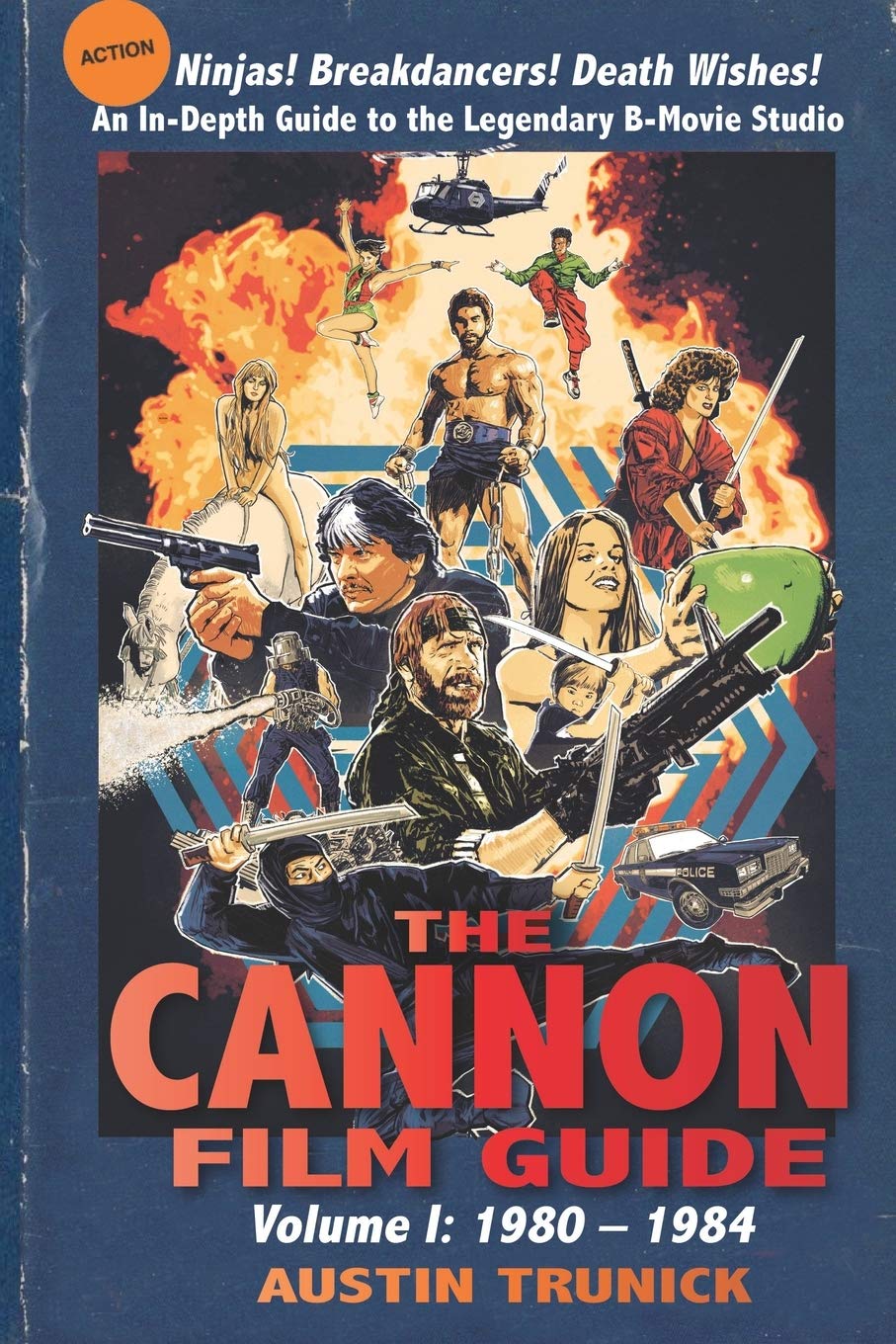
Film & Cinema
The Cannon Film Guide: Volume I, 1980-1984 by Austin Trunick – Cult B-Movie History
Film & Cinema
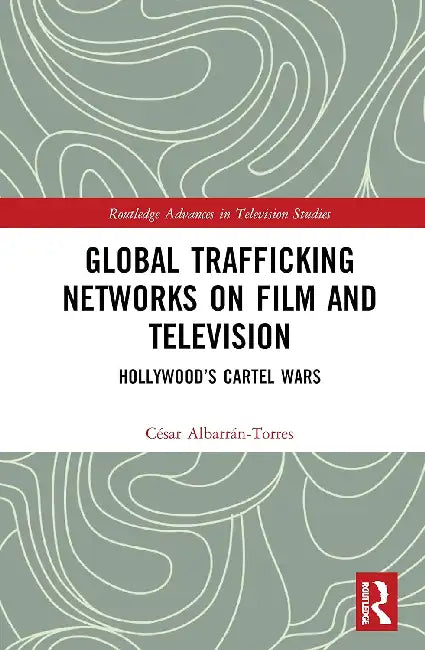
Global Trafficking Networks on Film and Television | by Albarrán-Torres César | Routledge | by Albarrán-Torres César | Routledge | by Albarrán-Torres César | Routledge | by Albarrán-Torres César | Routledge | by Albarrán-Torres César | Routledge | by Albarrán-Torres César | Routledge | by Albarrán-Torres César | Routledge | by Albarrán-Torres César | Routledge | by Albarrán-Torres César | Routledge | by Albarrán-Torres César | Routledge | by Albarrán-Torres César | Routledge | by Albarrán-Torres
Film & Cinema
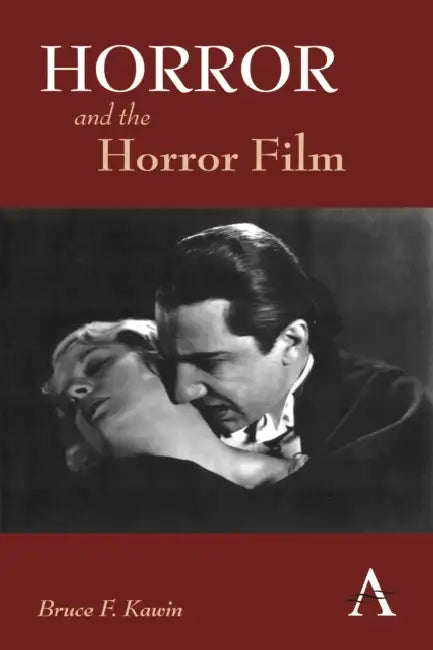
Horror and the Horror Film | by Bruce F. Kawin | Anthem Press | by Bruce F. Kawin | Anthem Press | by Bruce F. Kawin | Anthem Press | by Bruce F. Kawin | Anthem Press | by Bruce F. Kawin | Anthem Press | by Bruce F. Kawin | Anthem Press | by Bruce F. Kawin | Anthem Press | by Bruce F. Kawin | Anthem Press | by Bruce F. Kawin | Anthem Press | by Bruce F. Kawin | Anthem Press | by Bruce F. Kawin | Anthem Press | by Bruce F. Kawin | Anthem Press | by Bruce F. Kawin | Anthem Press | by Bruce F. Kawi
Film & Cinema
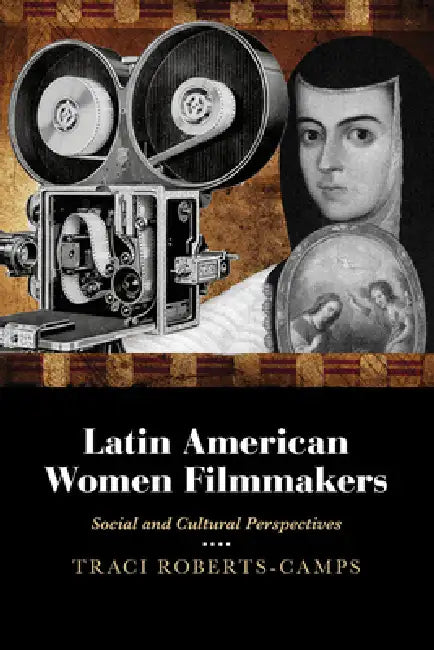
Latin American Women Filmmakers | by Traci Roberts-Camps | Unm Press | by Traci Roberts-Camps | Unm Press | by Traci Roberts-Camps | Unm Press | by Traci Roberts-Camps | Unm Press | by Traci Roberts-Camps | Unm Press | by Traci Roberts-Camps | Unm Press | by Traci Roberts-Camps | Unm Press | by Traci Roberts-Camps | Unm Press | by Traci Roberts-Camps | Unm Press | by Traci Roberts-Camps | Unm Press | by Traci Roberts-Camps | Unm Press | by Traci Roberts-Camps | Unm Press | by Traci Roberts-Camps
Film & Cinema
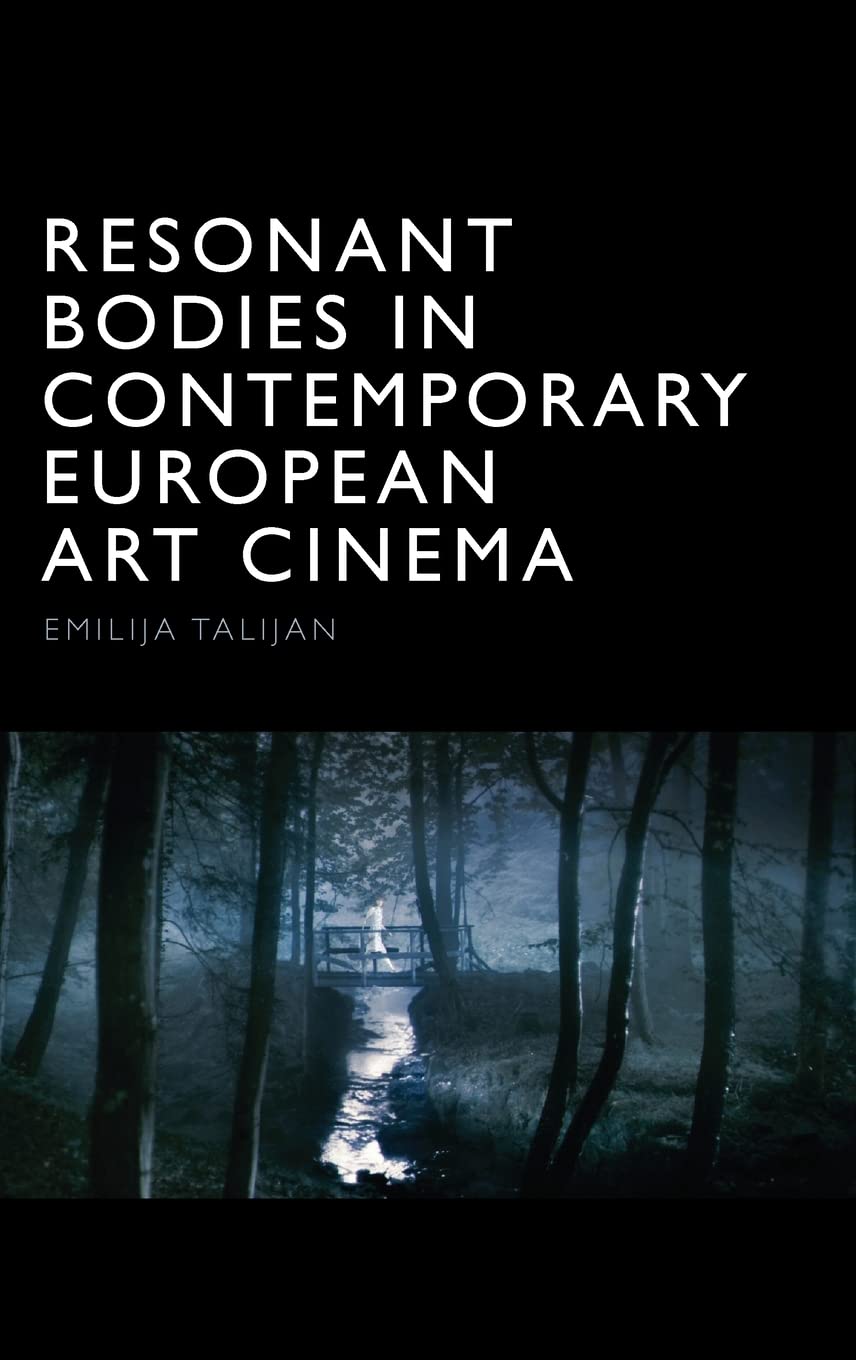
Resonant Bodies in Contemporary European Art Cinema

Film & Cinema