
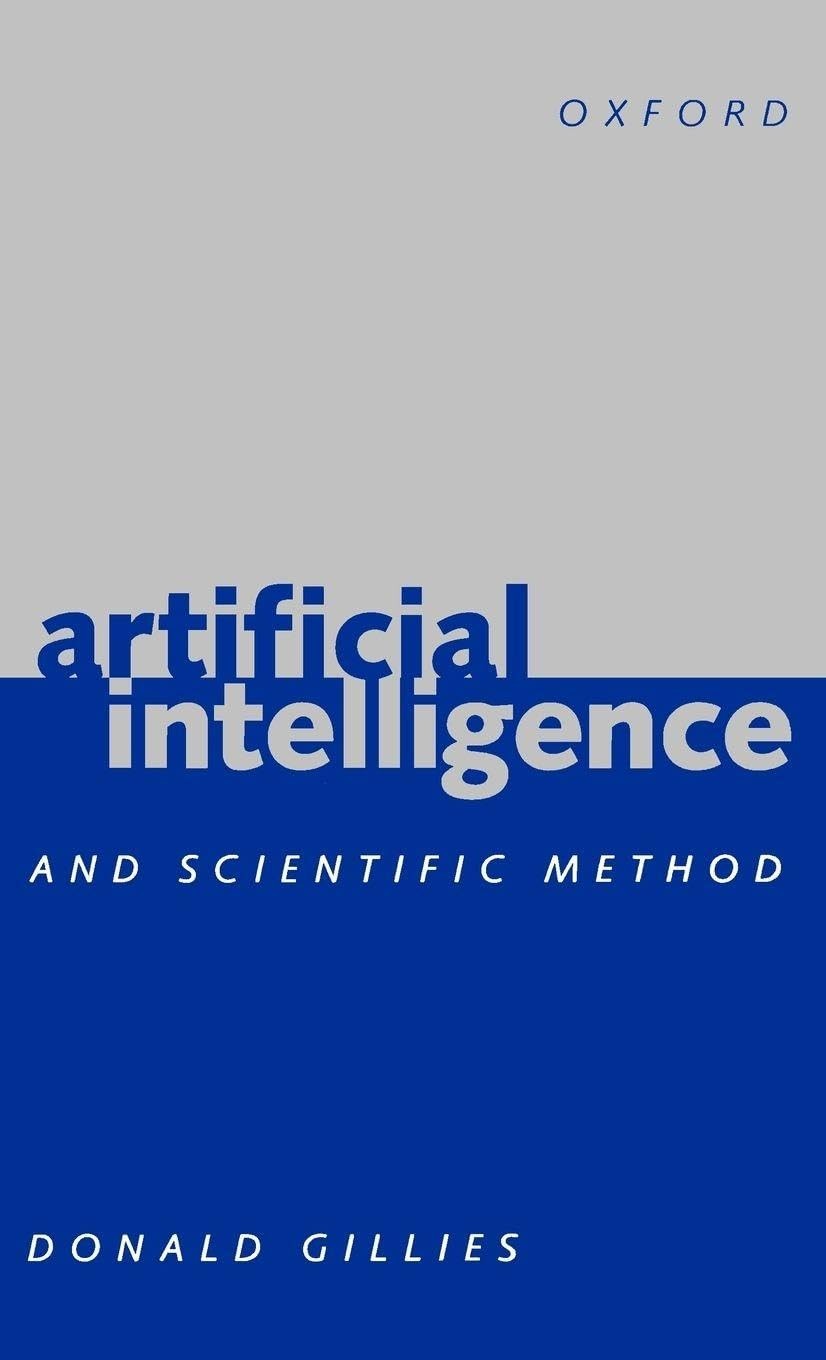
Artificial Intelligence and Scientific Method by Donald Gillies – A Deep Dive into AI, Machine Learning, and the Philoso
Inclusive of all applicable taxes. FREE shipping on all orders.
Available Offers
- 🚚Free Delivery — Free shipping on all orders
- 💵Cash on Delivery — Pay when your order arrives
- ↩️15-Day Easy Returns — Hassle-free return policy
- 🔒Cash on Delivery — Pay safely when your order arrives
Check Delivery
Product Description
Introduction
Artificial Intelligence is no longer just a futuristic concept—it is reshaping how we think, learn, and even conduct scientific research. In Artificial Intelligence and Scientific Method, Donald Gillies offers a thoughtful and accessible exploration of how AI challenges traditional views of scientific inquiry. Written for students, researchers, and curious readers alike, this hardcover edition from OUP Oxford bridges the gap between cutting-edge AI developments and the age-old questions of logic, knowledge, and discovery. Whether you are a philosophy enthusiast or a budding AI professional, this book provides a unique perspective that is both intellectually stimulating and practically relevant for the Indian academic context.
Book Overview
This book takes a non-technical approach to two pivotal areas of AI: machine learning in the Turing tradition and logic programming with its link to non-monotonic logic. Gillies shows how recent advances in these fields force us to rethink the scientific method itself. He draws on the ideas of great thinkers such as Francis Bacon, Kurt Gödel, Karl Popper, Roger Penrose, and John Lucas to examine whether computers could ever surpass human intelligence. The result is a compelling narrative that weaves together history, philosophy, and modern computing in a way that is both rigorous and engaging.
Key Highlights
- Non-technical yet profound: Complex AI concepts are explained without heavy jargon, making them accessible to a wide audience.
- Bridges philosophy and AI: Connects classical philosophical debates with contemporary machine learning and logic programming.
- Thought-provoking questions: Tackles the controversial issue of whether machines can become intellectually superior to humans.
- Authoritative sources: References seminal figures like Bacon, Gödel, Popper, Penrose, and Lucas to ground arguments in established thought.
Inside the Book
The book is structured to guide readers from foundational ideas to advanced implications. Early chapters introduce the Turing tradition and the basics of machine learning, while later sections delve into logic programming and non-monotonic logic. Gillies carefully explains how these AI methods challenge the traditional hypothetico-deductive model of science. The final chapters address the philosophical consequences, including a new framework for studying logic. Each chapter builds on the previous one, ensuring a smooth learning curve for readers new to the subject.
Key Topics
- Machine learning in the Turing tradition
- Logic programming and non-monotonic logic
- The impact of AI on the scientific method
- Gödel's theorems and their relevance to AI
- Popperian falsification versus AI-driven discovery
- The Penrose-Lucas argument against strong AI
- Can computers be more intelligent than humans?
Reader Benefits
By reading this book, you will gain a clear understanding of how AI is transforming the way science is done. You will learn to critically evaluate claims about machine intelligence and appreciate the philosophical underpinnings of modern AI systems. The book also sharpens your analytical skills by presenting multiple perspectives on key debates. Indian students and professionals in computer science, philosophy, or cognitive science will find this work particularly valuable for developing a holistic view of AI's role in knowledge creation.
Learning Outcomes
- Understand the core principles of machine learning and logic programming
- Analyze how AI challenges traditional scientific methods
- Evaluate arguments for and against machine superiority over humans
- Apply insights from Bacon, Gödel, Popper, and others to contemporary AI
- Develop a new perspective on the relationship between logic and discovery
Who Should Read
This book is ideal for undergraduate and postgraduate students in philosophy, computer science, artificial intelligence, and cognitive science. It is also suitable for researchers and academics interested in the philosophy of science or the history of logic. General readers with a curiosity about AI and its implications will find the non-technical style inviting. Indian readers, in particular, will appreciate how the book connects global AI debates to fundamental questions about knowledge and method, which are central to many university curricula in India.
About the Author
Donald Gillies is a distinguished philosopher of science and a professor at University College London. He has written extensively on the philosophy of science, probability, and artificial intelligence. His work is known for its clarity and depth, making complex ideas accessible without sacrificing rigor. Gillies brings decades of academic experience to this book, offering readers a trustworthy guide through the intersection of AI and scientific methodology.
About the Publisher
OUP Oxford (Oxford University Press) is one of the oldest and most respected academic publishers in the world. Known for its commitment to scholarly excellence, OUP produces books that set the standard in fields ranging from philosophy to computer science. This hardcover edition reflects OUP's tradition of high-quality production and editorial precision, ensuring that readers receive a durable and reliable resource for years to come.
Conclusion
Artificial Intelligence and Scientific Method is an essential read for anyone who wants to understand the philosophical revolution brought about by AI. Donald Gillies masterfully combines historical insight with modern technical developments, creating a book that is as enjoyable as it is enlightening. Whether you are a student preparing for exams, a researcher exploring new ideas, or a curious mind seeking clarity, this hardcover volume deserves a place on your shelf. Order your copy from Bookshops.in today and embark on a journey that will change how you think about science, logic, and the future of intelligence.
Quick Summary
Artificial Intelligence and Scientific Method by Donald Gillies is a landmark work that bridges the gap between artificial intelligence and the philosophy of science. Written in a clear, non-technical style, the book examines two key developments in AI: machine learning in the Turing tradition and the rise of logic programming with its connection to non-monotonic logic. Gillies argues that these advances challenge long-held views on scientific method, prompting a rethinking of how we understand reasoning, induction, and falsification. Drawing on seminal thinkers like Francis Bacon, Kurt Gödel, Karl Popper, Roger Penrose, and John Lucas, the book delves into the hotly debated question of whether computers could one day become intellectually superior to humans. This is not just a technical manual but a philosophical journey that invites readers to question assumptions about intelligence and knowledge. Ideal for Indian students, researchers, and anyone curious about AI's deeper implications, this hardcover edition from OUP Oxford is a valuable addition to any academic library. Purchase from Bookshops.in for an authentic copy and prompt delivery.
Book Highlights
Book Specifications
| ISBN-13 | 9780198751588 |
| ISBN-10 | 0198751583 |
| Publisher | Oxford Univ Pr on Demand |
| Language | English |
| Dimensions | 14.61 x 1.56 x 22.38 cm |
| Weight | 340 g |
| Country | India |
| Category | Computer Science › Artificial Intelligence |
| Genre | Non-fiction |
| Original Language | English |
Frequently Asked Questions
What is Artificial Intelligence and Scientific Method about?
Who is the author of this book?
Is this book suitable for beginners?
What topics are covered in the book?
Does the book discuss whether computers can be smarter than humans?
What is the ISBN of this book?
Is this book available in hardcover?
What language is the book in?
Can this book help with AI research?
Is this book relevant for Indian students?
Does the book cover modern AI developments?
Why should I buy from Bookshops.in?
Readers Also Search For
Customers Also Bought
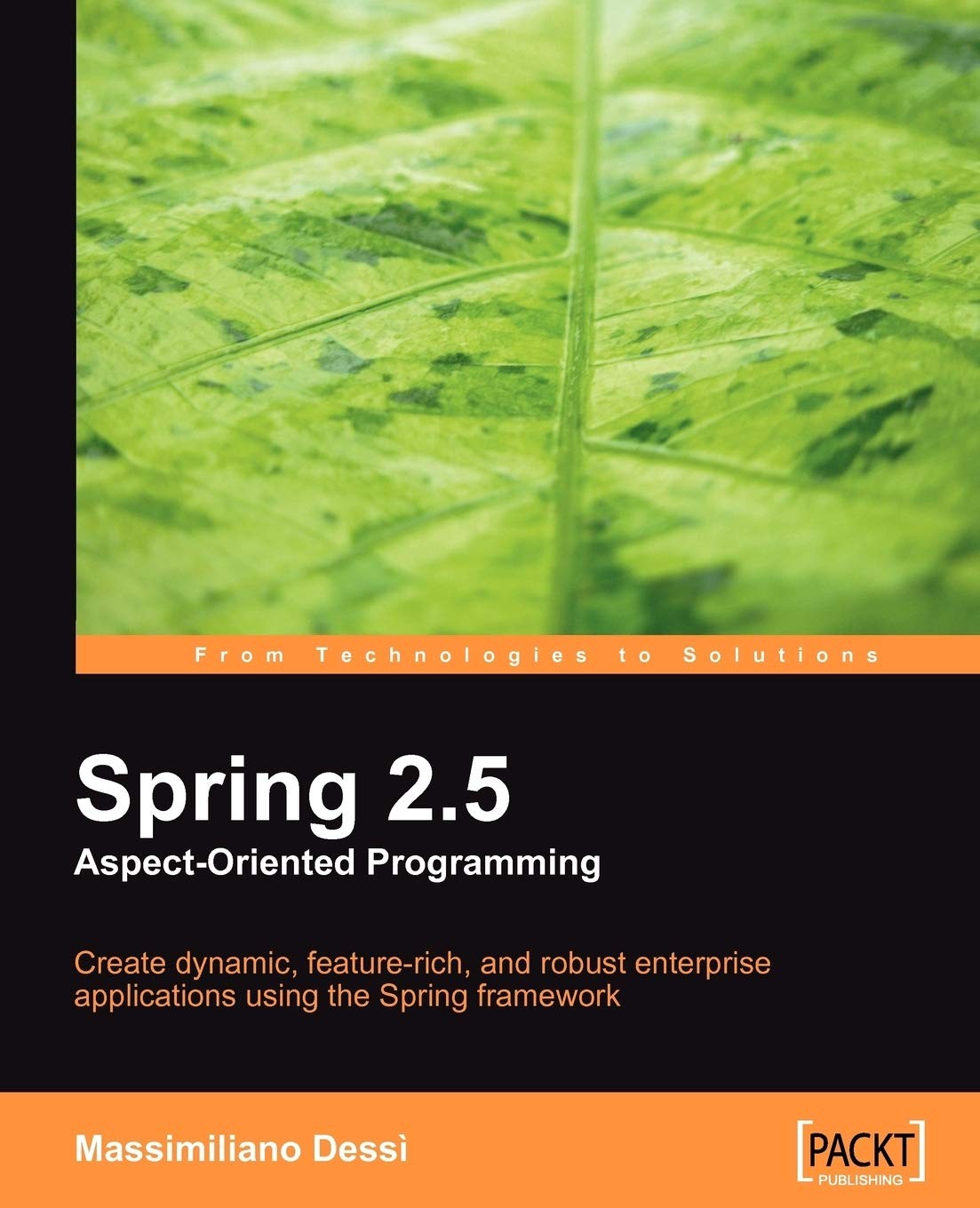
Computer Science
Spring 2.5 Aspect Oriented Programming (English, Massimiliano Dess� | Massimiliano Dessi)
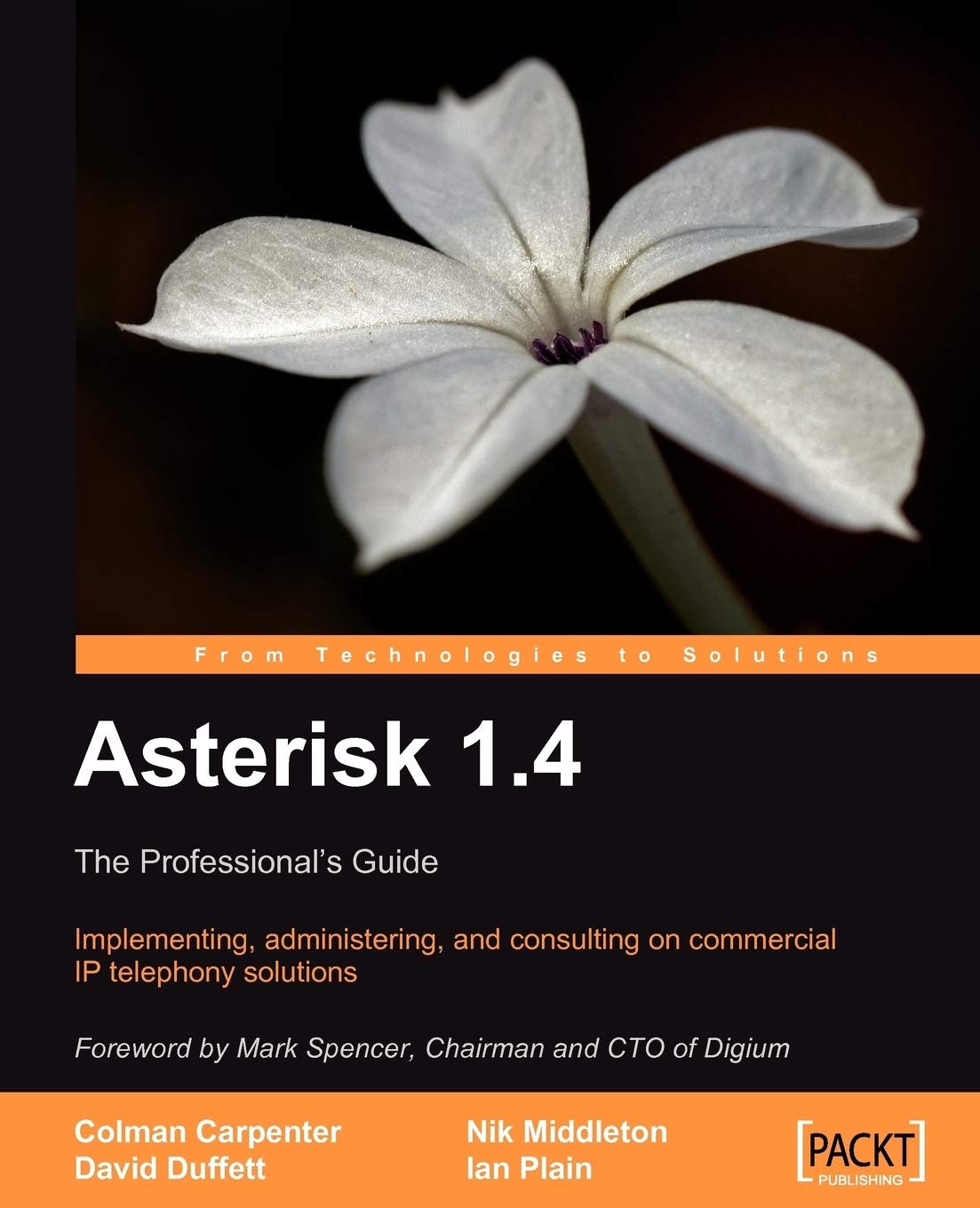
Computer Science
Asterisk 1.4 - the Professional's Guide (English, Colman Carpenter | David Duffett | Nik Middleton)
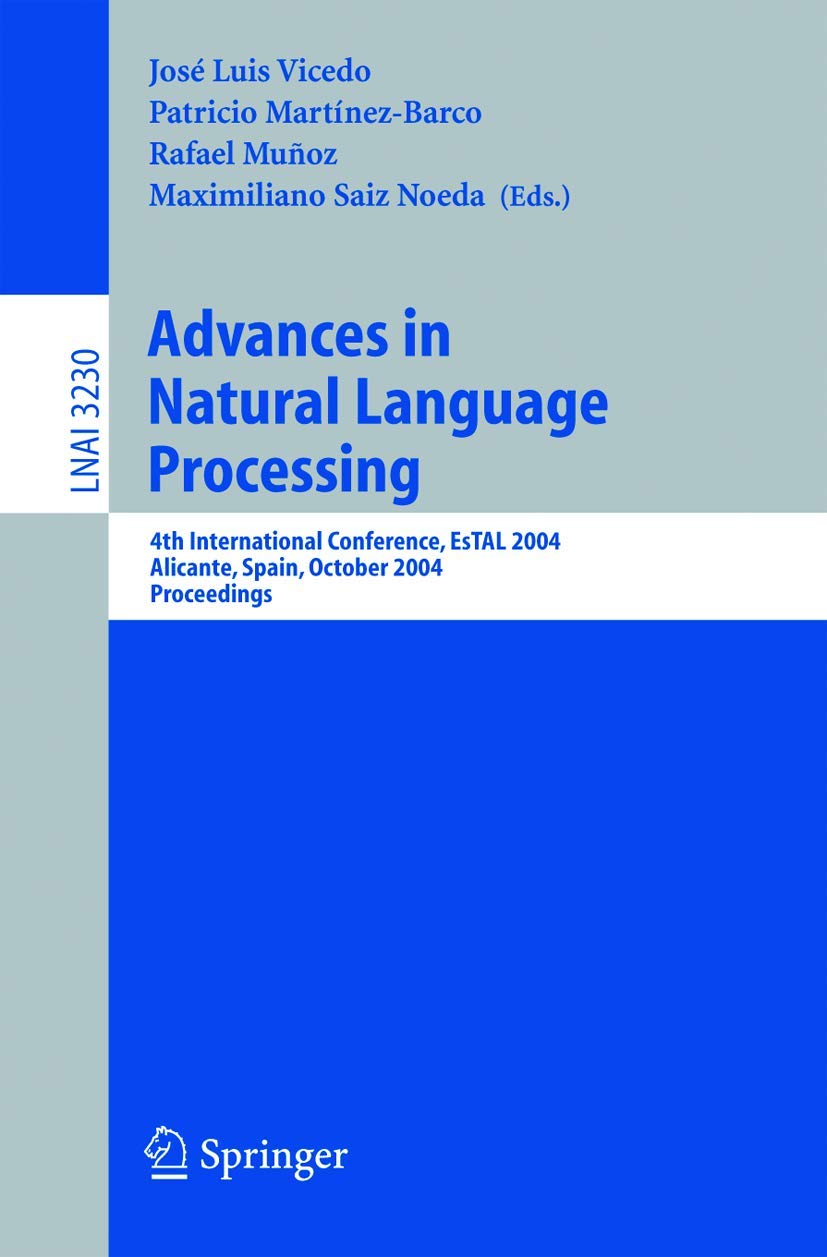
Computer Science
Advances In Natural Language Processing: 4th International Conference, Estal 2004, Alicante, Spain, October 20-22, 2004. Proceedings: 3230 (Lecture Notes in Computer Science)
Computer Science
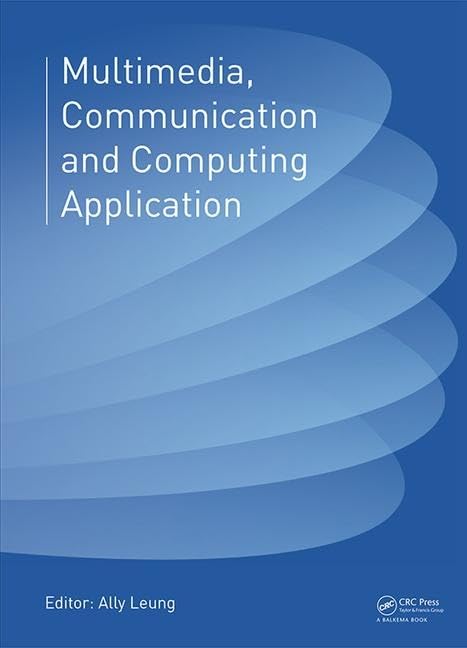
Multimedia, Communication and Computing Application: Proceedings of the 2014 International Conference on Multimedia, Communication and Computing ... 2014), Xiamen, China, October 16-17, 2014
Computer Science
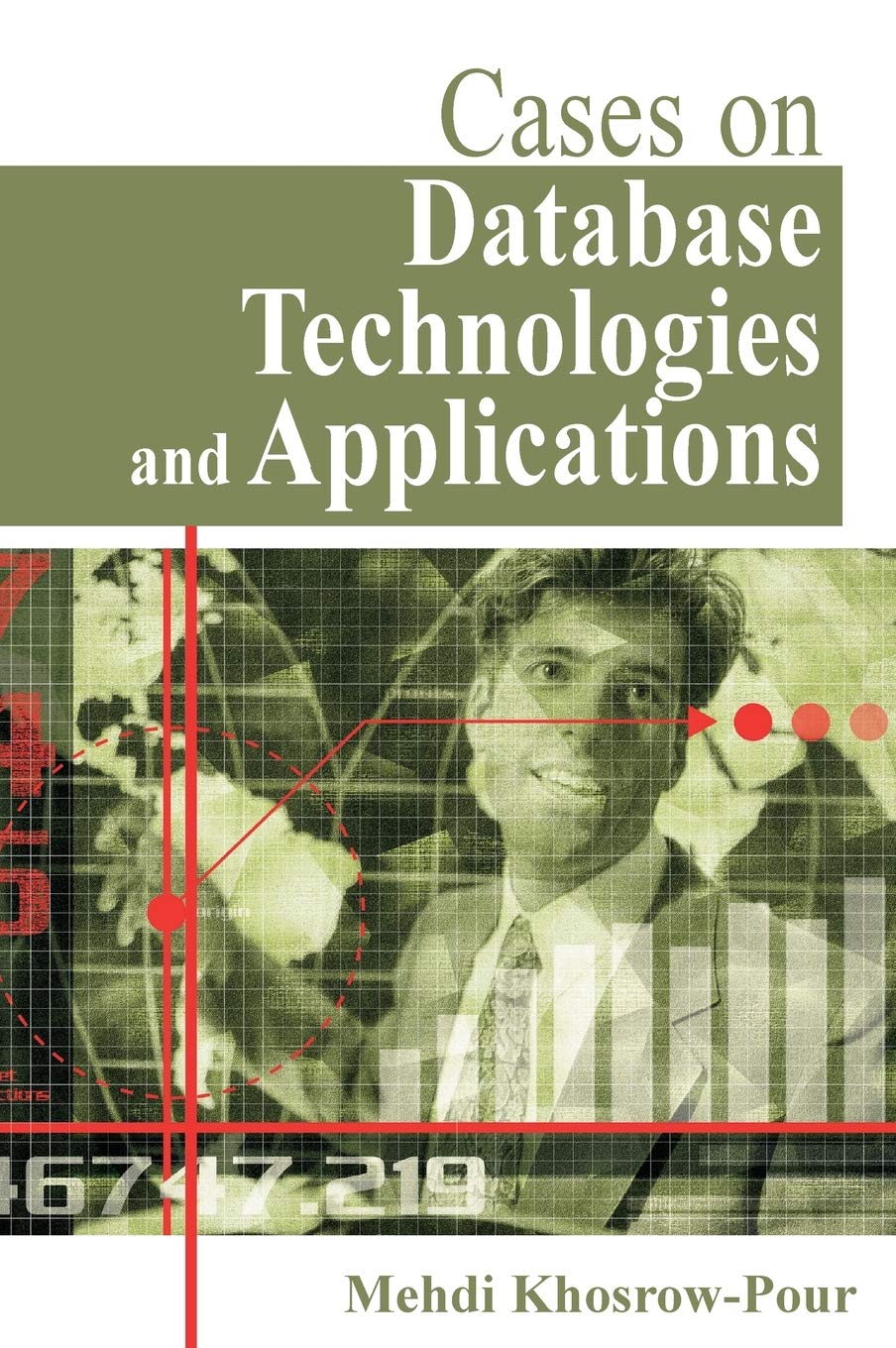
Cases on Database Technologies and Applications (Cases on Information Technology Series)
Computer Science
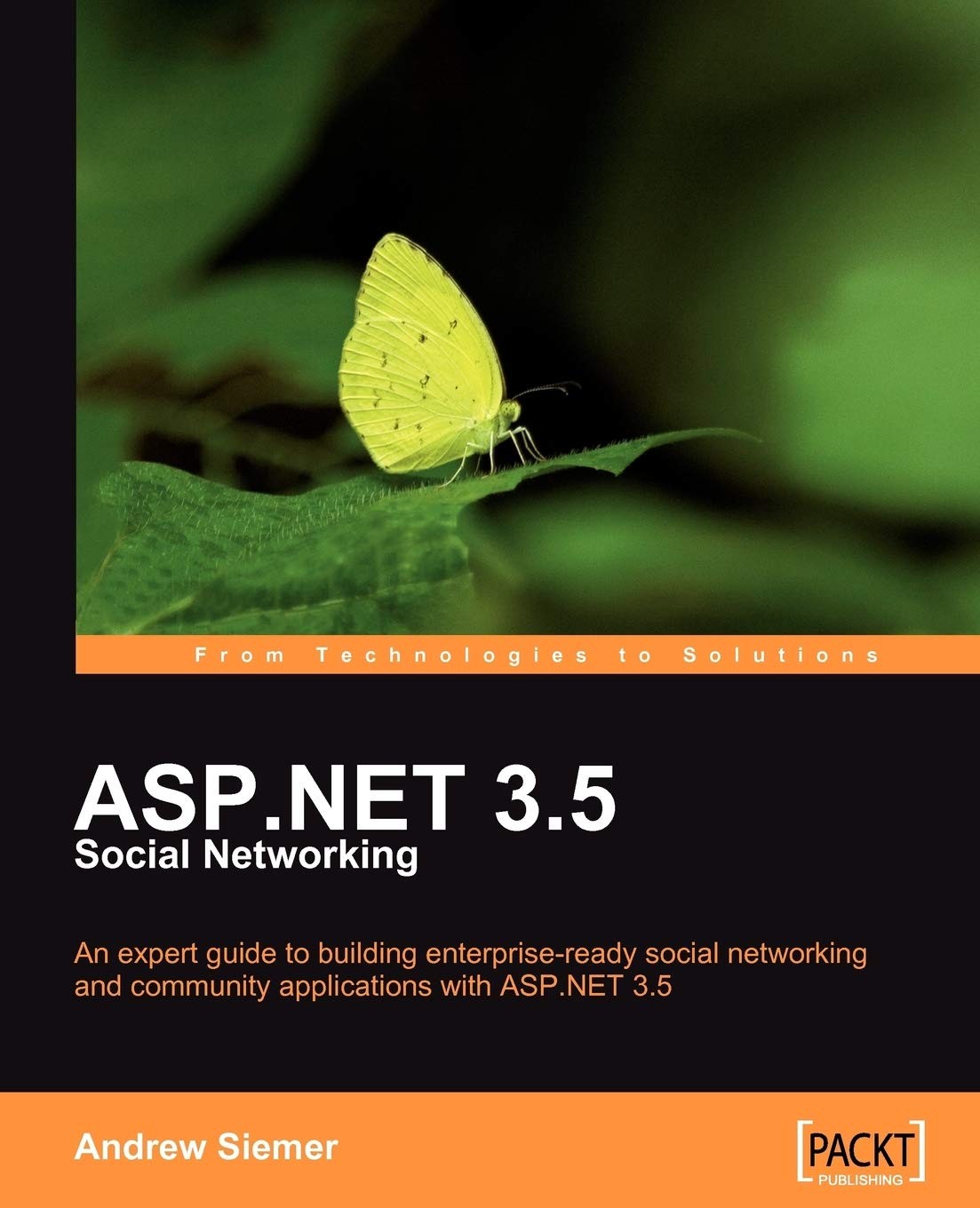
ASP.Net 3.5 Social Networking (English, Andrew Siemer)
Related Products
View AllComputer Science
Spring 2.5 Aspect Oriented Programming (English, Massimiliano Dess� | Massimiliano Dessi)
Computer Science
Asterisk 1.4 - the Professional's Guide (English, Colman Carpenter | David Duffett | Nik Middleton)
Computer Science
Advances In Natural Language Processing: 4th International Conference, Estal 2004, Alicante, Spain, October 20-22, 2004. Proceedings: 3230 (Lecture Notes in Computer Science)
Computer Science
Multimedia, Communication and Computing Application: Proceedings of the 2014 International Conference on Multimedia, Communication and Computing ... 2014), Xiamen, China, October 16-17, 2014
Computer Science
Cases on Database Technologies and Applications (Cases on Information Technology Series)
Computer Science