
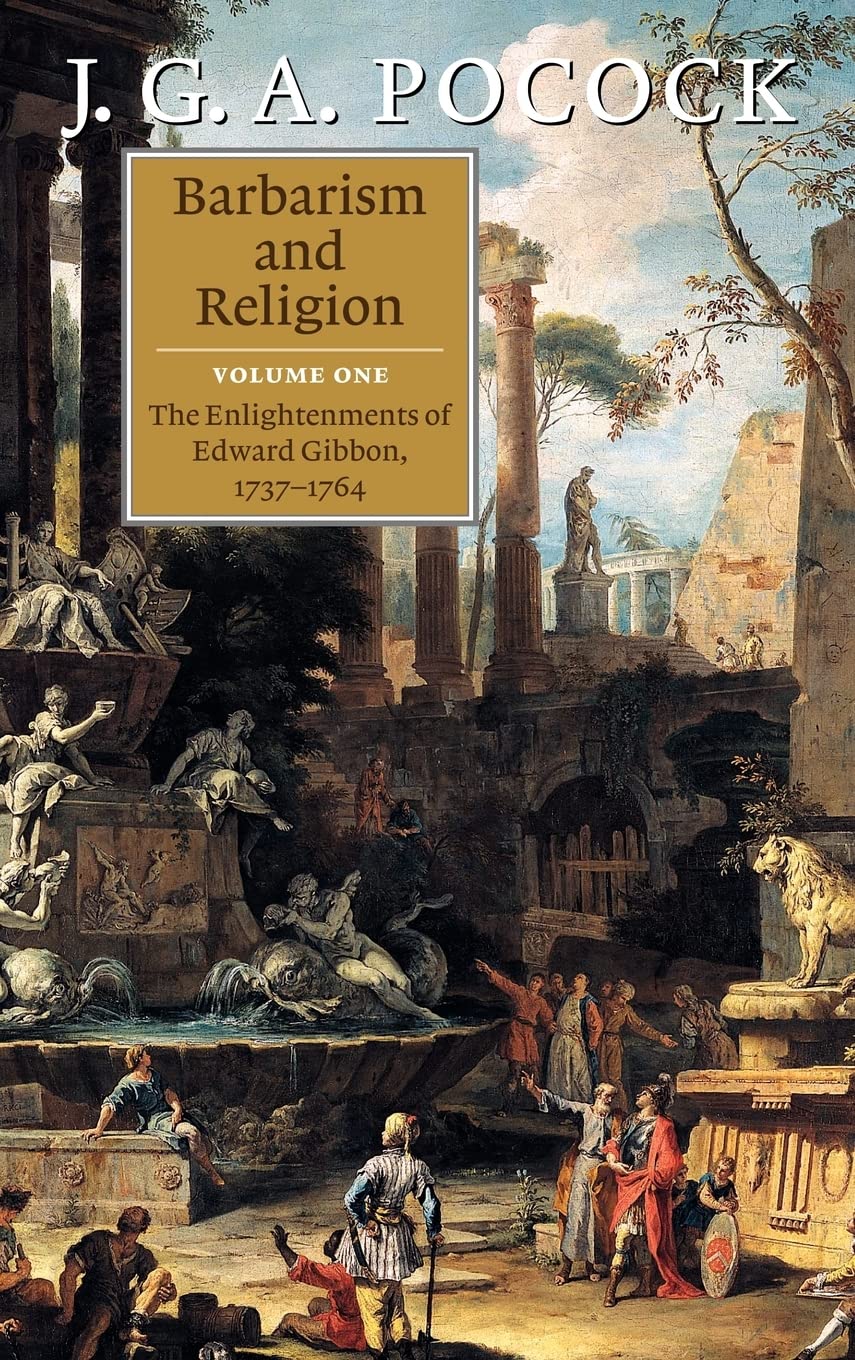
Barbarism and Religion: The Enlightenments of Edward Gibbon, 1737-1764 by J. G. A. Pocock – A Scholarly Exploration of E
Inclusive of all applicable taxes. FREE shipping on all orders.
Available Offers
- 🚚Free Delivery — Free shipping on all orders
- 💵Cash on Delivery — Pay when your order arrives
- ↩️15-Day Easy Returns — Hassle-free return policy
- 🔒Cash on Delivery — Pay safely when your order arrives
Check Delivery
Product Description
Introduction
In the vast landscape of historical scholarship, few works have attempted to dismantle the monolithic idea of the Enlightenment as boldly as J.G.A. Pocock's Barbarism and Religion: The Enlightenments of Edward Gibbon, 1737-1764. This first volume of a monumental series invites readers to journey into the intellectual world of Edward Gibbon, the celebrated author of The Decline and Fall of the Roman Empire. Pocock, one of the most distinguished historians of political thought, argues that there was not one single Enlightenment but many — and that Gibbon's life and work represent a uniquely English and Swiss strand of this transformative period. For students, scholars, and curious readers in India, this book offers a rigorous yet accessible exploration of how history, religion, and philosophy intertwined in the eighteenth century.
Book Overview
This hardcover edition, published by Cambridge University Press, is the first of Pocock's acclaimed sequence. It traces Gibbon's formative years from 1737 to 1764, focusing on his youthful exile in Switzerland, his critical engagement with the French Encyclopédie, and the gradual development of his historical vision. Pocock masterfully situates Gibbon within a web of intellectual currents — from Protestant theology to classical republicanism — showing how these shaped the conception of the Decline and Fall. The book challenges readers to rethink the Enlightenment not as a unified movement of reason but as a series of national and religious contexts, each with its own tensions and contradictions.
Key Highlights
- Original Thesis: Replaces the singular 'Enlightenment' with a plurality of enlightenments, emphasizing the English and Swiss contributions.
- Biographical Depth: Follows Gibbon's personal and intellectual journey from his exile in Lausanne to his return to England.
- Critical Analysis: Examines Gibbon's harsh critiques of the French Encyclopédie and his engagement with radical philosophy.
- Historical Methodology: Demonstrates how Gibbon's religious and political contexts shaped his approach to writing history.
- Interdisciplinary Scope: Bridges history, philosophy, theology, and political theory in a single coherent narrative.
Inside the Book
The volume is divided into carefully structured sections that guide the reader through Gibbon's early life and intellectual formation. Pocock begins with Gibbon's family background and his conversion to Catholicism, which led to his exile in Switzerland. He then delves into Gibbon's education under Swiss Protestant tutors, his encounters with figures like Voltaire and David Hume, and his growing disillusionment with the French philosophes. The book culminates in the moment when Gibbon first conceived the idea of writing the Decline and Fall — a project that would redefine historical writing. Throughout, Pocock weaves in discussions of religion, barbarism, and civil society, showing how these themes were central to Gibbon's worldview.
Key Topics
- The plurality of enlightenments in eighteenth-century Europe
- Edward Gibbon's exile and education in Switzerland
- Gibbon's critique of the French Encyclopédie
- The relationship between religion, history, and philosophy
- The concept of 'barbarism' in Gibbon's historical thought
- Protestant theology and its influence on Enlightenment historiography
- The intellectual origins of The Decline and Fall of the Roman Empire
Reader Benefits
This book offers Indian readers a rare opportunity to engage with a major work of intellectual history that is both challenging and rewarding. It sharpens critical thinking by presenting multiple perspectives on the Enlightenment, encouraging readers to question received narratives. For students of history and political science, it provides a model of how to analyze the interplay between an author's life, his context, and his work. The hardcover edition from Cambridge University Press ensures durability for repeated reference, making it a valuable addition to any personal or institutional library.
Learning Outcomes
- Understand the concept of multiple enlightenments and their regional variations
- Analyze Edward Gibbon's intellectual development in its historical context
- Evaluate the role of religion in shaping Enlightenment thought
- Critically assess the relationship between historiography and philosophy
- Develop skills in interpreting primary and secondary sources from the eighteenth century
Who Should Read
This book is ideal for postgraduate students and researchers in history, political theory, philosophy, and religious studies. It is also highly recommended for undergraduate students seeking a deeper understanding of the Enlightenment beyond standard textbooks. Scholars of European intellectual history will find Pocock's thesis indispensable, while general readers with a strong interest in Gibbon or the eighteenth century will appreciate the clarity and depth of the analysis. Indian readers interested in comparative studies of religion and empire will find valuable parallels and contrasts.
About the Author
John Greville Agard Pocock (1924-2023) was a preeminent historian of political thought, best known for his work on republicanism, the history of historiography, and the Enlightenment. Born in London and raised in New Zealand, he spent most of his career at Johns Hopkins University. His seminal works, including The Machiavellian Moment and the Barbarism and Religion series, have shaped modern understandings of early modern political and intellectual history. Pocock's scholarship is characterized by its meticulous attention to context and its refusal to simplify complex intellectual currents.
About the Publisher
Cambridge University Press, founded in 1534, is one of the oldest and most respected academic publishers in the world. Known for its rigorous editorial standards and commitment to scholarly excellence, the Press publishes works that advance knowledge across disciplines. This hardcover edition reflects the Press's dedication to producing durable, high-quality books that serve the academic community for generations.
Conclusion
Barbarism and Religion: The Enlightenments of Edward Gibbon, 1737-1764 is not merely a book about a historian; it is a profound meditation on how we understand the past itself. J.G.A. Pocock's masterful narrative challenges us to see the Enlightenment as a rich, contested, and plural phenomenon — a lesson as relevant today as it was in Gibbon's time. For anyone in India seeking to deepen their grasp of Western intellectual history, this volume is an essential, thought-provoking, and enduring resource. Order your copy from Bookshops.in today and embark on a journey through the minds that shaped modernity.
Quick Summary
Barbarism and Religion: The Enlightenments of Edward Gibbon, 1737-1764 is the first volume of J. G. A. Pocock's monumental series that reinterprets Edward Gibbon's Decline and Fall of the Roman Empire within the diverse intellectual landscapes of 18th-century Europe. Pocock, a leading historian of political thought, challenges the conventional notion of a single 'Enlightenment' by demonstrating a plurality of enlightenments, with the English tradition as a distinct and influential strand. The book follows Gibbon from his early years and exile in Switzerland, through his critical engagement with the French Encyclopédie, to the moment he conceived his magnum opus. This is a scholarly work for advanced students and researchers in history, historiography, and intellectual history. Readers will gain profound insights into how Gibbon's personal experiences and intellectual debates shaped his historical vision. By purchasing from Bookshops.in, Indian scholars and libraries receive a premium hardcover edition from Cambridge University Press, ensuring a lasting addition to their collection.
Book Highlights
Book Specifications
| ISBN-13 | 9780521633451 |
| ISBN-10 | 0521633451 |
| Publisher | Cambridge University Press |
| Language | English |
| Dimensions | 15.88 x 3.18 x 24.13 cm |
| Weight | 690 g |
| Country | India |
| Category | Political Science › Political History |
| Series | Barbarism and Religion |
| Genre | Non-fiction |
| Reading Age | Adult |
| Translator | None |
| Original Language | English |
Frequently Asked Questions
What is the main argument of Barbarism and Religion?
Is this book part of a series?
Who is J. G. A. Pocock?
What is the focus of this volume?
Is this book suitable for undergraduate students?
Does the book cover Gibbon's entire life?
What is the binding type?
Is this book relevant to Indian students?
What does 'plurality of enlightenments' mean?
Does the book discuss religion?
Can I use this book for a PhD thesis?
Is there a paperback edition?
Where can I buy this book in India?
Readers Also Search For
Customers Also Bought
Philosophy
Latin American Philosophy: Currents, Issues, Debates by Eduardo Mendieta

Philosophy
Al-Farabi's Short Commentary on Aristotle's Prior Analytics by Nicholas Rescher – Philosophy
Philosophy
Poetics of Imagining: Modern to Post-modern by Richard Kearney

Philosophy
The Metaphysics of Extrinsic Properties: 11 (Metaphysical Research, 11)
Philosophy
Dialogues on Metaphysics and on Religion by Nicolas Malebranche – Philosophy
Philosophy
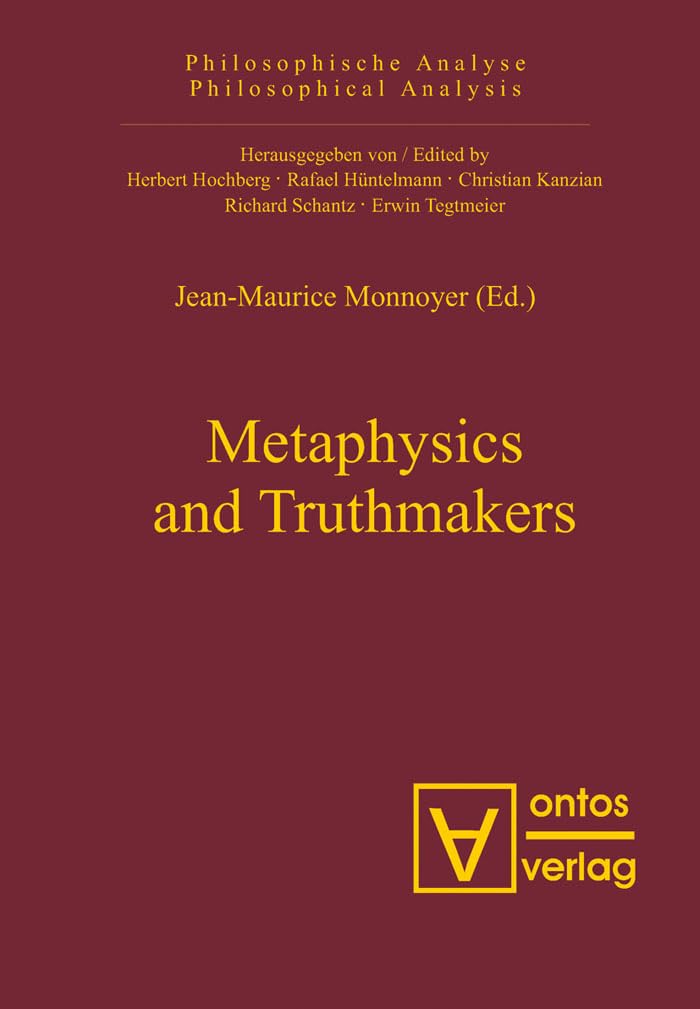
Metaphysics and Truthmakers: 18 (Philosophische Analyse / Philosophical Analysis, 18)
Related Products
View All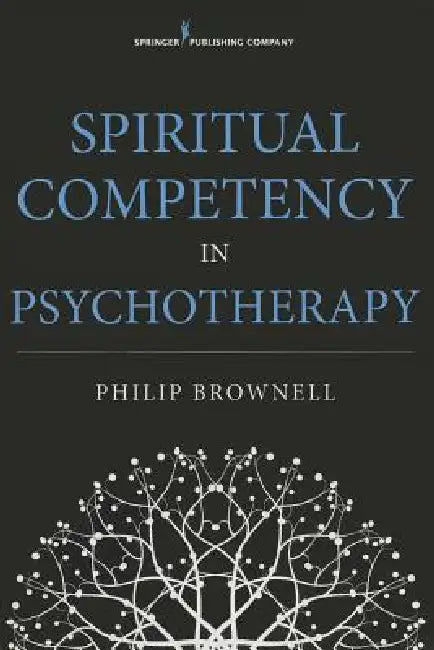
Religion & Spirituality
Spiritual Competency in Psychotherapy | by Philip Brownell | Springer Publishing Company | by Philip Brownell | Springer Publishing Company | by Philip Brownell | Springer Publishing Company | by Philip Brownell | Springer Publishing Company | by Philip Brownell | Springer Publishing Company | by Philip Brownell | Springer Publishing Company | by Philip Brownell | Springer Publishing Company | by Philip Brownell | Springer Publishing Company | by Philip Brownell | Springer Publishing Company | b
Religion & Spirituality
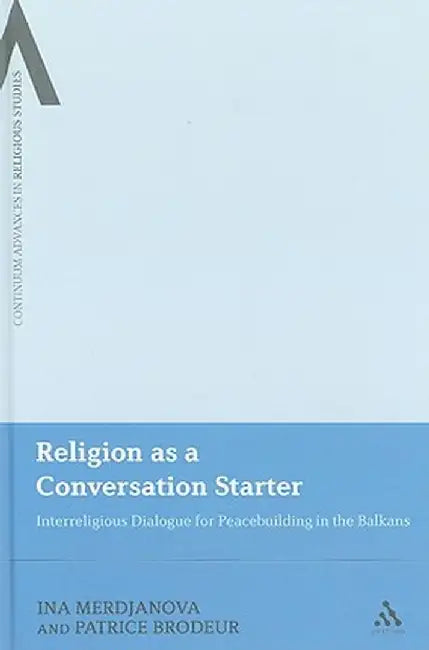
Religion as a Conversation Starter | by Ina Merdjanova | Continuum | by Ina Merdjanova | Continuum | by Ina Merdjanova | Continuum | by Ina Merdjanova | Continuum | by Ina Merdjanova | Continuum | by Ina Merdjanova | Continuum | by Ina Merdjanova | Continuum | by Ina Merdjanova | Continuum | by Ina Merdjanova | Continuum | by Ina Merdjanova | Continuum | by Ina Merdjanova | Continuum | by Ina Merdjanova | Continuum | by Ina Merdjanova | Continuum | by Ina Merdjanova | Continuum | by Ina Merdjano
Religion & Spirituality
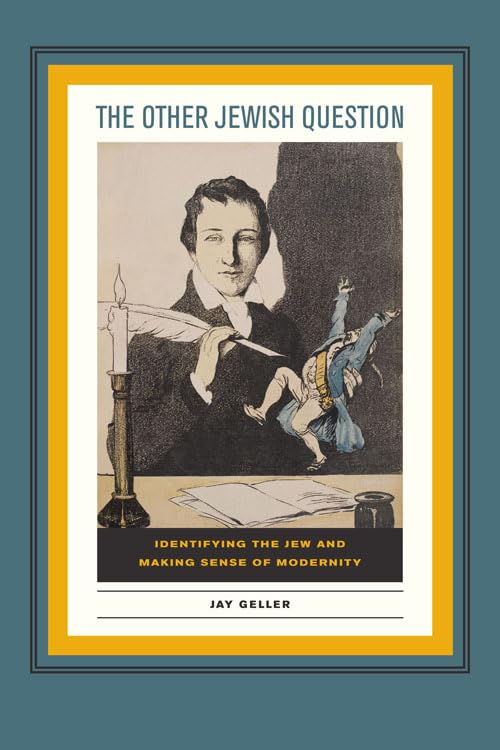
The Other Jewish Question: Identifying the Jew and Making Sense of Modernity
Religion & Spirituality
The Oxford Guide to People & Places of the Bible | by Bruce M. Metzger | Michael D. Coogan | Oxford University Press | by Bruce M. Metzger | Michael D. Coogan | Oxford University Press | by Bruce M. Metzger | Michael D. Coogan | Oxford University Press | by Bruce M. Metzger | Michael D. Coogan | Oxford University Press | by Bruce M. Metzger | Michael D. Coogan | Oxford University Press | by Bruce M. Metzger | Michael D. Coogan | Oxford University Press | by Bruce M. Metzger | Michael D. Coogan |

Religion & Spirituality
Anti-Judaism in Early Christianity | by Stephen G. Wilson | Wilfrid Laurier University Press | by Stephen G. Wilson | Wilfrid Laurier University Press | by Stephen G. Wilson | Wilfrid Laurier University Press | by Stephen G. Wilson | Wilfrid Laurier University Press | by Stephen G. Wilson | Wilfrid Laurier University Press | by Stephen G. Wilson | Wilfrid Laurier University Press | by Stephen G. Wilson | Wilfrid Laurier University Press | by Stephen G. Wilson | Wilfrid Laurier University Press |
Religion & Spirituality