
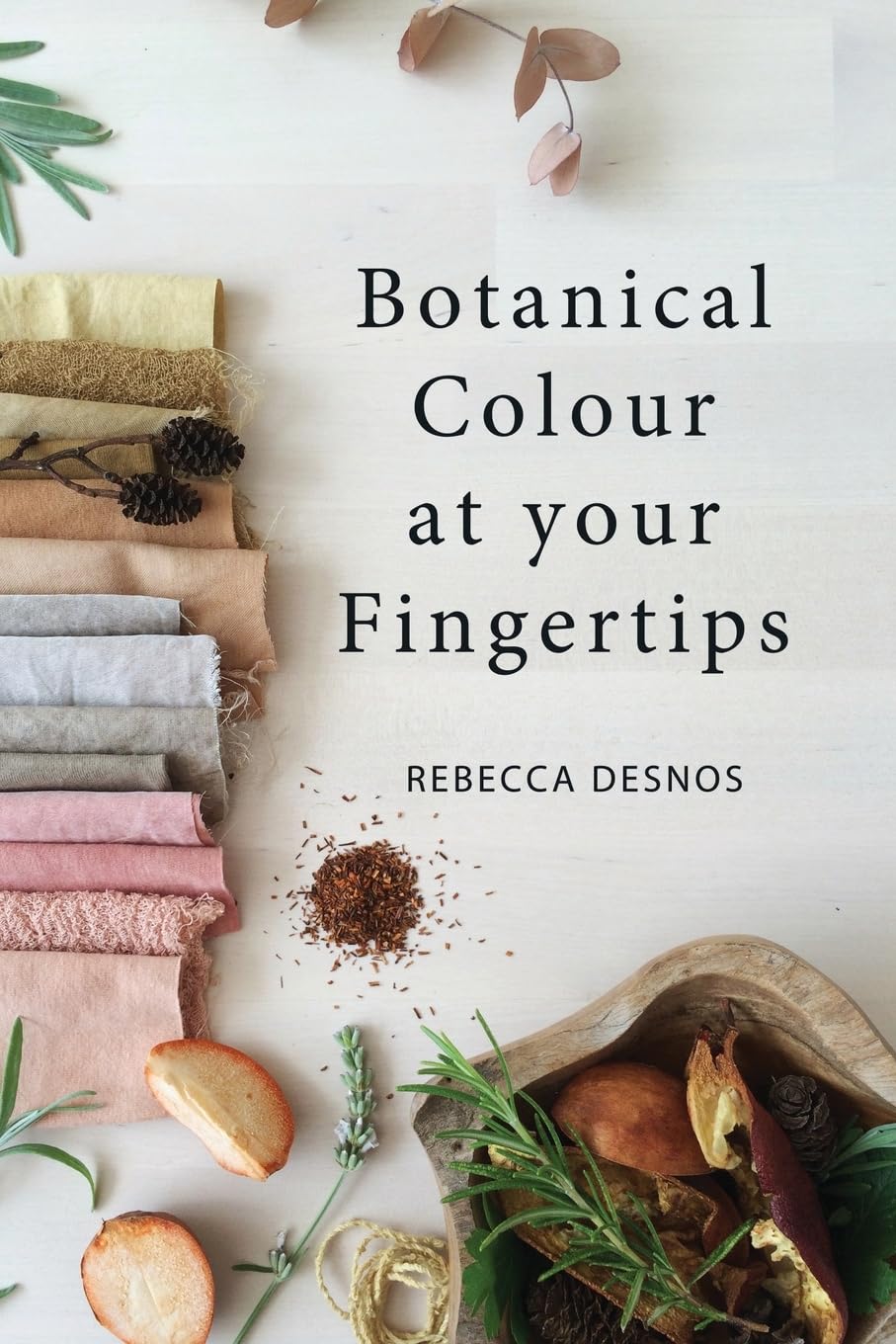
Botanical Colour at Your Fingertips: Natural Plant Dyeing with Soya Milk
Inclusive of all applicable taxes. FREE shipping on all orders.
Available Offers
- 🚚Free Delivery — Free shipping on all orders
- 💵Cash on Delivery — Pay when your order arrives
- ↩️15-Day Easy Returns — Hassle-free return policy
- 🔒Cash on Delivery — Pay safely when your order arrives
Check Delivery
Product Description
Introduction
Imagine pulling a rich, earthy ochre from a handful of marigold petals or a soft blush of pink from the peel of an onion. In a world where synthetic dyes often mask the beauty of natural fibres, Rebecca Desnos invites you to rediscover the ancient art of plant-based colour. Botanical Colour at Your Fingertips is not just a manual—it is a gentle, hands-on guide to turning everyday plants, kitchen scraps, and wild weeds into vibrant, lasting dyes for fabric, yarn, and clothing. Whether you are a curious beginner or a seasoned dyer, this book opens a door to a more sustainable, mindful way of working with colour.
Book Overview
This hardcover volume is a comprehensive, photo-rich companion for anyone who wants to dye natural fibres without harsh chemicals. Rebecca Desnos shares her personal methods, honed through years of practice, for extracting colour from wild plants, garden herbs, kitchen waste, and even supermarket produce. The book focuses on the use of soya milk as a natural binder—a gentle alternative to conventional mordants like alum. Through step-by-step guidance and hundreds of photographs, you will learn how to unlock the hidden colour potential in the world around you, from dandelion roots to avocado pits.
Key Highlights
- Natural Mordanting with Soya Milk: Discover how to pretreat cotton, linen, bamboo viscose, and other cellulose fibres with soya milk to fix colours permanently, without toxic chemicals.
- Plant-to-Colour Recipes: Detailed instructions for dyeing with over 30 plants, including common Indian garden herbs, wildflowers, and kitchen waste like turmeric, pomegranate rinds, and tea leaves.
- Step-by-Step Photography: Every process is illustrated with clear, beautiful photos of dye baths, fabric samples, and finished yarns, making it easy to follow along.
- Focus on Cellulose Fibres: While many natural dye books focus on wool and silk, this book specialises in plant-based fibres—perfect for the Indian textile tradition of cotton and linen.
- Low-Impact, Sustainable Practice: Learn to source dye materials from your own garden, local markets, or even your kitchen bin, reducing waste and chemical use.
Inside the Book
Open the cover and you will find a visual feast: pages brimming with close-up photographs of dye pots bubbling with golden turmeric, indigo leaves steeping in cool water, and skeins of cotton yarn emerging in shades of soft peach, deep rust, and muted green. Each chapter walks you through the entire process—from selecting and harvesting plants to preparing fabric, creating the dye bath, and fixing the colour. Rebecca includes troubleshooting tips, seasonal planting guides, and a detailed section on colour mixing. The book also features a gallery of swatches showing the range of hues you can achieve from a single plant by varying pH, temperature, and mordanting time.
Key Topics
- Identifying and harvesting dye plants in Indian climates
- Preparing cellulose fibres: washing, scouring, and soya milk pretreatment
- Extracting dye from fresh, dried, and frozen plant material
- Modifying colours with iron, vinegar, and pH adjustments
- Dyeing techniques: immersion, bundle dyeing, and solar dyeing
- Caring for naturally dyed fabrics to ensure longevity
- Building a home dye studio with minimal equipment
- Ethical foraging and sustainable harvesting practices
Reader Benefits
By working through this book, you will gain the confidence to create your own palette from nature. You will save money by using kitchen scraps and garden weeds instead of buying synthetic dyes. You will also develop a deeper connection to the natural world, learning to see colour in everyday plants you once overlooked. The soya milk method is gentle on your hands and the environment, making it ideal for home dyers, crafters, and small-scale textile artists. Plus, the book’s clear structure means you can start with a simple project—like dyeing a cotton scarf with onion skins—and gradually build your skills.
Learning Outcomes
- Understand the chemistry of natural dyes and how soya milk binds colour to cellulose fibres
- Identify at least 20 common plants in India that yield reliable, beautiful colours
- Master the steps of scouring, mordanting, and dyeing for long-lasting results
- Create a personal dye journal with swatches and recipes
- Troubleshoot common problems like uneven dyeing or colour fading
- Design your own dye projects, from clothing to home textiles
Who Should Read
This book is for anyone who loves the idea of making colour from scratch. Students of textile design and fashion will find it a practical resource for sustainable practice. Homemakers and hobbyists who enjoy natural living, gardening, or crafting will delight in turning garden waste into beautiful fabric. Artists and crafters already working with plant dyes but wanting to move away from alum will discover a kinder, equally effective alternative. And if you are a teacher or workshop facilitator, the step-by-step format makes it easy to adapt for group learning.
About the Author
Rebecca Desnos is a natural dyer, educator, and writer based in the UK, with a deep passion for reviving traditional dyeing techniques. She has spent years experimenting with plants, fibres, and natural binders, and her work has been featured in textile art exhibitions and sustainable fashion circles. Her approach is warm, patient, and deeply respectful of the environment. Through her workshops and writings, Rebecca encourages people to slow down, observe nature, and create colour with their own two hands.
About the Publisher
This book is published by Rebecca Desnos herself, reflecting her commitment to independent, artisanal publishing. Every detail—from the paper quality to the binding—has been chosen to reflect the values of the content: natural, durable, and beautiful. The self-published format also means the book remains accessible and affordable, free from corporate constraints, and true to the author’s vision.
Conclusion
Botanical Colour at Your Fingertips is more than a how-to guide—it is an invitation to reconnect with the earth and with the ancient craft of colour-making. Whether you are dyeing a single skein of cotton or a whole wardrobe, Rebecca Desnos gives you the tools, the knowledge, and the inspiration to see the rainbow hidden in your own backyard. Pick up this book, gather a few leaves, and let the magic begin.
Quick Summary
Botanical Colour at Your Fingertips by Rebecca Desnos is a comprehensive, visually rich guide that empowers readers to unlock the colour potential of everyday plants. The book teaches how to extract natural dyes from wild plants, garden herbs, kitchen waste, and even supermarket fruits and vegetables, then use soya milk as an eco-friendly mordant to fix those colours onto fabric, yarn, and clothing. Designed for both complete beginners and experienced natural dyers, it offers step-by-step instructions, hundreds of full-colour photographs, and practical tips for sourcing materials responsibly. Readers will learn to create a stunning palette of natural hues without relying on synthetic chemicals, making it ideal for Indian crafters, textile students, and sustainability enthusiasts. What sets this book apart is its focus on the soya milk method, a gentle, non-toxic alternative to traditional mordants like alum. By choosing to buy from Bookshops.in, Indian readers support a local premium bookstore and gain access to a trusted source for quality craft books delivered across the country. Whether you want to upcycle kitchen scraps, forage for wild plants, or simply explore the art of natural dyeing, this book provides all the knowledge you need to start your journey.
Book Highlights
Book Specifications
| ISBN-13 | 9780995556621 |
| ISBN-10 | 0995556628 |
| Publisher | Rebecca Desnos |
| Language | English |
| Dimensions | 15.6 x 0.64 x 23.39 cm |
| Weight | 208 g |
| Country | India |
| Category | Crafts, Hobbies & Home › Handicrafts, Decorative Arts & Crafts |
| Genre | Crafts & Hobbies |
| Original Language | English |
Frequently Asked Questions
What is Botanical Colour at Your Fingertips about?
Who is the author of this book?
Is this book suitable for beginners?
What is the soya milk method mentioned in the book?
Can I find dye materials easily in India?
Does the book cover dyeing both fabric and yarn?
Are there colour photographs in the book?
What types of plants are used for dyeing?
Is this book only for natural dyers or also for textile artists?
Do I need special equipment to start dyeing?
How does this book differ from other natural dyeing books?
Can I achieve bright colours with natural dyes?
Is the book printed in colour?
Does the book include any recipes or formulas?
Where can I buy this book in India?
Readers Also Search For
Related Products
View All
Crafts, Hobbies & Home
Southern Lights: Easier, Lighter, and Better-for-You Recipes from the South by Lauren McDuffie
Crafts, Hobbies & Home
Mold Money: How to Save Thousands of Dollars on Mold Redmediation and Make Sure the Mold is Gone

Crafts, Hobbies & Home
HCG Diet Made Simple

Crafts, Hobbies & Home
World Whiskey (English, DK)
Crafts, Hobbies & Home
Engagements with the World (English, Ron Leifer Ma)
Crafts, Hobbies & Home