
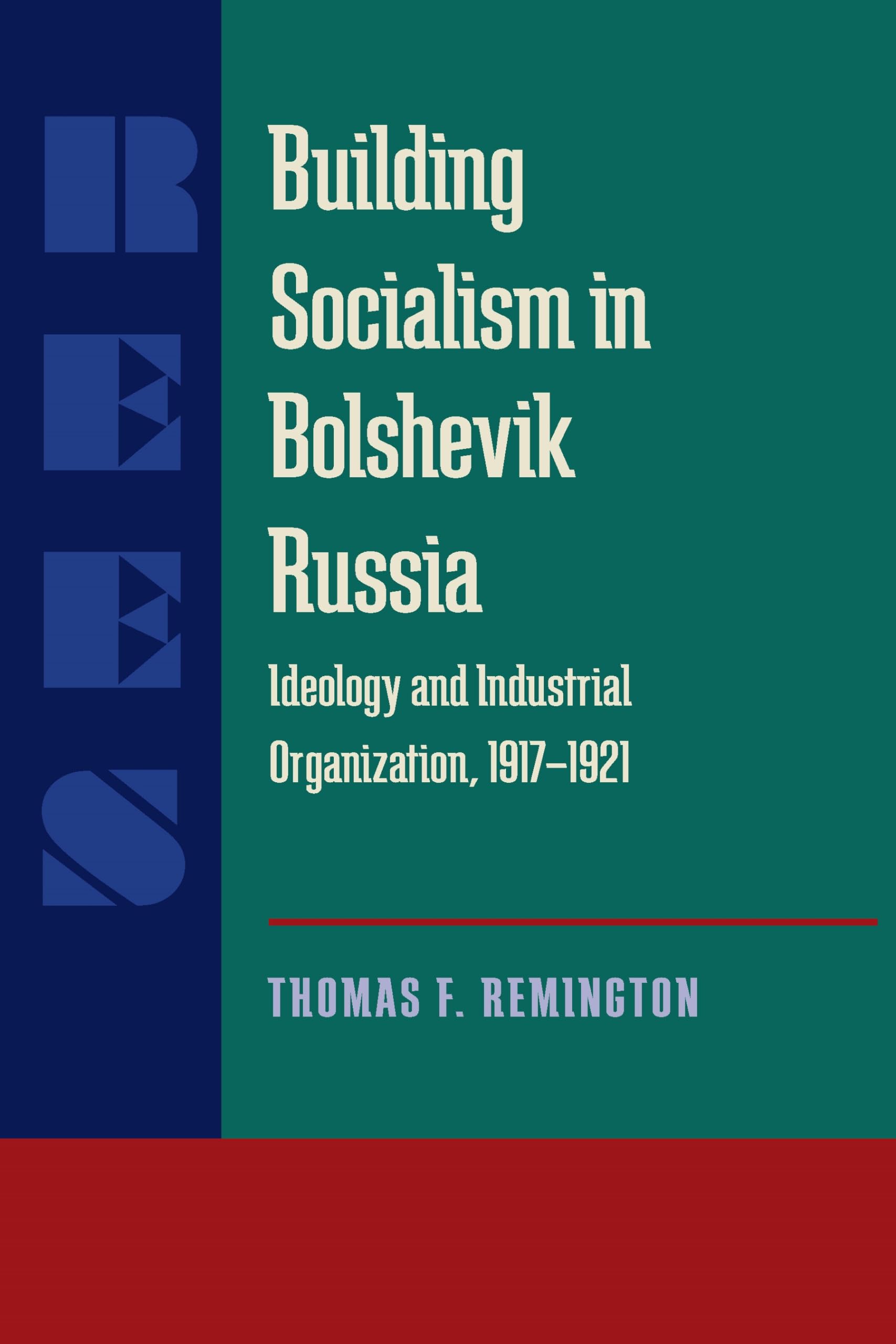
Building Socialism in Bolshevik Russia: Ideology and Industrial Organization, 1917-1921 by Thomas F. Remington – A Deep
Inclusive of all applicable taxes. FREE shipping on all orders.
Available Offers
- 🚚Free Delivery — Free shipping on all orders
- 💵Cash on Delivery — Pay when your order arrives
- ↩️15-Day Easy Returns — Hassle-free return policy
- 🔒Cash on Delivery — Pay safely when your order arrives
Check Delivery
Product Description
Introduction
In the tumultuous years following the October Revolution, the Bolsheviks embarked on an unprecedented experiment to reshape society, economy, and state power. Building Socialism in Bolshevik Russia: Ideology and Industrial Organization, 1917-1921 by Thomas F. Remington offers a penetrating analysis of this foundational period. For Indian readers, students of political science, and historians, this book provides a critical lens through which to understand the ideological fervor and practical challenges of constructing a socialist state from the ground up.
Book Overview
This meticulously researched volume examines the period of War Communism (1918-1921), when the Bolshevik regime attempted to implement a centrally planned and administered economy. Remington argues that this effort was not merely a response to civil war and economic collapse but was deeply shaped by the regime’s ideological commitment to total social transformation. The book explores how the drive for centralized control influenced the relationship between the state and the working class, the character of industrial organization, and the very nature of political power. It is an essential study of how ideology and practical governance collided in the crucible of revolution.
Key Highlights
- Original thesis linking War Communism to the Bolsheviks’ broader ideological project, not just wartime expediency.
- Detailed analysis of industrial organization, including factory committees, trade unions, and state management.
- Examination of the shifting power dynamics between the party, the state, and the proletariat.
- Rigorous scholarship based on primary sources and archival materials from the early Soviet period.
Inside the Book
The narrative moves chronologically and thematically, beginning with the Bolsheviks’ theoretical debates on socialism and industrial management. It then traces the implementation of centralized control over production, the nationalization of industries, and the creation of a command economy. Remington pays close attention to the human dimension—how workers, managers, and party officials navigated the new system. The book concludes with the crisis of War Communism and the transition to the New Economic Policy, offering a sobering assessment of the costs and contradictions of building socialism under extreme conditions.
Key Topics
- War Communism as an ideological and practical system.
- Central planning and its impact on industrial output and labor.
- State-worker relations and the erosion of proletarian democracy.
- Role of the Communist Party in economic decision-making.
- Ideological debates among Bolshevik leaders on economic organization.
- Legacy of War Communism for later Soviet development.
Reader Benefits
This book offers more than historical facts; it provides a conceptual framework for understanding how revolutionary ideologies are translated into institutional realities. Readers will gain insight into the tensions between democratic participation and bureaucratic control, the challenges of economic transformation in a war-torn society, and the enduring questions about the relationship between state power and social justice. For Indian students, the parallels with debates on state-led development and planning are particularly thought-provoking.
Learning Outcomes
- Understand the ideological roots of War Communism and its divergence from Marxist theory.
- Analyze the mechanisms of industrial organization under Bolshevik rule.
- Evaluate the impact of centralized planning on workers’ rights and living standards.
- Critically assess the relationship between revolutionary ideology and practical governance.
- Compare the Soviet experience with other models of state-led industrialization.
Who Should Read
This book is ideal for advanced undergraduate and postgraduate students of history, political science, and Russian studies. It is also highly valuable for researchers focusing on comparative revolutions, socialist economies, and the history of the Soviet Union. Readers with an interest in the interplay of ideology and institutional design will find it deeply rewarding. The scholarly yet accessible style makes it suitable for informed general readers eager to explore a pivotal moment in modern history.
About the Author
Thomas F. Remington is a distinguished political scientist and professor emeritus at Emory University. He is a leading authority on Russian and post-Soviet politics, with numerous publications on legislative institutions, political parties, and economic reform. His work combines rigorous historical analysis with contemporary political theory, offering valuable perspectives on the evolution of state power in Russia.
About the Publisher
The University of Pittsburgh Press is a respected academic publisher known for its contributions to Slavic studies, political science, and history. Their titles are recognized for scholarly excellence and are widely used in university curricula across the world. This hardcover edition is built to last, making it a worthy addition to any serious library.
Conclusion
Building Socialism in Bolshevik Russia: Ideology and Industrial Organization, 1917-1921 is a masterful work that illuminates a critical chapter in the history of socialism. Remington’s nuanced analysis helps readers move beyond simplistic narratives, revealing the complexities and contradictions inherent in the Bolshevik project. For anyone seeking a deeper understanding of how ideology shapes institutions—and how institutions, in turn, reshape ideology—this book is an indispensable resource.
Quick Summary
Building Socialism in Bolshevik Russia: Ideology and Industrial Organization, 1917-1921 by Thomas F. Remington is a rigorous academic work that dissects the Bolshevik experiment known as War Communism. Instead of viewing it merely as a response to civil war, Remington argues that it was a deliberate ideological project aimed at social transformation and political centralization. The book examines how the drive for a centrally planned economy shaped the regime's ideology, its fraught relations with the working class, and the nature of state power. Drawing on extensive primary sources, it offers a nuanced understanding of the interplay between theory and practice in the early Soviet state. This book is ideal for graduate students, researchers, and history enthusiasts interested in the Russian Revolution, comparative economic systems, and Marxist politics. By purchasing from Bookshops.in, Indian readers gain access to a high-quality hardcover edition from a trusted local bookstore, ensuring prompt delivery and authentic copies. Remington's analysis remains essential for anyone seeking to understand the origins of Soviet economic planning and its lasting legacy.
Book Highlights
Book Specifications
| ISBN-13 | 9780822985624 |
| ISBN-10 | 0822985624 |
| Publisher | Univ of Pittsburgh Pr |
| Language | English |
| Dimensions | 15.24 x 1.52 x 22.86 cm |
| Weight | 340 g |
| Category | Economics › Development & Growth |
| Genre | Nonfiction |
| Reading Age | Adult |
| Original Language | English |
Frequently Asked Questions
What is the main focus of this book?
Who is Thomas F. Remington?
Is this book suitable for undergraduate students?
What period does the book cover?
Does the book discuss Lenin's role?
What is War Communism?
How is this book different from other histories?
Is the book based on primary sources?
What is the publisher?
Does the book cover the working class?
Can this book help in understanding modern Russia?
Is the book hardcover?
What is the ISBN?
Is it available in India?
What language is the book in?
Readers Also Search For
Customers Also Bought
Entrepreneurship
Chinese Economic Revolution (English, Linda Grove)
Entrepreneurship
Engines of Innovation: The Entrepreneurial University in the Twenty-First Century by Holden Thorp
Entrepreneurship
Invention to Innovation (English, PhD Marshall Larry | Jenna Daroczy)
Entrepreneurship
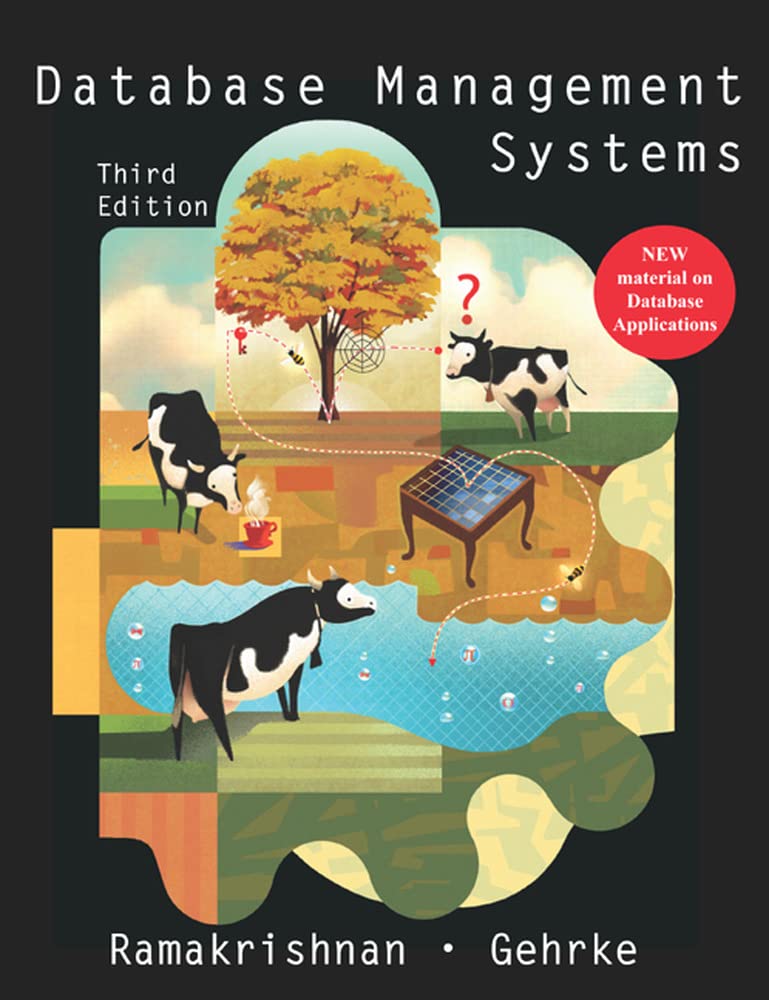
Database Management Systems by Raghu Ramakrishnan – DBMS Textbook

Entrepreneurship
Decision-making for Technology Executives by Harold A. Linstone
Entrepreneurship
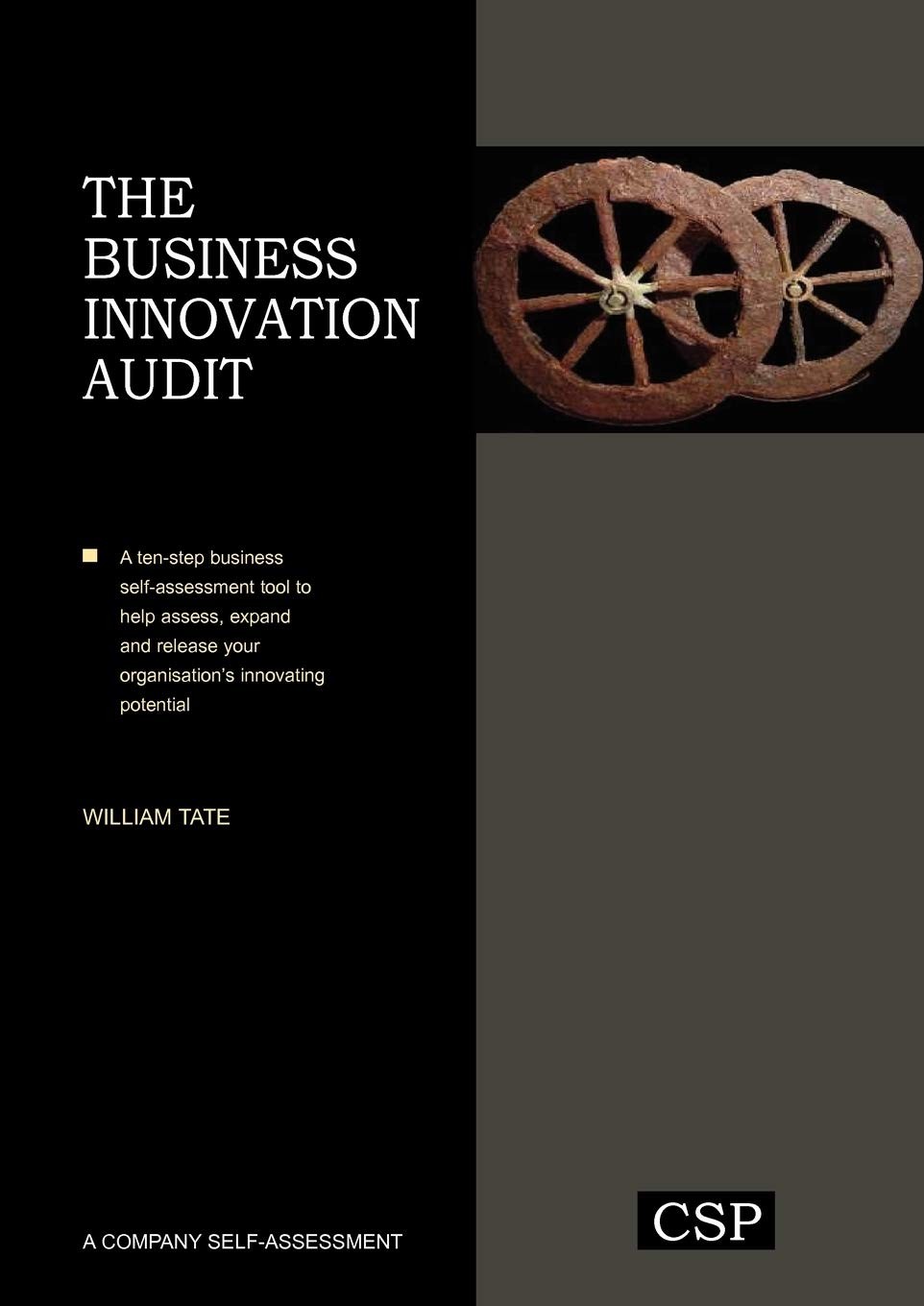
The Business Innovation Audit (English, William Tate)
Related Products
View All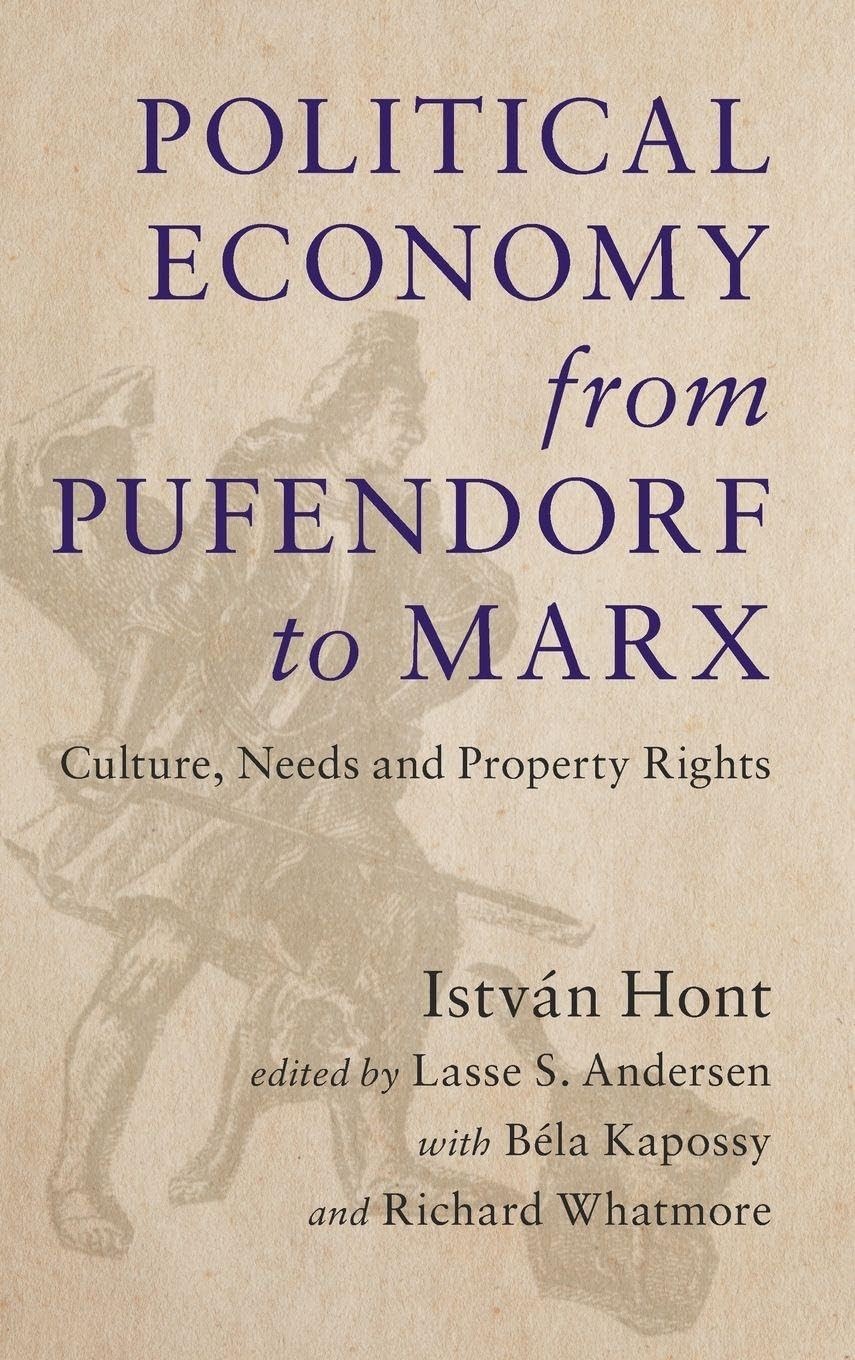
Economics
Political Economy from Pufendorf to Marx (English, István Hont | Lasse S. Andersen | Béla Kapossy)
Economics
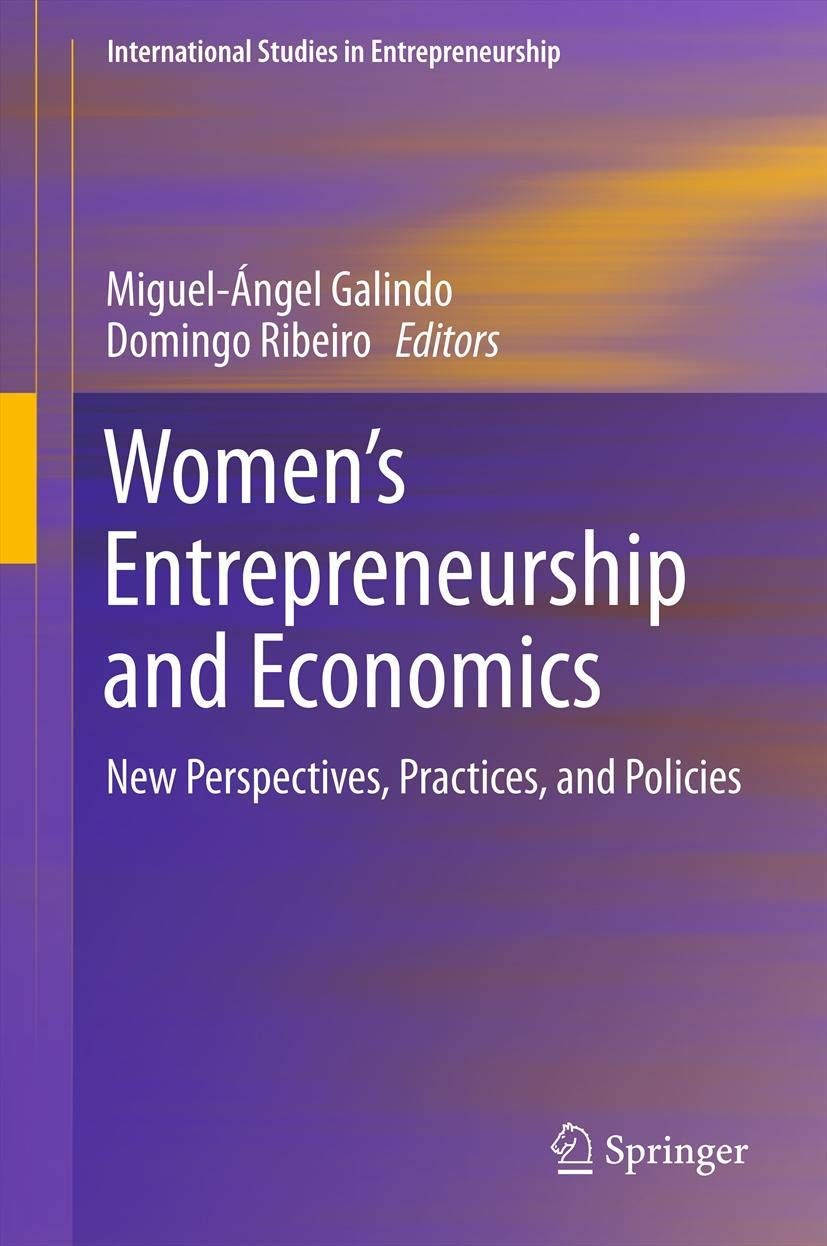
Women's Entrepreneurship and Economics (English, Miguel-Angel Galindo | Domingo Ribeiro)
Economics
Trade Policy and Industrialization in Turbulent Times | by Gerry Helleiner | Routledge | by Gerry Helleiner | Routledge | by Gerry Helleiner | Routledge | by Gerry Helleiner | Routledge | by Gerry Helleiner | Routledge | by Gerry Helleiner | Routledge | by Gerry Helleiner | Routledge | by Gerry Helleiner | Routledge | by Gerry Helleiner | Routledge | by Gerry Helleiner | Routledge | by Gerry Helleiner | Routledge | by Gerry Helleiner | Routledge | by Gerry Helleiner | Routledge | by Gerry Hellei
Economics
History of Economic Analysis | by Schumpeter Joseph A. | Taylor & Francis Ltd | by Schumpeter Joseph A. | Taylor & Francis Ltd | by Schumpeter Joseph A. | Taylor & Francis Ltd | by Schumpeter Joseph A. | Taylor & Francis Ltd | by Schumpeter Joseph A. | Taylor & Francis Ltd | by Schumpeter Joseph A. | Taylor & Francis Ltd | by Schumpeter Joseph A. | Taylor & Francis Ltd | by Schumpeter Joseph A. | Taylor & Francis Ltd | by Schumpeter Joseph A. | Taylor & Franci
Economics
OECD Compendium of Productivity Indicators 2015 | by Organization for Economic Cooperation an | Organization for Economic Co-Operation & Deve | by Organization for Economic Cooperation an | Organization for Economic Co-Operation & Deve | by Organization for Economic Cooperation an | Organization for Economic Co-Operation & Deve | by Organization for Economic Cooperation an | Organization for Economic Co-Operation & Deve | by Organization for Economic Cooperation an | Organization

Economics