
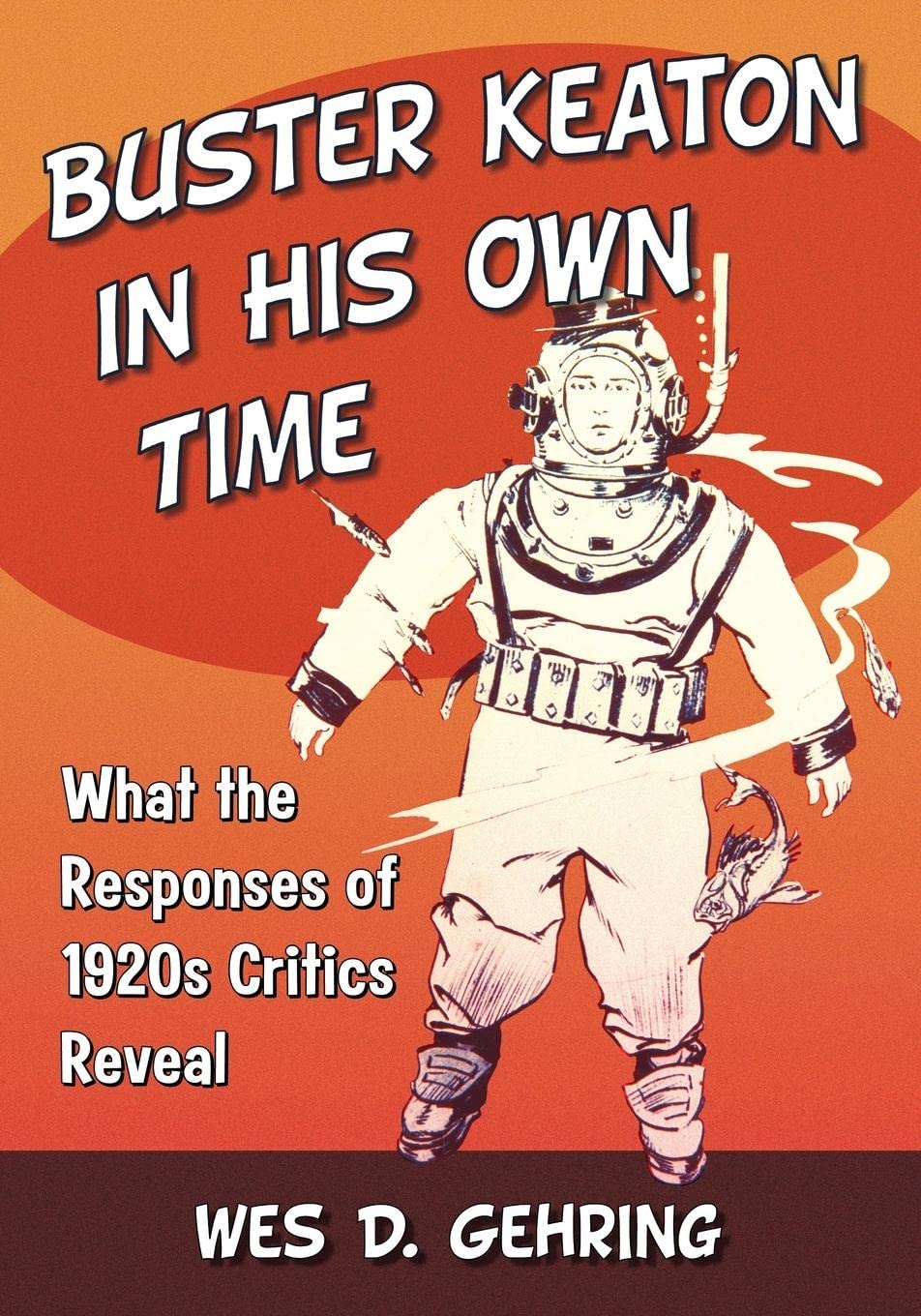
Buster Keaton in His Own Time: What the Responses of 1920s Critics Reveal by Wes D. Gehring – A Scholarly Look at Silent
Inclusive of all applicable taxes. FREE shipping on all orders.
Available Offers
- 🚚Free Delivery — Free shipping on all orders
- 💵Cash on Delivery — Pay when your order arrives
- ↩️15-Day Easy Returns — Hassle-free return policy
- 🔒Cash on Delivery — Pay safely when your order arrives
Check Delivery
Product Description
Introduction
In the annals of silent cinema, Buster Keaton stands as a colossus of comedic genius—a master of physical comedy whose deadpan expression and daring stunts redefined the art of film. Yet, how did his contemporaries truly perceive him? Buster Keaton in His Own Time: What the Responses of 1920s Critics Reveal by Wes D. Gehring offers a fascinating journey back to the Jazz Age, unearthing the raw, unfiltered opinions of critics who witnessed Keaton’s rise firsthand. This hardcover volume is an essential read for Indian film students, cinema historians, and anyone captivated by the silent era’s enduring magic.
Book Overview
This meticulously researched work examines the critical reception of Buster Keaton’s films during the 1920s, a decade when cinema was evolving from a novelty into a powerful storytelling medium. Gehring compiles and analyzes reviews, essays, and commentary from the period, revealing how critics grappled with Keaton’s unique blend of slapstick and philosophical melancholy. Far from being merely a collection of old reviews, the book contextualizes these responses within the broader cultural and artistic movements of the time, showing how Keaton—often called “The Great Stone Face”—challenged and delighted audiences. The narrative highlights Keaton’s innovative use of space, his engineering precision in stunts, and his ability to find laughter in life’s absurdities, making this a cornerstone text for understanding early film criticism.
Key Highlights
- Original Critical Voices: Features direct excerpts from 1920s newspapers and magazines, including reviews by prominent critics like Robert Sherwood and others.
- Cultural Context: Places Keaton’s work within the post-World War I era, exploring how his dark humor resonated with a weary world.
- Film Analysis: Offers detailed breakdowns of iconic films such as The General, Sherlock Jr., and Steamboat Bill Jr. through contemporary eyes.
- Rare Archival Material: Draws from hard-to-find periodicals, providing a treasure trove for researchers and enthusiasts.
- Authoritative Scholarship: Wes D. Gehring is a renowned film historian, ensuring rigorous academic depth balanced with accessible prose.
Inside the Book
Organized thematically, the book is divided into chapters that cover Keaton’s early career, his artistic peak, and the critical debates surrounding his work. Each chapter opens with a historical overview, followed by annotated excerpts from critics. The reader will discover how Keaton was often compared to Charlie Chaplin, yet praised for his more mechanical, surreal style. Gehring also addresses contemporary accusations of Keaton’s films being too “cold” or “intellectual,” and shows how these critiques actually foreshadowed modern interpretations of his genius. The final section reflects on Keaton’s decline in the late 1920s with the advent of sound, and how critics mourned the loss of his silent artistry.
Key Topics
- Buster Keaton’s filmography and critical reception in the 1920s
- Silent cinema aesthetics and the role of physical comedy
- Comparative analysis with Charlie Chaplin, Harold Lloyd, and other contemporaries
- The influence of vaudeville and circus traditions on Keaton’s work
- Modernism, absurdism, and the “theater of the absurd” in early film
- The transition from silent to sound cinema and its impact on Keaton
- Film criticism as a historical lens for understanding cultural shifts
Reader Benefits
For film students and professors, this book serves as a primary source anthology that brings 1920s criticism to life, making it invaluable for research papers and classroom discussions. Enthusiasts of silent cinema will enjoy the vivid snapshots of a bygone era, while Indian readers—who have a rich tradition of appreciating physical comedy in regional cinema—will find parallels in Keaton’s timeless appeal. The hardcover format ensures durability for repeated reference, and the clear organization allows for both linear reading and targeted research. By the end, readers will gain a profound appreciation for how Keaton’s contemporaries shaped his legacy, and how his work continues to inspire filmmakers from Bollywood to Hollywood.
Learning Outcomes
- Understand the historical context of 1920s film criticism and its key figures.
- Analyze how critical responses influenced the public perception of silent comedians.
- Evaluate Keaton’s unique comedic techniques through primary source evidence.
- Identify the cultural and artistic movements that shaped Keaton’s filmmaking.
- Develop skills in interpreting historical film reviews as scholarly artifacts.
- Gain insight into the transition from silent to sound cinema and its critical reception.
Who Should Read
This book is ideal for undergraduate and postgraduate students of film studies, mass communication, and cultural history. It is also a must-have for cinema enthusiasts, vintage film collectors, and fans of Buster Keaton who wish to go beyond biographies. Indian readers interested in the roots of physical comedy—which echoes in the works of actors like Johnny Lever and Rajpal Yadav—will find this exploration deeply rewarding. Librarians and educators looking to build a comprehensive silent cinema collection will consider this an essential acquisition.
About the Author
Wes D. Gehring is a distinguished professor of film and a prolific author, having written extensively on American comedy and silent cinema. His previous works include biographies of Charlie Chaplin and W.C. Fields, as well as studies of film noir. Gehring’s scholarship is known for its meticulous research and engaging style, making complex historical material accessible to a broad audience. He brings decades of expertise to this volume, ensuring that each critical response is expertly contextualized.
About the Publisher
McFarland & Company is a leading independent publisher of academic and reference books, particularly renowned for its film and media studies catalog. Based in the United States, McFarland has a reputation for publishing authoritative works that bridge scholarly rigor with reader-friendly presentation. This hardcover edition exemplifies their commitment to preserving cinematic history through carefully edited volumes.
Conclusion
Buster Keaton in His Own Time is more than a book of old reviews—it is a time machine that transports readers to the vibrant, chaotic world of 1920s cinema. Wes D. Gehring has crafted a work that both honors Keaton’s legacy and illuminates the critical conversations that shaped his art. Whether you are a seasoned film scholar or a curious admirer of silent comedy, this volume will deepen your understanding of a genius who, as one critic wrote, made life’s inconsequential absurdity vitally important. Add this hardcover treasure to your library and rediscover the laughter that echoes across a century.
Quick Summary
Buster Keaton in His Own Time: What the Responses of 1920s Critics Reveal by Wes D. Gehring is a scholarly work that delves into the critical reception of one of cinema's greatest silent comedians. Rather than a standard biography, the book compiles and analyzes reviews from the 1920s, showing that Keaton's dark, absurdist humor was recognized and appreciated by critics of his own era. Gehring argues that Keaton's 'theater of the absurd' speaks powerfully to modern audiences, making him timelessly relevant. This hardcover volume is perfect for Indian film students, scholars of classic cinema, and anyone fascinated by the evolution of comedy. Readers will gain a fresh perspective on Keaton's artistry, understanding how his deadpan style and physical comedy challenged conventions. By examining original critical responses, the book reveals a more complex, philosophical Keaton than popular myth suggests. Published by McFarland & Company, this is a definitive resource for understanding both Keaton and the critical landscape of 1920s Hollywood. Buying from Bookshops.in ensures you receive a genuine, high-quality hardcover edition delivered across India.
Book Highlights
Book Specifications
| ISBN-13 | 9781476666808 |
| ISBN-10 | 1476666806 |
| Publisher | McFarland & Co Inc |
| Language | English |
| Dimensions | 17.78 x 1.24 x 25.4 cm |
| Weight | 431 g |
| Country | India |
| Category | Performing Arts › Film & Television |
| Genre | Film Studies |
| Original Language | English |
Frequently Asked Questions
What is this book about?
Who is the author?
Is this a biography of Buster Keaton?
What time period does the book cover?
Does the book include original reviews?
Is this book suitable for Indian readers?
What makes this book different from other Keaton books?
Is the book academic or accessible?
What is the publication date?
Does the book compare Keaton to Chaplin?
Can I use this for a film studies course?
Is the book illustrated?
Where can I buy this book in India?
Readers Also Search For
Customers Also Bought

McFarland & Company
Playing with the Guys | by Marc A. Ouellette | Matthew Wilhelm Kapell | McFarland & Company | by Marc A. Ouellette | Matthew Wilhelm Kapell | McFarland & Company | by Marc A. Ouellette | Matthew Wilhelm Kapell | McFarland & Company | by Marc A. Ouellette | Matthew Wilhelm Kapell | McFarland & Company | by Marc A. Ouellette | Matthew Wilhelm Kapell | McFarland & Company | by Marc A. Ouellette | Matthew Wilhelm Kapell | McFarland & Company | by Marc A. Ouellette | Matthew W
Rowman & Littlefield Publishers
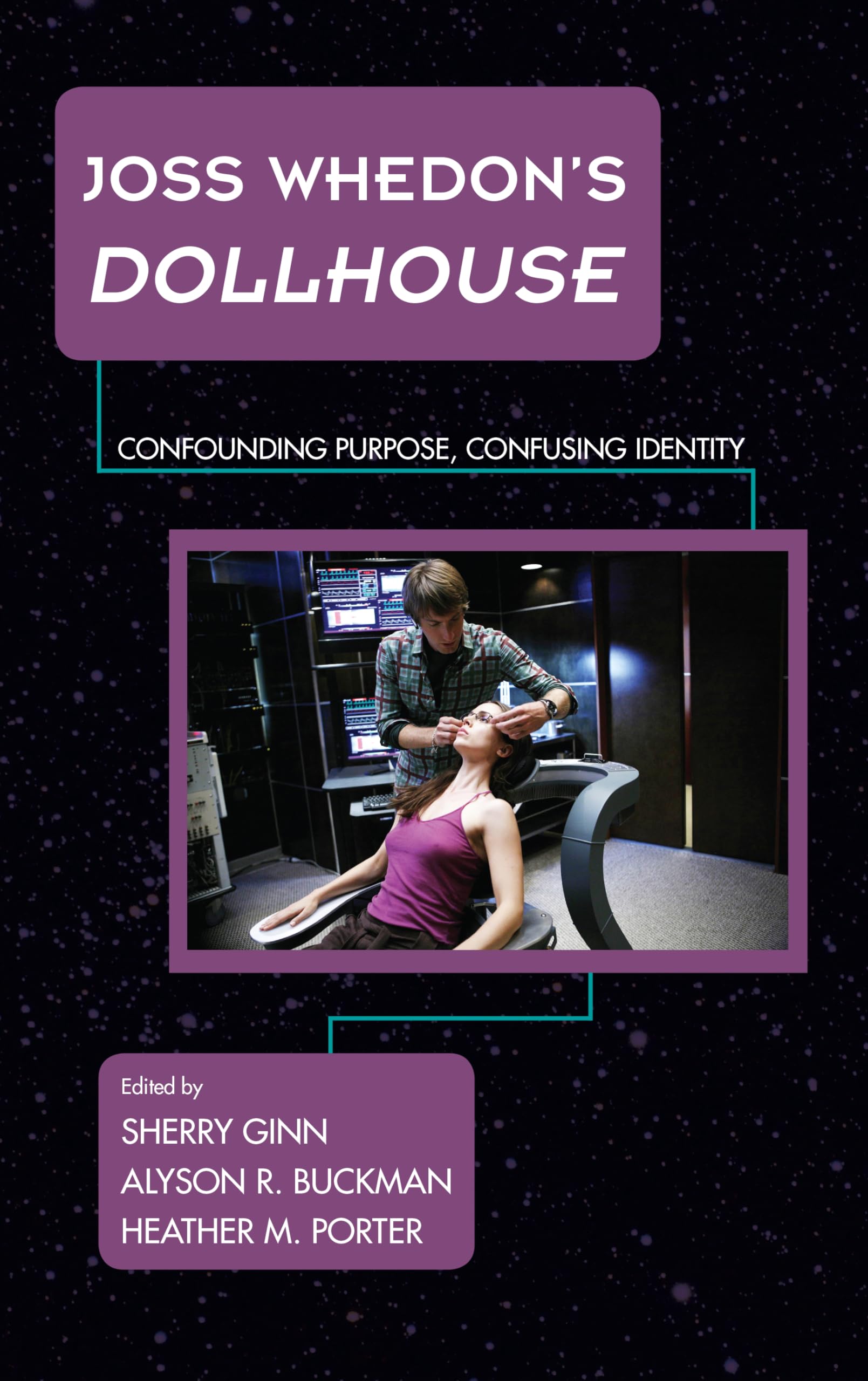
Joss Whedon's Dollhouse: Confounding Purpose, Confusing Identity (Science Fiction Television)
State University of New York Press
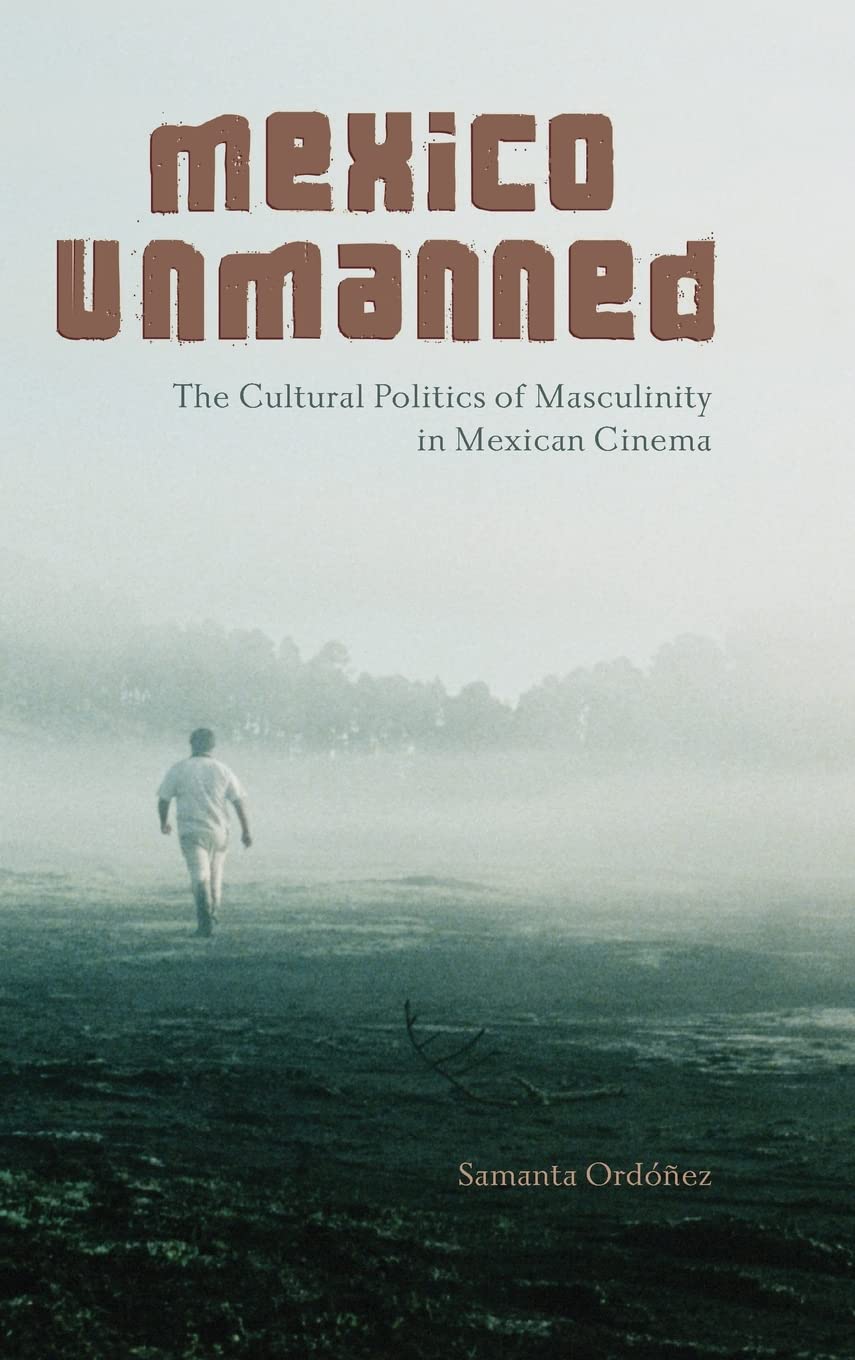
Mexico Unmanned: The Cultural Politics of Masculinity in Mexican Cinema (SUNY series in Latin American Cinema)

McFarland & Company
Valley Forge to Monmouth | by Jim Stempel | McFarland & Company | by Jim Stempel | McFarland & Company | by Jim Stempel | McFarland & Company | by Jim Stempel | McFarland & Company | by Jim Stempel | McFarland & Company | by Jim Stempel | McFarland & Company | by Jim Stempel | McFarland & Company | by Jim Stempel | McFarland & Company | by Jim Stempel | McFarland & Company | by Jim Stempel | McFarland & Company | by Jim Stempel | McFarland & Company |

University of Toronto Press
Structures of Feeling in Seventeenth-Century Cultural Expression (UCLA Center Clark Library)
McFarland & Company
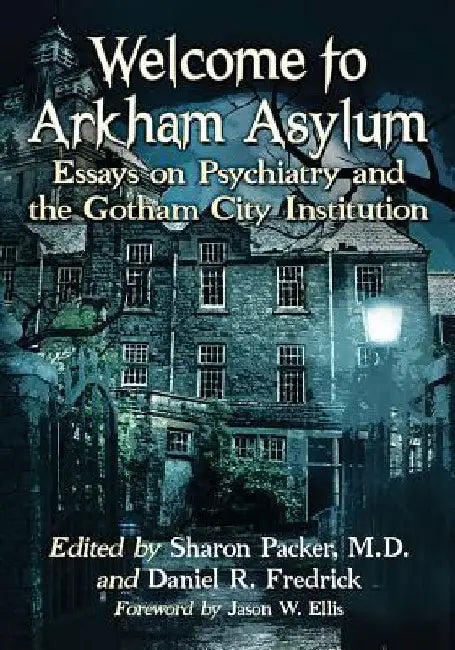
Welcome to Arkham Asylum | by Sharon Packer | Daniel R. Fredrick | McFarland & Company | by Sharon Packer | Daniel R. Fredrick | McFarland & Company | by Sharon Packer | Daniel R. Fredrick | McFarland & Company | by Sharon Packer | Daniel R. Fredrick | McFarland & Company | by Sharon Packer | Daniel R. Fredrick | McFarland & Company | by Sharon Packer | Daniel R. Fredrick | McFarland & Company | by Sharon Packer | Daniel R. Fredrick | McFarland & Company | by Sharon P
Related Products
View AllMcFarland & Company
Playing with the Guys | by Marc A. Ouellette | Matthew Wilhelm Kapell | McFarland & Company | by Marc A. Ouellette | Matthew Wilhelm Kapell | McFarland & Company | by Marc A. Ouellette | Matthew Wilhelm Kapell | McFarland & Company | by Marc A. Ouellette | Matthew Wilhelm Kapell | McFarland & Company | by Marc A. Ouellette | Matthew Wilhelm Kapell | McFarland & Company | by Marc A. Ouellette | Matthew Wilhelm Kapell | McFarland & Company | by Marc A. Ouellette | Matthew W
McFarland & Company
Valley Forge to Monmouth | by Jim Stempel | McFarland & Company | by Jim Stempel | McFarland & Company | by Jim Stempel | McFarland & Company | by Jim Stempel | McFarland & Company | by Jim Stempel | McFarland & Company | by Jim Stempel | McFarland & Company | by Jim Stempel | McFarland & Company | by Jim Stempel | McFarland & Company | by Jim Stempel | McFarland & Company | by Jim Stempel | McFarland & Company | by Jim Stempel | McFarland & Company |
McFarland & Company
Magic in Britain | by Robin Melrose | McFarland & Company | by Robin Melrose | McFarland & Company | by Robin Melrose | McFarland & Company | by Robin Melrose | McFarland & Company | by Robin Melrose | McFarland & Company | by Robin Melrose | McFarland & Company | by Robin Melrose | McFarland & Company | by Robin Melrose | McFarland & Company | by Robin Melrose | McFarland & Company | by Robin Melrose | McFarland & Company | by Robin Melrose | McFarland &a
McFarland & Company
Hoplites at War: A Comprehensive Analysis of Heavy Infantry Combat in the Greek World, 750-100 bce b
McFarland & Company
Storytelling in Video Games | by Amy M. Green | Matthew Wilhelm Kapell | McFarland & Company | by Amy M. Green | Matthew Wilhelm Kapell | McFarland & Company | by Amy M. Green | Matthew Wilhelm Kapell | McFarland & Company | by Amy M. Green | Matthew Wilhelm Kapell | McFarland & Company | by Amy M. Green | Matthew Wilhelm Kapell | McFarland & Company | by Amy M. Green | Matthew Wilhelm Kapell | McFarland & Company | by Amy M. Green | Matthew Wilhelm Kapell | McFarland &am
McFarland & Company