
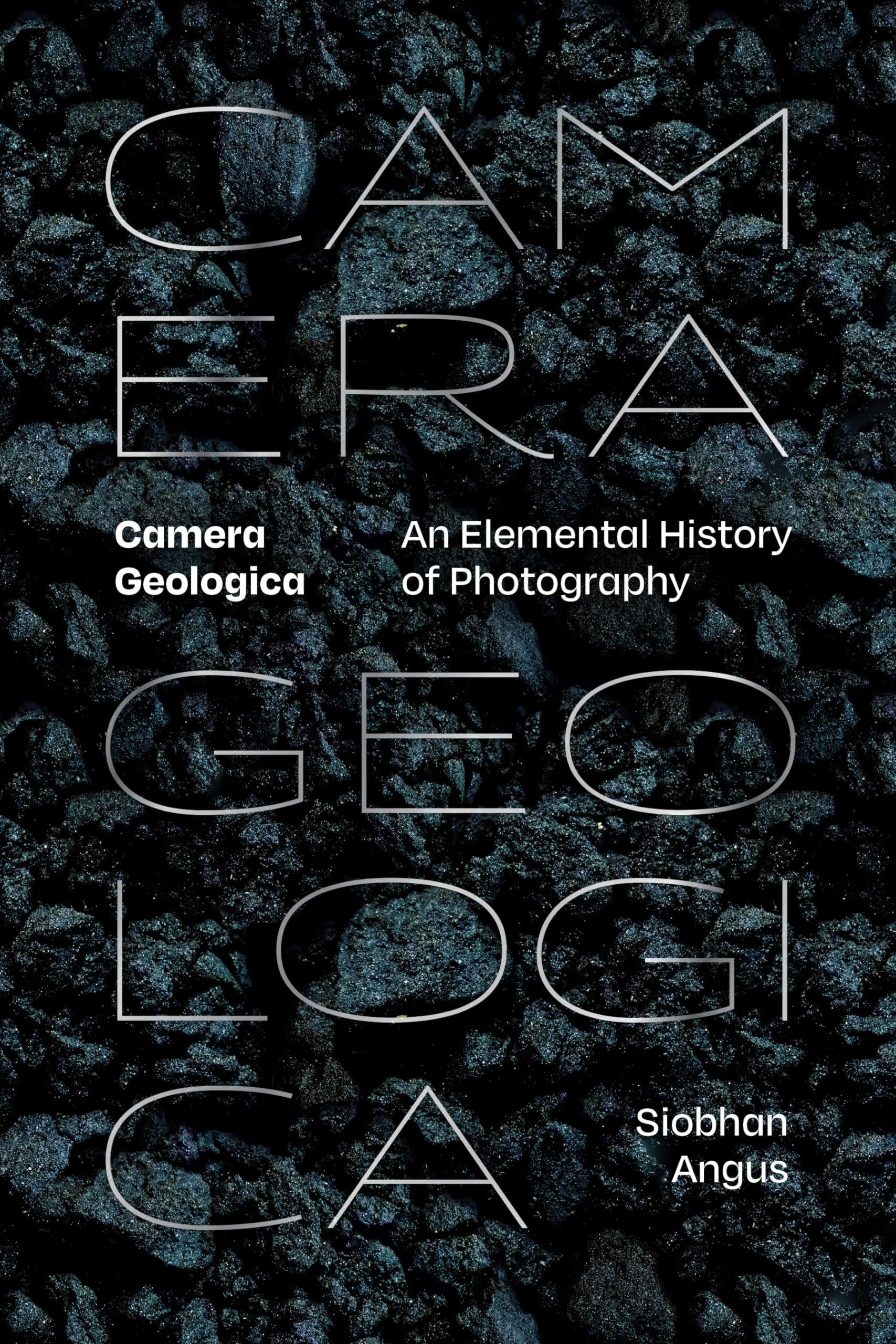
Camera Geologica: An Elemental History of Photography by Siobhan Angus – Unearthing the Minerals Behind the Image
Inclusive of all applicable taxes. FREE shipping on all orders.
Available Offers
- 🚚Free Delivery — Free shipping on all orders
- 💵Cash on Delivery — Pay when your order arrives
- ↩️15-Day Easy Returns — Hassle-free return policy
- 🔒Cash on Delivery — Pay safely when your order arrives
Check Delivery
Product Description
Introduction
In an age where we capture and share images with a tap, it is easy to forget that every photograph has a physical origin. Camera Geologica: An Elemental History of Photography by Siobhan Angus invites readers on a ground-breaking journey beneath the surface of visual culture. This hardcover volume from Duke University Press reveals the hidden story of photography—not as a purely digital or immaterial art, but as a practice rooted in the earth’s minerals. For students, scholars, and curious readers in India, this book offers a fresh lens to understand how images are entangled with resource extraction, colonialism, and environmental change.
Book Overview
Camera Geologica reimagines the history of photography by focusing on the raw materials that make it possible. From the bitumen used in early heliographs to the silver in daguerreotypes, from platinum prints to the rare earth elements powering digital sensors, Siobhan Angus traces a lineage that begins underground. The book argues that photography is not a clean, virtual medium but one deeply tied to mining, labour, and global capitalism. Through vivid case studies and interdisciplinary research, Angus shows how photographs of mines and extraction sites often return us to the very origins of the medium itself. This is not just a history of cameras and chemicals—it is a materialist account of how images shape and are shaped by the planet.
Key Highlights
- Original approach: Shifts focus from the photographer to the minerals that enable image-making.
- Global scope: Connects nineteenth-century photography with contemporary digital culture and extractive economies.
- Interdisciplinary insights: Blends art history, environmental studies, and postcolonial theory.
- Richly illustrated: Features archival photographs and contemporary works that bring the argument to life.
- Critical perspective: Examines the ethical and ecological costs of photography, from silver mining to rare earth processing.
Inside the Book
Each chapter of Camera Geologica focuses on a specific mineral—bitumen, silver, platinum, iron, uranium, and rare earth elements—and traces its role in photographic history. Angus examines how these materials are extracted, refined, and used, while also analysing the visual culture that emerges from mining landscapes. The book includes discussions of early photographic experiments, the industrialisation of photography, and the digital turn, all while keeping the material base in sharp focus. Readers will encounter images of quarries, mines, and refineries, alongside thoughtful readings of how these sites are represented and often romanticised.
Key Topics
- The materiality of photography and its dependence on geological resources.
- Histories of extraction and their connection to colonialism and global trade.
- Environmental degradation caused by mining for photographic materials.
- Labour histories of miners and workers in the photographic industry.
- The transition from analogue to digital photography and its hidden mineral costs.
- Visual representation of mines and extractive landscapes in art and documentary.
- Ethical questions around sustainability and the future of imaging technologies.
Reader Benefits
- Deepen your understanding: Gain a new perspective on a medium you use every day.
- Critical thinking skills: Learn to analyse images through the lens of materiality and ecology.
- Academic relevance: Ideal for coursework in art history, visual studies, environmental humanities, and media studies.
- Engaging narrative: Written in accessible yet scholarly prose, suitable for both specialists and general readers.
- Indian context: While global in scope, the book’s themes resonate with India’s own mining histories and visual culture.
Learning Outcomes
By reading Camera Geologica, you will be able to: identify the mineral foundations of photographic processes from the nineteenth century to today; critically assess the environmental and social impacts of image-making technologies; connect histories of extraction to contemporary digital practices; and engage with debates about sustainability in visual culture. The book equips you with the vocabulary and conceptual tools to discuss photography not just as art or communication, but as an industrial and ecological practice.
Who Should Read
- Students and researchers in photography, art history, environmental studies, and media theory.
- Photographers and artists seeking a deeper understanding of their medium’s material roots.
- Environmental activists interested in the hidden costs of visual technologies.
- Curators and museum professionals working with photographic collections.
- General readers curious about the untold stories behind everyday images.
About the Author
Siobhan Angus is a scholar of visual culture and environmental humanities. Her research bridges art history, media studies, and ecological thought, with a particular focus on the material conditions of image-making. She has published widely on photography, mining, and the politics of representation. Camera Geologica is her first book, and it has been praised for its originality and rigour.
About the Publisher
Duke University Press is a leading academic publisher based in Durham, North Carolina, known for its innovative titles in the humanities and social sciences. With a strong commitment to interdisciplinary scholarship, Duke University Press publishes works that challenge conventional boundaries and open up new fields of inquiry. This hardcover edition reflects the press’s dedication to high-quality production and intellectual depth.
Conclusion
Camera Geologica: An Elemental History of Photography is a transformative read that will change how you think about photography. By grounding the image in the earth, Siobhan Angus reveals the invisible labour, resources, and environments that make visual culture possible. For Indian readers, this book offers a timely reminder that every photograph carries a geological and ethical weight. Whether you are a student, a photographer, or simply a lover of images, this book will open your eyes to the world beneath the frame. Order your copy from Bookshops.in today and discover the hidden history of photography—one mineral at a time.
Quick Summary
Camera Geologica: An Elemental History of Photography by Siobhan Angus is a groundbreaking work that rethinks photography through its material foundations. Instead of focusing on light, optics, or digital code, Angus takes readers underground—into mines where bitumen, silver, platinum, iron, uranium, and rare earth elements are extracted. She argues that these minerals are not just raw materials but active agents in the history of image-making, linking photography to colonialism, labor exploitation, and environmental degradation. The book examines how photographs of mines and mining operations reflect and reinforce extractive capitalism. Ideal for students and scholars of photography, visual culture, environmental studies, and media theory, this book offers a fresh, critical perspective. By purchasing from Bookshops.in, Indian readers gain access to a premium imported hardcover edition that challenges conventional narratives and inspires deeper thinking about the true cost of every image.
Book Highlights
Book Specifications
| ISBN-13 | 9781478030188 |
| ISBN-10 | 1478030186 |
| Publisher | Duke University Press |
| Language | English |
| Dimensions | 14.73 x 2.03 x 22.35 cm |
| Weight | 567 g |
| Category | Civil Engineering › Ecology & Environment |
| Genre | Nonfiction |
| Reading Age | Adult |
| Original Language | English |
Frequently Asked Questions
What is Camera Geologica about?
Who is the author of Camera Geologica?
Which publisher released Camera Geologica?
Is this book suitable for Indian students?
Does the book cover digital photography?
What is the main argument of the book?
Are there illustrations in the book?
What is the ISBN?
Is this a hardcover edition?
How is this book different from other photography histories?
Does the book discuss Indian photography?
What disciplines does this book intersect?
Can I use this book for academic research?
Where can I buy Camera Geologica in India?
Readers Also Search For
Customers Also Bought
McFarland & Company
Playing with the Guys | by Marc A. Ouellette | Matthew Wilhelm Kapell | McFarland & Company | by Marc A. Ouellette | Matthew Wilhelm Kapell | McFarland & Company | by Marc A. Ouellette | Matthew Wilhelm Kapell | McFarland & Company | by Marc A. Ouellette | Matthew Wilhelm Kapell | McFarland & Company | by Marc A. Ouellette | Matthew Wilhelm Kapell | McFarland & Company | by Marc A. Ouellette | Matthew Wilhelm Kapell | McFarland & Company | by Marc A. Ouellette | Matthew W

Rowman & Littlefield Publishers
Joss Whedon's Dollhouse: Confounding Purpose, Confusing Identity (Science Fiction Television)

State University of New York Press
Mexico Unmanned: The Cultural Politics of Masculinity in Mexican Cinema (SUNY series in Latin American Cinema)

McFarland & Company
Valley Forge to Monmouth | by Jim Stempel | McFarland & Company | by Jim Stempel | McFarland & Company | by Jim Stempel | McFarland & Company | by Jim Stempel | McFarland & Company | by Jim Stempel | McFarland & Company | by Jim Stempel | McFarland & Company | by Jim Stempel | McFarland & Company | by Jim Stempel | McFarland & Company | by Jim Stempel | McFarland & Company | by Jim Stempel | McFarland & Company | by Jim Stempel | McFarland & Company |

University of Toronto Press
Structures of Feeling in Seventeenth-Century Cultural Expression (UCLA Center Clark Library)

McFarland & Company
Welcome to Arkham Asylum | by Sharon Packer | Daniel R. Fredrick | McFarland & Company | by Sharon Packer | Daniel R. Fredrick | McFarland & Company | by Sharon Packer | Daniel R. Fredrick | McFarland & Company | by Sharon Packer | Daniel R. Fredrick | McFarland & Company | by Sharon Packer | Daniel R. Fredrick | McFarland & Company | by Sharon Packer | Daniel R. Fredrick | McFarland & Company | by Sharon Packer | Daniel R. Fredrick | McFarland & Company | by Sharon P
Related Products
View All
Duke University Press
The Human in Bits: Graphical Computers, Black Abstractions
Duke University Press
Figures of Time: Affect and the Television of Preemption (Thought in the Act)
Duke University Press
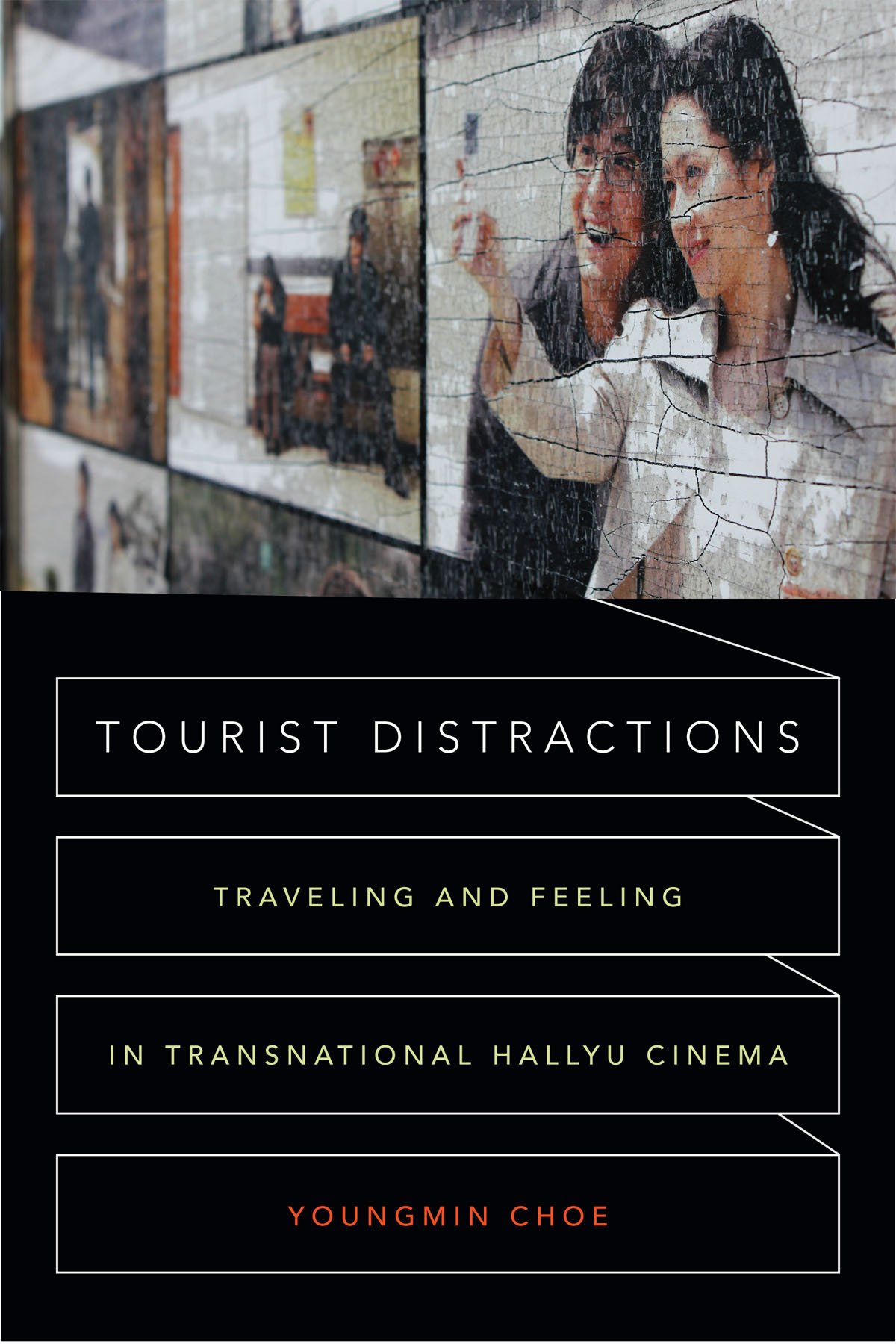
Tourist Distractions: Traveling and Feeling in Transnational Hallyu Cinema by Youngmin Choe
Duke University Press
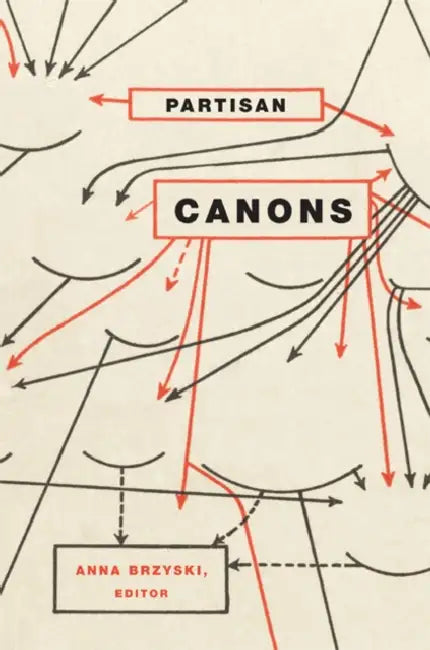
Partisan Canons (English, Anna Brzyski)

Duke University Press
Impersonal Passion (English, Denise Riley)

Duke University Press