
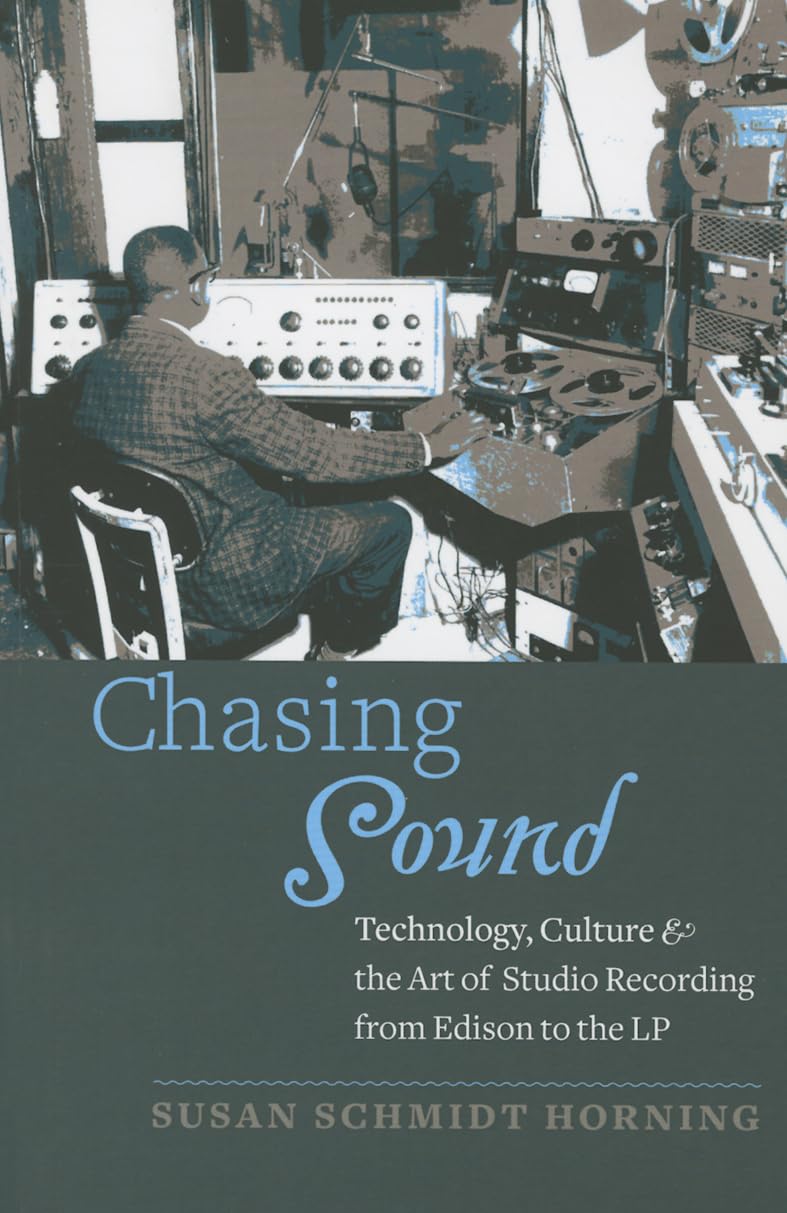
Chasing Sound: Technology, Culture, and the Art of Studio Recording from Edison to the LP by Susan Schmidt Horning – A D
Inclusive of all applicable taxes. FREE shipping on all orders.
Available Offers
- 🚚Free Delivery — Free shipping on all orders
- 💵Cash on Delivery — Pay when your order arrives
- ↩️15-Day Easy Returns — Hassle-free return policy
- 🔒Cash on Delivery — Pay safely when your order arrives
Check Delivery
Product Description
Introduction
In an age where music is created, manipulated, and consumed with stunning precision, the story of how we got here is often overlooked. Chasing Sound: Technology, Culture, and the Art of Studio Recording from Edison to the LP by Susan Schmidt Horning offers a deeply researched and engaging journey through the history of recorded sound. This book is not just a technical manual; it is a cultural history that reveals how the studio itself became an instrument, transforming both music and the music industry. For Indian readers—whether you are a budding sound engineer, a student of musicology, or simply a lover of vinyl and vintage recordings—this hardcover volume from Johns Hopkins University Press is an essential addition to your library.
Book Overview
Chasing Sound traces the evolution of recording studios in the United States from the earliest acoustic devices to the sophisticated multi-track analog setups of the mid-20th century. Schmidt Horning argues that the relationship between live performance and recorded sound has fundamentally reversed over time. Initially, recording was merely an attempt to capture a live event. But as technology advanced, the studio became a creative space where sounds were constructed, layered, and manipulated—often exceeding what could be achieved on stage. This shift redefined the roles of engineers, producers, and artists, and gave birth to a new art form: the studio recording itself.
Key Highlights
- Oral histories and firsthand accounts: The author draws on original interviews with major-label and independent recording engineers, producers, arrangers, and musicians, offering rare insights into the creative process.
- From Edison to the LP: The book covers a pivotal period in music history, from the phonograph to the long-playing record, showing how each innovation changed what was possible in the studio.
- Cultural and technological fusion: Schmidt Horning expertly weaves together technical developments (microphones, mixing consoles, tape machines) with the cultural shifts that drove them.
- Focus on the unsung heroes: Recording engineers and producers are placed front and centre, revealing their critical role in shaping the sound of popular music.
Inside the Book
The narrative is structured around key technological milestones and the people who pioneered them. Readers will explore the early days of acoustic recording, where performers had to crowd around a horn; the introduction of electrical recording in the 1920s; the rise of magnetic tape and multi-track recording; and the eventual dominance of the LP as a medium. Along the way, Schmidt Horning examines how studios evolved from makeshift rooms in radio stations to purpose-built facilities with custom-designed acoustics. The book also delves into the professionalization of recording engineering as a distinct craft, and the growing collaboration between artists and technicians that led to iconic recordings.
Key Topics
- The transition from acoustic to electrical recording
- The impact of magnetic tape on music production
- The birth of the independent recording studio
- The role of producers and engineers as creative partners
- The cultural shift from live to recorded sound as the primary musical experience
- The development of stereo and high-fidelity recording
Reader Benefits
This book offers a rare combination of technical depth and cultural analysis. Readers will gain a nuanced understanding of how recording technology shaped the sound of the 20th century. Music students and professionals will find practical knowledge about the evolution of studio equipment and techniques. History enthusiasts will appreciate the rich social context—how economic factors, war, and consumer demand drove innovation. And for anyone who has ever wondered why a particular recording sounds the way it does, Chasing Sound provides the answers.
Learning Outcomes
- Understand the key technological breakthroughs that defined analog recording
- Recognize the contributions of pioneering engineers and producers
- Analyse the changing relationship between live performance and studio creation
- Appreciate the cultural and economic forces that shaped the music industry
- Gain a deeper appreciation for the artistry behind classic recordings
Who Should Read
This book is ideal for students of music, sound engineering, and media studies; aspiring recording engineers and producers; musicians interested in the history of their craft; collectors of vinyl and vintage audio equipment; and general readers with a passion for music history. Indian readers, in particular, will find parallels between the American studio evolution and the growth of India's own recording industry, making this a valuable comparative study.
About the Author
Susan Schmidt Horning is a historian of technology and culture, with a focus on the intersection of music, science, and industry. Her research has been widely published in academic journals, and she has conducted extensive oral history interviews with key figures in the recording world. Chasing Sound is the culmination of years of archival research and firsthand conversations, making her a uniquely authoritative voice on the subject.
About the Publisher
Johns Hopkins University Press is one of the oldest and most respected academic publishers in the United States. Known for its rigorous scholarship and high-quality production, the press has a distinguished list of titles in the history of science, technology, and music. This hardcover edition reflects their commitment to durable, beautifully produced books that stand the test of time.
Conclusion
Chasing Sound is more than a history of recording technology—it is a celebration of the human ingenuity and creative collaboration that transformed how we experience music. Whether you are a student, a professional, or a devoted music lover, this book will deepen your appreciation for every note you hear. Order your copy from Bookshops.in today and discover the fascinating story behind the sounds that shaped the modern world.
Quick Summary
Chasing Sound: Technology, Culture, and the Art of Studio Recording from Edison to the LP by Susan Schmidt Horning is a comprehensive history of how recording studios evolved from simple sound-capture rooms into complex creative laboratories. Based on extensive oral history interviews, the book traces key technological innovations—microphones, mixing consoles, multitrack tape—and the professionalization of recording engineers as artists. Schmidt Horning shows how the ability to manipulate sound in the studio eventually reversed the historic relationship between live and recorded music, making studio productions the primary creative medium. This book is ideal for music lovers, aspiring audio engineers, students of cultural history, and anyone who wants to understand how the records they love were made. By purchasing from Bookshops.in, Indian readers gain access to a premium hardcover edition of this award-winning scholarly work, delivered with care across the country.
Book Highlights
Book Specifications
| ISBN-13 | 9781421418483 |
| ISBN-10 | 1421418487 |
| Publisher | Johns Hopkins Univ Pr |
| Language | English |
| Dimensions | 15.24 x 1.85 x 22.86 cm |
| Weight | 454 g |
| Country | India |
| Category | Performing Arts › Music |
| Genre | Music History |
| Original Language | English |
Frequently Asked Questions
What is the main focus of Chasing Sound?
Who is Susan Schmidt Horning?
Does the book cover digital recording?
Is this book technical or accessible to general readers?
What time period does the book cover?
Are there interviews with real recording engineers?
How does this book differ from other recording history books?
Can Indian readers relate to this book?
Does the book discuss famous recording studios?
What role did women play in early recording?
How does the book explain the shift from live to studio sound?
Is there a focus on Indian music or studios?
What makes this book a good gift?
Where can I buy Chasing Sound in India?
Readers Also Search For
Customers Also Bought
Art History
The Italian Renaissance in Art

Art History
Photovoltaic Design & Installation For Dummies | by Mayfield | ForDummies | by Mayfield | ForDummies | by Mayfield | ForDummies | by Mayfield | ForDummies | by Mayfield | ForDummies | by Mayfield | ForDummies | by Mayfield | ForDummies | by Mayfield | ForDummies | by Mayfield | ForDummies | by Mayfield | ForDummies | by Mayfield | ForDummies | by Mayfield | ForDummies | by Mayfield | ForDummies | by Mayfield | ForDummies | by Mayfield | ForDummies | by Mayfield | ForDummies | by Mayfield | ForDu
Art History
Designing School Systems for All Students (English, Robert J. Manley | Richard J. Hawkins)

Art History
Routledge Library Editions: Art and Culture in the Nineteenth Century

Art History
An Errant Design (English, S. H. Long)
Art History
Distributed System Design | by Jie Wu | CRC Press | by Jie Wu | CRC Press | by Jie Wu | CRC Press | by Jie Wu | CRC Press | by Jie Wu | CRC Press | by Jie Wu | CRC Press | by Jie Wu | CRC Press | by Jie Wu | CRC Press | by Jie Wu | CRC Press | by Jie Wu | CRC Press | by Jie Wu | CRC Press | by Jie Wu | CRC Press | by Jie Wu | CRC Press | by Jie Wu | CRC Press | by Jie Wu | CRC Press | by Jie Wu | CRC Press | by Jie Wu | CRC Press | by Jie Wu | CRC Press | by Jie Wu | CRC Press | by Jie Wu | CRC
Related Products
View All
Music
The Cambridge Companion to Michael Tippett by Kenneth Gloag – Music Analysis
Music
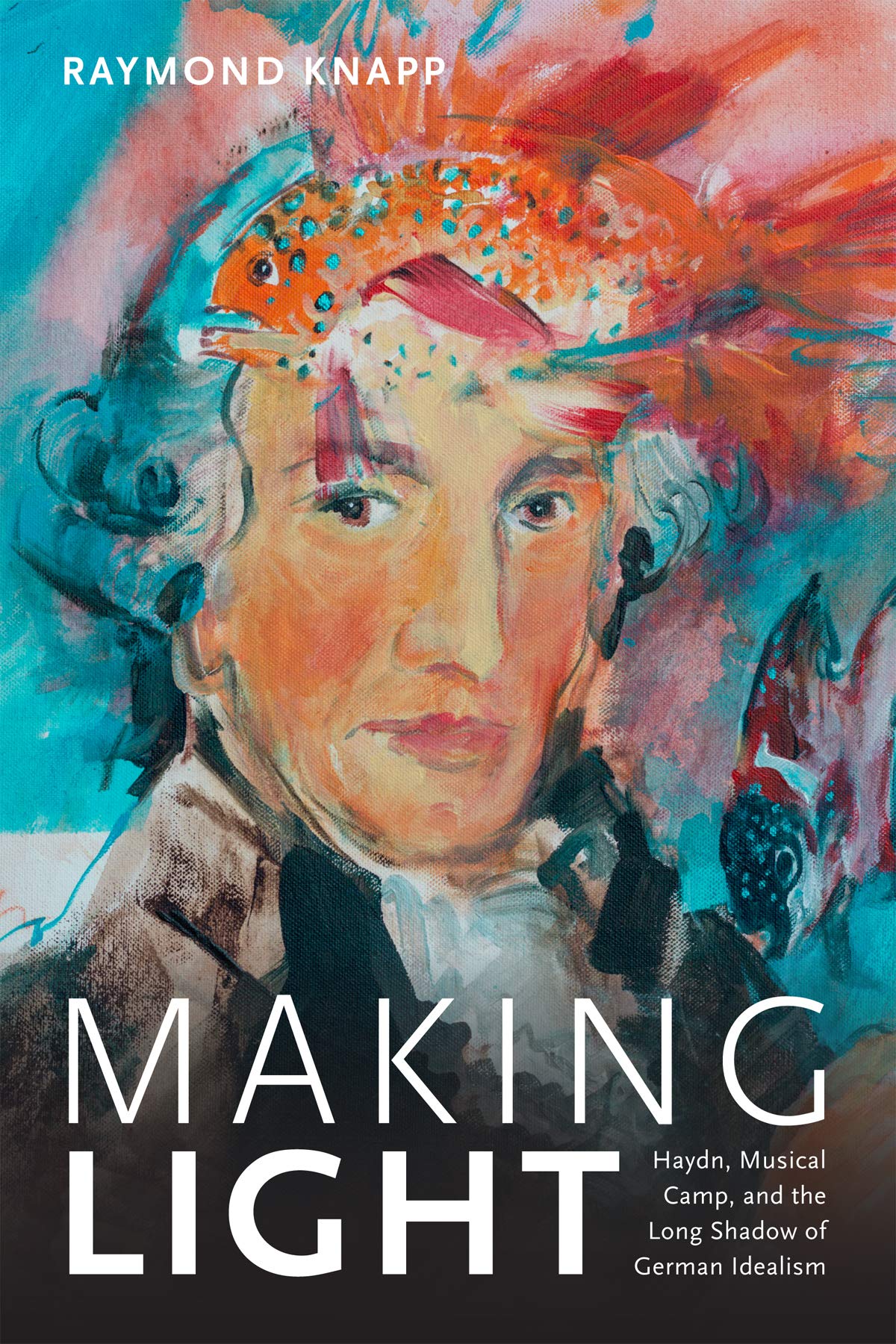
Making Light: Haydn, Musical Camp, and the Long Shadow of German Idealism
Music
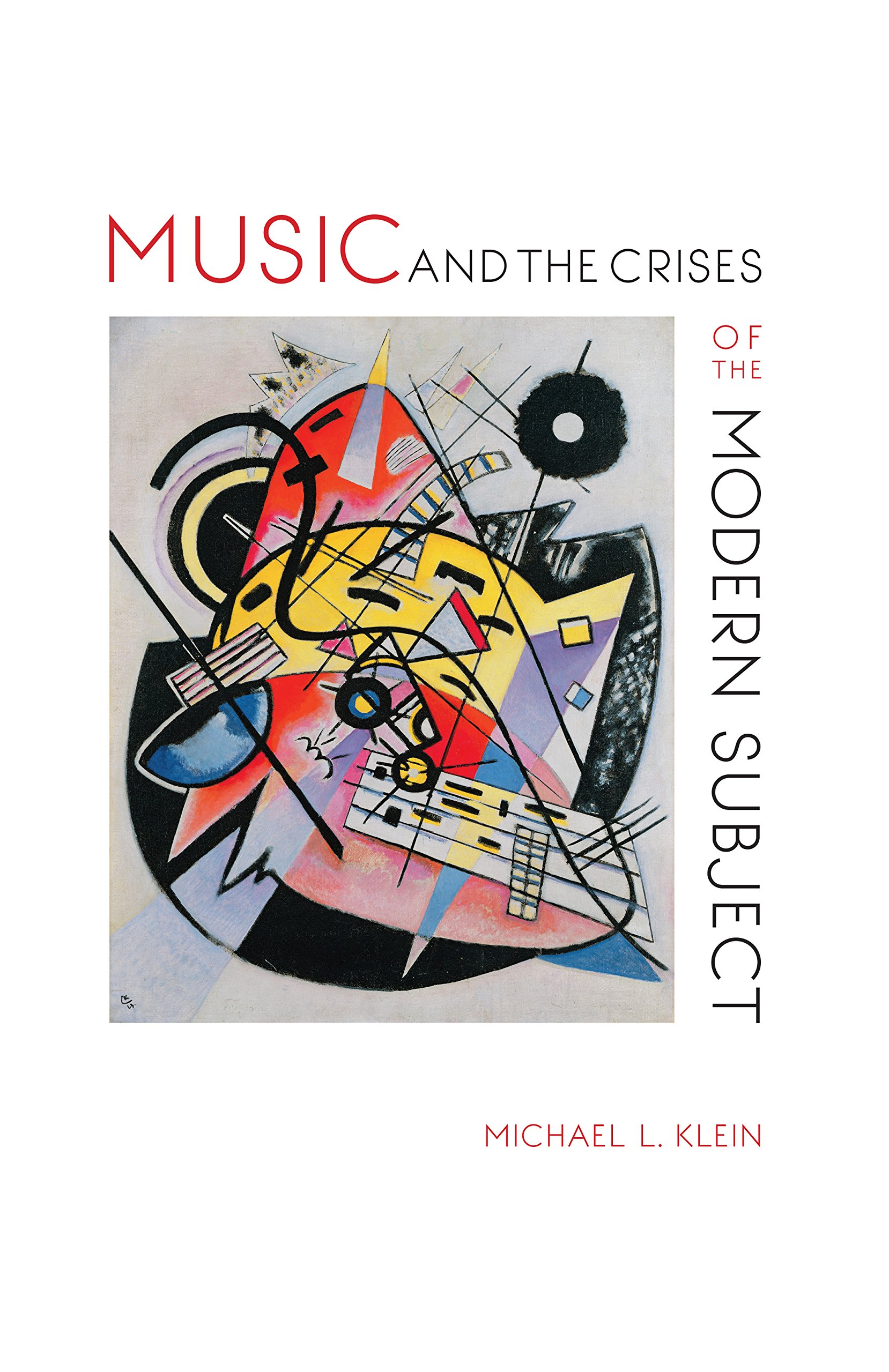
Music and the Crises of the Modern Subject by Michael L. Klein – Music Theory & Criticism
Music
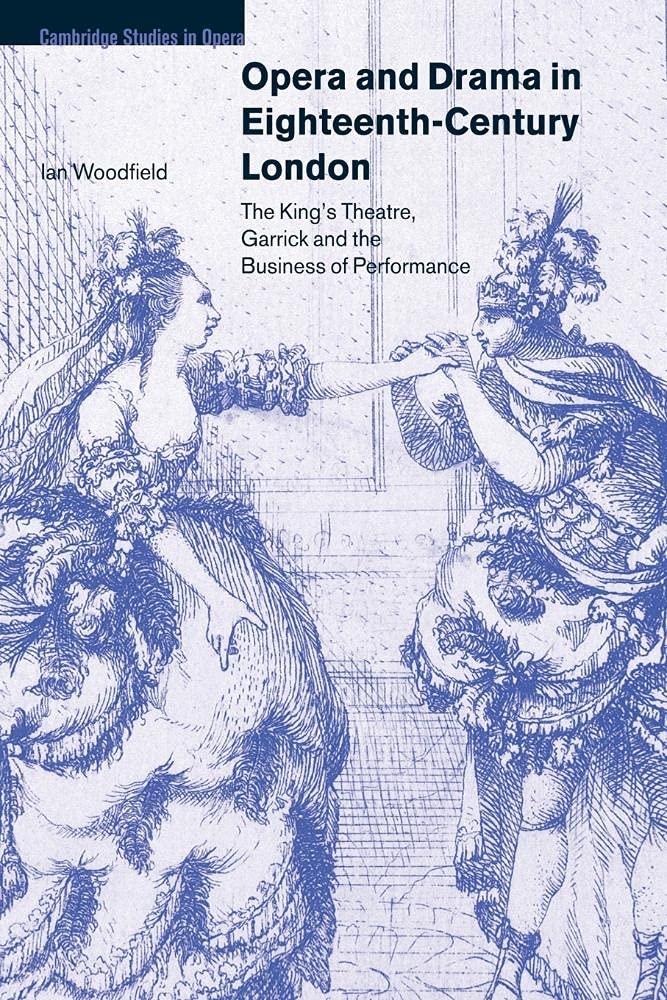
Opera and Drama in Eighteenth-Century London: The King's Theatre, Garrick and the Business of Perfor
Music
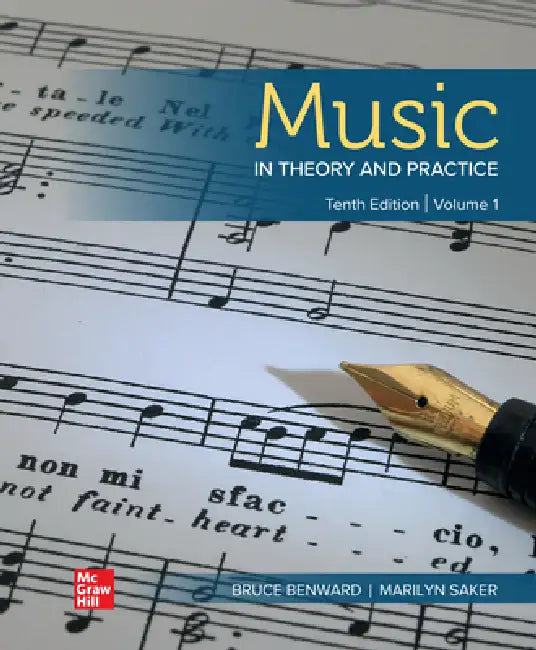
Music in Theory and Practice Volume 1 | by Bruce Benward | Marilyn Saker | McGraw-Hill Companies | by Bruce Benward | Marilyn Saker | McGraw-Hill Companies | by Bruce Benward | Marilyn Saker | McGraw-Hill Companies | by Bruce Benward | Marilyn Saker | McGraw-Hill Companies | by Bruce Benward | Marilyn Saker | McGraw-Hill Companies | by Bruce Benward | Marilyn Saker | McGraw-Hill Companies | by Bruce Benward | Marilyn Saker | McGraw-Hill Companies | by Bruce Benward | Marilyn Saker | McGraw-Hill

Music