
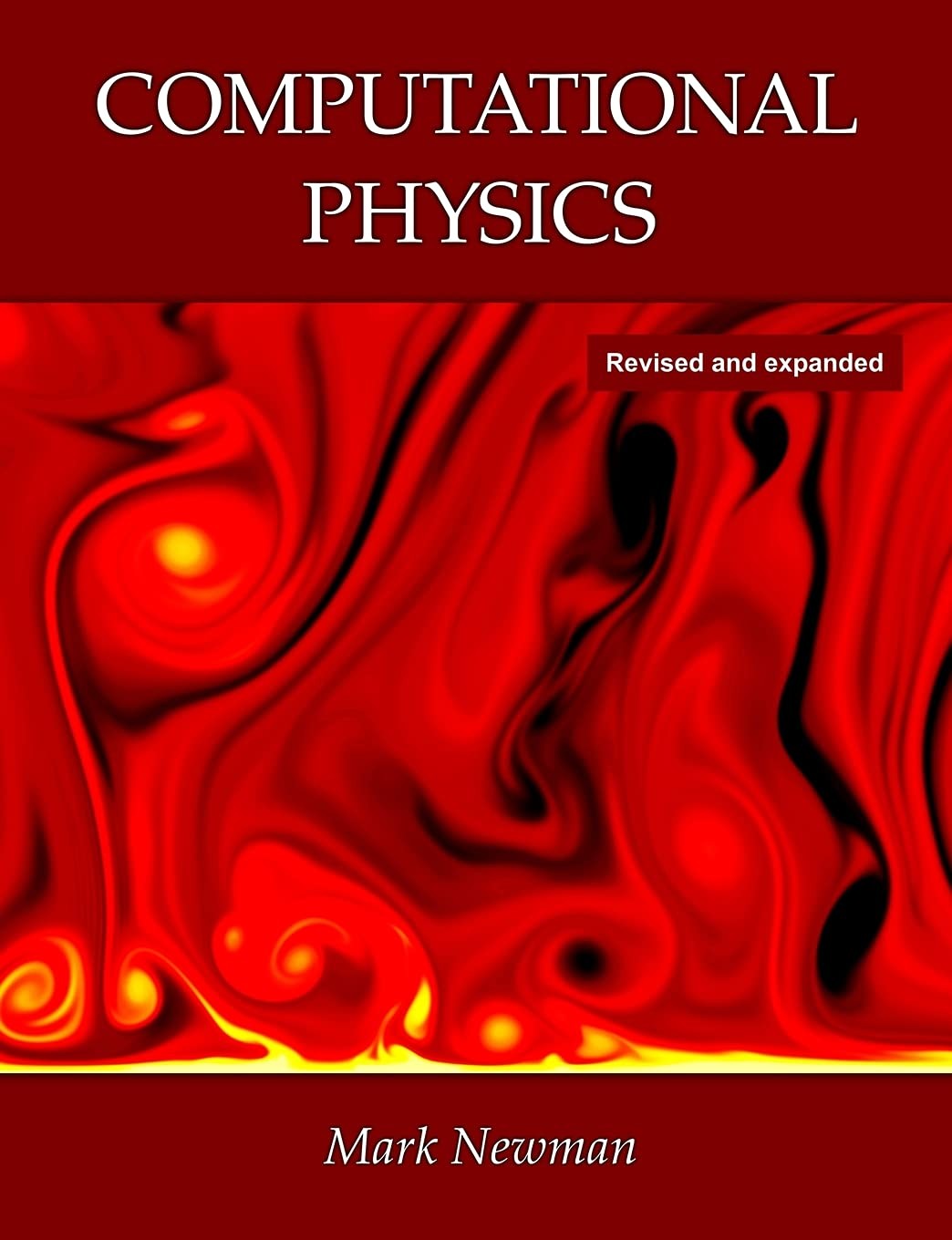
Computational Physics by Mark Newman – A Complete Introduction to Computational Methods Using Python
Inclusive of all applicable taxes. FREE shipping on all orders.
Available Offers
- 🚚Free Delivery — Free shipping on all orders
- 💵Cash on Delivery — Pay when your order arrives
- ↩️15-Day Easy Returns — Hassle-free return policy
- 🔒Cash on Delivery — Pay safely when your order arrives
Check Delivery
Product Description
Introduction
Modern physics runs on computation, and Computational Physics by Mark Newman gives students and researchers the foundational skills to participate in that world. From astrophysics simulations to particle physics data analysis, computers now sit at the center of nearly every major physics discovery, and this book teaches the essential techniques that make that work possible.
Book Overview
Using Python throughout, Newman offers a complete introduction to computational physics that starts with fundamental numerical techniques and builds toward genuine research-level competence. The book explains core methods such as finite difference techniques, numerical quadrature, and the fast Fourier transform in clear, accessible language, making complex computational concepts approachable without sacrificing rigor.
Key Highlights
- Complete introduction to computational physics using Python
- Covers finite difference methods and numerical quadrature
- Explains the fast Fourier transform in accessible terms
- Applies across astrophysics, particle physics, and biophysics
- Suitable for undergraduate students and advanced researchers
- Widely adopted as a course textbook in physics programs
- Rated 4.6 out of 5 by physics students and educators
- Balances theoretical foundations with hands-on coding practice
Inside the Book
The book progresses systematically from foundational numerical techniques to more advanced computational methods, always grounding new concepts in real physics applications. Readers work through practical examples using Python, building the kind of computational intuition that transfers directly to research settings — whether analysing astrophysical data, modeling particle interactions, or studying condensed matter systems.
Key Topics
Readers will explore finite difference methods for solving differential equations, numerical quadrature techniques for integration, and the fast Fourier transform's role in signal and data analysis. The book also touches on how these core techniques apply across diverse physics subfields, from biophysics to condensed matter research, giving readers a versatile computational toolkit.
Reader Benefits
- Build genuine computational physics skills using Python
- Learn numerical techniques applicable across physics subfields
- Understand the fast Fourier transform and its practical uses
- Develop research-ready computational competence
- Bridge the gap between physics theory and applied computation
- Prepare for advanced coursework or research in physics
Learning Outcomes
By working through this book, readers develop practical fluency in the core numerical methods that underpin modern computational physics. They come away able to implement finite difference solutions, apply numerical integration techniques, and use the fast Fourier transform confidently — skills directly transferable to research and coursework across physics disciplines.
Who Should Read
- Undergraduate physics students beginning computational coursework
- Graduate students entering computational research
- Physics researchers seeking a foundational computing reference
- Educators teaching computational physics courses
- Self-directed learners applying Python to physics problems
About the Author
Mark Newman is recognised for his clear, accessible approach to teaching computational methods in physics. His writing balances mathematical rigor with genuine readability, making complex numerical concepts approachable for students while remaining valuable to experienced researchers.
About the Publisher
This edition is independently published, reflecting a growing trend of high-quality academic and technical texts reaching students directly. Independent publishing has allowed specialised, research-grounded textbooks like this one to remain accessible and up to date for students worldwide.
Conclusion
Computational Physics offers a genuinely useful foundation for anyone entering the computational side of modern physics. Clear, well-structured, and grounded in real research applications, this book remains a trusted resource for students and researchers building essential computational skills.
Quick Summary
Computational Physics by Mark Newman offers a complete introduction to the field, using Python to teach the numerical techniques that underpin modern physics research. Covering finite difference methods, numerical quadrature, and the fast Fourier transform, the book explains foundational computational concepts in clear, accessible terms suitable for undergraduate students, advanced learners, and researchers alike. With applications spanning astrophysics, particle physics, biophysics, and condensed matter physics, this book bridges the gap between theoretical physics knowledge and practical computational skill. Widely used as a course textbook, it balances rigorous foundations with genuine accessibility, making it an essential resource for anyone entering the field of computational physics. Available at Bookshops.in with reliable delivery across India, this book is a valuable addition to any physics student's library.
Book Highlights
Book Specifications
| ISBN-13 | 9781480145511 |
| ISBN-10 | 1480145513 |
| Publisher | Amazon Digital Services |
| Language | English |
| Dimensions | 18.9 x 3.23 x 24.61 cm |
| Weight | 1 kg 90 g |
| Category | Science & Mathematics › Physics |
| Genre | Science & Mathematics |
| Reading Age | Adult |
| Original Language | English |
Frequently Asked Questions
What programming language does this book use?
Who is this book for?
Does the book cover the fast Fourier transform?
What physics fields does this book apply to?
Is prior programming experience required?
Who is the author?
Does the book cover finite difference methods?
Is this book used as a course textbook?
How is the book rated by readers?
Is this suitable for self-study?
Readers Also Search For
Customers Also Bought
Mathematics
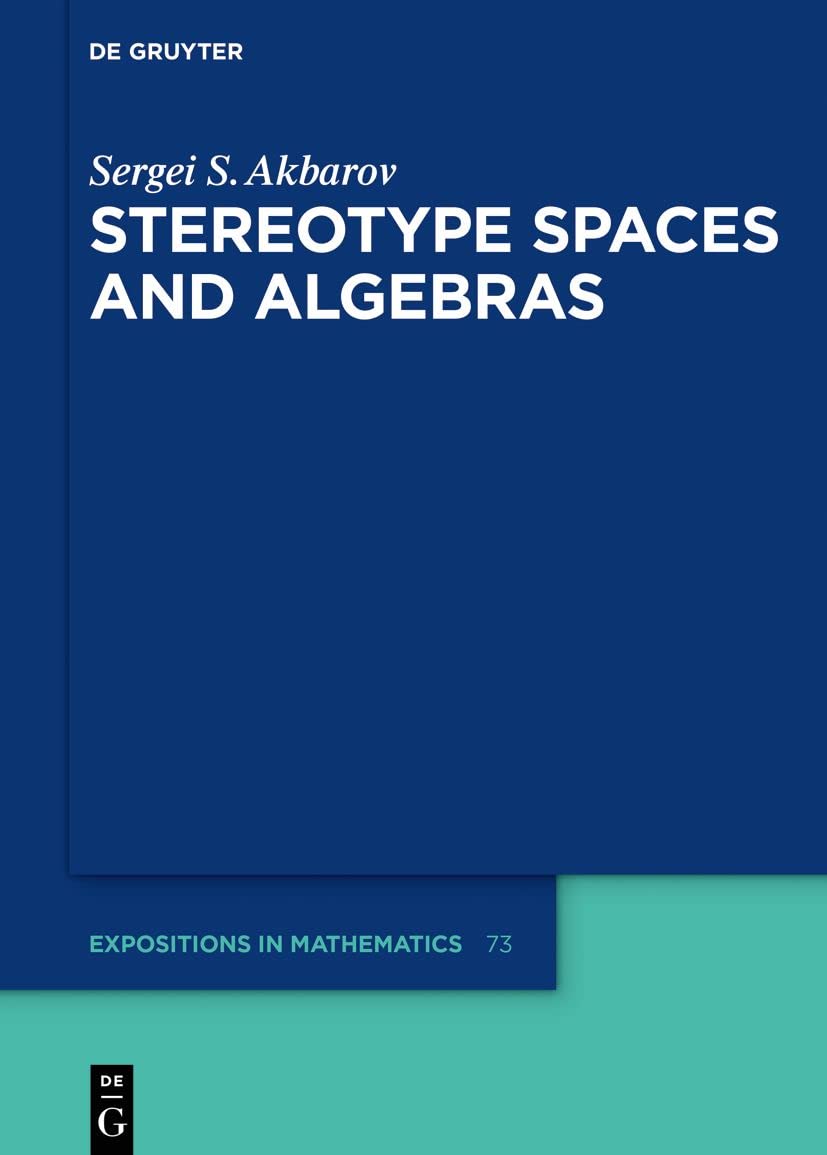
Stereotype Spaces and Algebras: 73 (De Gruyter Expositions in Mathematics, 73)
Mathematics
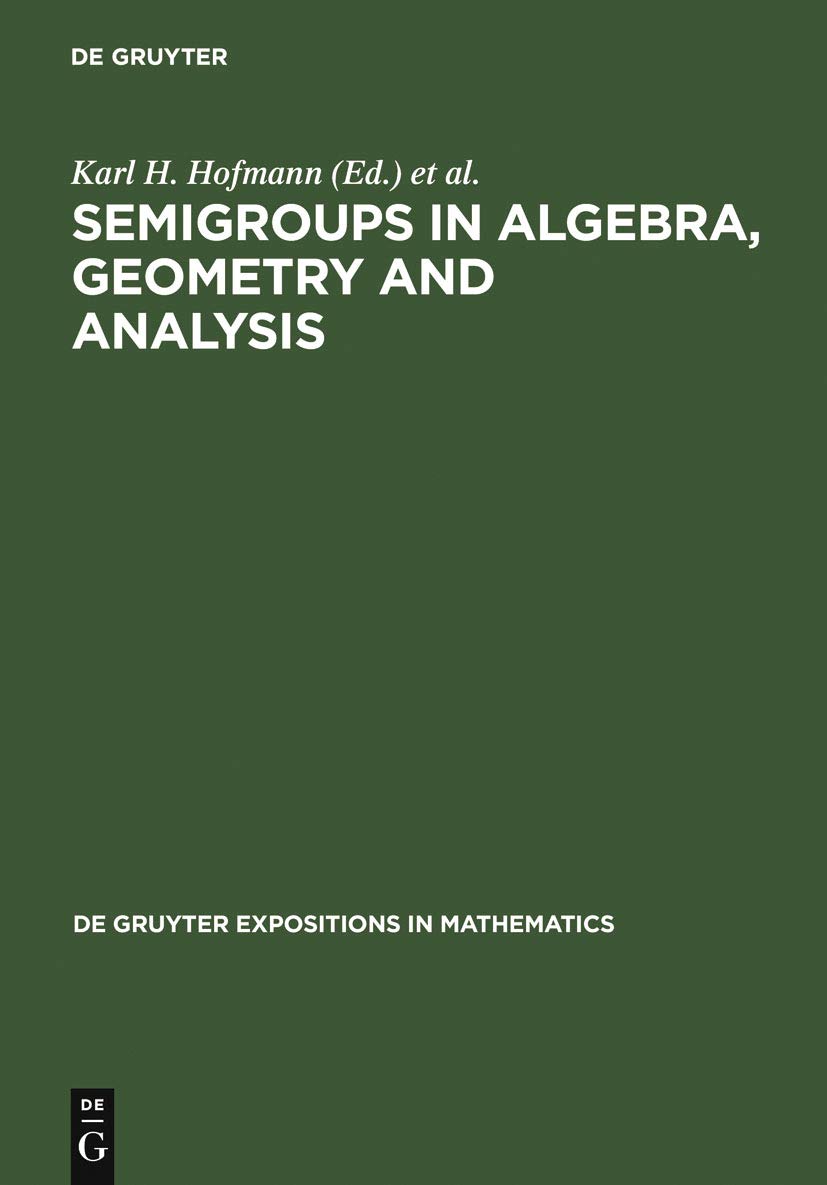
Semigroups in Algebra, Geometry and Analysis: 20 (De Gruyter Expositions in Mathematics, 20)
Mathematics
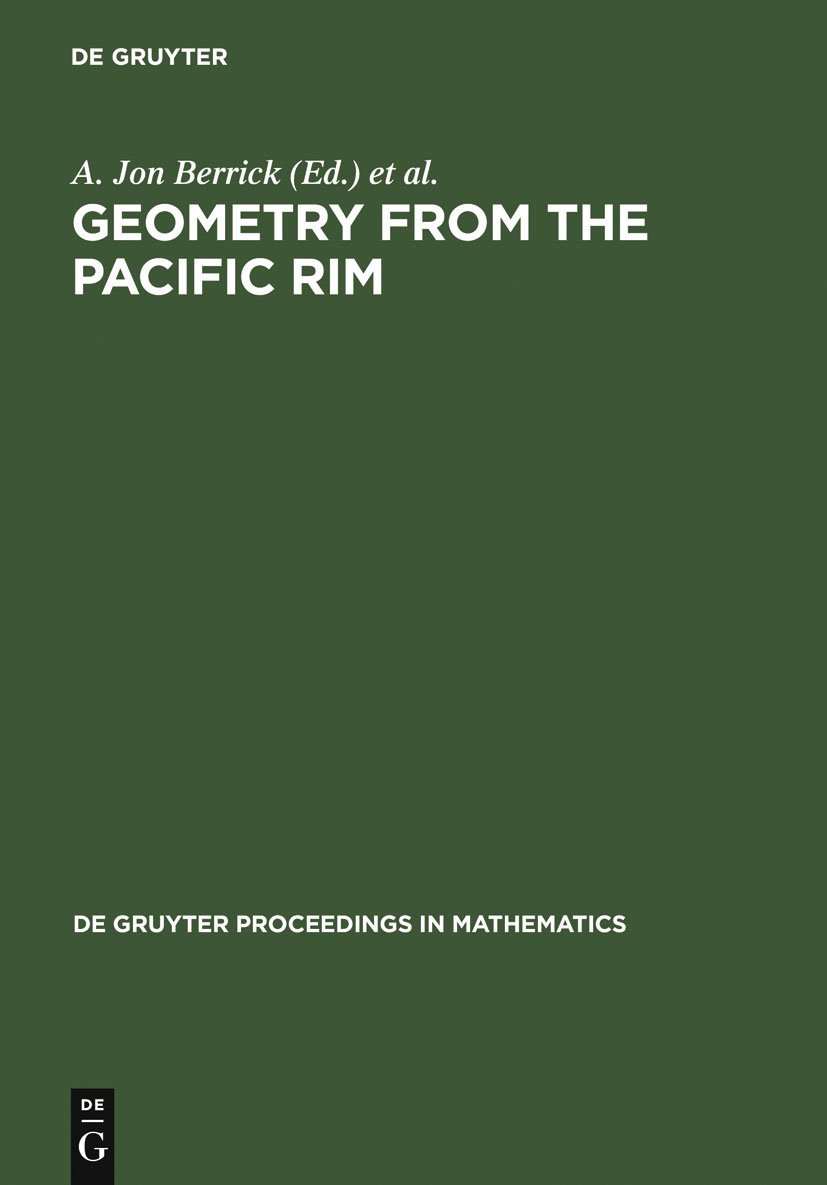
Geometry from the Pacific Rim: Proceedings of the Pacific Rim Geometry Conference held at National University of Singapore, Republic of Singapore, ... 1994 (De Gruyter Proceedings in Mathematics)
Mathematics
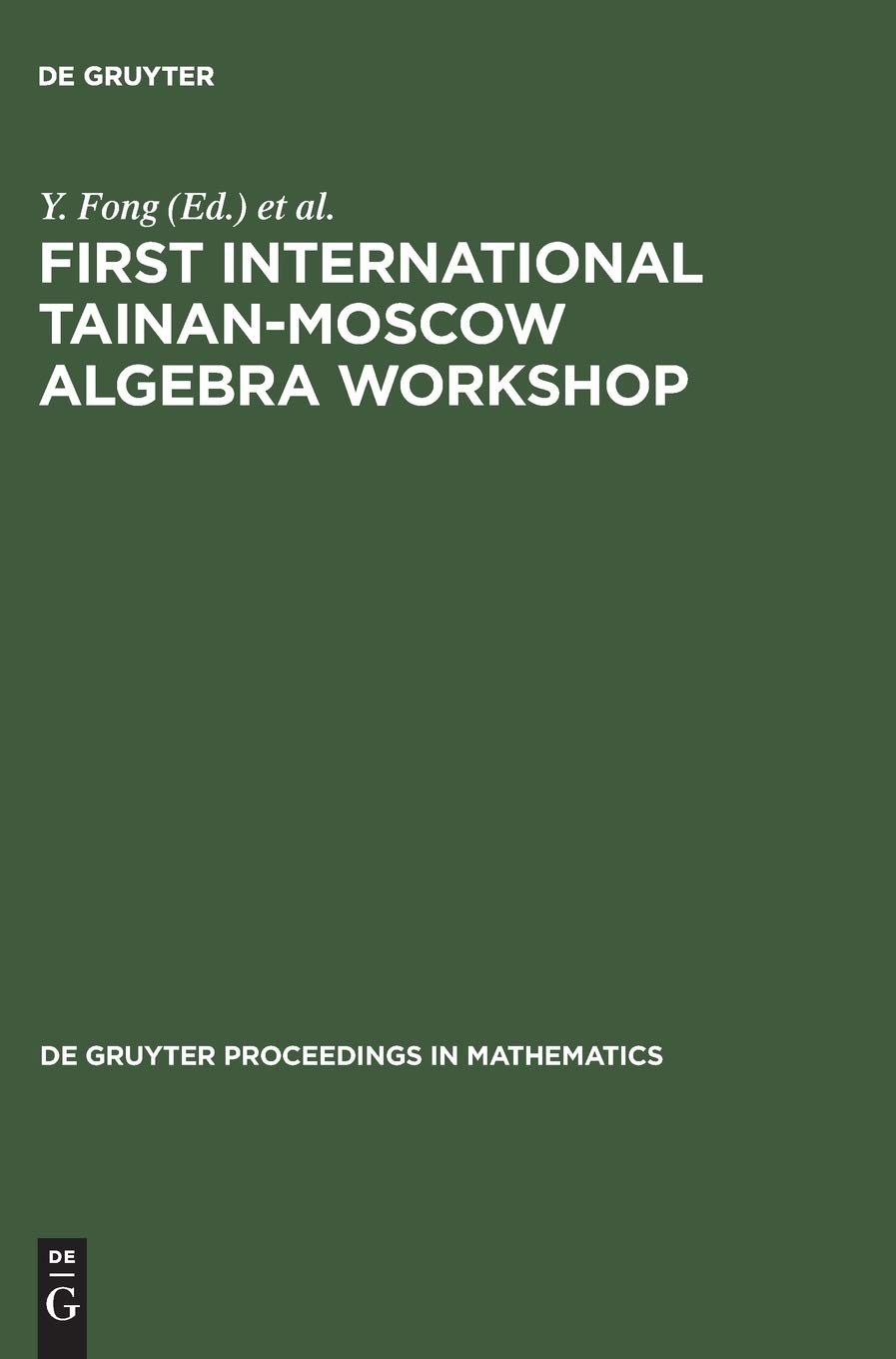
First International Tainan-Moscow Algebra Workshop: Proceedings of the International Conference held at National Cheng Kung University Tainan, Taiwan, ... 1994 (De Gruyter Proceedings in Mathematics)
Mathematics
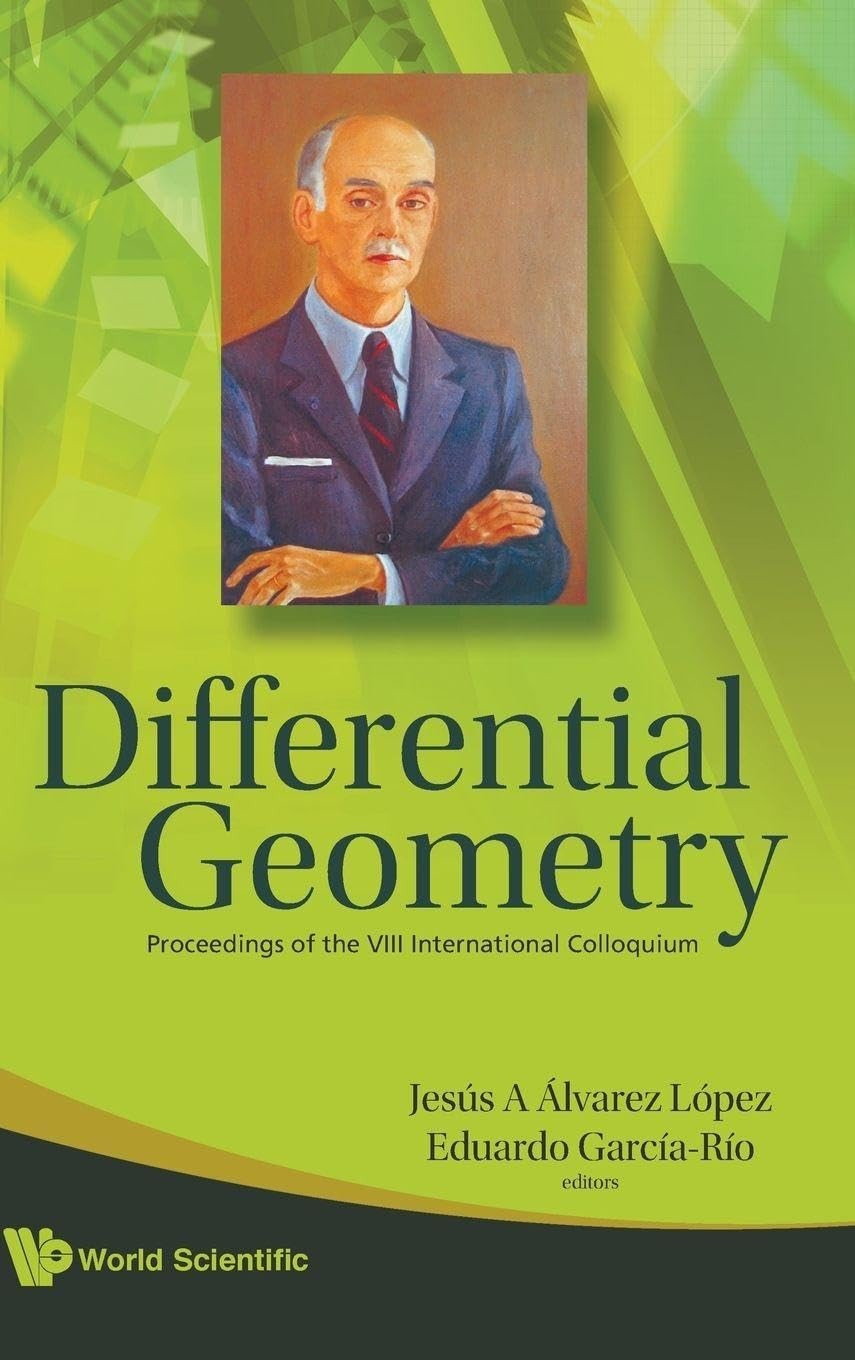
Differential Geometry - Proceedings of the VIII International Colloquium (English, Jesus A. Alvarez Lopez | Eduardo Garcia-Rio)
Mathematics
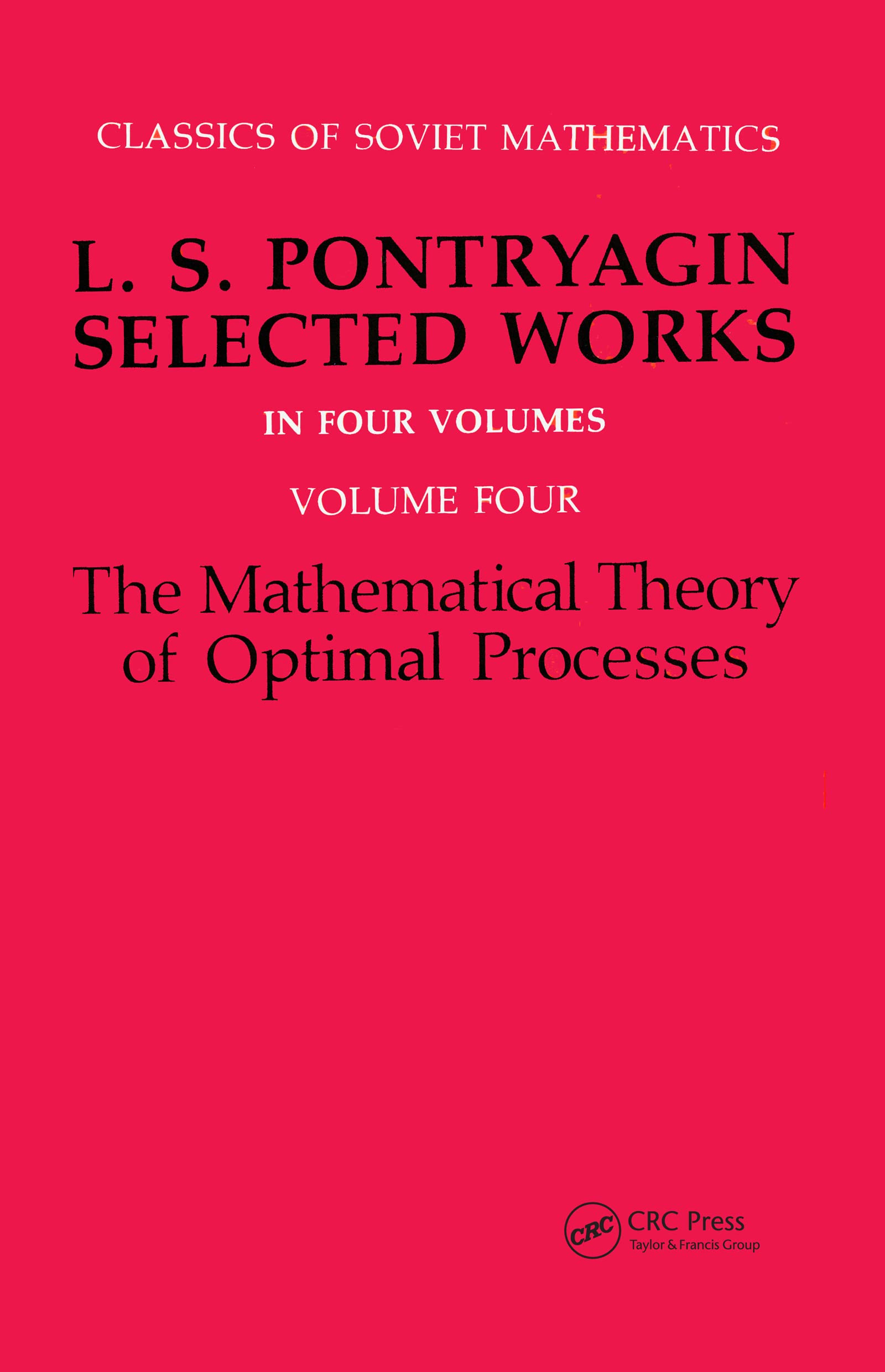
Mathematical Theory of Optimal Processes (Classics of Soviet Mathematics)
Related Products
View All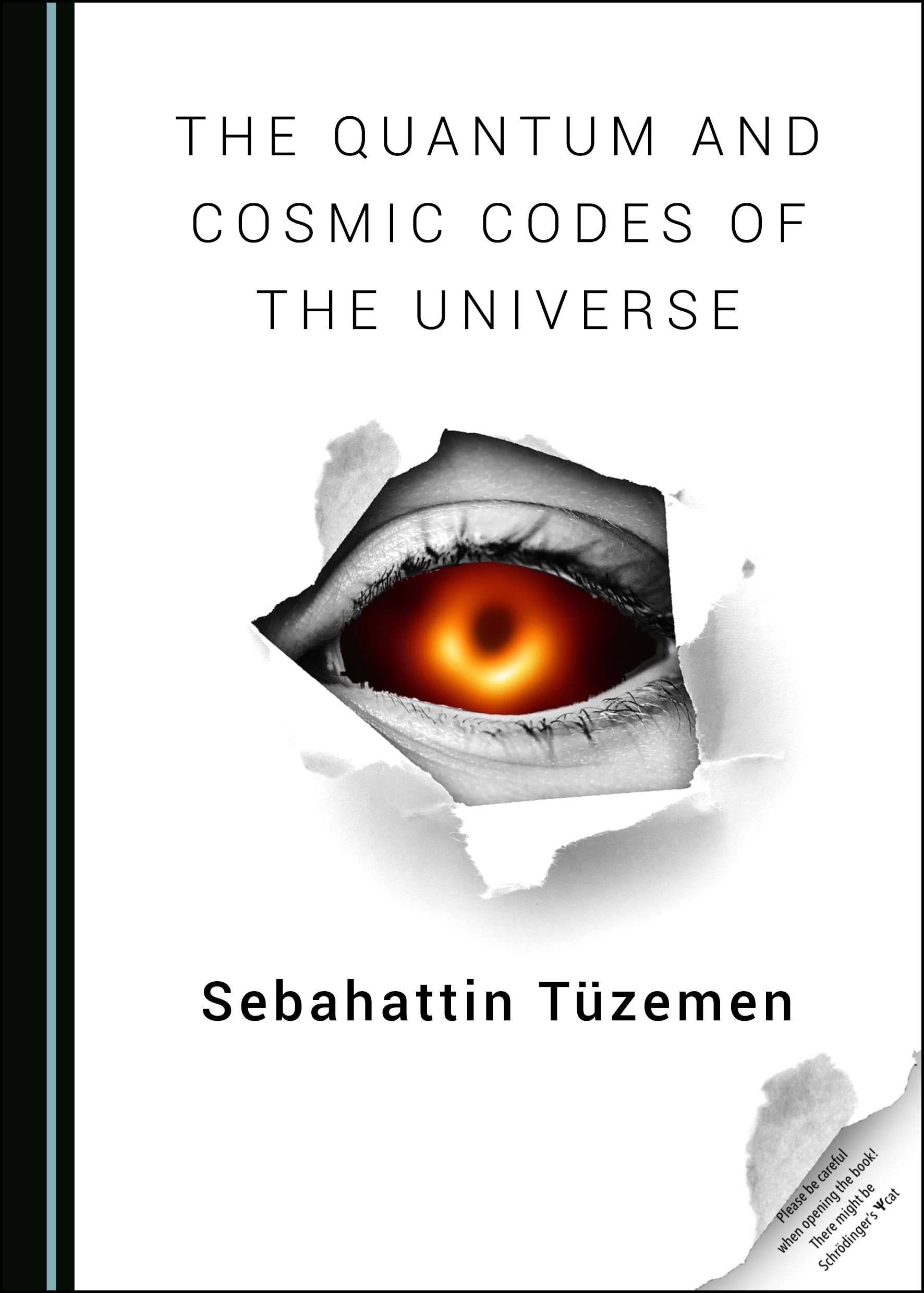
Physics
The Quantum and Cosmic Codes of the Universe
Physics
Physics for You by Keith Johnson – GCSE Physics Textbook
Physics
Experimental Techniques in Nuclear Physics
Physics
Essential Physics I

Physics
Modern Foundations of Quantum Optics
Physics