
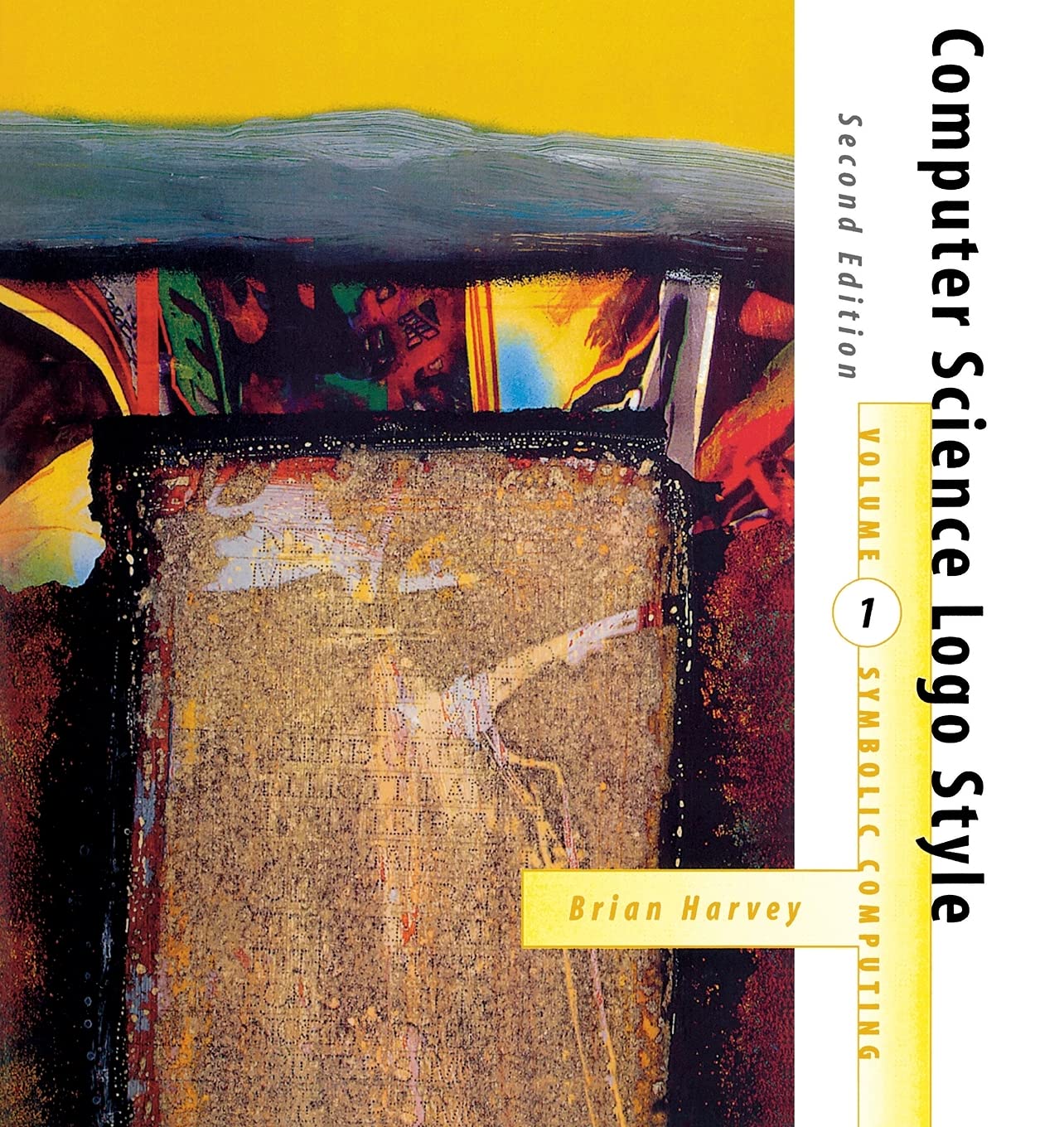
Computer Science Logo Style: Symbolic Computing by Brian Harvey – A Deep Dive into Programming with Logo for Indian Stud
Inclusive of all applicable taxes. FREE shipping on all orders.
Available Offers
- 🚚Free Delivery — Free shipping on all orders
- 💵Cash on Delivery — Pay when your order arrives
- ↩️15-Day Easy Returns — Hassle-free return policy
- 🔒Cash on Delivery — Pay safely when your order arrives
Check Delivery
Product Description
Introduction
Computer science is not just about writing code; it is about thinking logically, solving problems creatively, and understanding the foundational principles that power modern technology. For Indian students and educators seeking a rigorous yet accessible introduction to programming and symbolic computation, Brian Harvey's Computer Science Logo Style – Symbolic Computing 2e: Volume 1 (Exploring with LOGO) stands as a timeless classic. Published by MIT Press, this hardcover edition is an essential addition to any academic library, offering a hands-on, project-driven approach to learning computer science through the elegant and powerful LOGO programming language.
Book Overview
This second edition of Computer Science Logo Style – Symbolic Computing is the first volume in a celebrated series that reimagines introductory computer science education. Unlike conventional textbooks that rely on abstract theory, this book uses LOGO—a dialect of Lisp—to teach core concepts such as recursion, data structures, algorithm design, and symbolic manipulation in a concrete, interactive manner. The author, Brian Harvey, is a renowned computer science educator from the University of California, Berkeley, and his pedagogical philosophy shines through every chapter. The book is structured to build a solid foundation in programming while encouraging exploration, experimentation, and deep understanding. Whether you are a student preparing for competitive exams, a teacher designing a curriculum, or a self-learner passionate about computing, this volume provides a rich, engaging, and intellectually stimulating journey.
Key Highlights
- Comprehensive Coverage of Symbolic Computing: The book delves into symbolic computation—manipulating symbols and expressions—a cornerstone of artificial intelligence and advanced programming. Students learn to write programs that handle words, sentences, and mathematical formulas as data.
- Recursion-First Approach: Recursion is introduced early and used extensively, helping students develop a natural intuition for this powerful problem-solving technique. The book avoids the common pitfall of over-relying on loops, instead teaching recursive thinking from the ground up.
- Project-Based Learning: Each chapter includes numerous programming projects, from simple turtle graphics to complex symbolic manipulation tasks. These projects encourage active learning and allow students to see immediate results from their code.
- Clear, Conversational Style: Brian Harvey's writing is direct, engaging, and student-friendly. Complex concepts are broken down into manageable steps, with plenty of examples and diagrams to aid understanding.
- Focus on Problem Solving: The book emphasizes the process of designing, debugging, and refining programs. It teaches students how to think like computer scientists, breaking large problems into smaller, manageable subproblems.
Inside the Book
This volume is divided into logical sections that progressively build expertise. The opening chapters introduce the LOGO language, its syntax, and the fundamental operations of the interpreter. Readers then explore data types—numbers, words, and lists—and learn how to define their own procedures. A major portion of the book is dedicated to recursion, with detailed examples such as the classic Tower of Hanoi, recursive drawing, and list processing. Later chapters cover advanced topics like property lists, debugging techniques, and the implementation of simple artificial intelligence programs. The book concludes with a series of challenging projects that integrate all the concepts learned, including a symbolic differentiation program and a natural language parser. Every chapter includes carefully crafted exercises and discussion questions that reinforce the material and encourage deeper reflection.
Key Topics
- Introduction to LOGO and the programming environment
- Data types: numbers, words, sentences, and lists
- Defining and using procedures (functions)
- Recursion: base cases, recursive calls, and tail recursion
- Iteration and recursion compared
- Data abstraction and hierarchical structures
- Symbolic manipulation: pattern matching, substitution, and transformation
- Property lists and associative memory
- Debugging strategies and testing
- Implementation of a simple expert system
- Introduction to artificial intelligence concepts
Reader Benefits
- Strong Foundation in Programming Logic: By mastering LOGO and symbolic computing, readers develop a deep understanding of fundamental programming constructs that transfer directly to languages like Python, Java, and C++.
- Enhanced Problem-Solving Skills: The recursive and symbolic approach trains the mind to think algorithmically, improving analytical abilities in mathematics, engineering, and data science.
- Confidence in Tackling Complex Projects: The project-based format ensures that readers can apply their knowledge to build substantial, working programs by the end of the book.
- Preparation for Advanced Study: This volume lays the groundwork for the subsequent volumes in the series, which cover more advanced topics like artificial intelligence and object-oriented programming.
- Cultural and Historical Insight: LOGO has a rich history in education, and understanding it gives students a unique perspective on the evolution of computer science pedagogy.
Learning Outcomes
By the end of this book, readers will be able to: design and implement recursive algorithms with confidence; manipulate symbolic data structures such as lists and sentences; write programs that perform pattern matching and substitution; debug code systematically using both manual and automated techniques; create simple AI programs that reason with rules and facts; translate problems from natural language into computational solutions; and appreciate the elegance and power of symbolic computation. These outcomes are not just theoretical—they are demonstrated through numerous code examples and projects that readers can run and modify.
Who Should Read
This book is ideal for undergraduate students in computer science or related engineering disciplines who want a solid introduction to programming and symbolic computation. It is also highly suitable for high school students with an aptitude for mathematics and logic, as well as teachers and educators looking for a proven curriculum for teaching programming concepts. Self-taught programmers who wish to deepen their understanding of recursion and symbolic processing will find this book invaluable. Additionally, hobbyists interested in artificial intelligence, natural language processing, or educational technology will benefit from the clear, practical approach. The book assumes no prior programming experience, making it accessible to beginners, yet it offers enough depth to challenge experienced learners.
About the Author
Brian Harvey is a Senior Lecturer Emeritus in Computer Science at the University of California, Berkeley, where he taught for over three decades. He is widely recognized for his work in computer science education, particularly for his development of the Berkeley LOGO project and his advocacy for teaching programming through the lens of recursion and symbolic computation. Harvey has authored multiple books on programming and computer science, and his courses at Berkeley were legendary for their rigor and accessibility. His deep commitment to student learning and his ability to explain complex ideas with clarity make this book a masterpiece of educational writing.
About the Publisher
MIT Press is one of the world's most prestigious academic publishers, known for its high-quality books in science, technology, engineering, and mathematics. With a legacy spanning over 90 years, MIT Press has published groundbreaking works by leading scholars and researchers. Their computer science titles are particularly respected for their depth, accuracy, and relevance to both academic and professional audiences. This hardcover edition of Computer Science Logo Style – Symbolic Computing 2e upholds the publisher's tradition of excellence, featuring a durable binding and clear typesetting suitable for years of study and reference.
Conclusion
Computer Science Logo Style – Symbolic Computing 2e: Volume 1 (Exploring with LOGO) is more than just a textbook—it is an invitation to think differently about computation. By emphasizing recursion, symbolic manipulation, and hands-on exploration, Brian Harvey equips readers with intellectual tools that remain relevant across decades of technological change. For Indian students aspiring to excel in computer science, engineering, or artificial intelligence, this book offers a rare combination of depth, clarity, and practical wisdom. Add this hardcover volume to your collection today and embark on a transformative journey into the heart of programming.
Quick Summary
Computer Science Logo Style: Symbolic Computing by Brian Harvey is a foundational textbook that introduces programming and computer science through the elegant Logo language. Published by MIT Press, this second edition emphasizes symbolic computation, recursion, and list processing, providing readers with a deep understanding of how computers manipulate symbols and solve problems. The book is ideal for Indian students new to programming as well as those seeking a solid theoretical grounding. Brian Harvey, a respected educator from UC Berkeley, crafts each chapter with clear explanations, practical examples, and engaging exercises that build confidence and competence. Readers will learn to think algorithmically, design recursive functions, and handle complex data structures—skills that transfer directly to languages like Python, Java, or Lisp. This hardcover edition is built to last, making it a valuable addition to any student's library. By choosing Bookshops.in, you ensure a genuine copy delivered promptly across India, backed by reliable customer support. Whether for classroom use or self-study, this book remains a timeless resource for mastering the core ideas of computer science.
Book Highlights
Book Specifications
| ISBN-13 | 9780262581486 |
| ISBN-10 | 0262581485 |
| Publisher | MIT Press |
| Language | English |
| Dimensions | 20.45 x 2.11 x 22.86 cm |
| Weight | 726 g |
| Country | India |
| Category | Languages › C & C++ |
| Series | Computer Science Logo Style |
| Genre | Nonfiction |
| Original Language | English |
Frequently Asked Questions
What is Computer Science Logo Style about?
Who is the author of this book?
Is this book suitable for beginners?
What edition is this?
Does this book cover only Logo programming?
What is the price of this book in India?
Can I use this book for self-study?
Is this book part of a series?
Does the book include exercises?
What is the language of the book?
What is the ISBN of this book?
Why should I buy from Bookshops.in?
Readers Also Search For
Customers Also Bought

Programming
Algorithmische Sprache Und Programmentwicklung | by H. Partsch | F. L. Bauer | P. Pepper | Springer | by H. Partsch | F. L. Bauer | P. Pepper | Springer | by H. Partsch | F. L. Bauer | P. Pepper | Springer | by H. Partsch | F. L. Bauer | P. Pepper | Springer | by H. Partsch | F. L. Bauer | P. Pepper | Springer | by H. Partsch | F. L. Bauer | P. Pepper | Springer | by H. Partsch | F. L. Bauer | P. Pepper | Springer | by H. Partsch | F. L. Bauer | P. Pepper | Springer | by H. Partsch | F. L. Bauer
Programming
Distributed Algorithms | by Jean-Claude Bermond | Michel Raynal | Springer | by Jean-Claude Bermond | Michel Raynal | Springer | by Jean-Claude Bermond | Michel Raynal | Springer | by Jean-Claude Bermond | Michel Raynal | Springer | by Jean-Claude Bermond | Michel Raynal | Springer | by Jean-Claude Bermond | Michel Raynal | Springer | by Jean-Claude Bermond | Michel Raynal | Springer | by Jean-Claude Bermond | Michel Raynal | Springer | by Jean-Claude Bermond | Michel Raynal | Springer | by Jean
Programming
Meta-Level Control for Deductive Database Systems | by Helmut Schmidt | Springer | by Helmut Schmidt | Springer | by Helmut Schmidt | Springer | by Helmut Schmidt | Springer | by Helmut Schmidt | Springer | by Helmut Schmidt | Springer | by Helmut Schmidt | Springer | by Helmut Schmidt | Springer | by Helmut Schmidt | Springer | by Helmut Schmidt | Springer | by Helmut Schmidt | Springer | by Helmut Schmidt | Springer | by Helmut Schmidt | Springer | by Helmut Schmidt | Springer | by Helmut Schm
Programming
Java Web Services | by David A. Chappell | Tyler Jewell | O'Reilly Media | by David A. Chappell | Tyler Jewell | O'Reilly Media | by David A. Chappell | Tyler Jewell | O'Reilly Media | by David A. Chappell | Tyler Jewell | O'Reilly Media | by David A. Chappell | Tyler Jewell | O'Reilly Media | by David A. Chappell | Tyler Jewell | O'Reilly Media | by David A. Chappell | Tyler Jewell | O'Reilly Media | by David A. Chappell | Tyler Jewell | O'Reilly Media | by David A. Chappell | Tyler Jewell | O'
Programming
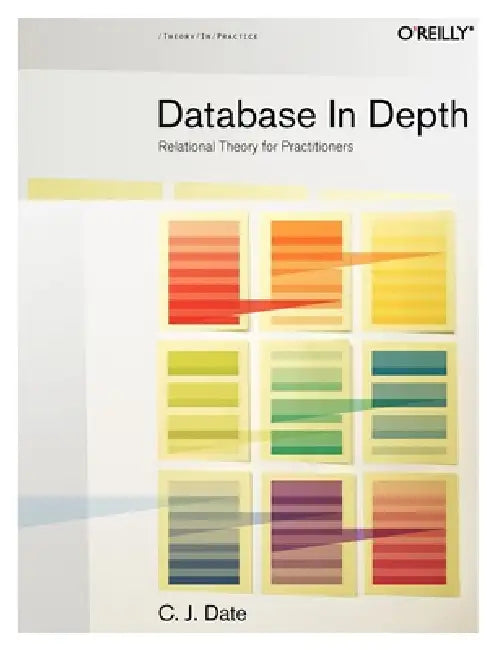
Database in Depth | by Chris J. Date | O'Reilly Media | by Chris J. Date | O'Reilly Media | by Chris J. Date | O'Reilly Media | by Chris J. Date | O'Reilly Media | by Chris J. Date | O'Reilly Media | by Chris J. Date | O'Reilly Media | by Chris J. Date | O'Reilly Media | by Chris J. Date | O'Reilly Media | by Chris J. Date | O'Reilly Media | by Chris J. Date | O'Reilly Media | by Chris J. Date | O'Reilly Media | by Chris J. Date | O'Reilly Media | by Chris J. Date | O'Reilly Media | by Chris J.

Programming
Integration of AI and OR Techniques in Constraint Programming for Combinatorial Optimization Problem | by Nicolas Beldiceanu | Narendra Jussien | Eric Pinson | Springer | by Nicolas Beldiceanu | Narendra Jussien | Eric Pinson | Springer | by Nicolas Beldiceanu | Narendra Jussien | Eric Pinson | Springer | by Nicolas Beldiceanu | Narendra Jussien | Eric Pinson | Springer | by Nicolas Beldiceanu | Narendra Jussien | Eric Pinson | Springer | by Nicolas Beldiceanu | Narendra Jussien | Eric Pinson |
Related Products
View All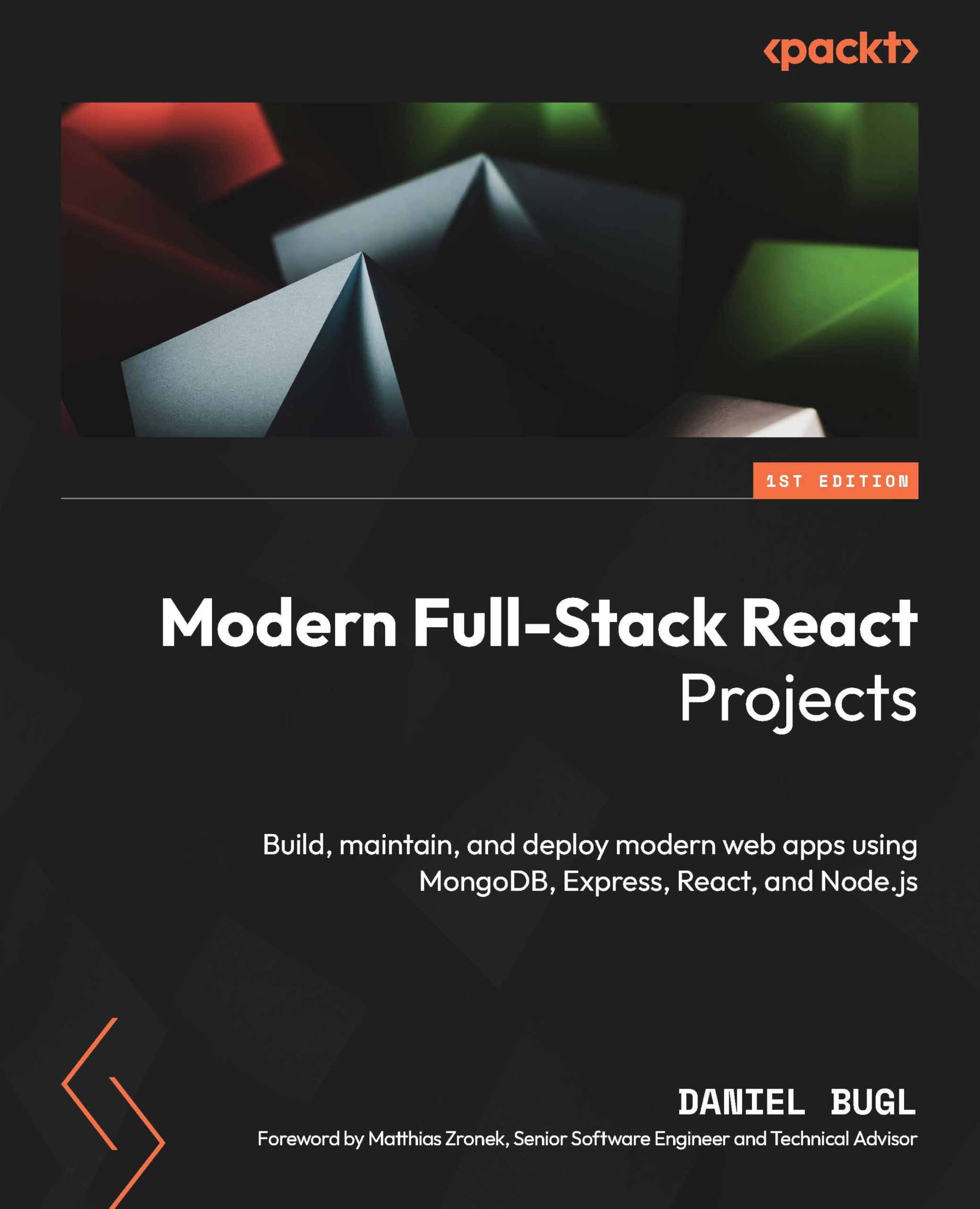
Computers & Internet
Modern Full-Stack React Projects by Daniel Bugl
Computers & Internet
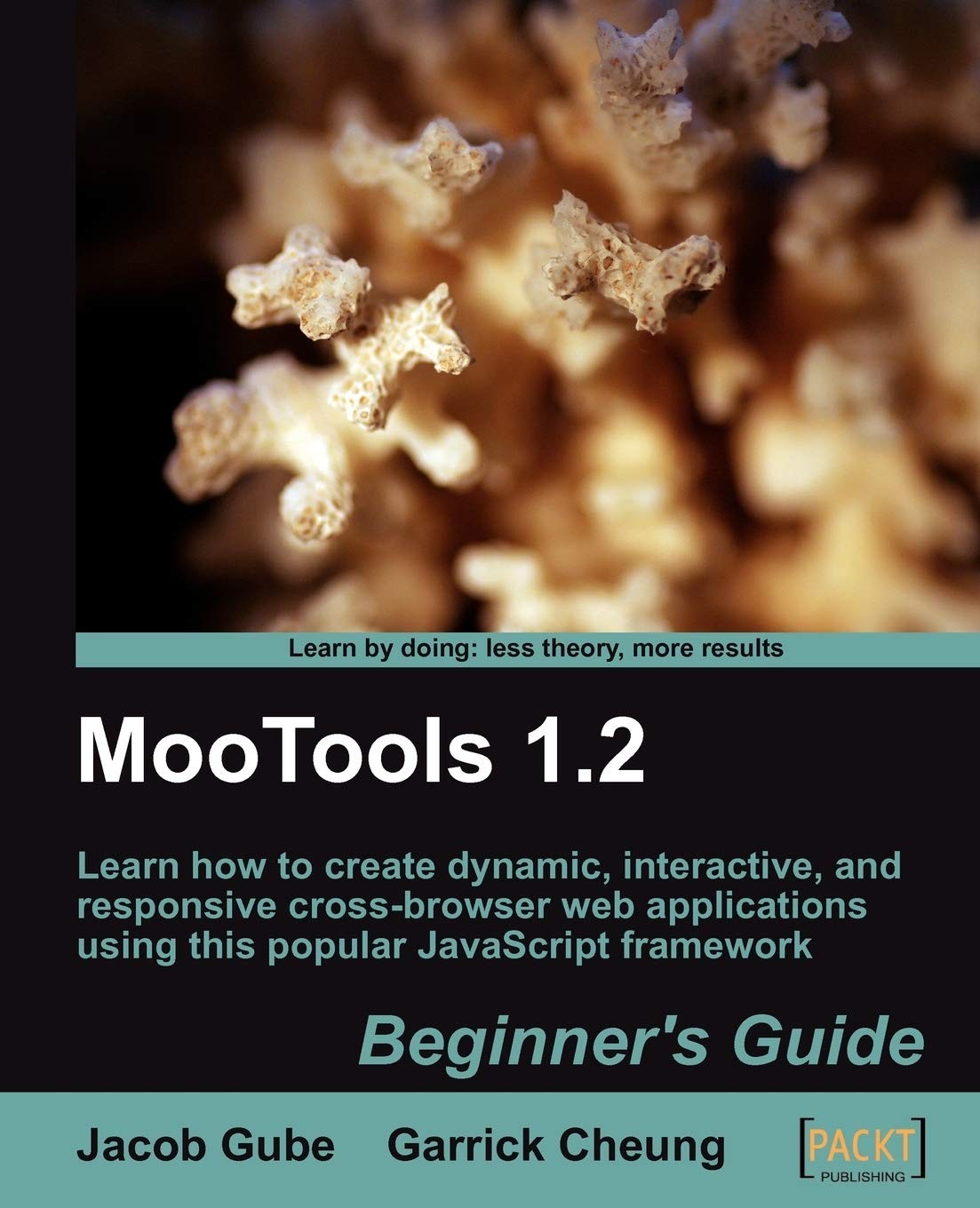
Mootools 1.2 Beginner's Guide (English, Jacob Gube)
Computers & Internet
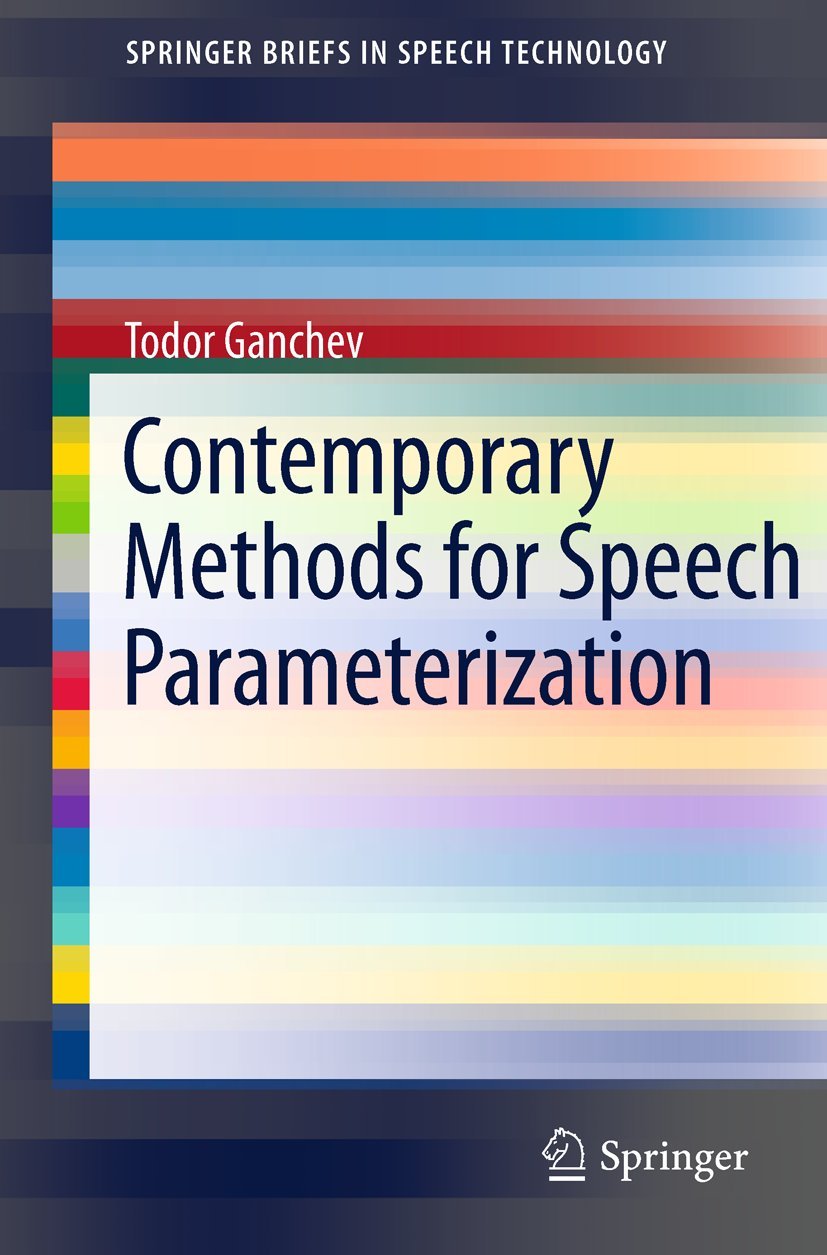
Contemporary Methods for Speech Parameterization (Springerbriefs in Electrical and Computer Engineering / Springerbriefs in Speech Technology)

Computers & Internet
Information Technology and Lawyers | by Arno R. Lodder | Anja Oskamp | Springer | by Arno R. Lodder | Anja Oskamp | Springer | by Arno R. Lodder | Anja Oskamp | Springer | by Arno R. Lodder | Anja Oskamp | Springer | by Arno R. Lodder | Anja Oskamp | Springer | by Arno R. Lodder | Anja Oskamp | Springer | by Arno R. Lodder | Anja Oskamp | Springer | by Arno R. Lodder | Anja Oskamp | Springer | by Arno R. Lodder | Anja Oskamp | Springer | by Arno R. Lodder | Anja Oskamp | Springer | by Arno R. Lo

Computers & Internet
Digital Analysis of Remotely Sensed Imagery | by Jay Gao | McGraw-Hill Companies | by Jay Gao | McGraw-Hill Companies | by Jay Gao | McGraw-Hill Companies | by Jay Gao | McGraw-Hill Companies | by Jay Gao | McGraw-Hill Companies | by Jay Gao | McGraw-Hill Companies | by Jay Gao | McGraw-Hill Companies | by Jay Gao | McGraw-Hill Companies | by Jay Gao | McGraw-Hill Companies | by Jay Gao | McGraw-Hill Companies | by Jay Gao | McGraw-Hill Companies | by Jay Gao | McGraw-Hill Companies | by Jay Gao
Computers & Internet