
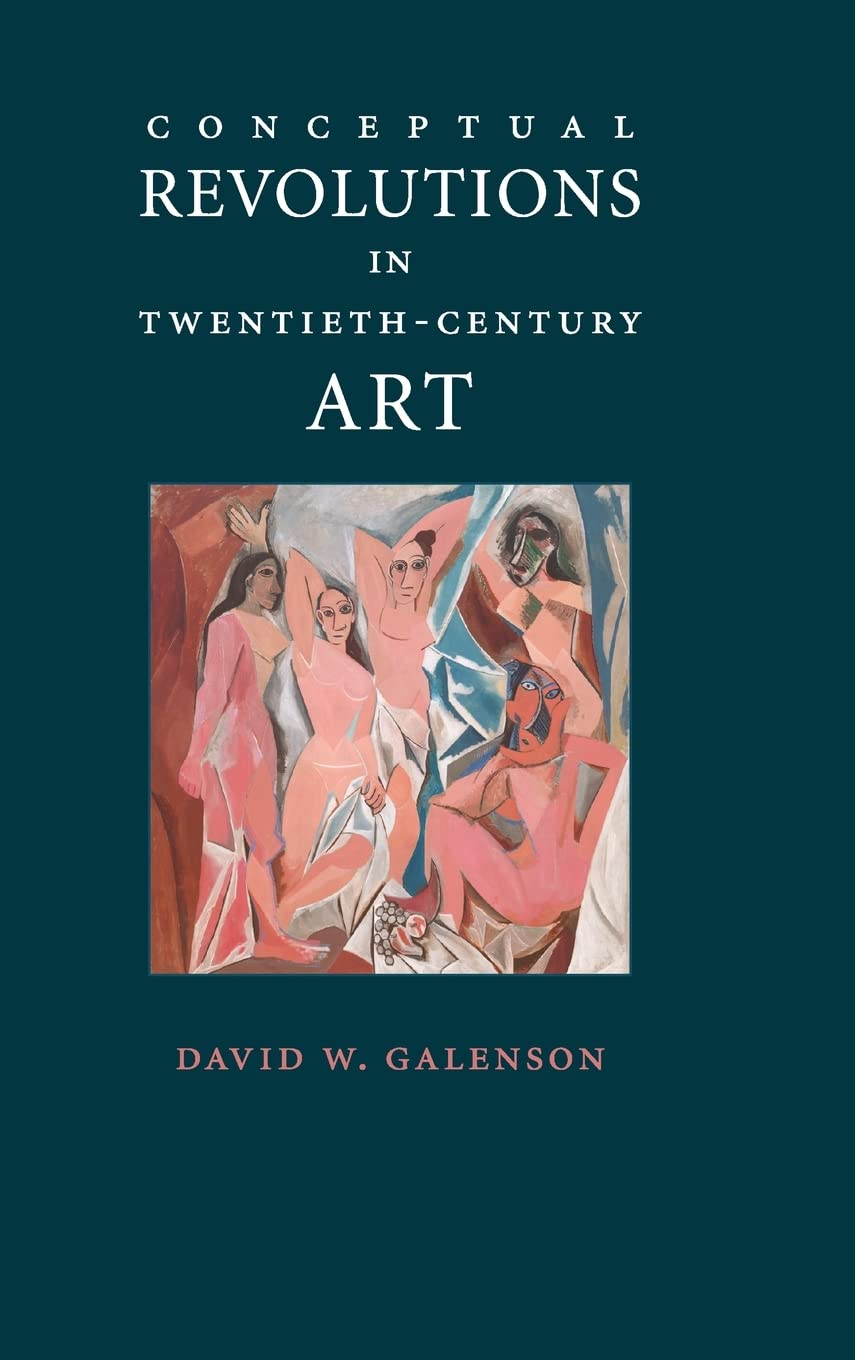
Conceptual Revolutions in Twentieth-Century Art: How Picasso, Duchamp, Warhol & Others Redefined Modern Art – By David W
Inclusive of all applicable taxes. FREE shipping on all orders.
Available Offers
- 🚚Free Delivery — Free shipping on all orders
- 💵Cash on Delivery — Pay when your order arrives
- ↩️15-Day Easy Returns — Hassle-free return policy
- 🔒Cash on Delivery — Pay safely when your order arrives
Check Delivery
Product Description
Introduction
Art in the twentieth century was not merely a continuation of tradition—it was a dramatic break, a series of conceptual earthquakes that reshaped how we think about creativity, beauty, and meaning. From Picasso’s fragmented faces to Warhol’s soup cans, the art world underwent a radical transformation driven by a hunger for innovation. In Conceptual Revolutions in Twentieth-Century Art, David W. Galenson offers a fresh, data-driven lens to understand this seismic shift. This book is not just for art lovers; it is for anyone curious about how ideas—and the people behind them—change the world.
Book Overview
Published by Cambridge University Press, this hardcover volume systematically explores why twentieth-century art broke so decisively with the past. Galenson argues that a fundamental change in the market for advanced art created an unprecedented demand for novelty. Young conceptual innovators—from Picasso and Duchamp to Rauschenberg, Warhol, Cindy Sherman, and Damien Hirst—responded not only by inventing dozens of new art forms but also by adopting behaviours that earlier generations would have found incomprehensible. Combining social scientific methods with rich qualitative analysis, Galenson delivers a groundbreaking interpretation that goes far beyond conventional art criticism.
Key Highlights
- Pioneering Analysis: The first systematic study of why twentieth-century art diverged so sharply from tradition.
- Data-Driven Insights: Uses economic and statistical tools to map artistic innovation, making complex ideas accessible.
- Iconic Artists Decoded: In-depth looks at Picasso, Duchamp, Warhol, Rauschenberg, Sherman, Hirst, and more.
- Market Forces Explored: Reveals how changing art markets fuelled the demand for radical new concepts.
- Original Framework: Galenson’s own research on creativity—already influential in economics and art history—is applied here with clarity.
Inside the Book
This is not a dry academic tome. Galenson writes with the precision of a social scientist and the narrative flair of a storyteller. Each chapter unpacks a major conceptual revolution: Cubism’s deconstruction of perspective, Duchamp’s readymades that questioned what art even is, Warhol’s silkscreens that blurred high and low culture, and Smithson’s earthworks that escaped the gallery entirely. The book also examines the younger generation of conceptual artists like Cindy Sherman and Damien Hirst, showing how their work continues the tradition of radical innovation. Throughout, Galenson weaves in data on auction prices, exhibition histories, and critical reception to support his arguments.
Key Topics
- The rise of conceptual art from 1900 to 2000
- How market forces drive artistic innovation
- Case studies of Picasso, Duchamp, Warhol, and others
- The shift from aesthetic to idea-based art
- The role of youth and iconoclasm in modern creativity
- Conceptual vs. experimental approaches to art-making
- The legacy of twentieth-century art for today’s creators
Reader Benefits
- Deepen Your Understanding: Move beyond surface-level art history to grasp the economic and psychological forces behind masterpieces.
- Connect Art and Ideas: See how conceptual revolutions in art mirror broader cultural and intellectual shifts.
- Boost Critical Thinking: Galenson’s method trains you to analyse creativity with rigour, not just intuition.
- Appreciate Modern Art: Finally make sense of works that once seemed baffling or arbitrary.
- Inspire Your Own Work: Whether you are an artist, student, or entrepreneur, the lessons on innovation are directly applicable.
Learning Outcomes
- Identify the key conceptual breakthroughs that defined twentieth-century art.
- Explain how market demand shaped artistic production and reception.
- Analyse the difference between conceptual and experimental innovators.
- Trace the lineage of ideas from Cubism to contemporary installations.
- Apply Galenson’s framework to evaluate new art forms and trends.
Who Should Read
This book is ideal for Indian art students, curators, and collectors who want a rigorous yet readable account of modern art’s evolution. It will also appeal to economists and sociologists interested in creativity, as well as general readers who enjoy smart, accessible non-fiction. If you have ever stood before a modern artwork and wondered, “Why is this considered art?”—this book will give you answers that are both surprising and satisfying.
About the Author
David W. Galenson is a professor of economics at the University of Chicago and a leading scholar of creativity. His earlier research—including groundbreaking studies on the life cycles of artists—has fundamentally changed how we understand innovation. Galenson brings a rare combination of quantitative rigour and deep cultural knowledge to his work, making him one of the most original thinkers in the field of art economics.
About the Publisher
Cambridge University Press is one of the world’s oldest and most respected academic publishers. With a history stretching back to 1584, Cambridge is known for producing authoritative works that shape scholarship across disciplines. This book reflects their commitment to publishing rigorous, thought-provoking research that reaches both academics and general readers.
Conclusion
Conceptual Revolutions in Twentieth-Century Art is more than a history—it is a new way of seeing. David Galenson’s innovative approach reveals the hidden logic behind the most radical art of the past century, from Picasso’s Cubism to Hirst’s sharks. For anyone who wants to understand not just what modern art is, but why it came to be, this book is indispensable. Whether you are a student preparing for exams, a collector building a library, or simply a curious mind, this hardcover volume will change how you think about creativity forever.
Quick Summary
Conceptual Revolutions in Twentieth-Century Art by David W. Galenson is a groundbreaking study that explains why 20th-century art broke so dramatically from earlier traditions. Galenson, a renowned scholar of creativity, argues that a fundamental shift in the art market created an unprecedented demand for innovation. This drove young conceptual artists—from Picasso and Duchamp to Rauschenberg, Warhol, Cindy Sherman, and Damien Hirst—to invent dozens of new art forms, including Cubism, readymades, Pop Art, and earthworks. The book combines social scientific methods with qualitative analysis to reveal patterns in artistic behavior that were previously overlooked. Readers will learn how market forces, generational change, and conceptual thinking reshaped the art world. This book is ideal for art history students, sociology researchers, collectors, and anyone fascinated by creativity. By purchasing from Bookshops.in, Indian readers get access to an authentic Cambridge University Press hardcover edition with reliable service and fast delivery.
Book Highlights
Book Specifications
| ISBN-13 | 9780521112321 |
| ISBN-10 | 052111232X |
| Publisher | Cambridge University Press |
| Language | English |
| Dimensions | 15.88 x 2.54 x 23.5 cm |
| Weight | 750 g |
| Country | India |
| Category | Business & Finance › Economics |
| Genre | Nonfiction |
| Original Language | English |
Frequently Asked Questions
What is the main argument of Conceptual Revolutions in Twentieth-Century Art?
Which artists are discussed in the book?
What art movements does the book cover?
Is this book suitable for beginners in art history?
Does the book include illustrations?
How does this book differ from other art history texts?
What is the ISBN-13?
Is this book available in Indian bookstores?
What is the price of the book?
Can I use this book for my university course?
Does the book discuss contemporary artists beyond 2000?
Why should I buy this book from Bookshops.in?
Readers Also Search For
Customers Also Bought

Entrepreneurship
Chinese Economic Revolution (English, Linda Grove)
Entrepreneurship
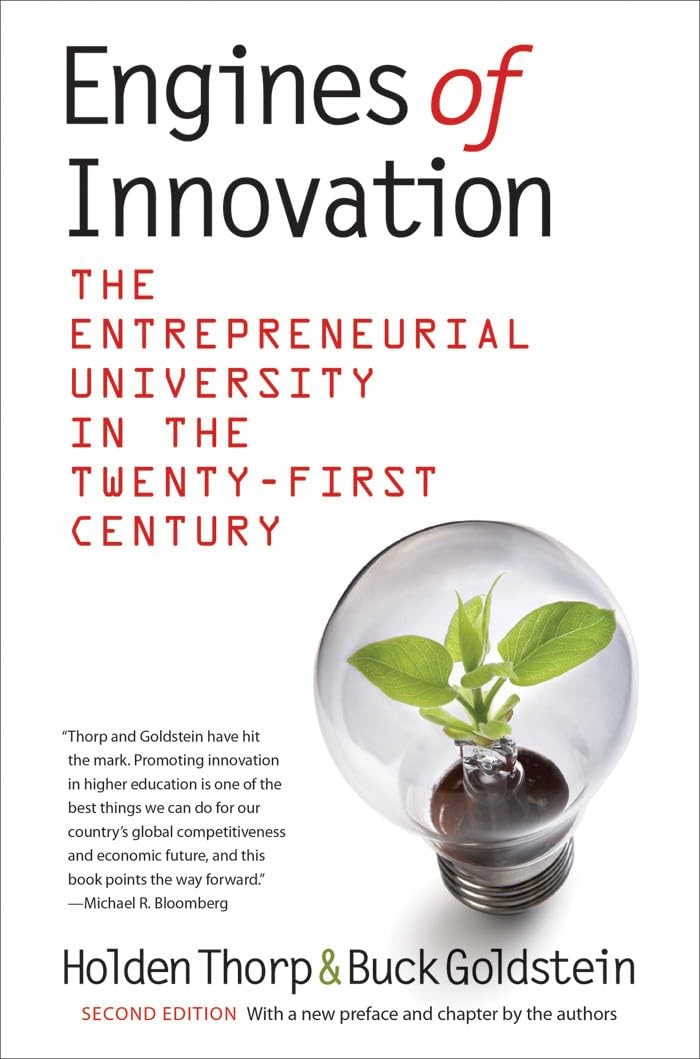
Engines of Innovation: The Entrepreneurial University in the Twenty-First Century by Holden Thorp
Entrepreneurship
Invention to Innovation (English, PhD Marshall Larry | Jenna Daroczy)

Entrepreneurship
Database Management Systems by Raghu Ramakrishnan – DBMS Textbook

Entrepreneurship
Decision-making for Technology Executives by Harold A. Linstone
Entrepreneurship
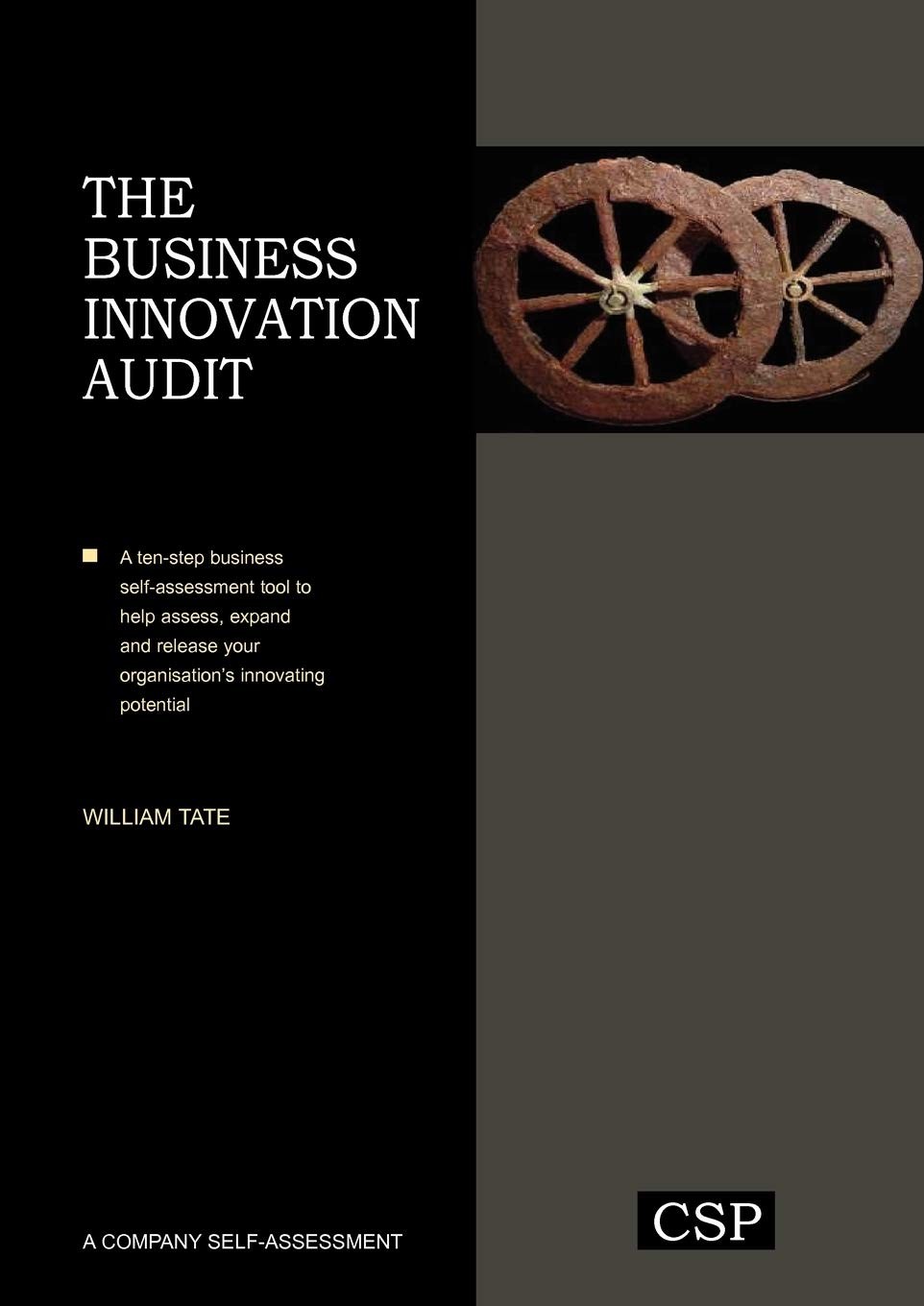
The Business Innovation Audit (English, William Tate)
Related Products
View All
Economics
Political Economy from Pufendorf to Marx (English, István Hont | Lasse S. Andersen | Béla Kapossy)
Economics
Women's Entrepreneurship and Economics (English, Miguel-Angel Galindo | Domingo Ribeiro)
Economics
Trade Policy and Industrialization in Turbulent Times | by Gerry Helleiner | Routledge | by Gerry Helleiner | Routledge | by Gerry Helleiner | Routledge | by Gerry Helleiner | Routledge | by Gerry Helleiner | Routledge | by Gerry Helleiner | Routledge | by Gerry Helleiner | Routledge | by Gerry Helleiner | Routledge | by Gerry Helleiner | Routledge | by Gerry Helleiner | Routledge | by Gerry Helleiner | Routledge | by Gerry Helleiner | Routledge | by Gerry Helleiner | Routledge | by Gerry Hellei
Economics
History of Economic Analysis | by Schumpeter Joseph A. | Taylor & Francis Ltd | by Schumpeter Joseph A. | Taylor & Francis Ltd | by Schumpeter Joseph A. | Taylor & Francis Ltd | by Schumpeter Joseph A. | Taylor & Francis Ltd | by Schumpeter Joseph A. | Taylor & Francis Ltd | by Schumpeter Joseph A. | Taylor & Francis Ltd | by Schumpeter Joseph A. | Taylor & Francis Ltd | by Schumpeter Joseph A. | Taylor & Francis Ltd | by Schumpeter Joseph A. | Taylor & Franci
Economics
OECD Compendium of Productivity Indicators 2015 | by Organization for Economic Cooperation an | Organization for Economic Co-Operation & Deve | by Organization for Economic Cooperation an | Organization for Economic Co-Operation & Deve | by Organization for Economic Cooperation an | Organization for Economic Co-Operation & Deve | by Organization for Economic Cooperation an | Organization for Economic Co-Operation & Deve | by Organization for Economic Cooperation an | Organization

Economics