

Conceptualizing Music: Cognitive Structure, Theory, and Analysis by Lawrence M. Zbikowski – A Groundbreaking Exploration
Inclusive of all applicable taxes. FREE shipping on all orders.
Available Offers
- 🚚Free Delivery — Free shipping on all orders
- 💵Cash on Delivery — Pay when your order arrives
- ↩️15-Day Easy Returns — Hassle-free return policy
- 🔒Cash on Delivery — Pay safely when your order arrives
Check Delivery
Product Description
Introduction
Music is more than just sound—it is a profound expression of human cognition. In Conceptualizing Music: Cognitive Structure, Theory, and Analysis, Lawrence M. Zbikowski bridges the gap between music theory and cognitive science, offering a fresh perspective on how our minds make sense of musical patterns, structures, and meanings. This hardcover edition from Oxford University Press is an essential resource for Indian scholars, students, and music enthusiasts who seek to understand the intellectual underpinnings of musical experience.
Book Overview
Drawing on cutting-edge research from cognitive linguistics and psychology, Zbikowski presents a compelling framework for analyzing music. The book is divided into two parts: the first lays out the cognitive processes—categorization, cross-domain mapping, and conceptual models—that shape our understanding of music. The second part applies these ideas to long-standing issues in music scholarship, such as syntax, semiosis, ontology, and the relationship between words and music. This is not a dry academic text but a lively exploration that connects musical practice with the workings of the human mind.
Key Highlights
- Interdisciplinary approach: Merges music theory with cognitive science for a holistic understanding of musical cognition.
- Practical examples: Uses specific musical works to illustrate abstract cognitive concepts, making the material accessible.
- Rigorous yet readable: Written in clear prose suitable for both advanced students and curious readers.
- Authoritative publisher: Oxford University Press ensures scholarly excellence and durability with this hardcover edition.
Inside the Book
The first part of the book introduces three core cognitive processes: categorization (how we group musical elements), cross-domain mapping (how we connect music to emotions, motion, or language), and conceptual models (how we build mental frameworks for musical structures). The second part tackles complex topics like the emergence of musical syntax, the nature of musical meaning, the problem of musical ontology, and the interplay of words and music in songs. Each chapter is grounded in real musical examples, from classical compositions to folk traditions, ensuring relevance across genres.
Key Topics
- Categorization in music perception and theory
- Cross-domain mapping between music and other cognitive domains
- Conceptual models for musical analysis
- Musical syntax and its relationship to semiosis
- Ontological questions about musical works
- Words and music in vocal compositions
- Conceptions of musical form and hierarchy
Reader Benefits
Indian readers will find this book particularly valuable as it offers a systematic way to analyze both Western and Indian classical music through cognitive lenses. It enhances critical thinking about musical structure, improves analytical skills, and provides a vocabulary for discussing music across cultures. Whether you are a student preparing for exams, a teacher designing curriculum, or a performer seeking deeper insight, this book will enrich your musical journey.
Learning Outcomes
By engaging with this book, readers will be able to: identify cognitive processes underlying musical understanding; apply categorization and mapping techniques to analyze musical works; critique traditional music theory using cognitive science; articulate the relationship between syntax and meaning in music; and evaluate different perspectives on musical ontology. These skills are directly applicable to academic research, performance practice, and music education in India.
Who Should Read
- Music theorists and analysts looking for innovative frameworks
- Musicologists and ethnomusicologists studying cross-cultural cognition
- Students of music psychology and cognitive science seeking applied knowledge
- Indian classical musicians interested in cognitive approaches to raga and tala
- Educators designing courses on music and the mind
About the Author
Lawrence M. Zbikowski is a professor of music at the University of Chicago, where he specializes in music theory, cognition, and analysis. His research has been widely published in leading journals, and he is known for his innovative work that connects music scholarship with cognitive linguistics and psychology. This book represents the culmination of years of interdisciplinary study, offering a unique voice in contemporary music theory.
About the Publisher
Oxford University Press is a globally respected academic publisher with a rich history of producing authoritative works in music, science, and humanities. Their commitment to quality ensures that this hardcover edition is meticulously edited, well-illustrated with musical examples, and built to last—making it a worthy addition to any serious reader's library in India.
Conclusion
Conceptualizing Music is not just a book—it is an invitation to rethink how we experience music. By combining cognitive science with musical analysis, Lawrence M. Zbikowski opens new doors for understanding the art form that touches every culture. For Indian readers passionate about music and the mind, this Oxford University Press hardcover is an indispensable guide. Order your copy from Bookshops.in today and deepen your connection with the music you love.
Quick Summary
Conceptualizing Music: Cognitive Structure, Theory, and Analysis by Lawrence M. Zbikowski is a groundbreaking work that bridges cognitive science and music theory. The book demonstrates how recent advances in cognitive linguistics and psychology can illuminate the ways we understand music. It focuses on three core cognitive processes—categorization, cross-domain mapping, and the use of conceptual models—and examines their role in shaping theories of musical organization. The first part offers a detailed overview of cognitive science framed around specific musical examples, making complex ideas tangible. The second part applies this cognitive perspective to enduring issues in music scholarship, such as the emergence of musical syntax, the nature of musical semiosis, the problem of musical ontology, and the intricate relationship between words and music in songs. This book is ideal for music students, scholars, and educators in India who seek a deeper, scientifically grounded understanding of music. Readers will learn to analyze music not just as sound but as a cognitive phenomenon, enriching their theoretical and practical engagement with music. By purchasing from Bookshops.in, you receive a genuine Oxford University Press hardcover edition with prompt delivery across India.
Book Highlights
Book Specifications
| ISBN-13 | 9780195187977 |
| ISBN-10 | 0195187970 |
| Publisher | OUP USA |
| Language | English |
| Dimensions | 15.24 x 2.21 x 22.86 cm |
| Weight | 590 g |
| Category | Performing Arts › Music |
| Genre | Non-fiction |
| Original Language | English |
Frequently Asked Questions
What is Conceptualizing Music about?
Who is the author of Conceptualizing Music?
Is this book suitable for beginners in music theory?
Does the book cover Indian music?
What are the main topics covered?
Is this book used in Indian universities?
What is the publication date?
What is the ISBN-13?
Is this book available in paperback?
Can I use this book for my PhD research?
Does the book include musical examples?
What makes this book different from other music theory books?
Is the book written in simple English?
Why should I buy from Bookshops.in?
Readers Also Search For
Customers Also Bought

Art History
The Italian Renaissance in Art

Art History
Photovoltaic Design & Installation For Dummies | by Mayfield | ForDummies | by Mayfield | ForDummies | by Mayfield | ForDummies | by Mayfield | ForDummies | by Mayfield | ForDummies | by Mayfield | ForDummies | by Mayfield | ForDummies | by Mayfield | ForDummies | by Mayfield | ForDummies | by Mayfield | ForDummies | by Mayfield | ForDummies | by Mayfield | ForDummies | by Mayfield | ForDummies | by Mayfield | ForDummies | by Mayfield | ForDummies | by Mayfield | ForDummies | by Mayfield | ForDu
Art History
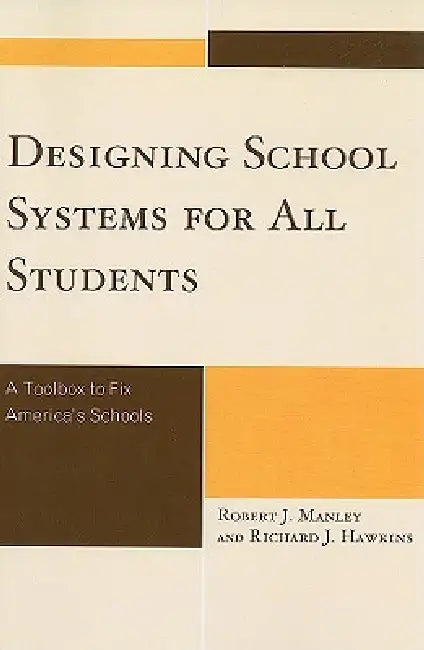
Designing School Systems for All Students (English, Robert J. Manley | Richard J. Hawkins)

Art History
Routledge Library Editions: Art and Culture in the Nineteenth Century

Art History
An Errant Design (English, S. H. Long)

Art History
Distributed System Design | by Jie Wu | CRC Press | by Jie Wu | CRC Press | by Jie Wu | CRC Press | by Jie Wu | CRC Press | by Jie Wu | CRC Press | by Jie Wu | CRC Press | by Jie Wu | CRC Press | by Jie Wu | CRC Press | by Jie Wu | CRC Press | by Jie Wu | CRC Press | by Jie Wu | CRC Press | by Jie Wu | CRC Press | by Jie Wu | CRC Press | by Jie Wu | CRC Press | by Jie Wu | CRC Press | by Jie Wu | CRC Press | by Jie Wu | CRC Press | by Jie Wu | CRC Press | by Jie Wu | CRC Press | by Jie Wu | CRC
Related Products
View All
Music
The Cambridge Companion to Michael Tippett by Kenneth Gloag – Music Analysis

Music
Making Light: Haydn, Musical Camp, and the Long Shadow of German Idealism
Music
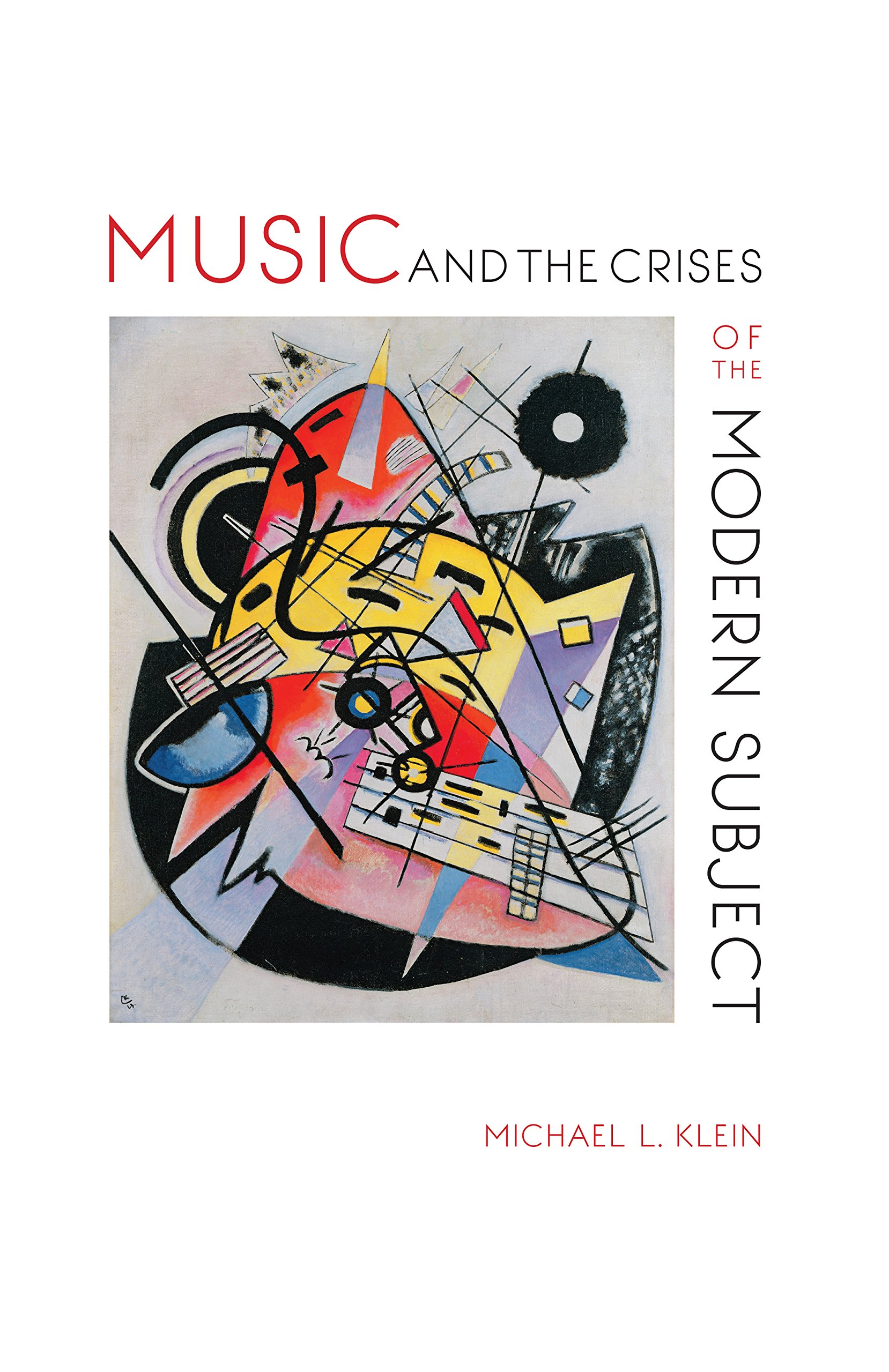
Music and the Crises of the Modern Subject by Michael L. Klein – Music Theory & Criticism

Music
Opera and Drama in Eighteenth-Century London: The King's Theatre, Garrick and the Business of Perfor

Music
Music in Theory and Practice Volume 1 | by Bruce Benward | Marilyn Saker | McGraw-Hill Companies | by Bruce Benward | Marilyn Saker | McGraw-Hill Companies | by Bruce Benward | Marilyn Saker | McGraw-Hill Companies | by Bruce Benward | Marilyn Saker | McGraw-Hill Companies | by Bruce Benward | Marilyn Saker | McGraw-Hill Companies | by Bruce Benward | Marilyn Saker | McGraw-Hill Companies | by Bruce Benward | Marilyn Saker | McGraw-Hill Companies | by Bruce Benward | Marilyn Saker | McGraw-Hill

Music