

Conservation Genetics in the Age of Genomics by George Amato: A Deep Dive into Molecular Genetics and Biodiversity Prese
Inclusive of all applicable taxes. FREE shipping on all orders.
Available Offers
- 🚚Free Delivery — Free shipping on all orders
- 💵Cash on Delivery — Pay when your order arrives
- ↩️15-Day Easy Returns — Hassle-free return policy
- 🔒Cash on Delivery — Pay safely when your order arrives
Check Delivery
Product Description
Introduction
In an era where biodiversity faces unprecedented threats, the ability to decode the genetic blueprint of life has become a cornerstone of modern conservation. Conservation Genetics in the Age of Genomics offers a comprehensive exploration of how cutting-edge molecular tools are reshaping our understanding of species survival, adaptation, and extinction. This hardcover volume, authored by George Amato and published by Columbia University Press, is an essential resource for Indian students, researchers, and wildlife professionals seeking to bridge the gap between traditional conservation biology and the revolutionary power of genomics.
Book Overview
This meticulously edited volume brings together contributions from leading scientists to present a cohesive narrative on the integration of genomic technologies into conservation practice. From analyzing the genetic health of captive populations to tracking the evolutionary history of endangered species, the book demonstrates how genome sequencing and molecular markers provide unprecedented insights. It challenges conventional definitions of biodiversity and species, offering a forward-looking perspective that is both scientifically rigorous and practically applicable.
Key Highlights
- Pioneering Integration: Seamlessly connects classical conservation genetics with modern genomic approaches, making complex concepts accessible.
- Global Relevance: Case studies span diverse ecosystems, from tropical forests to marine environments, with direct applicability to Indian biodiversity hotspots.
- Expert Contributors: Features chapters by internationally recognized researchers, ensuring depth and credibility.
- Practical Applications: Covers real-world tools for assessing inbreeding, population connectivity, and adaptive potential in threatened species.
Inside the Book
The book is structured to guide readers from foundational principles to advanced applications. Early chapters introduce the basics of molecular genetics and their historical use in conservation, while later sections delve into genomics-driven solutions for complex biological problems. Readers will find detailed discussions on using genomic data to reconstruct population histories, identify conservation units, and monitor genetic diversity over time. Each chapter is enriched with illustrative figures, tables, and references to primary literature.
Key Topics
- Genomic Tools for Conservation: Next-generation sequencing, SNP discovery, and landscape genomics.
- Genetic Variation and Inbreeding: Measuring and managing genetic health in wild and captive populations.
- Species Delineation: How genomics redefines taxonomic boundaries and cryptic species.
- Adaptive Evolution: Identifying genes under selection in response to environmental change.
- Conservation Planning: Integrating genetic data into policy and management decisions.
- Ethical and Practical Challenges: Balancing technological promise with field realities.
Reader Benefits
- Deepened Understanding: Gain a solid grasp of how genomics transforms conservation biology from descriptive to predictive science.
- Research Guidance: Learn to design and interpret genetic studies for conservation projects in India and beyond.
- Career Advancement: Equip yourself with knowledge essential for roles in wildlife institutes, NGOs, forest departments, and academia.
- Critical Thinking: Develop the ability to evaluate genomic data and its implications for biodiversity policy.
Learning Outcomes
- Explain the principles of population genetics and their application to conservation.
- Compare traditional molecular markers with modern genomic approaches.
- Analyze case studies on the genetic management of endangered species.
- Evaluate the role of genomics in defining conservation priorities and units.
- Apply genomic concepts to real-world challenges such as habitat fragmentation and climate change.
Who Should Read
This book is ideal for postgraduate students in wildlife biology, ecology, genetics, and environmental science. It is equally valuable for conservation practitioners, wildlife veterinarians, forest officers, and researchers working with Indian organizations such as the Wildlife Institute of India, Bombay Natural History Society, or state forest departments. Educators seeking a comprehensive text for advanced courses in conservation genetics will find it an indispensable teaching resource.
About the Author
George Amato is a distinguished conservation geneticist with decades of experience at the American Museum of Natural History. His research has focused on using molecular tools to study the evolution and conservation of primates, marine mammals, and other threatened species. He has authored numerous influential papers and edited volumes that have shaped the field. His editorial leadership ensures that this book reflects the highest standards of scientific accuracy and clarity.
About the Publisher
Columbia University Press is one of the world's leading academic publishers, known for its commitment to advancing knowledge in the sciences, humanities, and social sciences. With a legacy spanning over a century, it brings rigorous peer review and global distribution to works that define contemporary scholarship. This hardcover edition reflects the press's dedication to producing durable, high-quality books for serious readers.
Conclusion
Conservation Genetics in the Age of Genomics is more than a textbook—it is a roadmap for the future of biodiversity conservation in a genetically informed world. By synthesizing decades of research with the latest technological breakthroughs, it empowers readers to think critically about how we preserve life on Earth. For Indian students and professionals committed to protecting the nation's rich natural heritage, this volume is an invaluable addition to their library. Order your copy today from Bookshops.in and join the vanguard of conservation science.
Quick Summary
Conservation Genetics in the Age of Genomics by George Amato is a seminal work that bridges the gap between classical conservation genetics and modern genomic science. The book explains how genome sequencing allows scientists to study genetic variability over time and across all life forms, from bacteria to mammals. It provides methods to assess inbreeding, compare genetic variation between captive and wild populations, and redefine concepts like biodiversity and species. This volume is essential for Indian students and researchers in genetics, zoology, and conservation biology who want to apply cutting-edge genomic tools to preserve rare and threatened species. Readers will learn practical techniques for genetic monitoring, genetic rescue, and biodiversity management. By purchasing from Bookshops.in, you get a high-quality hardcover edition from Columbia University Press, delivered across India with reliable service.
Book Highlights
Book Specifications
| ISBN-13 | 9780231128322 |
| ISBN-10 | 0231128320 |
| Publisher | Columbia Univ Pr |
| Language | English |
| Dimensions | 16.51 x 1.91 x 24.77 cm |
| Weight | 476 g |
| Category | Biology & Life Sciences › Biology |
| Genre | Science & Mathematics |
| Original Language | English |
Frequently Asked Questions
What is Conservation Genetics in the Age of Genomics about?
Who is the author of this book?
Who should read this book?
What will I learn from this book?
Is this book suitable for Indian students?
Does the book include case studies?
What is the ISBN of this book?
What binding is available?
Which publisher released this book?
What is the price of this book in India?
Can I use this book for my research?
Does the book cover Indian species?
How is this book different from other genetics textbooks?
Where can I buy this book in India?
Readers Also Search For
Customers Also Bought
Mathematics
Stereotype Spaces and Algebras: 73 (De Gruyter Expositions in Mathematics, 73)
Mathematics
Semigroups in Algebra, Geometry and Analysis: 20 (De Gruyter Expositions in Mathematics, 20)
Mathematics
Geometry from the Pacific Rim: Proceedings of the Pacific Rim Geometry Conference held at National University of Singapore, Republic of Singapore, ... 1994 (De Gruyter Proceedings in Mathematics)
Mathematics
First International Tainan-Moscow Algebra Workshop: Proceedings of the International Conference held at National Cheng Kung University Tainan, Taiwan, ... 1994 (De Gruyter Proceedings in Mathematics)
Mathematics
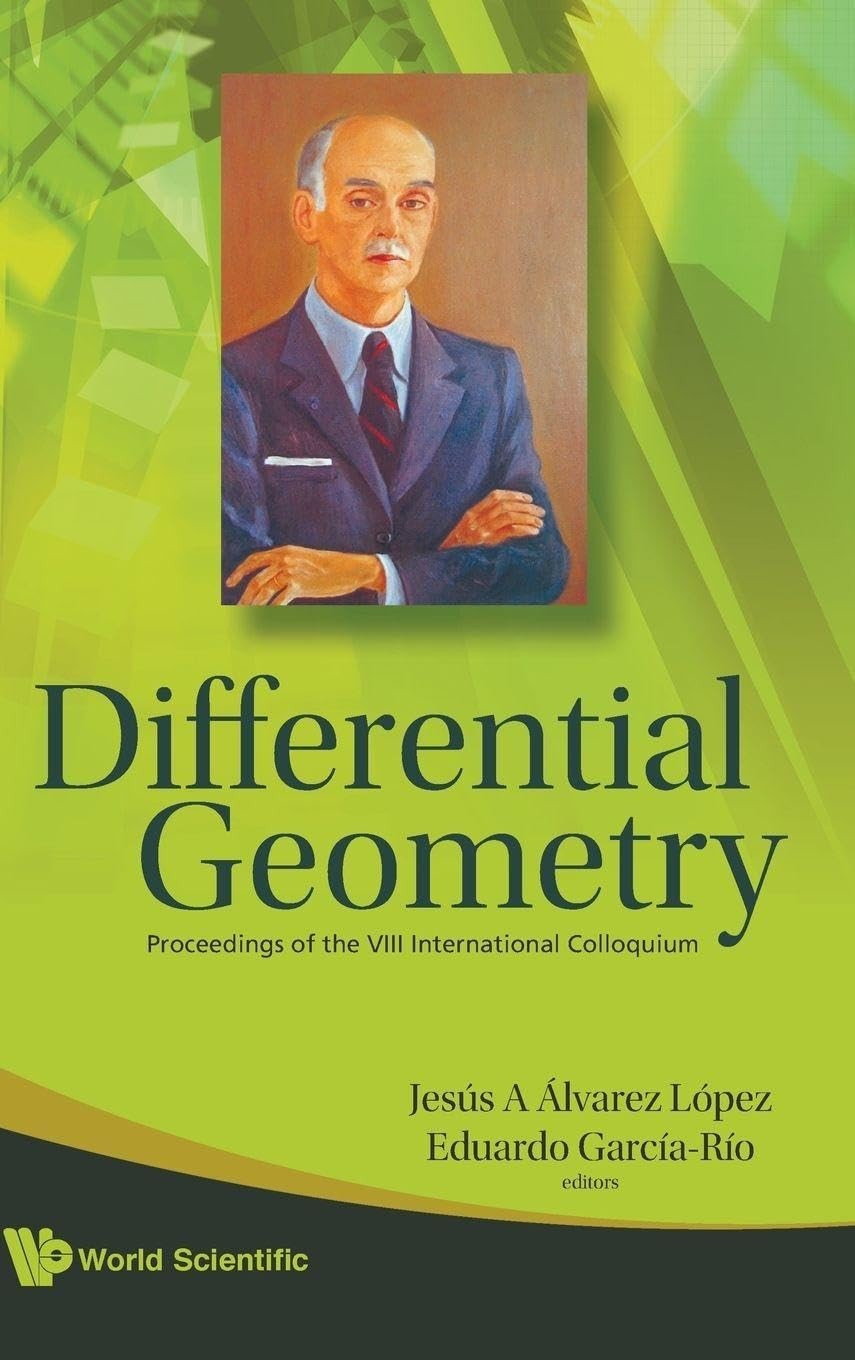
Differential Geometry - Proceedings of the VIII International Colloquium (English, Jesus A. Alvarez Lopez | Eduardo Garcia-Rio)
Mathematics
Mathematical Theory of Optimal Processes (Classics of Soviet Mathematics)
Related Products
View All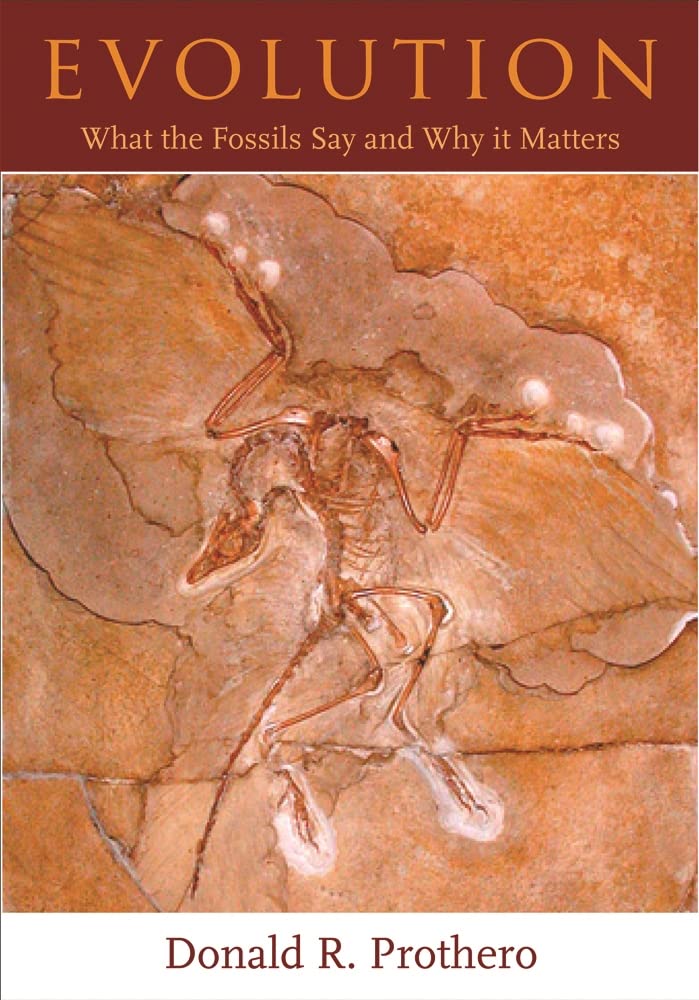
Biology
Evolution: What the Fossils Say and Why It Matters by Donald R. Prothero
Biology
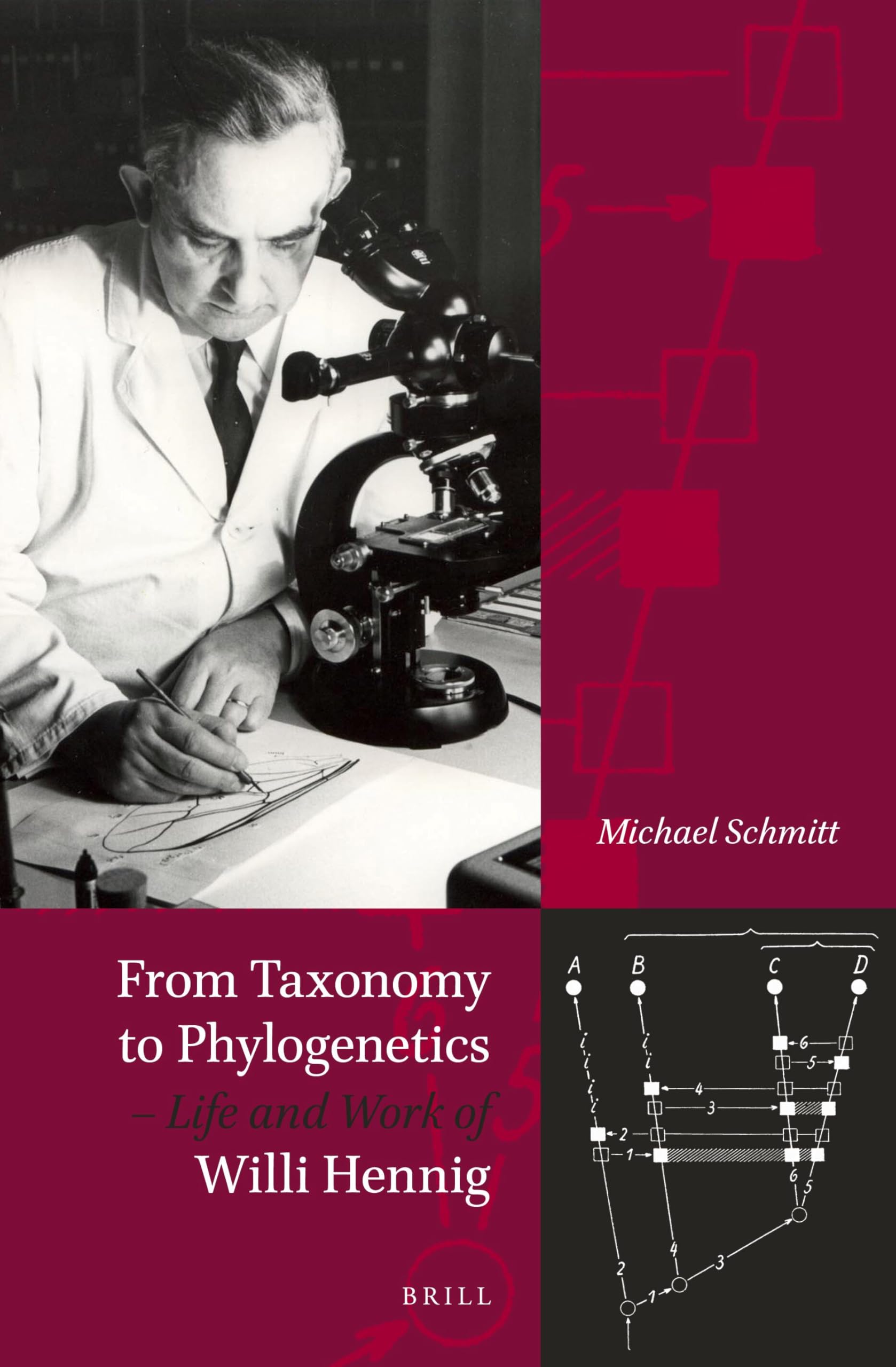
From Taxonomy to Phylogenetics – Life and Work of Willi Hennig

Biology
The Marine Biology of the South China Sea
Biology
Genetics Meets Metabolomics: from Experiment to Systems Biology
Biology
The Elements of Natural or Experimental Philosophy: 2
Biology