
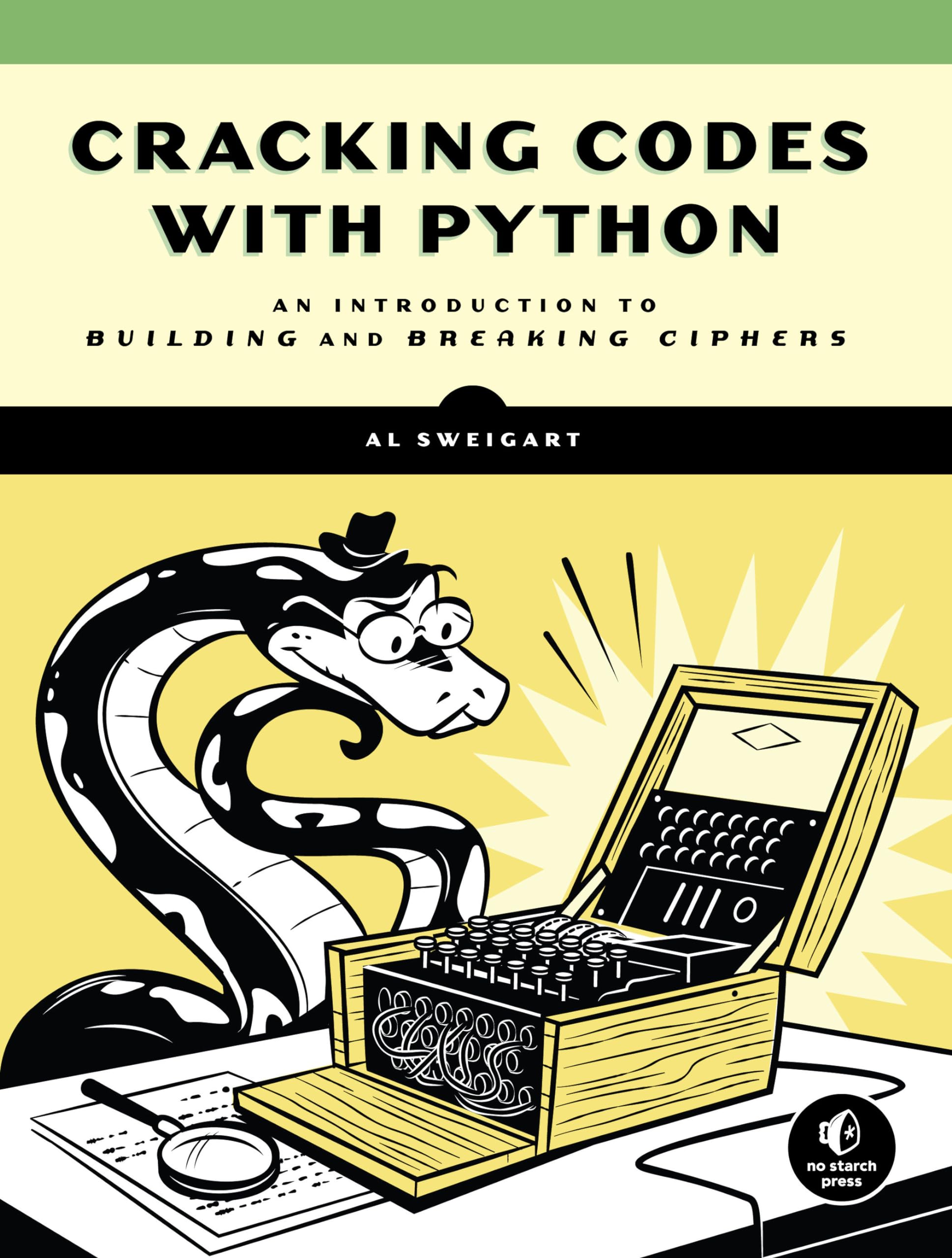
Cracking Codes with Python: An Introduction to Building and Breaking Ciphers
Inclusive of all applicable taxes. FREE shipping on all orders.
Available Offers
- 🚚Free Delivery — Free shipping on all orders
- 💵Cash on Delivery — Pay when your order arrives
- ↩️15-Day Easy Returns — Hassle-free return policy
- 🔒Cash on Delivery — Pay safely when your order arrives
Check Delivery
Product Description
Introduction
In a world where digital communication dominates, understanding the art of encryption is more valuable than ever. Cracking Codes with Python: An Introduction to Building and Breaking Ciphers offers a unique hands-on journey into the fascinating intersection of programming and cryptography. This hardcover edition from No Starch Press is the perfect companion for Indian students, hobbyists, and aspiring developers who want to learn Python by doing something truly exciting—creating and cracking secret codes. Whether you are preparing for a career in cybersecurity or simply love puzzles, this book turns complex concepts into fun, practical projects.
Book Overview
Authored by the renowned Python educator Al Sweigart, this book takes a project-based approach to teach Python programming through the lens of classical and modern ciphers. You will start with simple encryption techniques like the Caesar cipher and gradually progress to public key cryptography used in Bitcoin and secure email. Each chapter presents a complete Python program, followed by a line-by-line explanation, ensuring you understand not just how to code, but why the code works. The book is designed for absolute beginners with no prior programming experience, making it an ideal starting point for Indian students exploring computer science.
Key Highlights
- Learn Python by building real ciphers – from reverse ciphers to the Vigenère cipher and beyond.
- Understand how to break codes using dictionary attacks, frequency analysis, and brute-force techniques.
- Full programs with line-by-line explanations – no black boxes, every line of code is demystified.
- Practical applications – discover how encryption secures online transactions, digital signatures, and cryptocurrencies.
- Test-driven development – create test programs to validate your code and ensure it works correctly.
Inside the Book
This hardbound volume is packed with over 400 pages of clear, engaging content. The book is divided into three parts: a Python crash course that covers loops, variables, and flow control; a deep dive into classical ciphers including the transposition and simple substitution ciphers; and finally a look at modern cryptography including the RSA algorithm. Each chapter includes hands-on exercises, debugging tips, and challenges that reinforce learning. You will also learn to use dictionary files to instantly detect whether a decrypted message is valid English or mere gibberish—a skill essential for any cryptanalyst.
Key Topics
- Python basics – variables, strings, lists, dictionaries, loops, and functions.
- Classical ciphers – Caesar cipher, reverse cipher, transposition cipher, Vigenère cipher.
- Cracking techniques – brute-force attacks, frequency analysis, dictionary-based decryption.
- Public key cryptography – RSA algorithm, key generation, encryption and decryption.
- File handling – reading and writing encrypted files, working with word lists.
- Program testing and debugging – writing unit tests to ensure cipher programs run flawlessly.
Reader Benefits
By working through this book, you will gain a solid foundation in Python programming while simultaneously mastering the principles of cryptography. You will be able to write programs that encrypt and decrypt messages, build tools to break weak ciphers, and understand the security mechanisms behind modern digital systems. The skills you acquire are directly applicable to careers in software development, cybersecurity, data science, and IT. Moreover, the book’s step-by-step approach builds confidence, making it easy to tackle advanced topics later.
Learning Outcomes
- Write Python programs that implement classical and modern encryption algorithms.
- Analyze and break ciphers using code, understanding their strengths and weaknesses.
- Apply programming concepts like loops, conditionals, and string manipulation in real projects.
- Understand the math behind cryptography including modular arithmetic and prime numbers.
- Develop debugging skills to find and fix errors in your own code.
- Build a portfolio of functional programs that demonstrate your coding and security knowledge.
Who Should Read
This book is perfect for Indian students in classes 9 through 12 who are curious about programming and cybersecurity. It is also ideal for college undergraduates in computer science or information technology who want a practical introduction to Python and cryptography. Hobbyists, self-taught programmers, and anyone who loves puzzles and code-breaking will find this book engaging and rewarding. No prior programming experience is required—just a willingness to learn and experiment.
About the Author
Al Sweigart is a bestselling author and software developer who has taught millions of people to code through his popular books and online resources. He is known for his clear, humorous, and accessible writing style that makes complex topics easy to grasp. Al’s other books include Automate the Boring Stuff with Python and Invent Your Own Computer Games with Python, both widely used in Indian classrooms and coding clubs. His passion for making programming fun and practical shines through every chapter of this book.
About the Publisher
No Starch Press is a leading publisher of technical books known for their high-quality content and engaging presentation. Based in San Francisco, they specialize in programming, cybersecurity, and maker culture. Their titles are trusted by educators and professionals worldwide for their accuracy, depth, and readability. This hardcover edition ensures durability, making it a lasting addition to any library.
Conclusion
Cracking Codes with Python is more than just a programming book—it is an adventure into the secret world of codes and ciphers. By the time you finish, you will have written dozens of Python programs and gained a deep understanding of how encryption shapes our digital lives. Whether you dream of becoming a cybersecurity expert, a software engineer, or simply want to impress your friends with your code-breaking skills, this book is your gateway. Order your copy from Bookshops.in today and start your journey into the fascinating realm of cryptography and Python programming.
Quick Summary
Cracking Codes with Python: An Introduction to Building and Breaking Ciphers by Al Sweigart is a unique programming book that teaches Python through the lens of cryptography. Written for absolute beginners, it starts with a gentle introduction to Python basics and quickly moves into building real cipher programs. Readers will create and break classical ciphers like the reverse cipher, Caesar cipher, transposition cipher, and Vigenère cipher. The book then progresses to modern public key cryptography, explaining how encryption secures online transactions, emails, and even Bitcoin. Each program is presented with full source code and line-by-line explanations, making it easy to understand and modify. This book is perfect for Indian students, hobbyists, and self-learners who want a hands-on, engaging way to learn programming. By the end, readers will have a solid grasp of Python and a set of working cryptography projects. Buy your copy from Bookshops.in, India's premium online bookstore, for reliable delivery and great prices.
Book Highlights
Book Specifications
| ISBN-13 | 9781593278229 |
| ISBN-10 | 1593278225 |
| Publisher | No Starch Press |
| Language | English |
| Dimensions | 17.9 x 2.4 x 23.5 cm |
| Weight | 794 g |
| Category | Computer Science › Programming Languages |
| Genre | Non-fiction |
| Reading Age | 12 years and up |
| Original Language | English |
Frequently Asked Questions
Do I need prior programming experience to use this book?
What ciphers will I learn to build?
Is this book suitable for Indian school students?
Does the book cover modern encryption like Bitcoin?
How is this book different from other Python books?
Can I run the code on any computer?
Are there exercises or challenges in the book?
Who is the author?
Is this book available in hardcover?
What is the price in Indian rupees?
Does Bookshops.in offer delivery across India?
Can I return the book if I don't like it?
Is this book good for self-study?
What Python version does the book use?
Readers Also Search For
Customers Also Bought
Computer Science
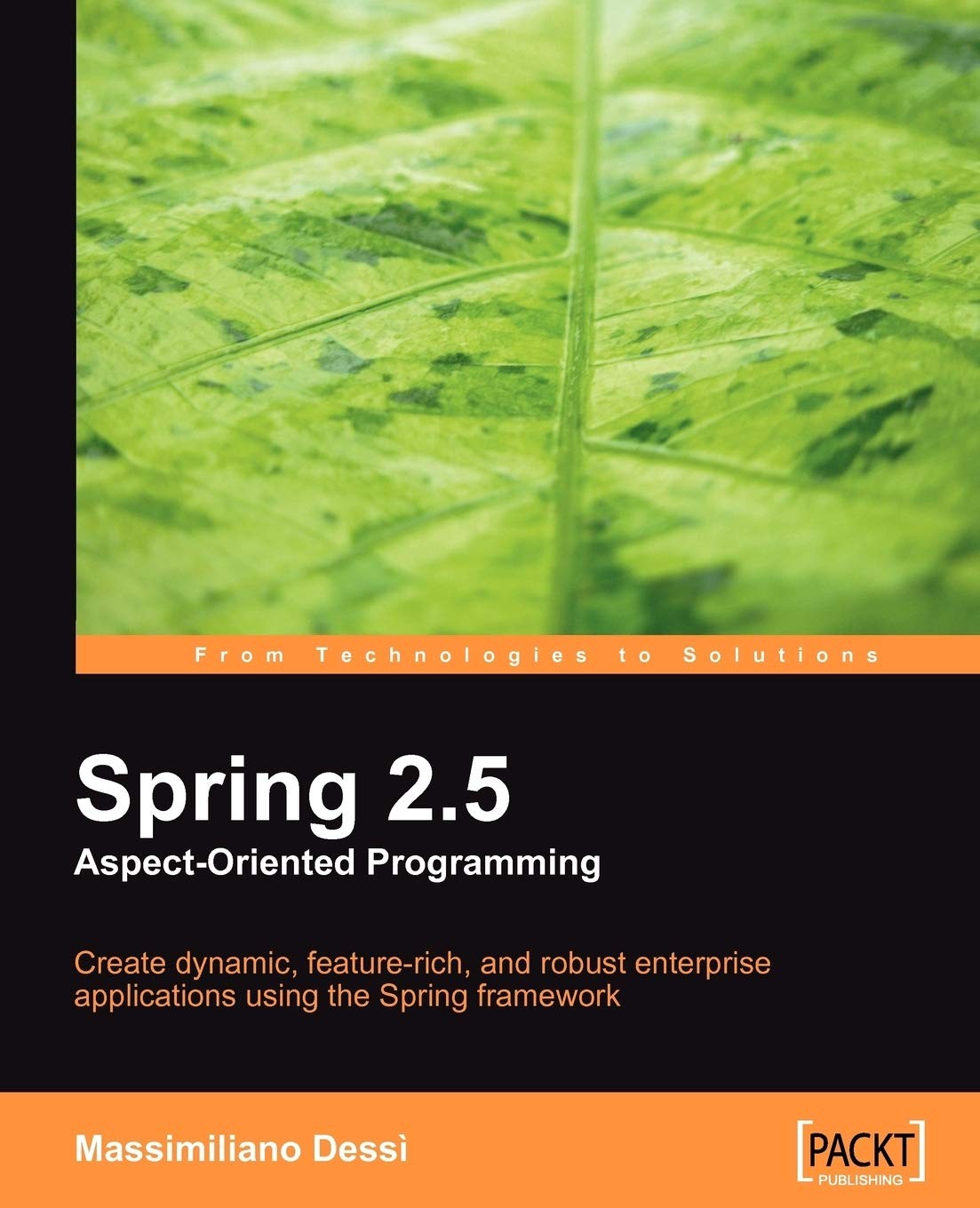
Spring 2.5 Aspect Oriented Programming (English, Massimiliano Dess� | Massimiliano Dessi)
Computer Science
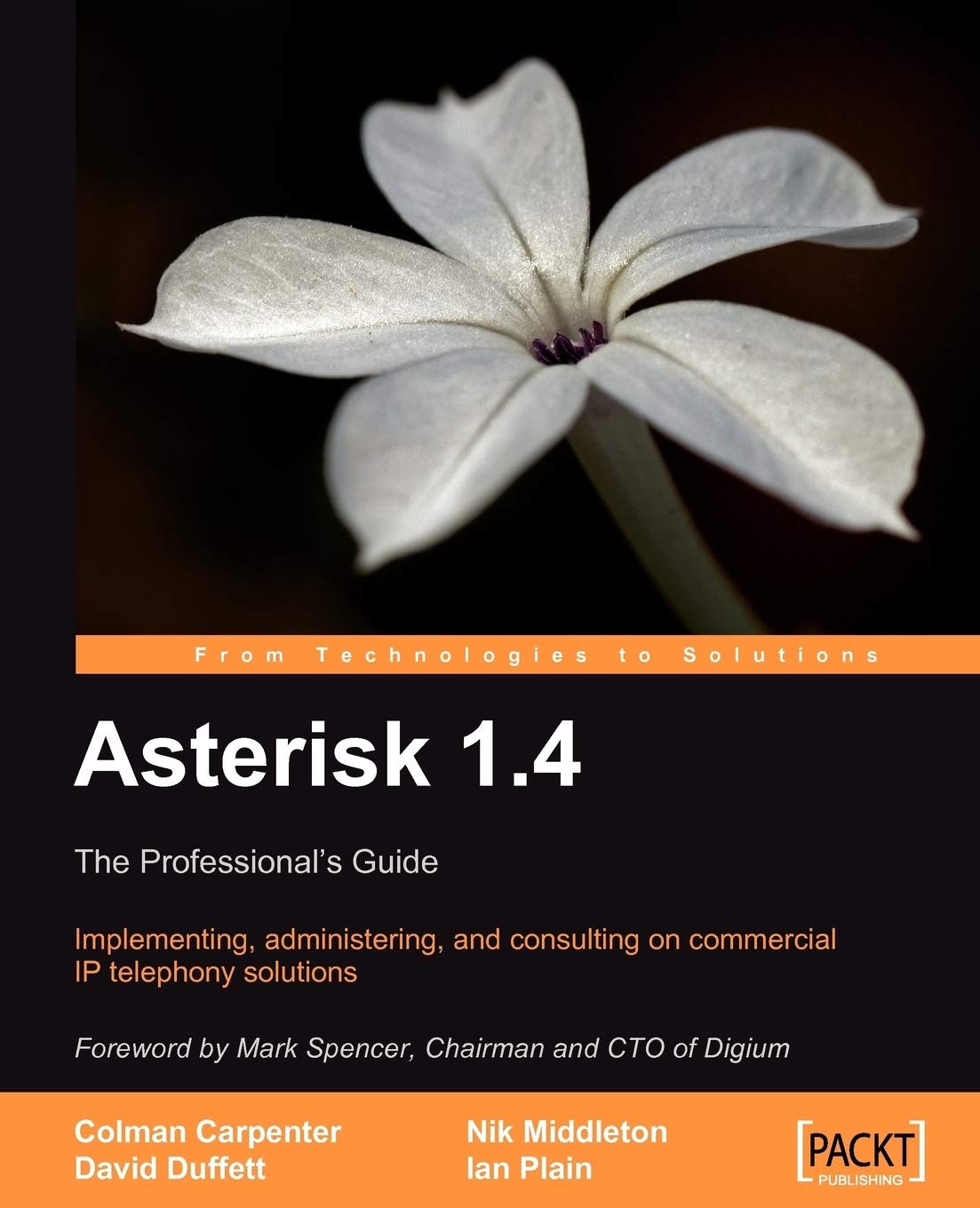
Asterisk 1.4 - the Professional's Guide (English, Colman Carpenter | David Duffett | Nik Middleton)
Computer Science
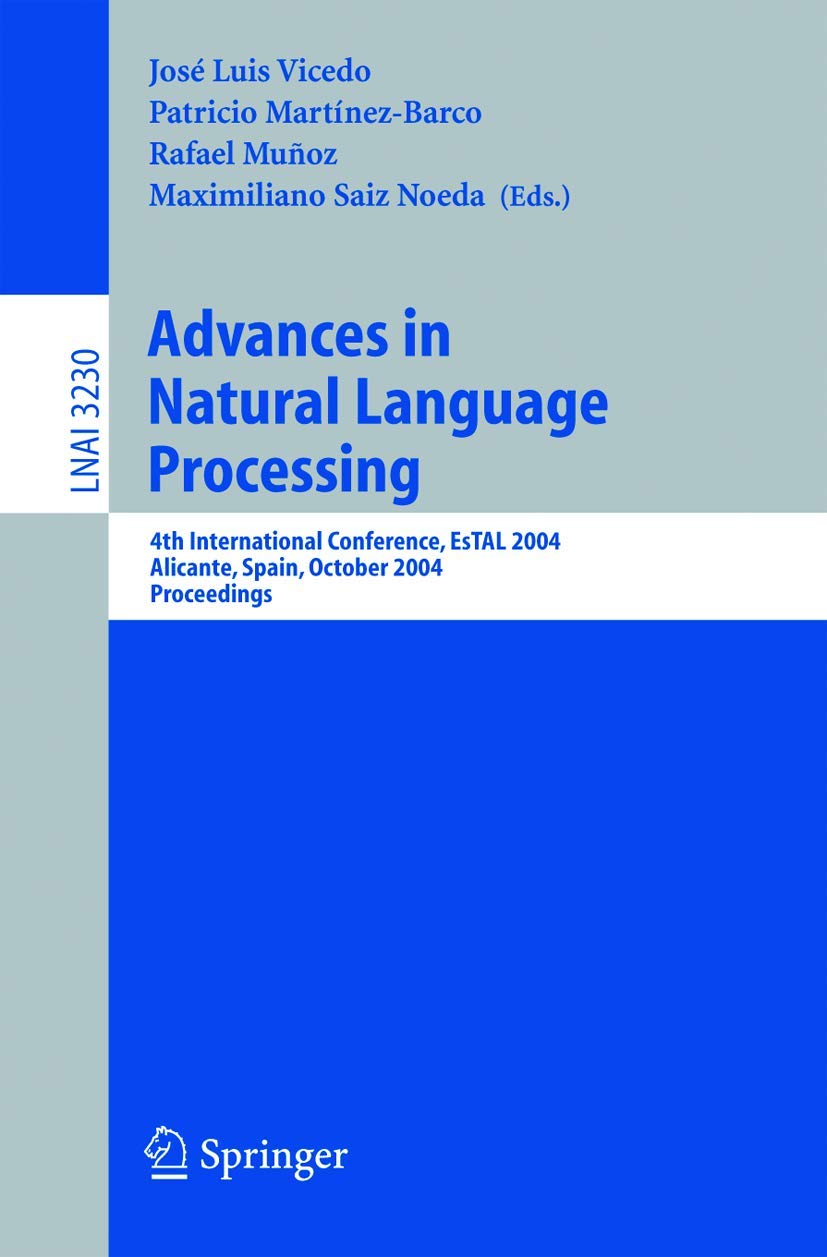
Advances In Natural Language Processing: 4th International Conference, Estal 2004, Alicante, Spain, October 20-22, 2004. Proceedings: 3230 (Lecture Notes in Computer Science)
Computer Science
Multimedia, Communication and Computing Application: Proceedings of the 2014 International Conference on Multimedia, Communication and Computing ... 2014), Xiamen, China, October 16-17, 2014
Computer Science
Cases on Database Technologies and Applications (Cases on Information Technology Series)
Computer Science
ASP.Net 3.5 Social Networking (English, Andrew Siemer)
Related Products
View AllComputer Science
Spring 2.5 Aspect Oriented Programming (English, Massimiliano Dess� | Massimiliano Dessi)
Computer Science
Asterisk 1.4 - the Professional's Guide (English, Colman Carpenter | David Duffett | Nik Middleton)
Computer Science
Advances In Natural Language Processing: 4th International Conference, Estal 2004, Alicante, Spain, October 20-22, 2004. Proceedings: 3230 (Lecture Notes in Computer Science)
Computer Science
Multimedia, Communication and Computing Application: Proceedings of the 2014 International Conference on Multimedia, Communication and Computing ... 2014), Xiamen, China, October 16-17, 2014
Computer Science
Cases on Database Technologies and Applications (Cases on Information Technology Series)
Computer Science