
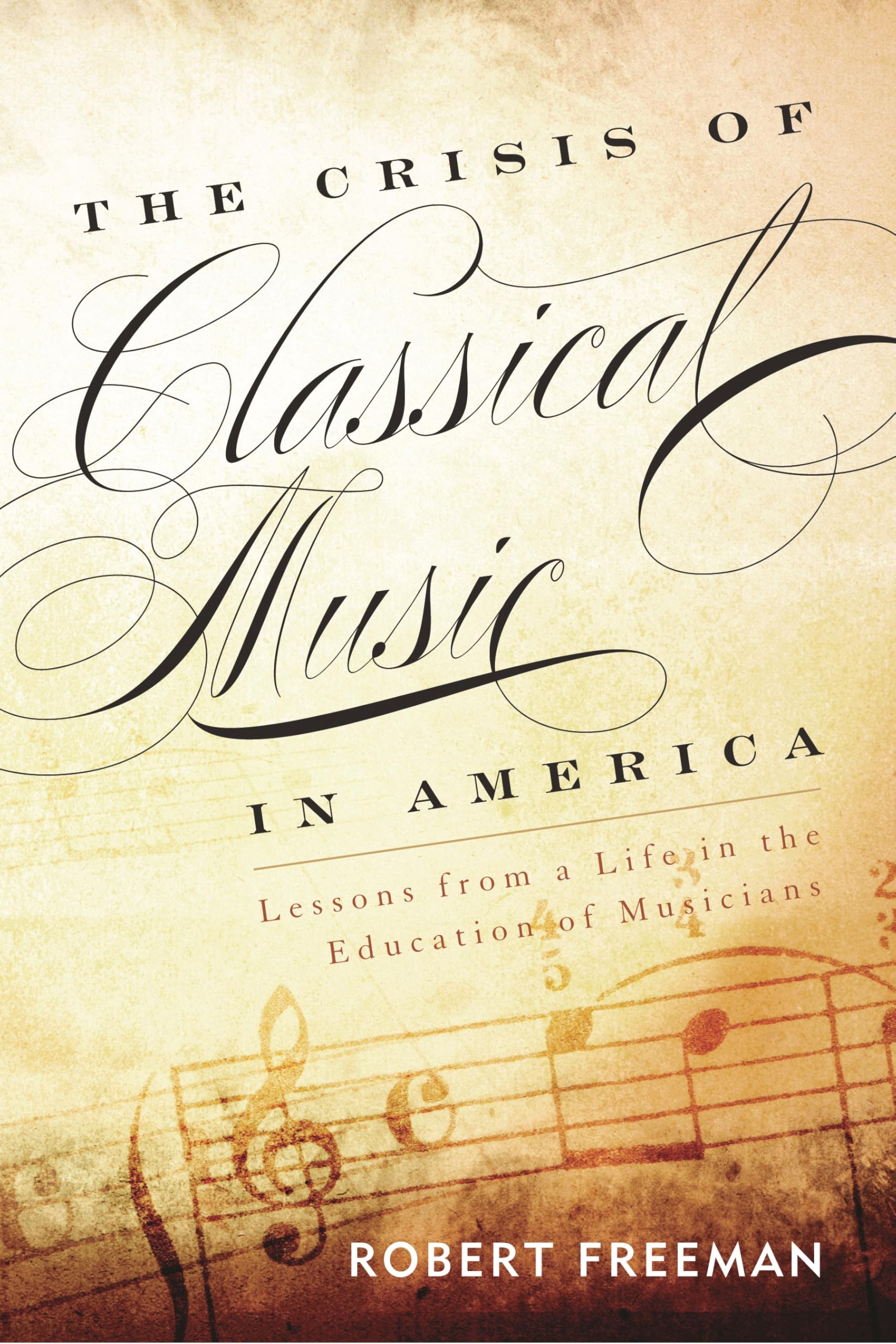
The Crisis of Classical Music in America: Lessons from a Life in the Education of Musicians by Robert Freeman – A Compre
Inclusive of all applicable taxes. FREE shipping on all orders.
Available Offers
- 🚚Free Delivery — Free shipping on all orders
- 💵Cash on Delivery — Pay when your order arrives
- ↩️15-Day Easy Returns — Hassle-free return policy
- 🔒Cash on Delivery — Pay safely when your order arrives
Check Delivery
Product Description
Introduction
Classical music in America stands at a crossroads. Despite producing some of the finest instrumentalists, conductors, and composers in the world, the ecosystem that supports them is under severe strain. In The Crisis of Classical Music in America: Lessons from a Life in the Education of Musicians, Robert Freeman, a seasoned educator and administrator, offers a candid diagnosis and a roadmap for reform. This hardcover volume is essential reading for anyone invested in the future of music education—from students and teachers to university leaders and policy makers.
Book Overview
Drawing on decades of experience as a professor, dean, and director of major music schools, Freeman dissects the structural problems facing classical music training. He argues that the oversupply of classically trained musicians, coupled with shrinking full-time employment opportunities, demands a radical rethinking of how music schools prepare their students. The book is both a critique of outdated curricula and a visionary proposal for equipping young musicians with communication, analytical, and entrepreneurial skills. Featuring a foreword by Leonard Slatkin, music director of the Detroit Symphony Orchestra, this work bridges the gap between academic training and professional reality.
Key Highlights
- Foreword by Leonard Slatkin – Adds authoritative perspective from a world-renowned conductor.
- Practical solutions – Focuses on actionable reforms for music schools, not just abstract theory.
- Decades of insight – Freeman shares lessons from his leadership roles at the Eastman School of Music and the University of Texas at Austin.
- Relevance for Indian readers – While centered on America, the challenges and strategies resonate deeply with India's growing music education landscape.
- Hardcover quality – A durable, premium edition perfect for academic libraries and personal collections.
Inside the Book
The book is structured to guide readers through the crisis and its potential cures. Freeman begins by outlining the historical context of classical music training in the United States, then moves into specific areas of concern: the mismatch between conservatory training and job markets, the need for interdisciplinary skills, and the role of technology and media in reshaping careers. Each chapter combines data, personal anecdotes, and case studies from leading institutions. The writing is accessible yet rigorous, making complex issues understandable for non-specialists.
Key Topics
- Oversupply of musicians – Why too many graduates chase too few positions.
- Curricular reform – Integrating communications, business, and digital literacy into music programs.
- Career pathways – Alternative roles in arts administration, education, and community engagement.
- Institutional change – How deans, provosts, and trustees can drive transformation.
- Global parallels – Lessons for music education systems in countries like India.
Reader Benefits
By reading this book, you will gain a deeper understanding of the systemic issues affecting classical music. Parents of aspiring musicians will learn how to guide their children toward sustainable careers. Music teachers will discover new pedagogical approaches. University administrators will find a blueprint for modernizing their programs. And students themselves will be empowered to think beyond the concert stage. The book offers hope—not by pretending the crisis doesn't exist, but by showing how education can adapt.
Learning Outcomes
- Identify the root causes of the employment crisis for classical musicians.
- Evaluate current music school curricula and their gaps.
- Develop strategies for integrating soft skills and entrepreneurial training.
- Understand the role of technology and media in expanding musical careers.
- Apply Freeman's reform principles to Indian and other non-Western contexts.
Who Should Read
This book is a must-read for: music students at conservatories and universities; teachers and professors in music departments; deans and provosts responsible for academic planning; parents of children pursuing classical music; professional musicians seeking to understand industry trends; and arts administrators in orchestras, festivals, and cultural organizations. Indian readers will find the analysis particularly valuable as the country builds its own classical music infrastructure.
About the Author
Robert Freeman is a distinguished music educator and administrator. He served as Dean of the Eastman School of Music at the University of Rochester for over two decades, and later as Director of the School of Music at the University of Texas at Austin. A pianist and scholar, Freeman has written extensively on music education and policy. His firsthand experience in leading two of America's premier music schools gives his insights unparalleled authority.
About the Publisher
Rowman & Littlefield Publishers is a respected academic and trade publisher based in the United States. Known for producing high-quality books in the humanities, social sciences, and music, they bring a commitment to scholarly rigor and accessible writing. This hardcover edition reflects their dedication to lasting, well-crafted volumes that serve students, professionals, and lifelong learners.
Conclusion
The Crisis of Classical Music in America is more than a critique—it is a call to action. Robert Freeman combines wisdom, urgency, and practical hope. For anyone who cares about the future of music and the musicians who create it, this book is an indispensable guide. Order your hardcover copy from Bookshops.in today and join the conversation about reshaping music education for a new era.
Quick Summary
The Crisis of Classical Music in America: Lessons from a Life in the Education of Musicians by Robert Freeman is a thought-provoking examination of the systemic challenges facing classical music education and the professional careers it feeds. Drawing on his extensive experience as a music educator and former director of the Eastman School of Music, Freeman identifies the oversupply of classically trained musicians as a critical problem, with full-time employment opportunities shrinking year after year. He argues that music schools must fundamentally reform their curricula to equip students with communication, analytical, entrepreneurial, and technological skills that align with the evolving music industry. The book is written for music educators, administrators, students, and policymakers who seek practical solutions rather than mere diagnosis. With a foreword by conductor Leonard Slatkin, it offers a blend of personal insight, institutional critique, and forward-looking recommendations. Readers will learn how to rethink music training, foster career adaptability, and advocate for change within their own institutions. By purchasing this hardcover edition from Bookshops.in, Indian readers gain access to a premium, well-researched resource that supports thoughtful discourse on music education reform.
Book Highlights
Book Specifications
| ISBN-13 | 9781442233010 |
| ISBN-10 | 144223301X |
| Publisher | Rowman & Littlefield Pub Inc |
| Language | English |
| Dimensions | 15.24 x 1.91 x 22.86 cm |
| Weight | 544 g |
| Category | Performing Arts › Music |
| Genre | Music |
| Original Language | English |
Frequently Asked Questions
What is the main argument of The Crisis of Classical Music in America?
Who is Robert Freeman?
Is this book relevant for Indian classical music students?
Does the book offer practical solutions or just criticism?
What is the role of the foreword by Leonard Slatkin?
How is this book different from other books on music education?
What specific skills does Freeman suggest music students need?
Does the book cover Indian or Asian music education systems?
Is this book suitable for undergraduate music students?
What is the price of the book on Bookshops.in?
Can parents of music students benefit from reading this book?
Does the book discuss online or digital music education?
Is this book part of a series?
Readers Also Search For
Customers Also Bought
Art History
The Italian Renaissance in Art

Art History
Photovoltaic Design & Installation For Dummies | by Mayfield | ForDummies | by Mayfield | ForDummies | by Mayfield | ForDummies | by Mayfield | ForDummies | by Mayfield | ForDummies | by Mayfield | ForDummies | by Mayfield | ForDummies | by Mayfield | ForDummies | by Mayfield | ForDummies | by Mayfield | ForDummies | by Mayfield | ForDummies | by Mayfield | ForDummies | by Mayfield | ForDummies | by Mayfield | ForDummies | by Mayfield | ForDummies | by Mayfield | ForDummies | by Mayfield | ForDu
Art History
Designing School Systems for All Students (English, Robert J. Manley | Richard J. Hawkins)

Art History
Routledge Library Editions: Art and Culture in the Nineteenth Century

Art History
An Errant Design (English, S. H. Long)
Art History
Distributed System Design | by Jie Wu | CRC Press | by Jie Wu | CRC Press | by Jie Wu | CRC Press | by Jie Wu | CRC Press | by Jie Wu | CRC Press | by Jie Wu | CRC Press | by Jie Wu | CRC Press | by Jie Wu | CRC Press | by Jie Wu | CRC Press | by Jie Wu | CRC Press | by Jie Wu | CRC Press | by Jie Wu | CRC Press | by Jie Wu | CRC Press | by Jie Wu | CRC Press | by Jie Wu | CRC Press | by Jie Wu | CRC Press | by Jie Wu | CRC Press | by Jie Wu | CRC Press | by Jie Wu | CRC Press | by Jie Wu | CRC
Related Products
View All
Music
The Cambridge Companion to Michael Tippett by Kenneth Gloag – Music Analysis

Music
Making Light: Haydn, Musical Camp, and the Long Shadow of German Idealism
Music
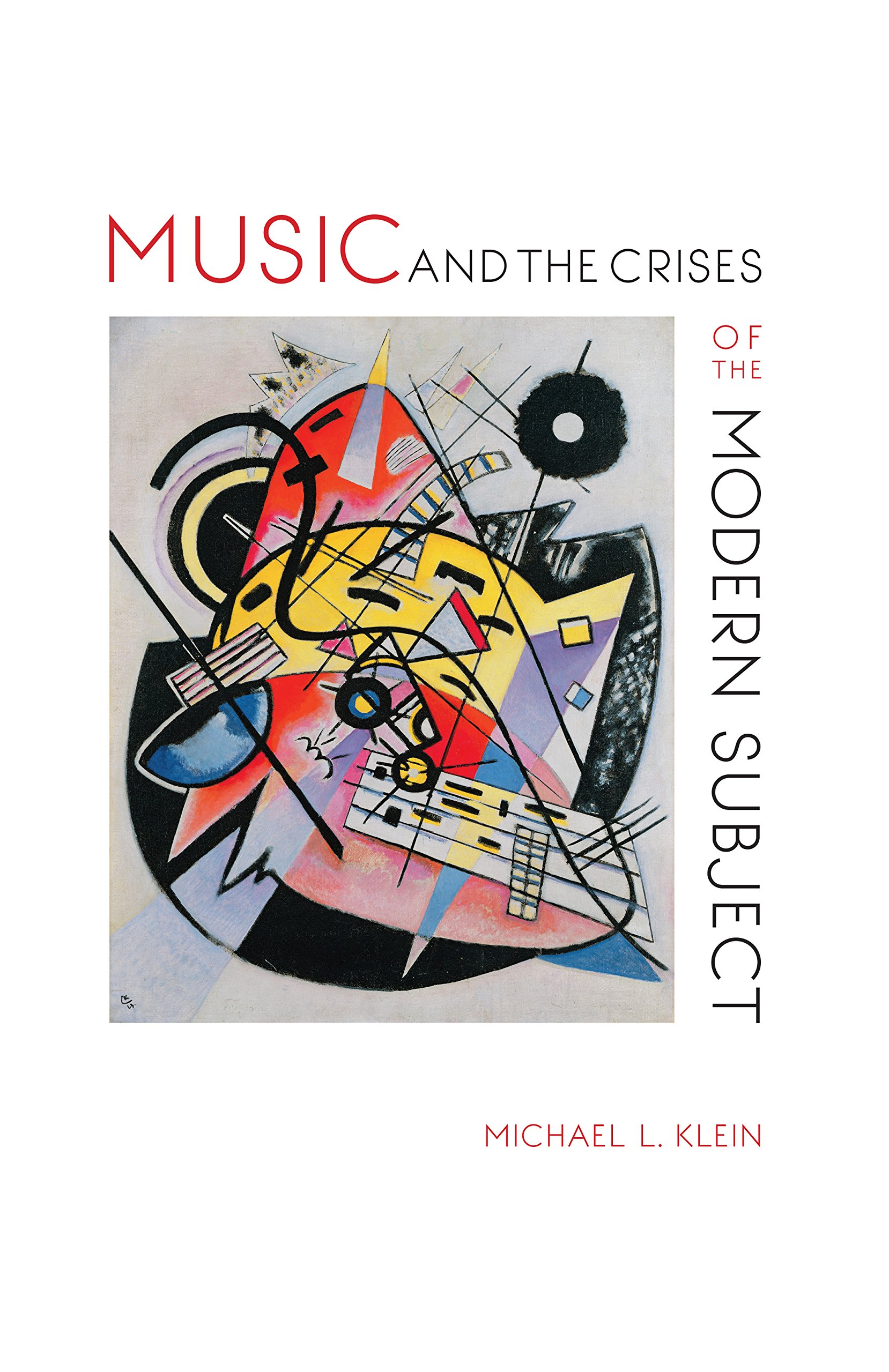
Music and the Crises of the Modern Subject by Michael L. Klein – Music Theory & Criticism

Music
Opera and Drama in Eighteenth-Century London: The King's Theatre, Garrick and the Business of Perfor

Music
Music in Theory and Practice Volume 1 | by Bruce Benward | Marilyn Saker | McGraw-Hill Companies | by Bruce Benward | Marilyn Saker | McGraw-Hill Companies | by Bruce Benward | Marilyn Saker | McGraw-Hill Companies | by Bruce Benward | Marilyn Saker | McGraw-Hill Companies | by Bruce Benward | Marilyn Saker | McGraw-Hill Companies | by Bruce Benward | Marilyn Saker | McGraw-Hill Companies | by Bruce Benward | Marilyn Saker | McGraw-Hill Companies | by Bruce Benward | Marilyn Saker | McGraw-Hill

Music