
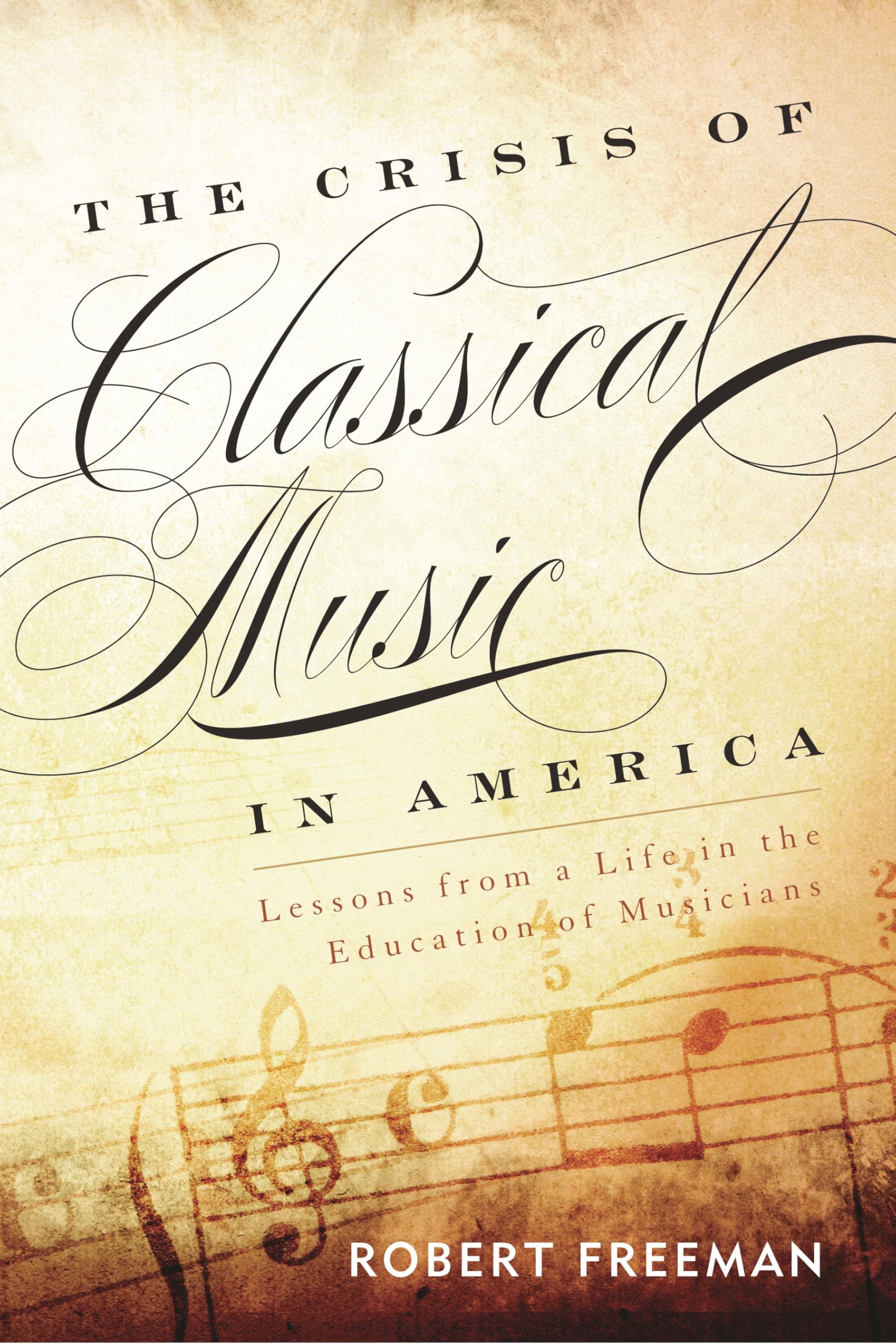
The Crisis of Classical Music in America: Lessons from a Life in the Education of Musicians by Robert Freeman – A Deep D
Inclusive of all applicable taxes. FREE shipping on all orders.
Available Offers
- 🚚Free Delivery — Free shipping on all orders
- 💵Cash on Delivery — Pay when your order arrives
- ↩️15-Day Easy Returns — Hassle-free return policy
- 🔒Cash on Delivery — Pay safely when your order arrives
Check Delivery
Product Description
Introduction
In the evolving landscape of Indian classical and Western music education, a pressing question lingers: how do we prepare the next generation of musicians for a world where traditional performance roles are shrinking? The Crisis of Classical Music in America: Lessons from a Life in the Education of Musicians by Robert Freeman offers a profound and urgently relevant exploration of this dilemma. While focused on the American context, the insights within this hardcover volume speak directly to students, educators, and parents across India who are navigating similar shifts in the music industry. This is not just a critique but a roadmap for reimagining music education to equip students with the skills they need to thrive.
Book Overview
Robert Freeman, a distinguished figure in music education, draws on decades of experience as a teacher, administrator, and observer of the professional music scene. He tackles the chronic oversupply of classically trained musicians facing diminishing full-time employment opportunities. Rather than dwelling solely on the problem, Freeman proposes actionable reforms for advanced music schools. He argues that institutions must move beyond narrow technical training to foster communication, analytical thinking, and entrepreneurial skills. This book is a call to action for universities, conservatories, and music departments to reshape their curricula, ensuring graduates are versatile, resilient, and ready for the diverse realities of the 21st-century music world.
Key Highlights
- Foreword by Leonard Slatkin: A compelling introduction from the renowned music director of the Detroit Symphony Orchestra, adding weight and perspective to Freeman’s arguments.
- Decades of Insight: A lifetime of experience distilled into practical lessons for reforming music education, from pedagogy to institutional policy.
- Focus on Solutions: Moves beyond diagnosing the crisis to offering concrete, implementable strategies for change.
- Broad Relevance: While centered on America, the principles apply globally, including to India’s growing classical and fusion music scenes.
- Critical Analysis: Examines the roles of universities, conservatories, and performance organizations in perpetuating or solving the crisis.
Inside the Book
This hardcover edition is structured to guide readers through the complexities of music education reform. Freeman begins by contextualizing the crisis, detailing how the oversupply of classically trained musicians has become chronic. He then delves into the inner workings of music schools, critiquing their traditional focus on solo performance and orchestral placement. The book explores the need for curricula that integrate technology, community engagement, and interdisciplinary studies. Each chapter builds a case for why musicians must learn to communicate effectively, analyze market trends, and adapt to roles beyond the concert hall, such as teaching, arts administration, and digital media. The writing is both scholarly and accessible, making it a valuable resource for deep reflection.
Key Topics
- The oversupply of classically trained musicians and shrinking professional opportunities.
- Reforming music school curricula to include communication and analytical skills.
- Entrepreneurship and adaptability as core competencies for modern musicians.
- The role of university presidents, provosts, and deans in driving institutional change.
- Balancing tradition with innovation in performance training.
- Preparing students for diverse careers beyond orchestral and solo performance.
- Lessons from successful music education programs and their application.
Reader Benefits
By engaging with this book, readers will gain a clear understanding of the structural challenges facing classical music education. Students will discover how to build a versatile skill set that opens multiple career paths. Teachers and professors will find a framework for updating their pedagogy and curriculum. Parents will learn how to support their children in making informed decisions about music careers. Deans and university leaders will receive a blueprint for strategic reform. Ultimately, this book empowers all readers to become active participants in shaping a sustainable future for classical music, whether in India or abroad.
Learning Outcomes
- Understand the root causes of the employment crisis for classically trained musicians.
- Identify key reforms needed in music school curricula and institutional policies.
- Develop strategies to integrate communication and analytical skills into music education.
- Learn how to foster entrepreneurial thinking among music students.
- Gain insights into the roles of various stakeholders—teachers, administrators, parents—in driving change.
- Apply lessons from the American context to the Indian music education landscape.
Who Should Read
This book is essential reading for music students at the undergraduate and graduate levels who are concerned about their future careers. It is equally valuable for music teachers and professors seeking to modernize their teaching methods. Parents of aspiring musicians will find reassurance and practical guidance. University deans, provosts, and presidents responsible for shaping institutional priorities will discover a compelling case for reform. Arts administrators, orchestra managers, and policymakers in India’s growing music scene will benefit from Freeman’s global perspective. Finally, anyone passionate about the survival and evolution of classical music will find this book deeply thought-provoking.
About the Author
Robert Freeman is a highly respected figure in music education, having served as the director of the Eastman School of Music and dean of the College of Fine Arts at the University of Texas at Austin. With a career spanning over four decades, he has been a vocal advocate for reforming how musicians are trained. His work combines deep academic insight with practical experience, making him a trusted voice on the challenges facing classical music. Freeman’s writings and lectures have influenced generations of educators and administrators, and this book represents the culmination of his life’s work in the field.
About the Publisher
Rowman & Littlefield Publishers is a prestigious academic and trade publishing house known for producing high-quality works in the humanities, social sciences, and music. With a commitment to scholarly excellence, they have published numerous influential texts on music education, performance, and theory. This hardcover edition reflects their dedication to bringing critical ideas to a wide audience, ensuring that books like Freeman’s reach educators, students, and industry leaders who can drive meaningful change.
Conclusion
The Crisis of Classical Music in America is more than a diagnosis—it is a beacon for transformation. For Indian readers, whether you are a student at a music academy in Mumbai, a teacher in Delhi, or a parent supporting a child’s musical journey, this book offers timeless lessons on adapting to change without losing artistic integrity. It challenges us to rethink what it means to be a musician in the modern world and equips us with the tools to build a vibrant, sustainable future for classical music. Order your copy from Bookshops.in today and join the conversation that is reshaping music education worldwide.
Quick Summary
The Crisis of Classical Music in America: Lessons from a Life in the Education of Musicians by Robert Freeman is a provocative examination of the oversupply of classically trained musicians and the urgent need for reform in music education. Drawing from his extensive career as a music educator and administrator, Freeman argues that traditional conservatory training no longer prepares students for a rapidly changing professional landscape where full-time orchestral jobs are scarce. He advocates for curricula that emphasize communication, analytical thinking, and entrepreneurial skills, enabling graduates to thrive in diverse roles from teaching to arts management. The book features a foreword by Leonard Slatkin and offers practical solutions for institutions. This is essential reading for music students, educators, and anyone invested in the future of classical music. Indian readers will find the insights on career diversification and education reform highly relevant. Buy your copy from Bookshops.in, India's trusted source for premium books.
Book Highlights
Book Specifications
| ISBN-13 | 9781442233027 |
| ISBN-10 | 1442233028 |
| Publisher | Rowman & Littlefield Pub Inc |
| Language | English |
| Dimensions | 15.24 x 1.55 x 22.86 cm |
| Weight | 381 g |
| Category | Performing Arts › Music |
| Genre | Music |
| Original Language | English |
Frequently Asked Questions
What is the main argument of this book?
Who is Robert Freeman?
Is this book relevant for Indian readers?
Does the book offer solutions?
Who wrote the foreword?
Is this book only about America?
What skills does Freeman emphasize?
Is this book suitable for music teachers?
Does the book discuss technology?
What is the price in India?
What format is this book?
Can I use this book for academic research?
Where can I buy this book in India?
Readers Also Search For
Customers Also Bought
Art History
The Italian Renaissance in Art

Art History
Photovoltaic Design & Installation For Dummies | by Mayfield | ForDummies | by Mayfield | ForDummies | by Mayfield | ForDummies | by Mayfield | ForDummies | by Mayfield | ForDummies | by Mayfield | ForDummies | by Mayfield | ForDummies | by Mayfield | ForDummies | by Mayfield | ForDummies | by Mayfield | ForDummies | by Mayfield | ForDummies | by Mayfield | ForDummies | by Mayfield | ForDummies | by Mayfield | ForDummies | by Mayfield | ForDummies | by Mayfield | ForDummies | by Mayfield | ForDu
Art History
Designing School Systems for All Students (English, Robert J. Manley | Richard J. Hawkins)

Art History
Routledge Library Editions: Art and Culture in the Nineteenth Century

Art History
An Errant Design (English, S. H. Long)
Art History
Distributed System Design | by Jie Wu | CRC Press | by Jie Wu | CRC Press | by Jie Wu | CRC Press | by Jie Wu | CRC Press | by Jie Wu | CRC Press | by Jie Wu | CRC Press | by Jie Wu | CRC Press | by Jie Wu | CRC Press | by Jie Wu | CRC Press | by Jie Wu | CRC Press | by Jie Wu | CRC Press | by Jie Wu | CRC Press | by Jie Wu | CRC Press | by Jie Wu | CRC Press | by Jie Wu | CRC Press | by Jie Wu | CRC Press | by Jie Wu | CRC Press | by Jie Wu | CRC Press | by Jie Wu | CRC Press | by Jie Wu | CRC
Related Products
View All
Music
The Cambridge Companion to Michael Tippett by Kenneth Gloag – Music Analysis

Music
Making Light: Haydn, Musical Camp, and the Long Shadow of German Idealism
Music
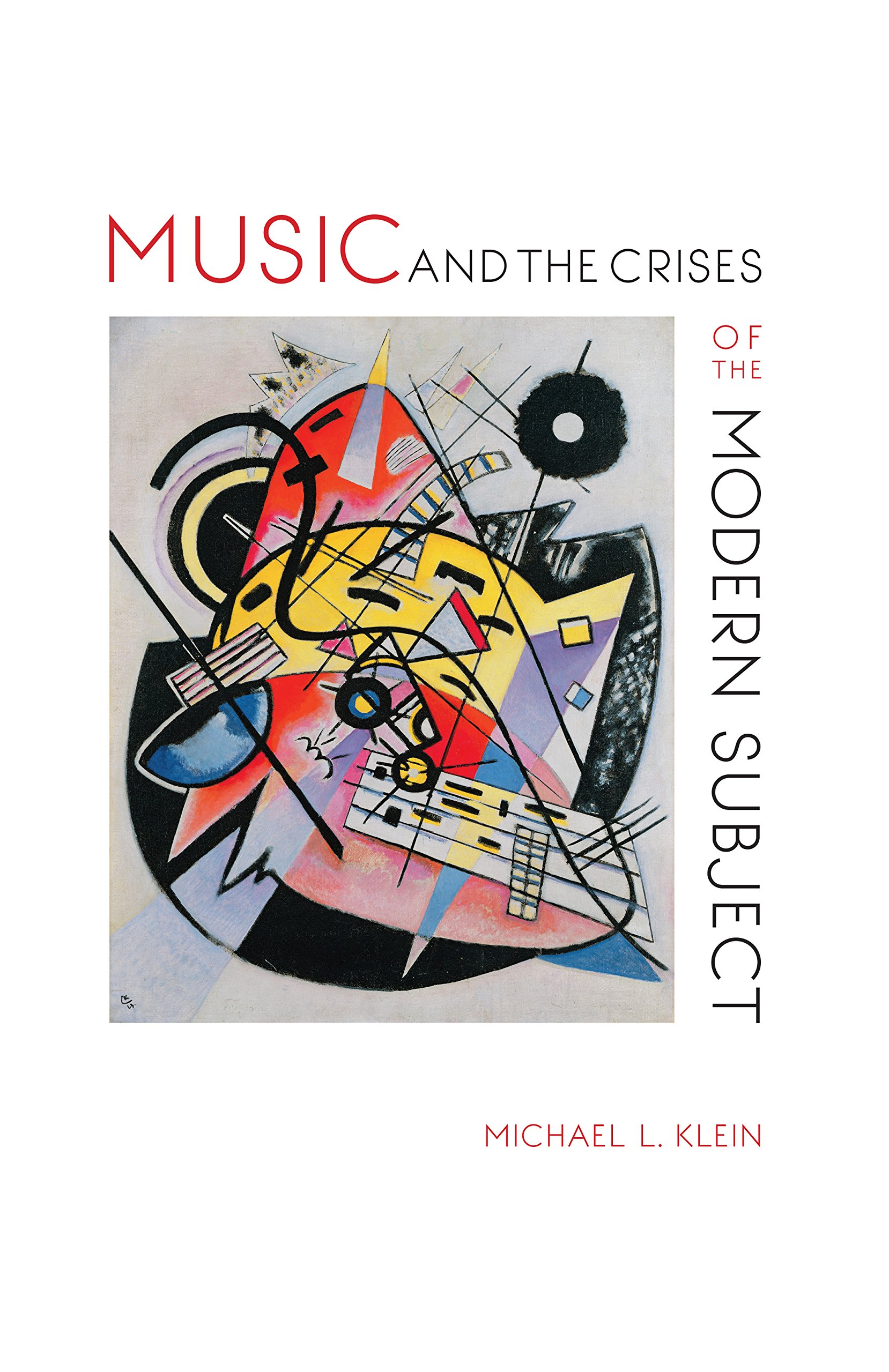
Music and the Crises of the Modern Subject by Michael L. Klein – Music Theory & Criticism

Music
Opera and Drama in Eighteenth-Century London: The King's Theatre, Garrick and the Business of Perfor

Music
Music in Theory and Practice Volume 1 | by Bruce Benward | Marilyn Saker | McGraw-Hill Companies | by Bruce Benward | Marilyn Saker | McGraw-Hill Companies | by Bruce Benward | Marilyn Saker | McGraw-Hill Companies | by Bruce Benward | Marilyn Saker | McGraw-Hill Companies | by Bruce Benward | Marilyn Saker | McGraw-Hill Companies | by Bruce Benward | Marilyn Saker | McGraw-Hill Companies | by Bruce Benward | Marilyn Saker | McGraw-Hill Companies | by Bruce Benward | Marilyn Saker | McGraw-Hill

Music