
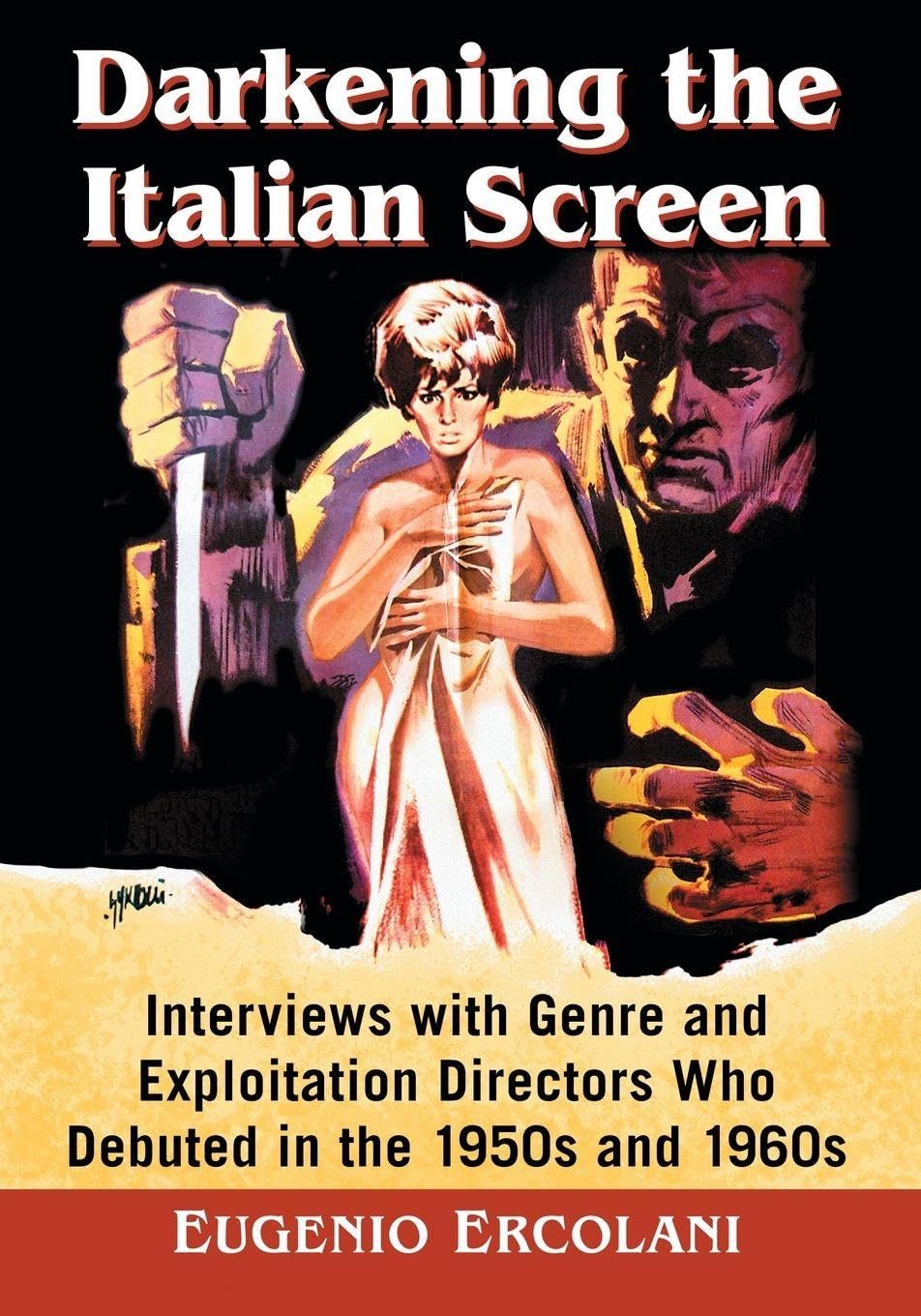
Darkening the Italian Screen: Interviews with Genre and Exploitation Directors Who Debuted in the 1950s and 1960s by Eug
Inclusive of all applicable taxes. FREE shipping on all orders.
Available Offers
- 🚚Free Delivery — Free shipping on all orders
- 💵Cash on Delivery — Pay when your order arrives
- ↩️15-Day Easy Returns — Hassle-free return policy
- 🔒Cash on Delivery — Pay safely when your order arrives
Check Delivery
Product Description
Introduction
Italian cinema of the 1950s and 1960s was a spectacular explosion of creativity, passion, and raw energy. While the world celebrated the art-house brilliance of Fellini and Antonioni, a parallel universe of genre cinema was thriving—spaghetti westerns, horror, peplum, giallo, and crime thrillers. Darkening the Italian Screen is a rare and essential volume that takes you behind the scenes of this lesser-known but equally influential world. Through intimate interviews with the directors who debuted during this golden era, author Eugenio Ercolani captures the struggles, ambitions, and innovations that shaped Italian popular cinema. This book is a treasure for film students, researchers, and anyone fascinated by the magic of Italian filmmaking.
Book Overview
This hardcover edition from McFarland & Company is a meticulously researched work that combines rigorous scholarship with the immediacy of oral history. Ercolani, a noted film historian, conducted exclusive interviews with both legendary and emerging directors who began their careers in the 1950s and 1960s. The result is a vivid tapestry of personal anecdotes, production secrets, and industry insights. The book explores how Italian genre cinema emerged as a defiant response to the post-war dominance of Hollywood, creating a uniquely Italian visual language. From the dusty plains of spaghetti westerns to the shadowy corridors of gothic horror, every page reveals the passion and ingenuity of filmmakers who worked with limited budgets but boundless imagination.
Key Highlights
- Exclusive Interviews: First-hand accounts from directors who shaped Italian genre cinema, many speaking candidly for the first time.
- Historical Context: Understand how post-war economic and cultural factors gave birth to a vibrant, homegrown film industry.
- Genre Diversity: Covers spaghetti westerns, peplum (sword-and-sandal), giallo, horror, crime, and more.
- Behind-the-Scenes Stories: Learn about low-budget innovations, censorship battles, and the art of making films with minimal resources.
- Rare Photographs: Includes images from the directors' personal archives, offering a visual journey into the era.
Inside the Book
The book is structured around thematic chapters that trace the evolution of Italian genre cinema. Each chapter focuses on a specific director or group of directors, with Ercolani's insightful commentary framing the interviews. You will discover how directors like Mario Bava, Sergio Corbucci, and Antonio Margheriti navigated the volatile film industry. The interviews reveal the creative processes behind iconic films, the challenges of working with limited technology, and the surprising connections between Italian genre cinema and international trends. The narrative is enriched by Ercolani's deep knowledge of film history, making this a comprehensive resource that feels both scholarly and deeply personal.
Key Topics
- The birth of Italian genre cinema in the 1950s
- The influence of American films on Italian directors
- Spaghetti westerns and the reinvention of the cowboy myth
- Peplum films and the revival of ancient mythology
- Giallo and the origins of Italian horror
- Exploitation cinema and its cultural significance
- Censorship and the fight for artistic freedom
- The role of music and cinematography in genre films
Reader Benefits
This book offers more than just historical facts. For film enthusiasts, it provides a deeper appreciation of the craft behind beloved genre films. For students, it serves as a primary source for research papers and dissertations. For aspiring filmmakers, the interviews offer practical lessons in creativity, resilience, and resourcefulness. You will gain a nuanced understanding of how Italian cinema resisted Hollywood's dominance while creating its own iconic visual language. The conversational tone of the interviews makes complex topics accessible, while the scholarly framing ensures academic rigour.
Learning Outcomes
- Identify the key directors and films that defined Italian genre cinema from the 1950s to the 1960s.
- Analyse the socio-economic factors that shaped the Italian film industry in the post-war period.
- Evaluate the stylistic and thematic innovations of Italian genre directors.
- Understand the relationship between Italian popular cinema and international film movements.
- Apply insights from these interviews to contemporary filmmaking and criticism.
Who Should Read
This book is ideal for film studies students, cinema historians, and anyone with a passion for Italian culture. It will also appeal to fans of spaghetti westerns, horror, and cult cinema who want to go beyond the screen. Indian readers, in particular, will find parallels with the rise of regional and genre cinema in India, making this a cross-cultural learning experience. Whether you are a casual movie lover or a dedicated scholar, Darkening the Italian Screen will enrich your understanding of one of cinema's most dynamic eras.
About the Author
Eugenio Ercolani is a renowned film historian and author whose work focuses on Italian genre cinema. He has written extensively for international film journals and has contributed to several documentary projects. His deep access to directors and archives makes him one of the foremost experts on the subject. Ercolani's passion for preserving the legacy of Italian popular cinema is evident in every page of this book.
About the Publisher
McFarland & Company is a leading independent publisher of academic and reference books, particularly in the fields of film studies, history, and popular culture. Known for their rigorous editorial standards, McFarland titles are trusted by scholars and libraries worldwide. This hardcover edition reflects their commitment to producing durable, high-quality books that stand the test of time.
Conclusion
Darkening the Italian Screen is more than a book—it is a time capsule that preserves the voices of the filmmakers who dared to dream in black and white, and later in vivid colour. It celebrates the unsung heroes of Italian cinema and offers a fresh perspective on a period often overshadowed by art-house giants. For anyone who loves film, this is an indispensable addition to your library. Order your copy today from Bookshops.in and step into the shadows of Italian cinema's golden age.
Quick Summary
Darkening the Italian Screen is a compelling exploration of postwar Italian popular cinema, told through interviews with the genre and exploitation directors who debuted in the 1950s and 1960s. Author Eugenio Ercolani, a dedicated film historian, captures the voices of both celebrated and obscure filmmakers who navigated an industry shaped by the need to compete with Hollywood. The book delves into the birth of iconic genres like spaghetti westerns, giallo, peplum, and horror, revealing how economic necessity and creative ingenuity drove Italian cinema. Readers will gain a deep understanding of the cultural and industrial forces that transformed Italian filmmaking into a vibrant, multi-genre phenomenon. This volume is ideal for film students, scholars, and cinephiles who want to go beyond neorealism and explore the rich tapestry of Italian popular cinema. By purchasing from Bookshops.in, Indian readers receive a premium hardcover edition with fast delivery and excellent customer service, making it a valuable addition to any film studies library.
Book Highlights
Book Specifications
| ISBN-13 | 9781476667386 |
| ISBN-10 | 1476667381 |
| Publisher | McFarland & Co Inc |
| Language | English |
| Dimensions | 17.78 x 1.7 x 25.4 cm |
| Weight | 612 g |
| Country | India |
| Category | Performing Arts › Film & Television |
| Genre | Film History |
| Original Language | English |
Frequently Asked Questions
What is this book about?
Who is the author?
Which directors are interviewed?
Is this book suitable for academic study?
Does the book cover only popular directors?
What time period does the book focus on?
What is the publication date?
What is the ISBN?
Is this book available in Indian bookstores?
What genres are discussed?
Does the book include photographs?
Is the book written in English?
Why should I buy this book?
Readers Also Search For
Customers Also Bought

British Archaeological Reports Oxford Ltd
Copies of the Fel Temp Reparatio Coinage in Britain | by R. J. Brickstock | British Archaeological Reports Oxford Ltd | by R. J. Brickstock | British Archaeological Reports Oxford Ltd | by R. J. Brickstock | British Archaeological Reports Oxford Ltd | by R. J. Brickstock | British Archaeological Reports Oxford Ltd | by R. J. Brickstock | British Archaeological Reports Oxford Ltd | by R. J. Brickstock | British Archaeological Reports Oxford Ltd | by R. J. Brickstock | British Archaeological Repor

de Gruyter
Baby - Cutter (English, Gerhard Strau | Heidrun Kamper-Jensen | Isolde Nortmeyer)

de Gruyter Mouton
Stratégies Et Choix Dans La Recherche (English, G. Lemaine | M. Clémençon | A. Gomis)

Springer
Historische Studien Und Skizzen Zu Natur- Und Heilwissenschaft | by Georg Stricker | Springer | by Georg Stricker | Springer | by Georg Stricker | Springer | by Georg Stricker | Springer | by Georg Stricker | Springer | by Georg Stricker | Springer | by Georg Stricker | Springer | by Georg Stricker | Springer | by Georg Stricker | Springer | by Georg Stricker | Springer | by Georg Stricker | Springer | by Georg Stricker | Springer | by Georg Stricker | Springer | by Georg Stricker | Springer | b

Springer
Kondensation. | by F. J. Weiss | E. Wiki | Springer | by F. J. Weiss | E. Wiki | Springer | by F. J. Weiss | E. Wiki | Springer | by F. J. Weiss | E. Wiki | Springer | by F. J. Weiss | E. Wiki | Springer | by F. J. Weiss | E. Wiki | Springer | by F. J. Weiss | E. Wiki | Springer | by F. J. Weiss | E. Wiki | Springer | by F. J. Weiss | E. Wiki | Springer | by F. J. Weiss | E. Wiki | Springer | by F. J. Weiss | E. Wiki | Springer | by F. J. Weiss | E. Wiki | Springer | by F. J. Weiss | E. Wiki | S

de Gruyter Mouton
Regional Development (English, John H. Cumberland)
Related Products
View All
McFarland & Company
Playing with the Guys | by Marc A. Ouellette | Matthew Wilhelm Kapell | McFarland & Company | by Marc A. Ouellette | Matthew Wilhelm Kapell | McFarland & Company | by Marc A. Ouellette | Matthew Wilhelm Kapell | McFarland & Company | by Marc A. Ouellette | Matthew Wilhelm Kapell | McFarland & Company | by Marc A. Ouellette | Matthew Wilhelm Kapell | McFarland & Company | by Marc A. Ouellette | Matthew Wilhelm Kapell | McFarland & Company | by Marc A. Ouellette | Matthew W

McFarland & Company
Valley Forge to Monmouth | by Jim Stempel | McFarland & Company | by Jim Stempel | McFarland & Company | by Jim Stempel | McFarland & Company | by Jim Stempel | McFarland & Company | by Jim Stempel | McFarland & Company | by Jim Stempel | McFarland & Company | by Jim Stempel | McFarland & Company | by Jim Stempel | McFarland & Company | by Jim Stempel | McFarland & Company | by Jim Stempel | McFarland & Company | by Jim Stempel | McFarland & Company |
McFarland & Company
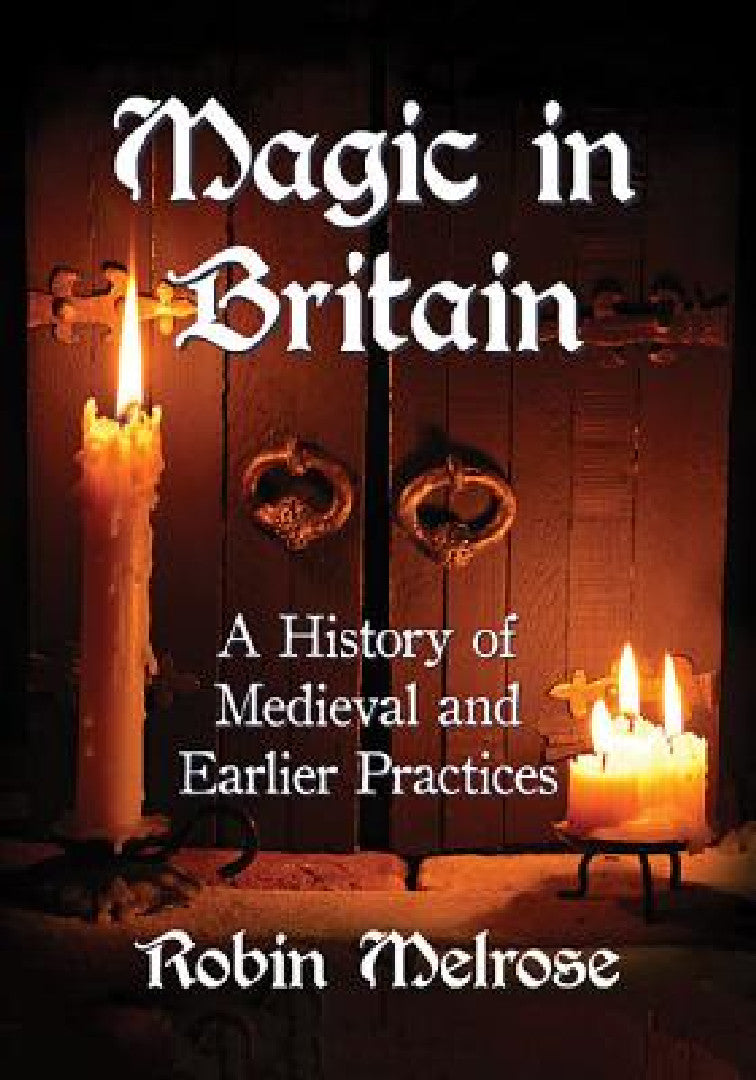
Magic in Britain | by Robin Melrose | McFarland & Company | by Robin Melrose | McFarland & Company | by Robin Melrose | McFarland & Company | by Robin Melrose | McFarland & Company | by Robin Melrose | McFarland & Company | by Robin Melrose | McFarland & Company | by Robin Melrose | McFarland & Company | by Robin Melrose | McFarland & Company | by Robin Melrose | McFarland & Company | by Robin Melrose | McFarland & Company | by Robin Melrose | McFarland &a
McFarland & Company
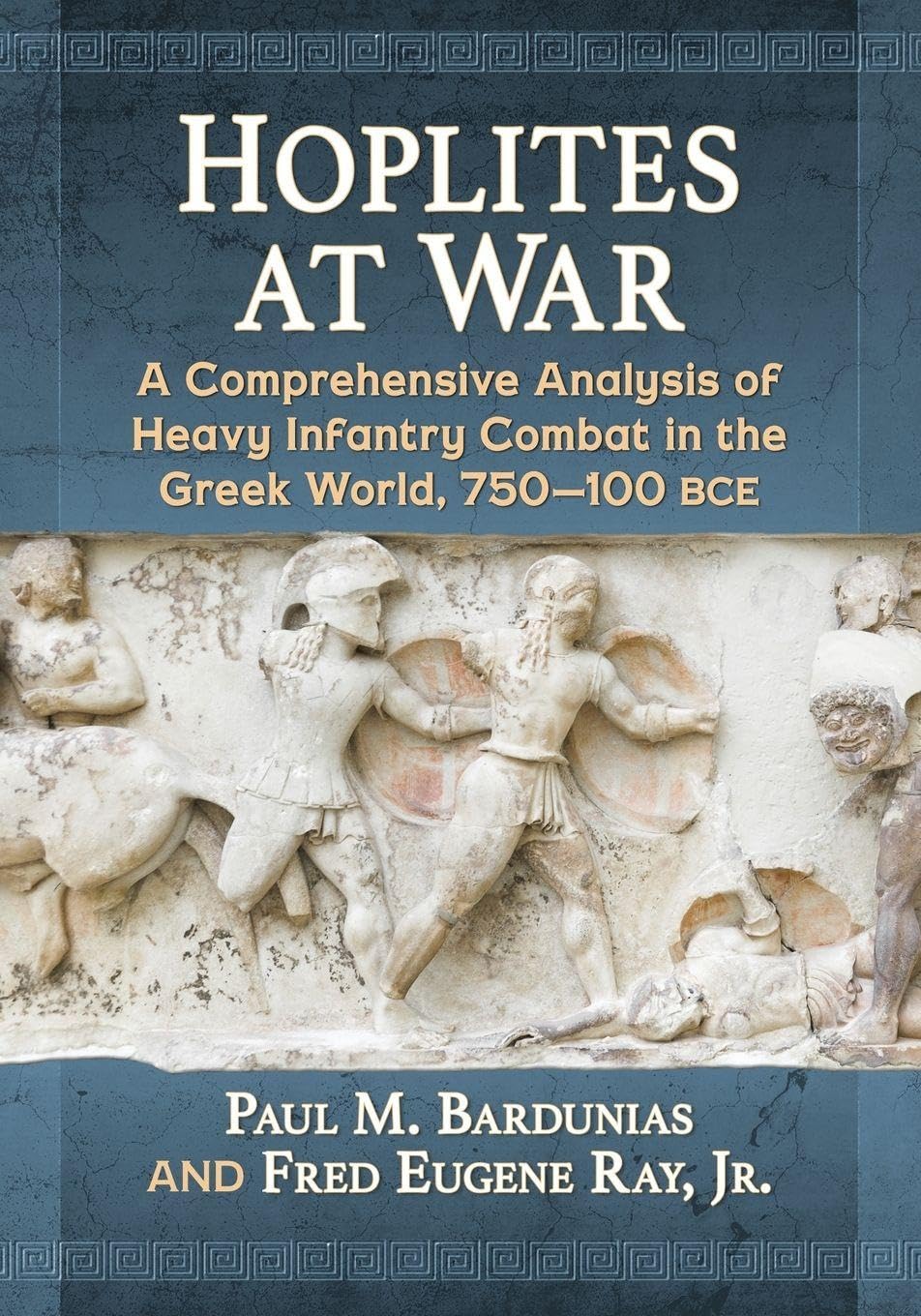
Hoplites at War: A Comprehensive Analysis of Heavy Infantry Combat in the Greek World, 750-100 bce b
McFarland & Company
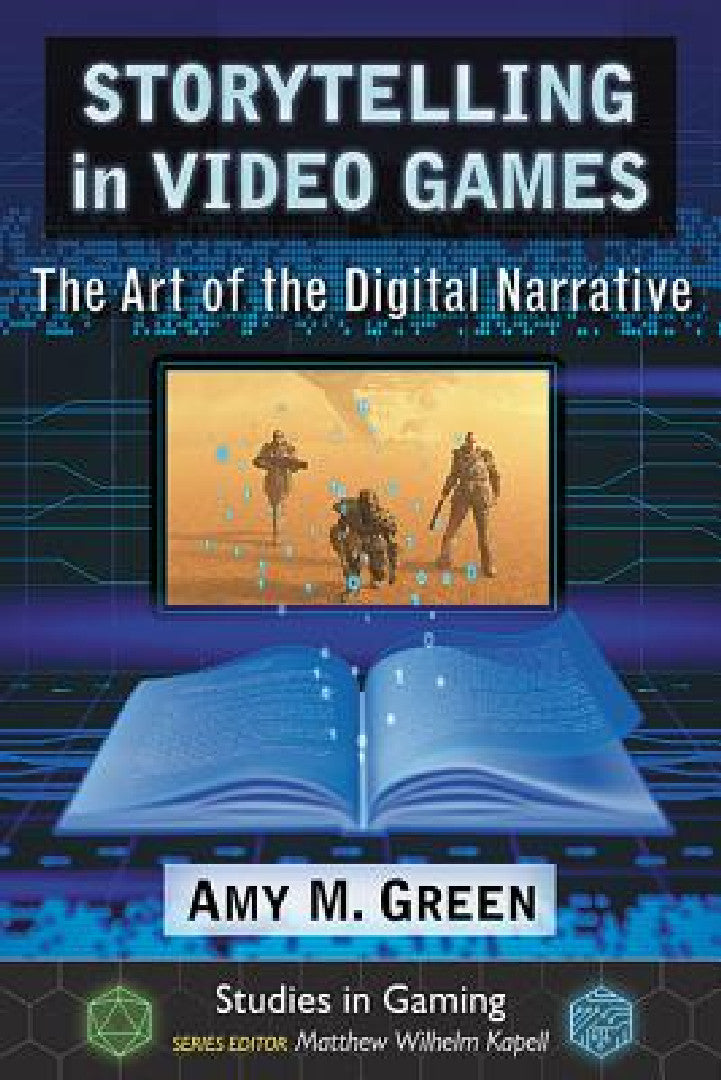
Storytelling in Video Games | by Amy M. Green | Matthew Wilhelm Kapell | McFarland & Company | by Amy M. Green | Matthew Wilhelm Kapell | McFarland & Company | by Amy M. Green | Matthew Wilhelm Kapell | McFarland & Company | by Amy M. Green | Matthew Wilhelm Kapell | McFarland & Company | by Amy M. Green | Matthew Wilhelm Kapell | McFarland & Company | by Amy M. Green | Matthew Wilhelm Kapell | McFarland & Company | by Amy M. Green | Matthew Wilhelm Kapell | McFarland &am
McFarland & Company