
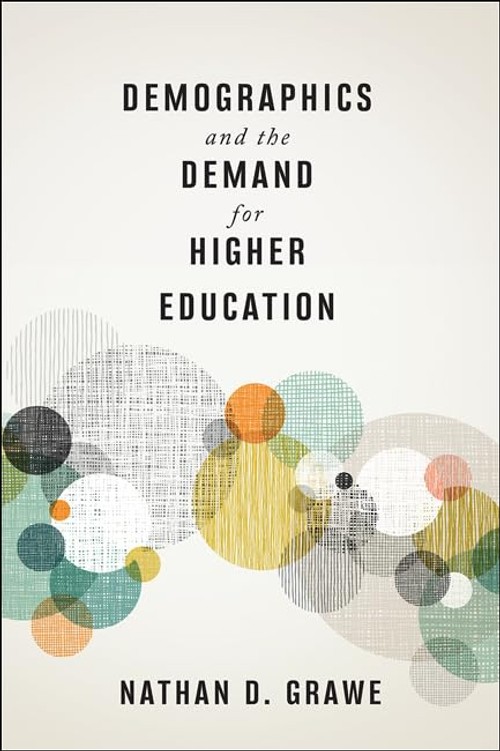
Demographics and the Demand for Higher Education by Nathan D. Grawe – A Strategic Guide to Understanding College Enrollm
Inclusive of all applicable taxes. FREE shipping on all orders.
Available Offers
- 🚚Free Delivery — Free shipping on all orders
- 💵Cash on Delivery — Pay when your order arrives
- ↩️15-Day Easy Returns — Hassle-free return policy
- 🔒Cash on Delivery — Pay safely when your order arrives
Check Delivery
Product Description
Introduction
In a rapidly evolving educational landscape, understanding the forces that shape student enrollment is more critical than ever. For Indian educators, policymakers, and university administrators, the ability to anticipate demographic shifts can mean the difference between institutional growth and decline. Demographics and the Demand for Higher Education by Nathan D. Grawe offers a data-driven roadmap for navigating these changes, making it an essential read for anyone invested in the future of higher education.
Book Overview
This hardcover volume from Johns Hopkins University Press presents a rigorous analysis of how fertility rates, migration patterns, and immigration trends will alter the demand for college education over the next two decades. Grawe introduces the Higher Education Demand Index (HEDI), a powerful predictive tool that uses longitudinal data to forecast enrollment shifts. While the book focuses on the United States, its methodologies and insights are directly applicable to India, where regional disparities in population growth and educational access mirror many of the trends Grawe explores.
Key Highlights
- Original Research: Features the groundbreaking HEDI model, which combines demographic data with educational participation rates.
- Timely Analysis: Examines the impact of the Great Recession on birth rates, predicting a 15% drop in college-aged populations by 2026.
- Regional Focus: Highlights the shift in student populations from the Northeast and Midwest to the Hispanic Southwest, offering lessons for India’s own regional imbalances.
- Actionable Insights: Provides concrete strategies for institutions to adapt their recruitment, curriculum, and financial aid models.
Inside the Book
Grawe meticulously dissects the data from the 2002 Education Longitudinal Study (ELS) to build his index. The book walks readers through the process of creating predictive models, interpreting demographic trends, and applying these findings to institutional planning. Each chapter is packed with charts, tables, and real-world examples that make complex statistical concepts accessible. The author also addresses the unique challenges faced by liberal arts colleges, community colleges, and research universities, ensuring relevance across diverse institutional types.
Key Topics
- Fertility trends and their long-term effects on college enrollment
- Domestic and international migration patterns in higher education
- The Higher Education Demand Index (HEDI) methodology
- Strategic planning for enrollment management
- Adapting curriculum and marketing to demographic realities
Reader Benefits
By engaging with this book, readers will gain the ability to forecast enrollment changes with greater accuracy, identify emerging markets for student recruitment, and develop resilience strategies for their institutions. The HEDI framework can be adapted to Indian contexts, helping universities in states like Kerala or Tamil Nadu—which face declining birth rates—prepare for future challenges. Similarly, institutions in high-growth regions like Uttar Pradesh or Bihar can learn to capitalize on expanding demand.
Learning Outcomes
- Understand the key demographic variables that influence higher education demand
- Learn to construct and interpret predictive models like HEDI
- Identify actionable strategies for institutional adaptation
- Apply demographic analysis to policy and planning decisions
- Recognize the interplay between national trends and local realities
Who Should Read
This book is indispensable for university vice-chancellors, admission directors, education policy analysts, and researchers in sociology and economics. It is also highly valuable for graduate students in education administration, public policy, and demography. Indian readers working in educational consulting, NGO-led education initiatives, or state education departments will find the analytical frameworks particularly useful for shaping India’s higher education future.
About the Author
Nathan D. Grawe is a professor of economics at Carleton College in Northfield, Minnesota. His research focuses on the economics of higher education, with a special emphasis on demographic change and enrollment forecasting. Grawe has presented his findings to numerous academic and professional organizations, and his work has been recognized with the 2017 National Student Clearinghouse Research Center Award for Outstanding AACRAO SEM Research Presentation. He brings both scholarly rigor and practical experience to this critical topic.
About the Publisher
Johns Hopkins University Press is one of the oldest and most prestigious academic publishers in the United States. Founded in 1878, it is renowned for its authoritative titles in the sciences, social sciences, and humanities. The press is committed to advancing knowledge through the publication of works that combine scholarly depth with real-world relevance—a tradition that continues with this essential volume on higher education demand.
Conclusion
Demographics and the Demand for Higher Education is more than a book; it is a strategic tool for anyone who cares about the future of learning. In an era of uncertainty, Grawe’s data-driven approach offers clarity and direction. Whether you are planning for the next admission cycle or the next decade, this book will help you make informed decisions that ensure your institution not only survives but thrives. Order your copy today from Bookshops.in and take the first step toward mastering the demographic forces shaping higher education.
Quick Summary
Demographics and the Demand for Higher Education by Nathan D. Grawe is a data-rich exploration of how long-term demographic shifts—declining fertility, changing migration patterns, and immigration trends—are reshaping the landscape of American higher education. The book reveals that by 2026, the number of college-aged students will drop by nearly 15% in just five years, with the Northeast and Midwest facing the steepest declines. Grawe argues that the decisions made in the next five years are critical for colleges to survive and thrive. Drawing on rigorous statistical analysis and award-winning research, this book provides a clear roadmap for institutional planning, recruitment, and policy-making. Indian readers—especially educators, policymakers, and students of demography—will find valuable parallels and methodologies applicable to their own contexts. By purchasing from Bookshops.in, you get a premium hardcover edition delivered across India, backed by our reliable service and competitive pricing. This is an essential read for anyone serious about the future of higher education.
Book Highlights
Book Specifications
| ISBN-13 | 9781421424132 |
| ISBN-10 | 1421424134 |
| Publisher | Johns Hopkins Univ Pr |
| Language | English |
| Dimensions | 15.24 x 1.83 x 22.86 cm |
| Weight | 399 g |
| Category | Business & Finance › Economics |
| Genre | Nonfiction |
| Original Language | English |
Frequently Asked Questions
What is this book about?
Who wrote Demographics and the Demand for Higher Education?
Is this book only for American readers?
What makes this book unique?
Does the book cover Indian higher education?
What is the 'birth dearth' mentioned in the book?
How can colleges use this book?
Is this book suitable for students?
What awards has this book won?
Does the book include case studies?
Can I buy this book from Bookshops.in?
Is this book technical or accessible?
What language is the book in?
Readers Also Search For
Customers Also Bought

Entrepreneurship
Chinese Economic Revolution (English, Linda Grove)
Entrepreneurship
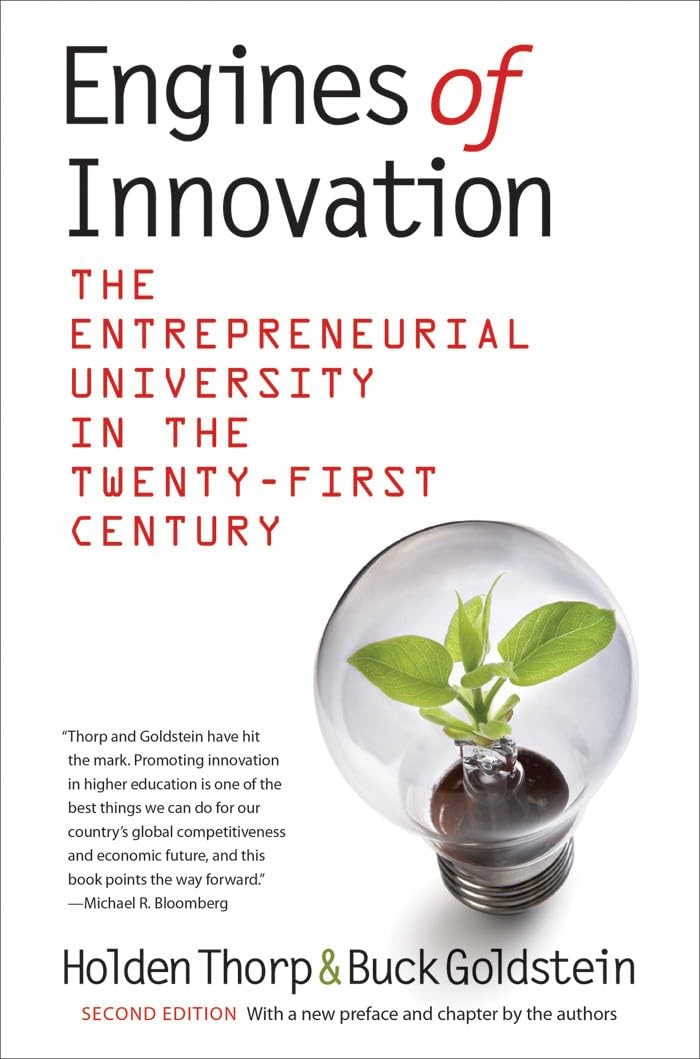
Engines of Innovation: The Entrepreneurial University in the Twenty-First Century by Holden Thorp
Entrepreneurship
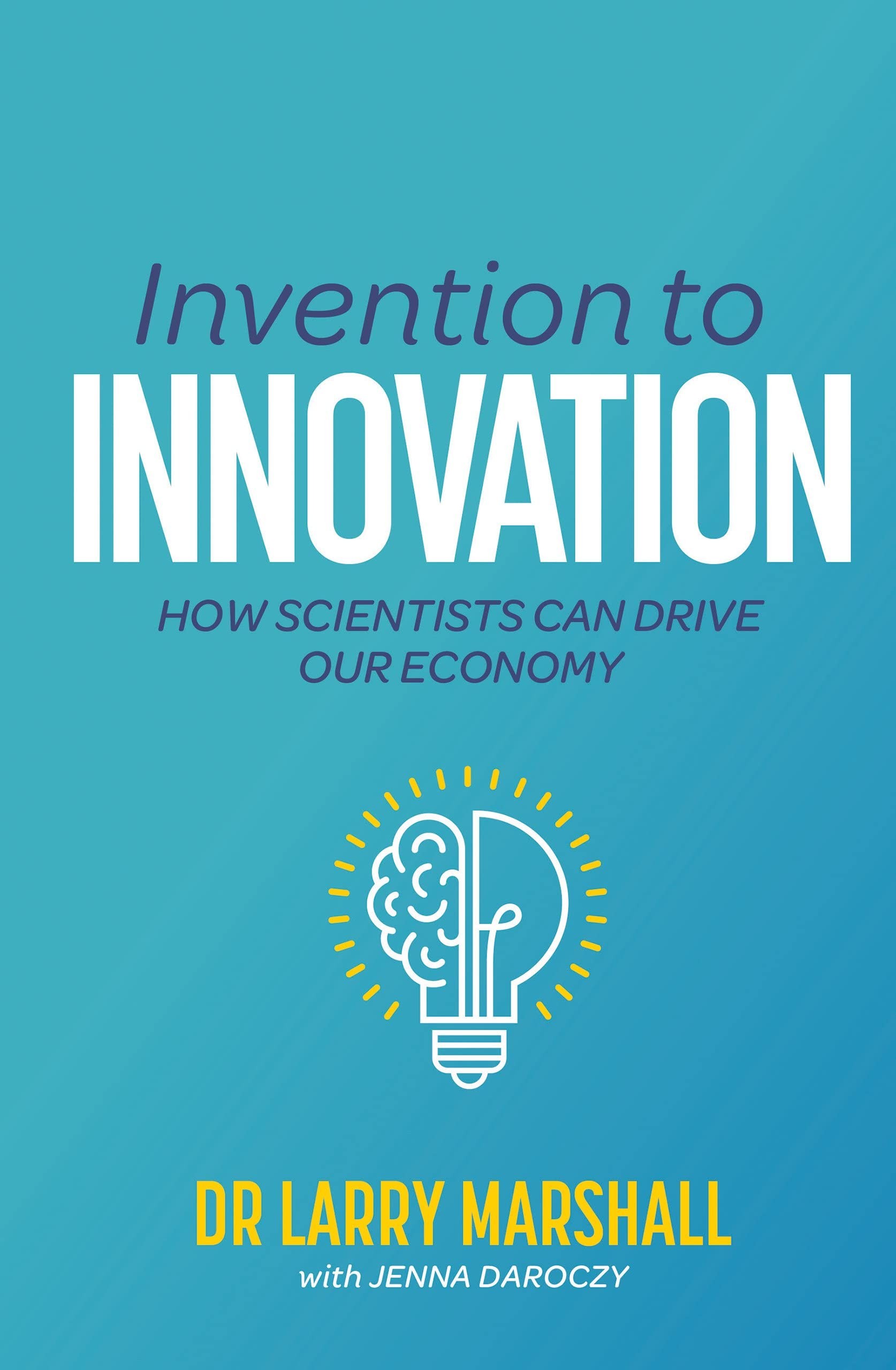
Invention to Innovation (English, PhD Marshall Larry | Jenna Daroczy)

Entrepreneurship
Database Management Systems by Raghu Ramakrishnan – DBMS Textbook

Entrepreneurship
Decision-making for Technology Executives by Harold A. Linstone

Entrepreneurship
The Business Innovation Audit (English, William Tate)
Related Products
View All
Economics
Political Economy from Pufendorf to Marx (English, István Hont | Lasse S. Andersen | Béla Kapossy)
Economics
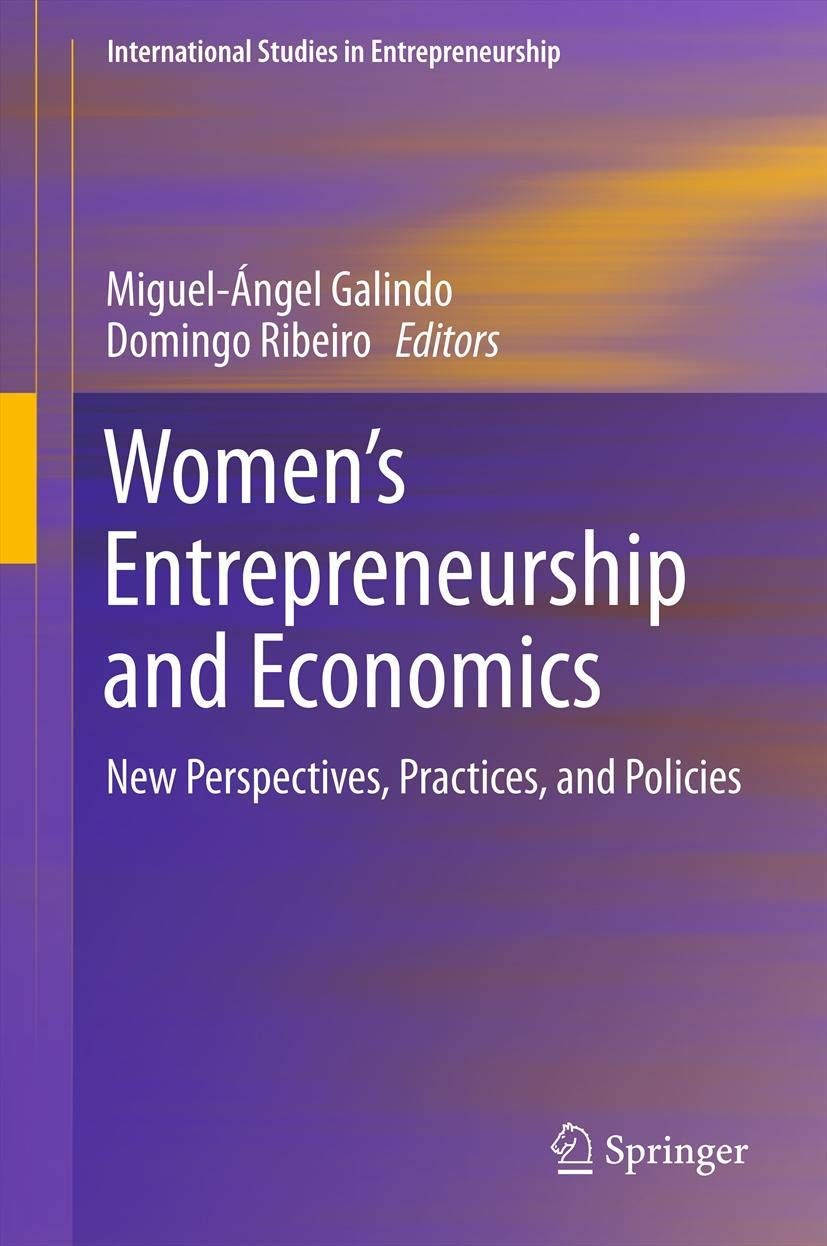
Women's Entrepreneurship and Economics (English, Miguel-Angel Galindo | Domingo Ribeiro)

Economics
Trade Policy and Industrialization in Turbulent Times | by Gerry Helleiner | Routledge | by Gerry Helleiner | Routledge | by Gerry Helleiner | Routledge | by Gerry Helleiner | Routledge | by Gerry Helleiner | Routledge | by Gerry Helleiner | Routledge | by Gerry Helleiner | Routledge | by Gerry Helleiner | Routledge | by Gerry Helleiner | Routledge | by Gerry Helleiner | Routledge | by Gerry Helleiner | Routledge | by Gerry Helleiner | Routledge | by Gerry Helleiner | Routledge | by Gerry Hellei
Economics
History of Economic Analysis | by Schumpeter Joseph A. | Taylor & Francis Ltd | by Schumpeter Joseph A. | Taylor & Francis Ltd | by Schumpeter Joseph A. | Taylor & Francis Ltd | by Schumpeter Joseph A. | Taylor & Francis Ltd | by Schumpeter Joseph A. | Taylor & Francis Ltd | by Schumpeter Joseph A. | Taylor & Francis Ltd | by Schumpeter Joseph A. | Taylor & Francis Ltd | by Schumpeter Joseph A. | Taylor & Francis Ltd | by Schumpeter Joseph A. | Taylor & Franci
Economics
OECD Compendium of Productivity Indicators 2015 | by Organization for Economic Cooperation an | Organization for Economic Co-Operation & Deve | by Organization for Economic Cooperation an | Organization for Economic Co-Operation & Deve | by Organization for Economic Cooperation an | Organization for Economic Co-Operation & Deve | by Organization for Economic Cooperation an | Organization for Economic Co-Operation & Deve | by Organization for Economic Cooperation an | Organization

Economics