
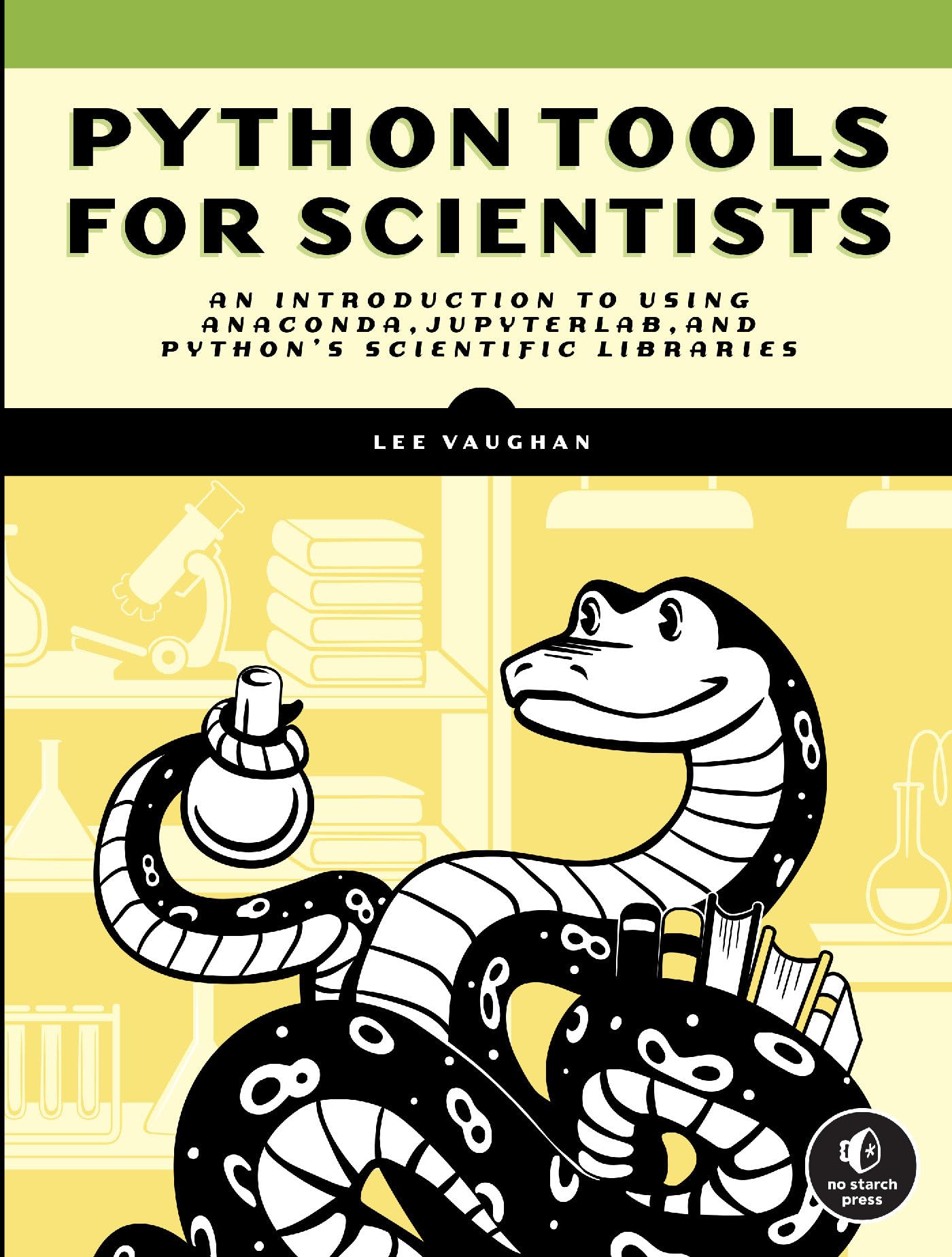
Python Tools for Scientists: An Introduction to Coding with Anaconda, JupyterLab, and Scientific Libraries by Lee Vaugha
Inclusive of all applicable taxes. FREE shipping on all orders.
Available Offers
- 🚚Free Delivery — Free shipping on all orders
- 💵Cash on Delivery — Pay when your order arrives
- ↩️15-Day Easy Returns — Hassle-free return policy
- 🔒Cash on Delivery — Pay safely when your order arrives
Check Delivery
Product Description
Introduction
Python has become the lingua franca of scientific computing, yet many researchers, students, and professionals in India feel daunted by the prospect of learning to code. Python Tools for Scientists by Lee Vaughan, published by MIXGD, is the perfect bridge between scientific curiosity and technical proficiency. This hardcover guide is designed for absolute beginners and experienced practitioners alike, offering a hands-on, project-driven approach to mastering Python for research, simulations, and data analysis. Whether you are a physics student in Delhi, a biotech researcher in Bengaluru, or an engineer in Pune, this book will equip you with the essential tools to transform your scientific ideas into working code.
Book Overview
This comprehensive volume introduces you to the most popular Python coding environment for scientists: Anaconda, Spyder, Jupyter Notebooks, and JupyterLab. It then dives into the core scientific libraries—NumPy, pandas, matplotlib, and many more—that form the backbone of modern data science and computational research. With no prior programming experience required, the book guides you step by step from setting up your professional coding environment to writing programs that simulate natural phenomena, analyze real-world data, and create interactive visualizations. The applied projects, such as simulating globular star clusters and building wargame ships, make learning engaging and memorable.
Key Highlights
- Zero Prerequisites: No prior coding knowledge needed—perfect for students and professionals new to programming.
- Complete Environment Setup: Learn to install and configure Anaconda, JupyterLab, Spyder, and related tools like a pro.
- Focus on Scientific Libraries: Deep dive into NumPy, pandas, matplotlib, SciPy, and other essential libraries for data manipulation and visualization.
- Real-World Projects: Build simulations, interactive slideshows, and data analysis pipelines that mirror actual scientific workflows.
- Indian Context: Examples and analogies are relatable for Indian readers, making abstract concepts concrete.
- Hardcover Durability: A sturdy hardcover edition that will withstand years of use in labs, libraries, and classrooms.
Inside the Book
The book is structured into three major parts. The first part covers setting up a professional Python environment using Anaconda, navigating JupyterLab, and writing your first scripts. The second part is a crash course in Python programming—variables, loops, functions, and object-oriented concepts—all explained with scientific examples. The third and most exciting part explores the scientific libraries: using NumPy for numerical computations, pandas for data wrangling, matplotlib for publication-quality graphs, and more advanced libraries for simulations and machine learning. Each chapter ends with exercises and mini-projects that reinforce learning.
Key Topics
- Installing and configuring Anaconda, JupyterLab, and Spyder
- Python fundamentals: data types, control flow, functions, and modules
- NumPy arrays and linear algebra for scientists
- Data analysis and manipulation with pandas
- Data visualization using matplotlib and seaborn
- Scientific computing with SciPy and SymPy
- Simulating physical systems (e.g., star clusters, ship dynamics)
- Building interactive notebooks and slideshows
- Best practices for reproducible research and collaboration
Reader Benefits
- Save Time: Skip the trial-and-error of learning Python on your own—get a structured, tested curriculum.
- Boost Research Output: Automate data analysis, generate publication-ready figures, and run simulations faster.
- Career Advancement: Python skills are highly sought after in academia, research labs, and the Indian tech industry.
- Confidence: Build real projects from day one, ensuring you can apply what you learn immediately.
- Portfolio Projects: The book’s projects can be added to your resume or academic portfolio.
Learning Outcomes
By the end of this book, you will be able to: set up a complete Python scientific computing environment; write clean, efficient Python code for data analysis; manipulate and visualize large datasets using pandas and matplotlib; perform numerical simulations and scientific computations; create interactive Jupyter Notebooks for presentations and collaboration; and apply Python to your own research or coursework with confidence.
Who Should Read
- Students in science, engineering, mathematics, and data science who want to add Python to their toolkit.
- Researchers and Academics looking to streamline data analysis, simulations, and visualization.
- Professionals in pharmaceuticals, finance, environmental science, and IT who work with data.
- Teachers and Educators seeking a practical textbook for introductory Python courses.
- Hobbyists and Lifelong Learners curious about scientific programming and simulation.
About the Author
Lee Vaughan is a seasoned programmer, geoscientist, and author with decades of experience in scientific computing and data analysis. He has worked on complex simulation projects in the oil and gas industry and has a passion for making technical subjects accessible to beginners. His clear, engaging writing style and focus on practical projects have made his books popular among students and professionals worldwide. Vaughan’s expertise ensures that every concept is explained with precision and real-world relevance.
About the Publisher
MIXGD is a respected publisher known for producing high-quality technical books that bridge the gap between theory and practice. With a focus on programming, data science, and scientific computing, MIXGD titles are carefully edited and designed to provide an exceptional learning experience. This hardcover edition reflects their commitment to durability and content excellence, making it a valuable addition to any library.
Conclusion
Python Tools for Scientists is more than just a programming book—it is a launchpad for scientific discovery and innovation. By combining foundational Python skills with powerful scientific libraries and hands-on projects, it empowers Indian students, researchers, and professionals to harness the full potential of computational thinking. Whether you are preparing for a career in data science, enhancing your academic research, or simply exploring the world of code, this book is your trusted companion. Order your hardcover copy today from Bookshops.in and take the first step toward becoming a confident Python-powered scientist.
Quick Summary
Python Tools for Scientists by Lee Vaughan is a comprehensive, beginner-friendly guide that introduces Python programming for scientific research and data analysis. The book walks readers through setting up a professional coding environment using Anaconda, JupyterLab, and Spyder, then covers essential libraries like NumPy, matplotlib, and pandas. No prior coding experience is required, making it perfect for Indian students, engineers, and researchers who want to use Python for simulations, visualizations, and collaborative projects. Readers will learn to write Python scripts, manipulate data, create stunning plots, and build real-world scientific applications. The hands-on approach includes practical exercises and applied projects that reinforce learning. Why buy from Bookshops.in? We offer genuine, high-quality hardcover editions at competitive prices, with fast delivery across India. Our customer support team is always ready to help you choose the right books for your academic and professional needs.
Book Highlights
Book Specifications
| ISBN-13 | 9781718502666 |
| ISBN-10 | 1718502664 |
| Publisher | No Starch Press |
| Language | English |
| Dimensions | 17.78 x 3.35 x 23.5 cm |
| Weight | 369 g |
| Country | USA |
| Category | Higher Education Textbooks › Computer Science |
| Genre | Non-fiction |
| Original Language | English |
Frequently Asked Questions
Do I need prior programming experience to read this book?
Which Python libraries are covered in this book?
Is this book suitable for Indian students?
What tools will I learn to set up?
Can I use this book for self-study?
Does the book include projects?
What is the price of this book?
Who is the author of this book?
Which publisher released this book?
Is this book available in hardcover?
Does the book cover data visualization?
Can I use this book for research work?
What is the ISBN of this book?
Readers Also Search For
Customers Also Bought
Computer Science
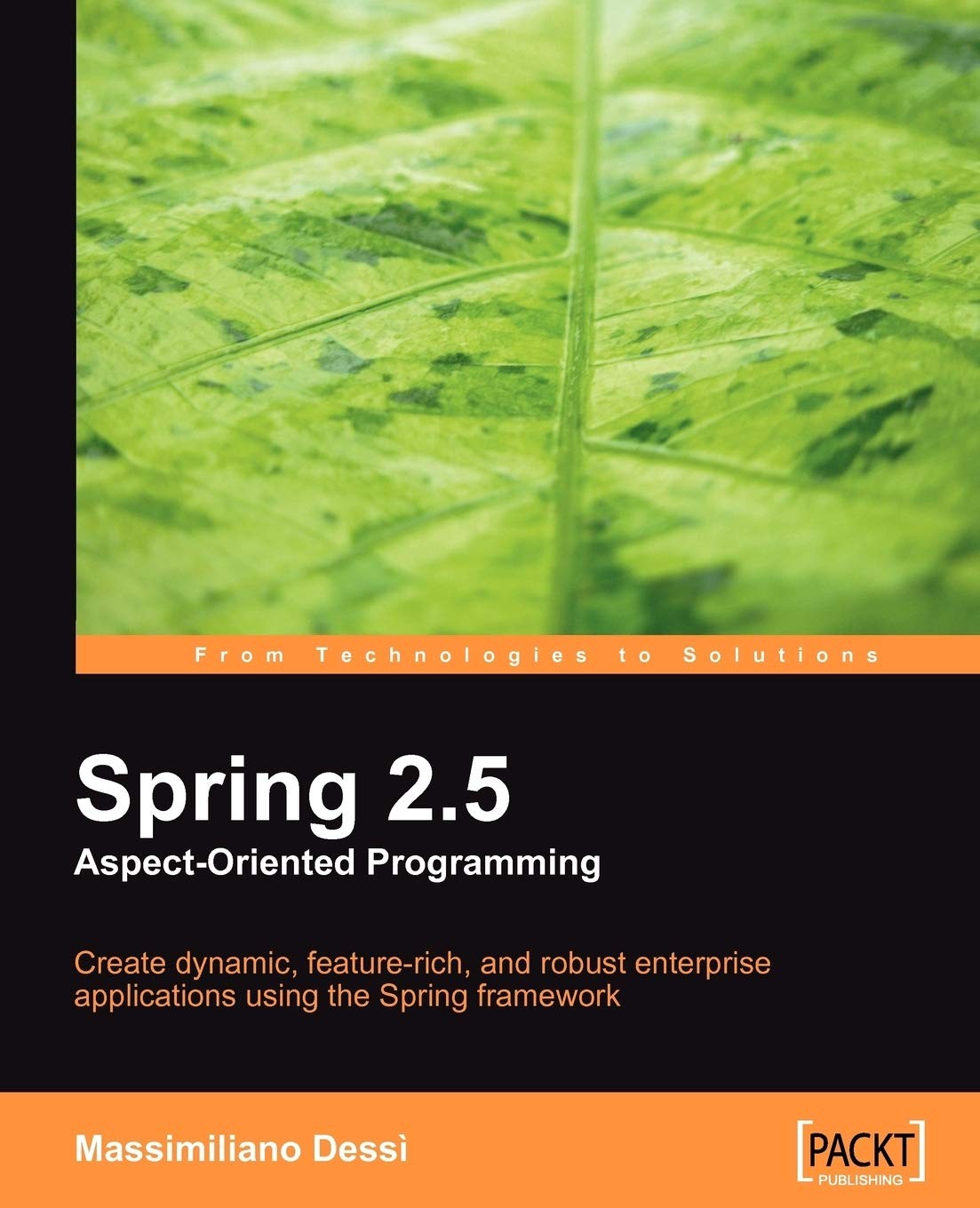
Spring 2.5 Aspect Oriented Programming (English, Massimiliano Dess� | Massimiliano Dessi)
Computer Science
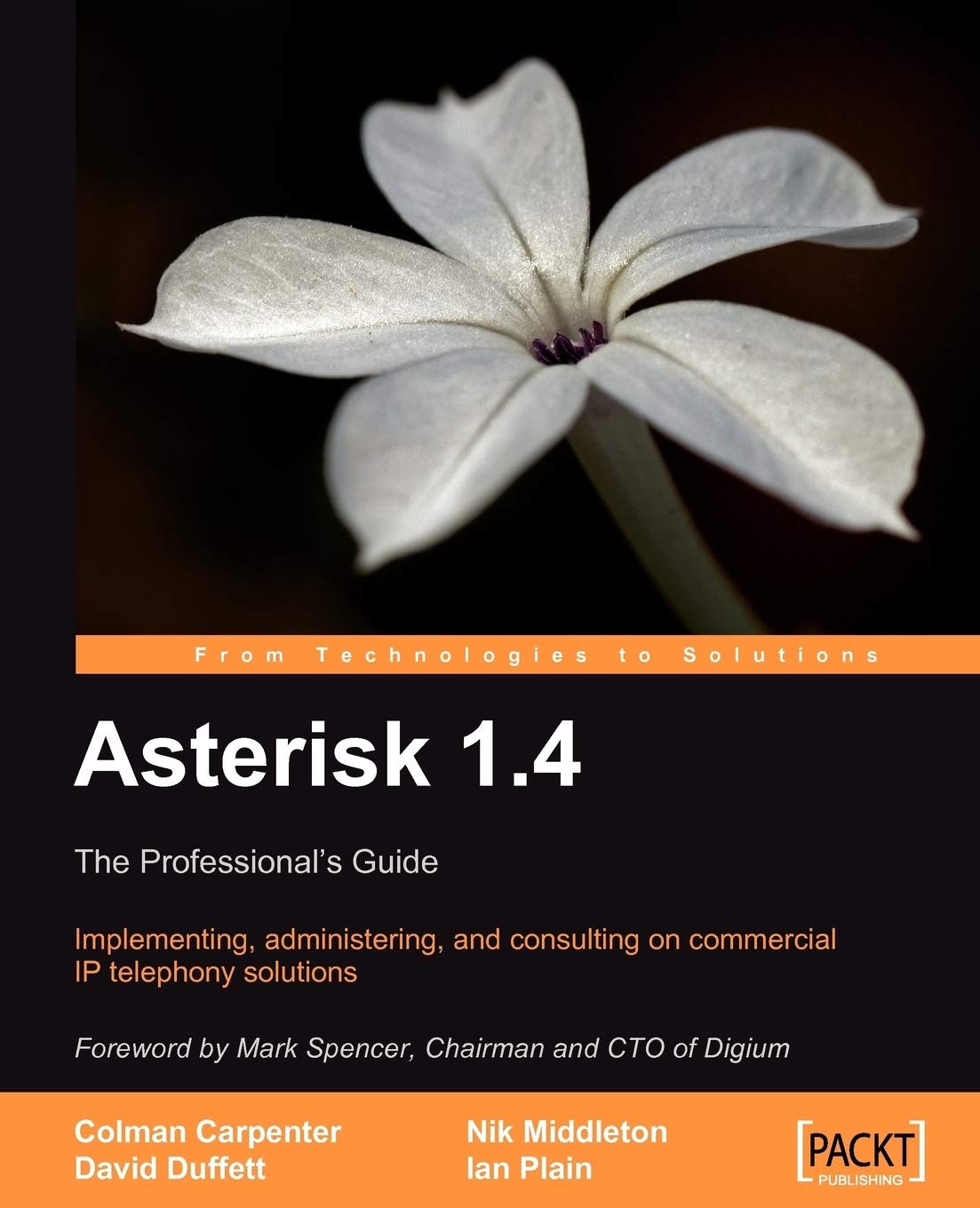
Asterisk 1.4 - the Professional's Guide (English, Colman Carpenter | David Duffett | Nik Middleton)
Computer Science
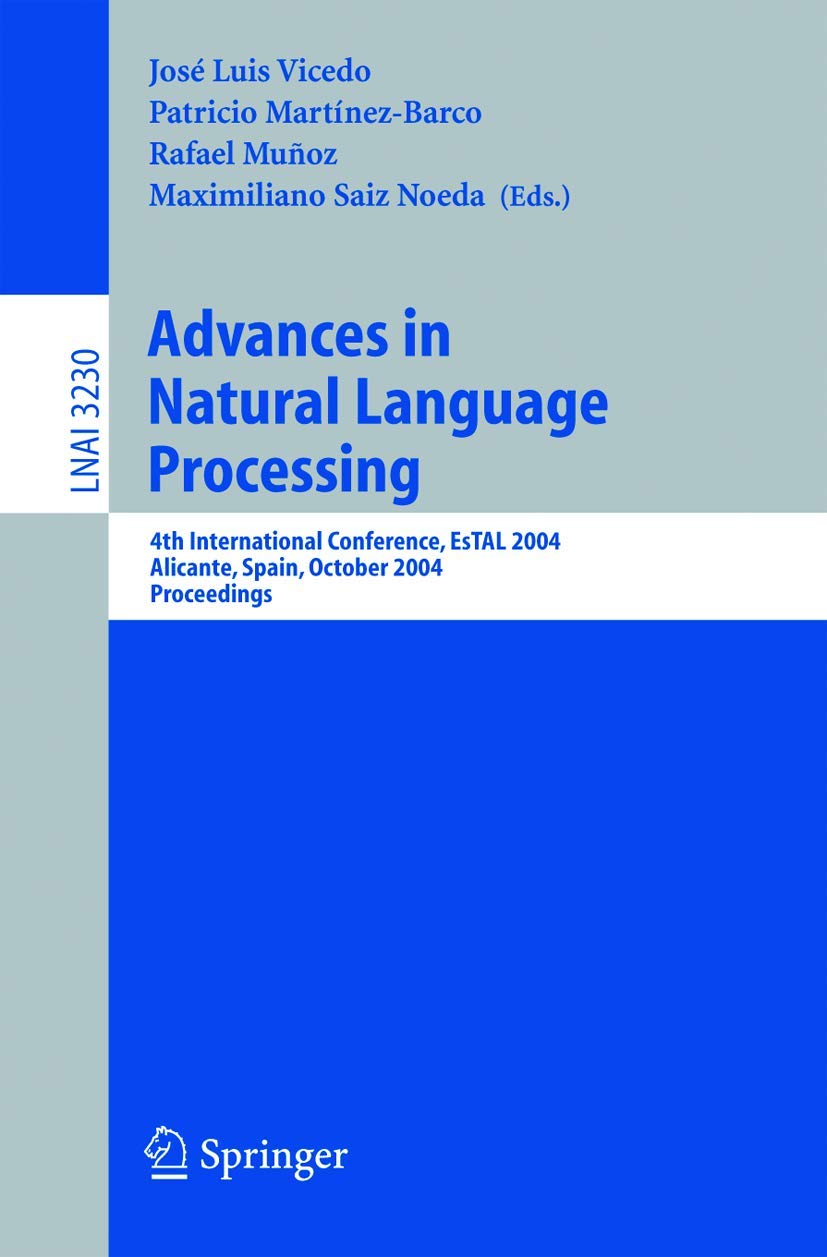
Advances In Natural Language Processing: 4th International Conference, Estal 2004, Alicante, Spain, October 20-22, 2004. Proceedings: 3230 (Lecture Notes in Computer Science)
Computer Science
Multimedia, Communication and Computing Application: Proceedings of the 2014 International Conference on Multimedia, Communication and Computing ... 2014), Xiamen, China, October 16-17, 2014
Computer Science
Cases on Database Technologies and Applications (Cases on Information Technology Series)
Computer Science
ASP.Net 3.5 Social Networking (English, Andrew Siemer)
Related Products
View AllComputer Science
Spring 2.5 Aspect Oriented Programming (English, Massimiliano Dess� | Massimiliano Dessi)
Computer Science
Asterisk 1.4 - the Professional's Guide (English, Colman Carpenter | David Duffett | Nik Middleton)
Computer Science
Advances In Natural Language Processing: 4th International Conference, Estal 2004, Alicante, Spain, October 20-22, 2004. Proceedings: 3230 (Lecture Notes in Computer Science)
Computer Science
Multimedia, Communication and Computing Application: Proceedings of the 2014 International Conference on Multimedia, Communication and Computing ... 2014), Xiamen, China, October 16-17, 2014
Computer Science
Cases on Database Technologies and Applications (Cases on Information Technology Series)
Computer Science