
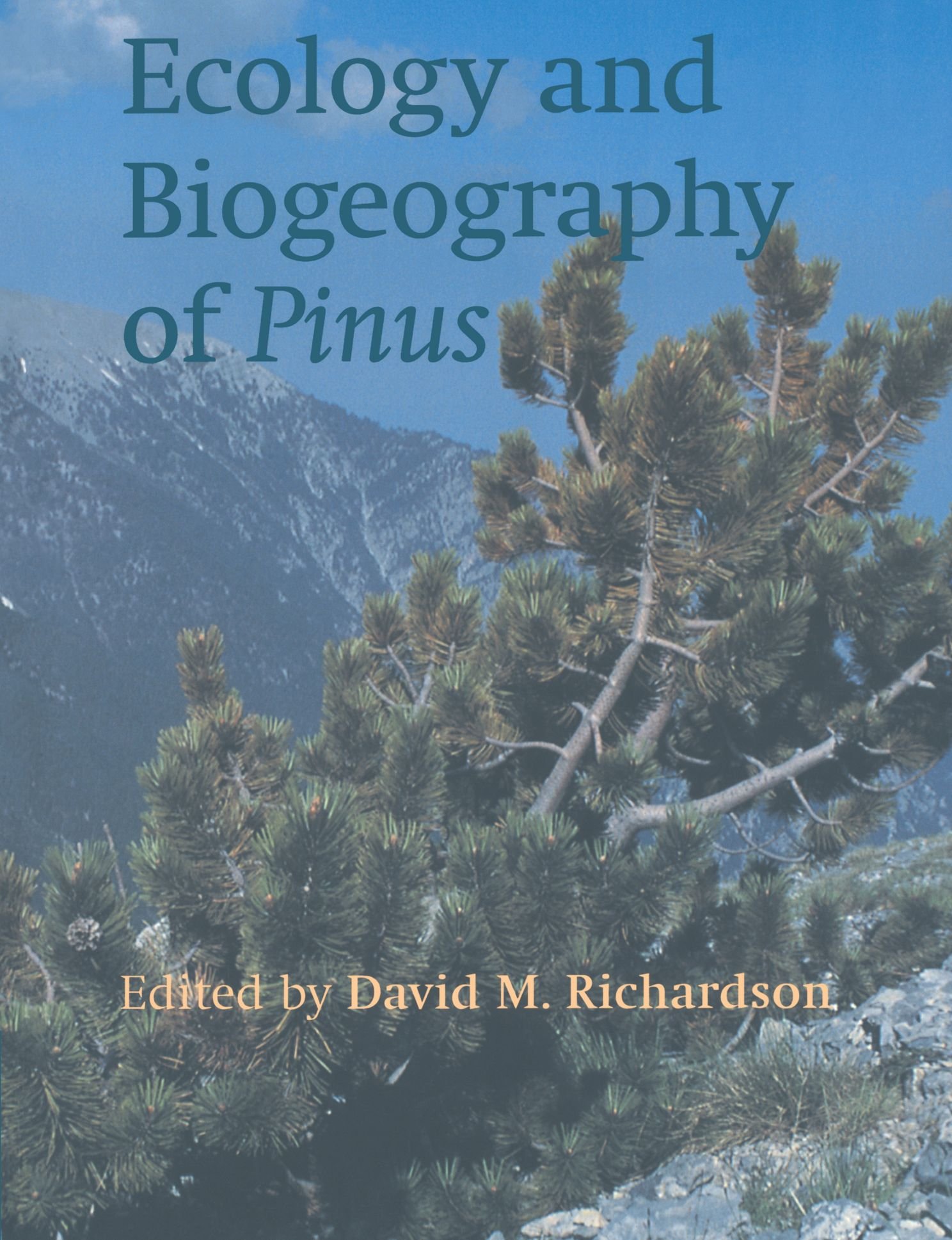
Ecology and Biogeography of Pinus: A Comprehensive Reference on Pine Forests and Ecosystems by David M. Richardson
Inclusive of all applicable taxes. FREE shipping on all orders.
Available Offers
- 🚚Free Delivery — Free shipping on all orders
- 💵Cash on Delivery — Pay when your order arrives
- ↩️15-Day Easy Returns — Hassle-free return policy
- 🔒Cash on Delivery — Pay safely when your order arrives
Check Delivery
Product Description
Introduction
Pines are among the most ecologically and economically significant tree genera on Earth, shaping landscapes from the Himalayas to the Mediterranean. Ecology and Biogeography of Pinus, edited by the renowned ecologist David M. Richardson, offers a comprehensive and authoritative exploration of the genus Pinus. This hardbound volume, published by Cambridge University Press, is an indispensable resource for students, researchers, forest managers, and conservationists in India and across the globe.
Book Overview
This definitive work brings together contributions from forty leading international experts, synthesizing decades of research on pine ecology, distribution, and evolution. The book examines how pines have adapted to diverse environments, their role in ecosystem dynamics, and the challenges they face under human pressure and climate change. With a focus on both natural forests and commercial plantations, it provides a balanced perspective on conservation and sustainable management.
Key Highlights
- Comprehensive Coverage: A thorough review of the biology, ecology, and biogeography of the genus Pinus.
- Expert Contributions: Insights from forty leading scientists from around the world.
- Global Perspective: Includes case studies from pine-dominated ecosystems in Asia, Europe, North America, and beyond.
- Conservation Focus: Addresses threats to natural pine forests and strategies for their preservation.
- Practical Relevance: Valuable for forest management, ecological restoration, and plantation forestry.
Inside the Book
The volume is meticulously structured to guide readers from foundational concepts to advanced topics. It begins with the evolutionary history and taxonomy of pines, then delves into their physiological ecology, population dynamics, and interactions with other species. Later chapters explore biogeographical patterns, human impacts, and the implications of global change. Detailed maps, charts, and references enrich the text, making it a lasting reference work.
Key Topics
- Evolutionary history and phylogenetic relationships of Pinus
- Adaptations to fire, drought, and nutrient-poor soils
- Seed dispersal, germination, and regeneration ecology
- Biogeographical patterns and range dynamics
- Human uses: timber, resin, and non-timber forest products
- Conservation challenges and climate change impacts
- Management of natural stands and commercial plantations
Reader Benefits
Readers will gain a deep understanding of why pines are so widespread and resilient. The book equips foresters with practical knowledge for sustainable management, helps ecologists interpret vegetation patterns, and provides students with a solid foundation in plant biogeography. Indian readers, especially those studying the Western Himalayas or the Western Ghats, will find valuable parallels with local pine ecosystems.
Learning Outcomes
- Understand the evolutionary and ecological factors shaping pine distribution
- Analyze the role of pines in ecosystem functioning and biodiversity
- Evaluate human impacts on pine forests and explore conservation strategies
- Apply ecological principles to the management of pine-dominated landscapes
- Critically assess the effects of climate change on pine populations
Who Should Read
This book is ideal for postgraduate students and researchers in ecology, botany, forestry, and environmental science. It is also highly relevant for forest officers, conservation biologists, land managers, and anyone with a professional interest in conifer ecosystems. Indian academic libraries and forestry institutes will find it an essential addition to their collections.
About the Author
David M. Richardson is a distinguished professor of ecology at Stellenbosch University, South Africa, and a leading authority on plant invasions and biogeography. With over three decades of research on pines and other woody plants, he has authored numerous influential papers and books. His editorial expertise ensures that this volume is both rigorous and accessible.
About the Publisher
Cambridge University Press is a world-renowned academic publisher, known for producing high-quality scholarly works in science, mathematics, and the humanities. This hardcover edition reflects their commitment to excellence in publishing, with durable binding and clear typography suitable for long-term use in libraries and laboratories.
Conclusion
Ecology and Biogeography of Pinus is a masterful synthesis that will remain a key reference for years to come. Whether you are a student beginning your journey in plant ecology or a seasoned professional managing pine forests, this book offers invaluable insights. Order your copy from Bookshops.in today and deepen your understanding of one of the world's most important tree genera.
Quick Summary
Ecology and Biogeography of Pinus, edited by David M. Richardson, is a definitive scientific reference that explores the ecology, distribution, and conservation of the Pinus genus. Written by 40 leading experts, the book covers pine forests across the northern hemisphere, their role in ecosystems, and the challenges they face from human exploitation and climate change. It is essential for students and researchers in ecology, forestry, and environmental science. Readers will gain deep insights into pine biogeography, ecosystem dynamics, and sustainable management practices. This hardcover edition from Cambridge University Press is a must-have for academic libraries and professionals. By purchasing from Bookshops.in, you support a trusted Indian bookstore committed to delivering quality reference works.
Book Highlights
Book Specifications
| ISBN-13 | 9780521789103 |
| ISBN-10 | 0521789109 |
| Publisher | CAMBRIDGE UNIVERSITY PRESS |
| Language | English |
| Dimensions | 18.9 x 3.15 x 24.61 cm |
| Weight | 1 kg 220 g |
| Country | India |
| Category | Biology & Life Sciences › Biology |
| Genre | Science & Mathematics |
| Original Language | English |
Frequently Asked Questions
What is the book 'Ecology and Biogeography of Pinus' about?
Who is the author of this book?
Is this book suitable for Indian students?
What is the ISBN of this book?
Is this book available in hardcover?
What is the price of this book?
What language is the book in?
Can I use this book for my research on pine forests?
Does the book cover pine plantations?
Is this book relevant to climate change studies?
Who should read this book?
Where can I buy this book in India?
Readers Also Search For
Customers Also Bought

Mathematics
Stereotype Spaces and Algebras: 73 (De Gruyter Expositions in Mathematics, 73)

Mathematics
Semigroups in Algebra, Geometry and Analysis: 20 (De Gruyter Expositions in Mathematics, 20)

Mathematics
Geometry from the Pacific Rim: Proceedings of the Pacific Rim Geometry Conference held at National University of Singapore, Republic of Singapore, ... 1994 (De Gruyter Proceedings in Mathematics)

Mathematics
First International Tainan-Moscow Algebra Workshop: Proceedings of the International Conference held at National Cheng Kung University Tainan, Taiwan, ... 1994 (De Gruyter Proceedings in Mathematics)

Mathematics
Differential Geometry - Proceedings of the VIII International Colloquium (English, Jesus A. Alvarez Lopez | Eduardo Garcia-Rio)

Mathematics
Mathematical Theory of Optimal Processes (Classics of Soviet Mathematics)
Related Products
View All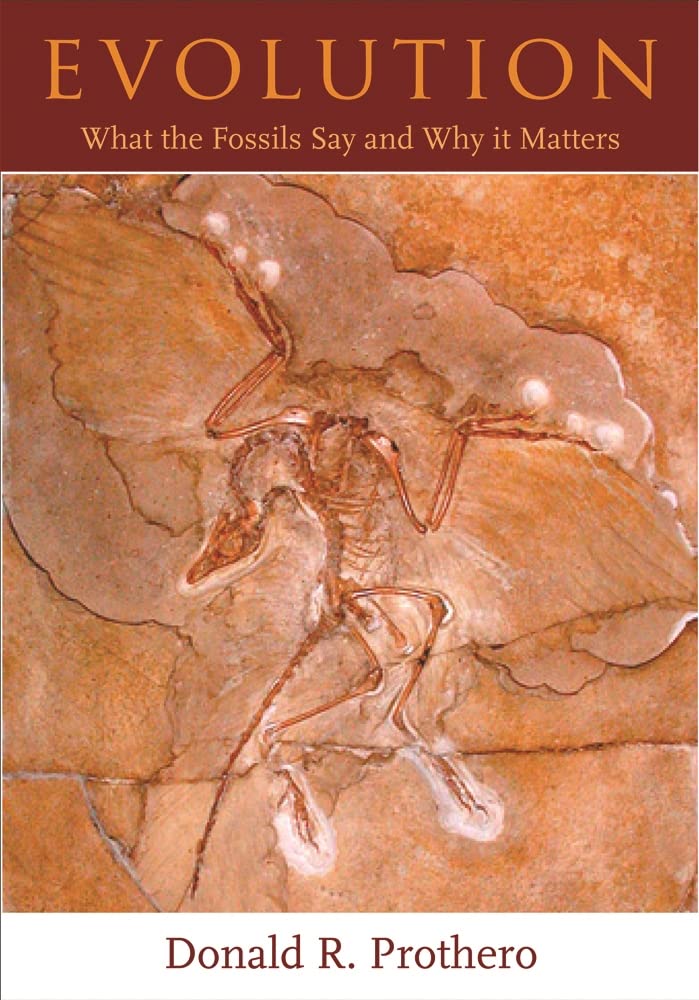
Biology
Evolution: What the Fossils Say and Why It Matters by Donald R. Prothero
Biology
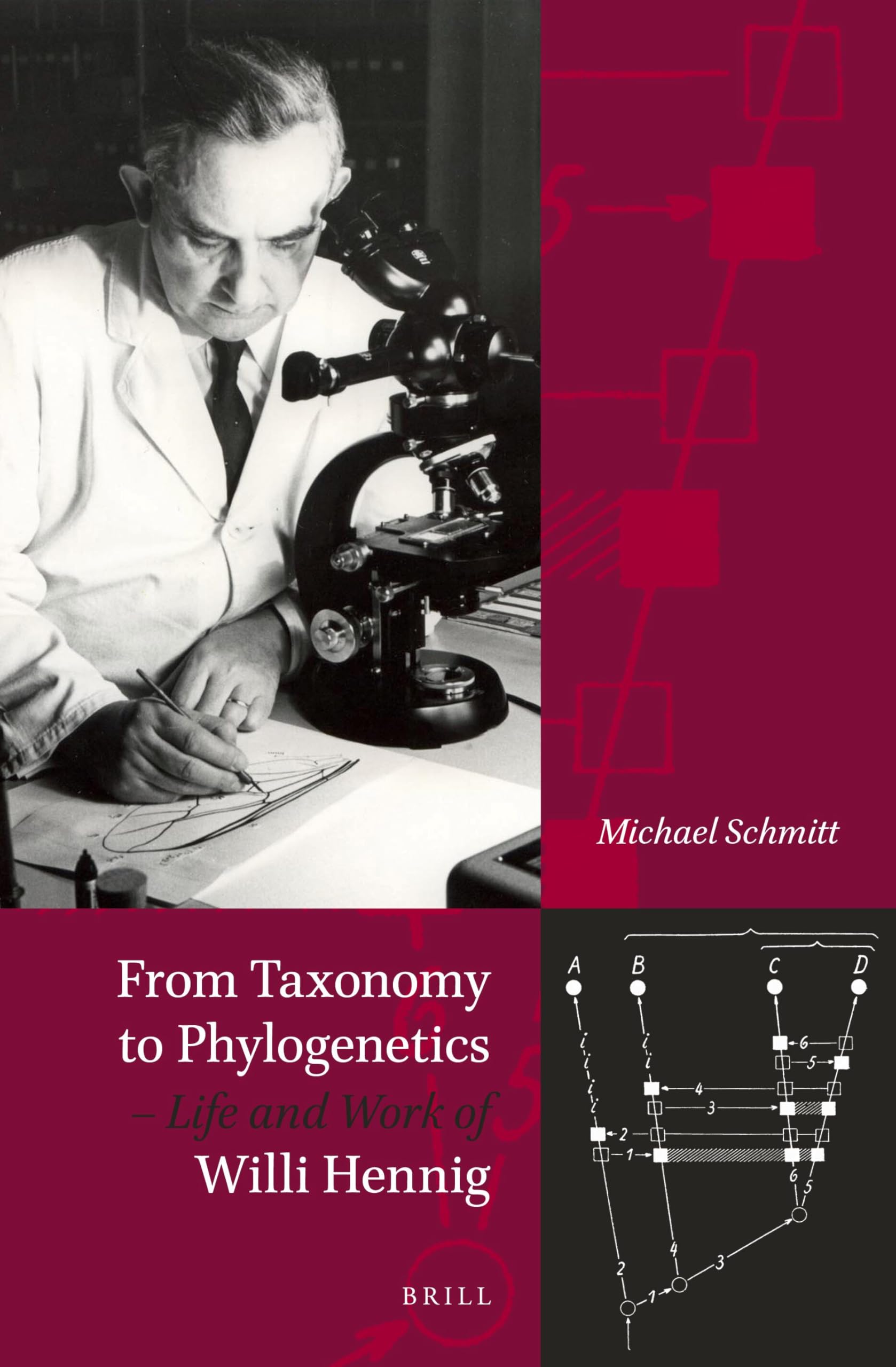
From Taxonomy to Phylogenetics – Life and Work of Willi Hennig

Biology
The Marine Biology of the South China Sea

Biology
Genetics Meets Metabolomics: from Experiment to Systems Biology

Biology
The Elements of Natural or Experimental Philosophy: 2

Biology