
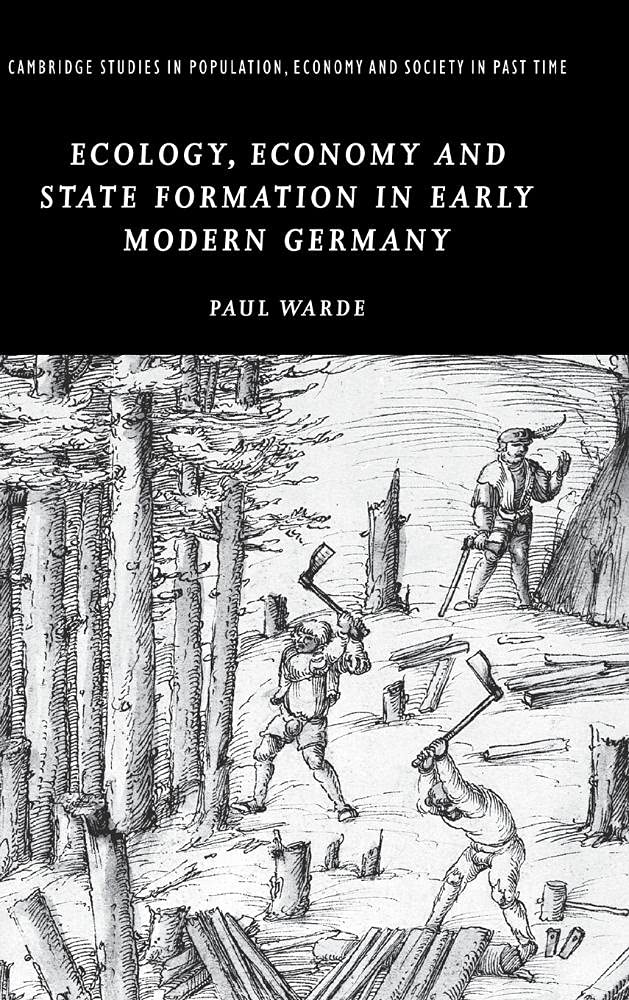
Ecology, Economy and State Formation in Early Modern Germany by Paul Warde – An Analysis of Resource Management and Gove
Inclusive of all applicable taxes. FREE shipping on all orders.
Available Offers
- 🚚Free Delivery — Free shipping on all orders
- 💵Cash on Delivery — Pay when your order arrives
- ↩️15-Day Easy Returns — Hassle-free return policy
- 🔒Cash on Delivery — Pay safely when your order arrives
Check Delivery
Product Description
Introduction
In the vast tapestry of early modern European history, few resources have shaped human civilization as profoundly as wood. Paul Warde's masterful study, Ecology, Economy and State Formation in Early Modern Germany, offers a groundbreaking exploration of how this seemingly humble material influenced the rise of governments, the sustainability of peasant societies, and the very fabric of economic life in pre-industrial Germany. Published by Cambridge University Press, this hardcover volume is an essential read for historians, ecologists, and students of economic development.
Book Overview
Focusing on the region of south-west Germany from the late fifteenth to the early eighteenth century, this book meticulously examines the intricate relationship between agrarian society, natural resources, and the growth of state power. Warde challenges conventional narratives by demonstrating that despite periods of demographic pressure, warfare, and epidemic, the region's economy and social structure remained remarkably stable. At the heart of this analysis lies wood—the most basic and vital material resource of the era—used for fuel, construction, tools, and countless other purposes. The author delves into the so-called 'wood shortages' of the time, revealing how communities and authorities responded to environmental challenges, and why institutional responses often fell short of achieving optimal resource management.
Key Highlights
- Innovative interdisciplinary approach: Merges ecological history with economic and political analysis to provide a holistic understanding of pre-industrial society.
- Regional depth: Offers a detailed case study of south-west Germany, making complex historical processes tangible and relatable.
- Critical re-evaluation: Challenges the dichotomy between 'market' and 'natural economy,' arguing for a more nuanced view of economic behaviour in peasant societies.
- Environmental perspective: Sheds light on how societies historically grappled with resource scarcity, offering lessons for contemporary sustainability debates.
Inside the Book
Warde's narrative is rich with empirical data, drawn from archival sources, tax records, and local ordinances. He traces how wood was harvested, traded, and regulated, showing how conflicts over this resource shaped local governance and, eventually, state formation. The book examines the role of forests, commons, and private woodlands, revealing a complex web of rights, duties, and negotiations. Readers will discover how peasant communities managed their environment through customary practices, and how these practices were slowly transformed by the growing ambitions of territorial states. The author also explores the impact of the Thirty Years' War and other crises, demonstrating resilience and adaptation in the face of adversity.
Key Topics
- Wood as a fundamental economic and ecological resource in early modern Europe
- State formation and the growth of bureaucratic governance in Germany
- Sustainability, resource management, and environmental challenges in pre-industrial societies
- The relationship between demographic change, warfare, and economic stability
- Property rights, commons, and the politics of natural resources
- Critique of market-versus-natural-economy models in historical analysis
Reader Benefits
This book equips readers with a deeper understanding of how environmental factors shape historical trajectories. It provides valuable insights into the origins of modern state systems and the perennial challenge of balancing economic growth with ecological limits. For students and researchers, it offers a rigorous methodological framework for studying the intersection of ecology, economy, and politics. The clear, engaging prose makes complex ideas accessible, while the detailed case study serves as a model for regional historical analysis.
Learning Outcomes
By engaging with this book, readers will be able to: understand the central role of wood in pre-industrial economies; analyze the processes of state formation through the lens of resource management; critically evaluate historical debates about sustainability and peasant societies; and apply ecological approaches to the study of history and geography. The book also fosters skills in interpreting archival evidence and understanding the long-term dynamics of human-environment interactions.
Who Should Read
Ecology, Economy and State Formation in Early Modern Germany is ideal for undergraduate and postgraduate students of early modern European history, environmental history, economic history, and historical geography. It will also appeal to scholars of political science interested in state-building, as well as ecologists and environmentalists seeking historical perspectives on sustainability. Indian readers with an interest in comparative history or the global dimensions of resource use will find this study particularly illuminating, as it offers parallels to India's own complex history of forest management and state intervention.
About the Author
Paul Warde is a distinguished historian of early modern Europe, known for his expertise in environmental and economic history. He has held academic positions at leading universities and has published extensively on the relationship between society, resources, and governance. His work is characterized by meticulous archival research and a commitment to interdisciplinary scholarship.
About the Publisher
Cambridge University Press is one of the world's oldest and most prestigious academic publishers. With a legacy of excellence spanning centuries, it continues to produce authoritative works that shape scholarly discourse across disciplines. This hardcover edition reflects the Press's commitment to quality and durability, making it a valuable addition to any library.
Conclusion
Paul Warde's Ecology, Economy and State Formation in Early Modern Germany is a landmark contribution to historical studies. It not only illuminates the past but also offers timeless lessons about the interplay between nature, economy, and power. For anyone seeking to understand the roots of our modern environmental and political challenges, this book is an indispensable guide. Order your copy today from Bookshops.in and delve into a world where wood was the engine of civilization.
Quick Summary
Ecology, Economy and State Formation in Early Modern Germany by Paul Warde is a scholarly work that examines the interplay between natural resources, economic life, and political development in pre-industrial Germany. Focusing on the region of south-west Germany from the late 1400s to the early 1700s, the book uses wood as a lens to understand how communities managed their most essential material. Warde argues that despite demographic pressure, warfare, and epidemics, the agrarian economy remained remarkably stable. He challenges the idea of a universal 'wood shortage' and shows that institutional responses were often aimed at preventing local conflict rather than optimising resource use. The book also critiques simplistic models that oppose 'market' to 'natural economy'. Readers will gain insights into early modern environmental history, economic behaviour, and the origins of state governance. This book is ideal for students and researchers in history, ecology, and political science. Buying from Bookshops.in ensures you receive a genuine hardcover edition with reliable delivery across India.
Book Highlights
Book Specifications
| ISBN-13 | 9780521831925 |
| ISBN-10 | 052183192X |
| Publisher | Cambridge University Press |
| Language | English |
| Dimensions | 16.51 x 3.18 x 23.5 cm |
| Weight | 770 g |
| Country | India |
| Category | Economics › Economic History |
| Genre | Non-fiction |
| Original Language | English |
Frequently Asked Questions
What is the main focus of this book?
Who is the author?
Which time period does the book cover?
Is this book suitable for Indian students?
What makes this book different from other environmental histories?
Does the book discuss the Thirty Years' War?
What sources does the author use?
Is the book technical or accessible?
Can this book help understand modern environmental issues?
Does it cover all of Germany?
What is the role of wood in the book?
Does the book challenge any historical assumptions?
How does the book relate to state formation?
Is there a conclusion or summary?
Where can I buy this book in India?
Readers Also Search For
Customers Also Bought
Entrepreneurship
Chinese Economic Revolution (English, Linda Grove)
Entrepreneurship
Engines of Innovation: The Entrepreneurial University in the Twenty-First Century by Holden Thorp
Entrepreneurship
Invention to Innovation (English, PhD Marshall Larry | Jenna Daroczy)
Entrepreneurship
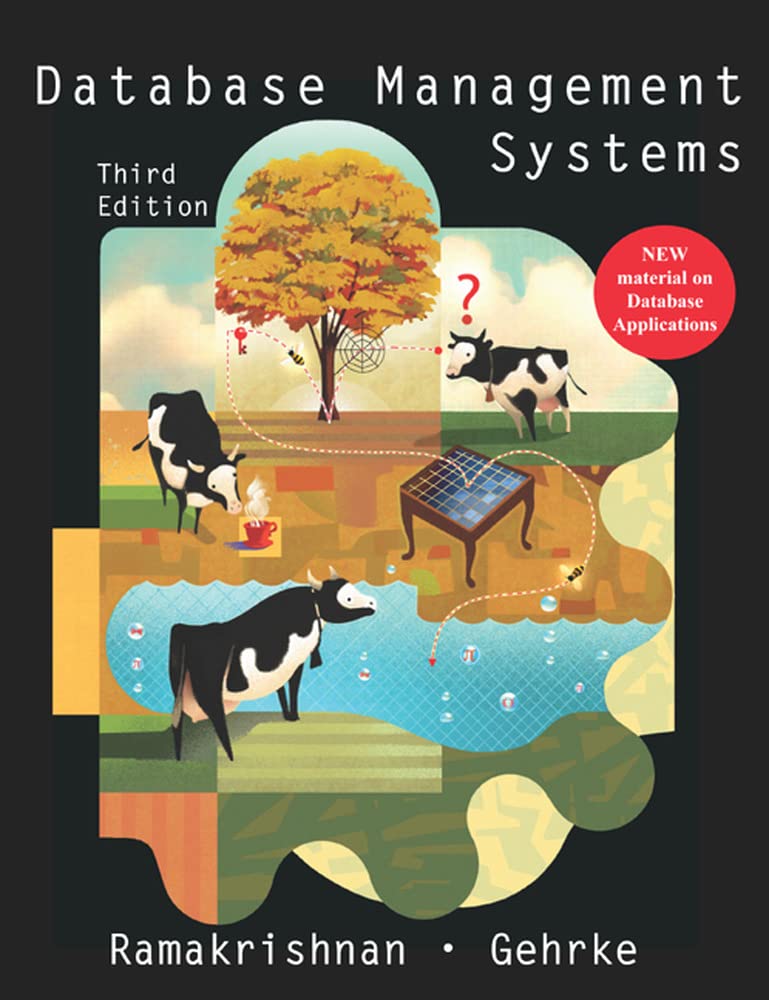
Database Management Systems by Raghu Ramakrishnan – DBMS Textbook

Entrepreneurship
Decision-making for Technology Executives by Harold A. Linstone
Entrepreneurship
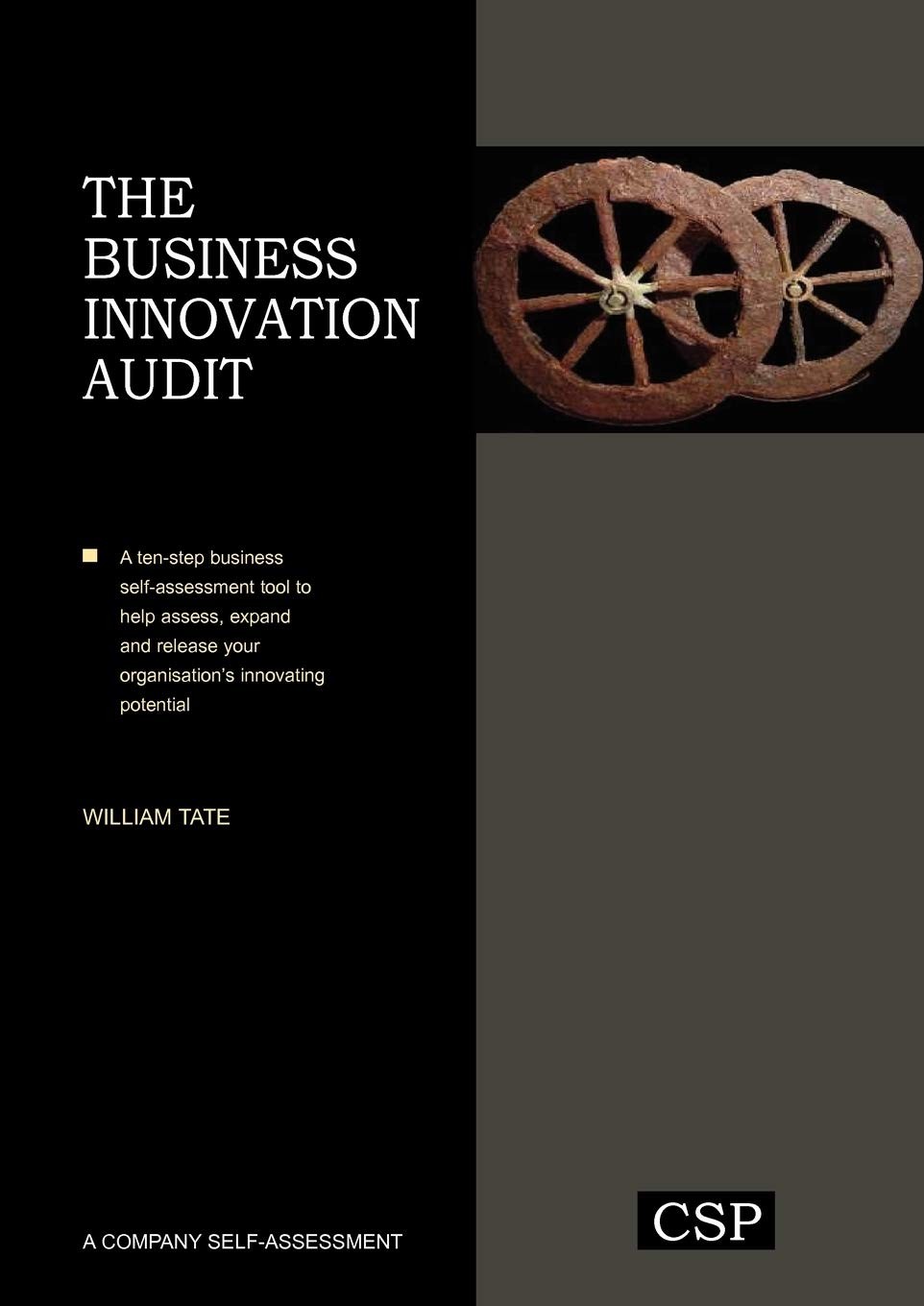
The Business Innovation Audit (English, William Tate)
Related Products
View All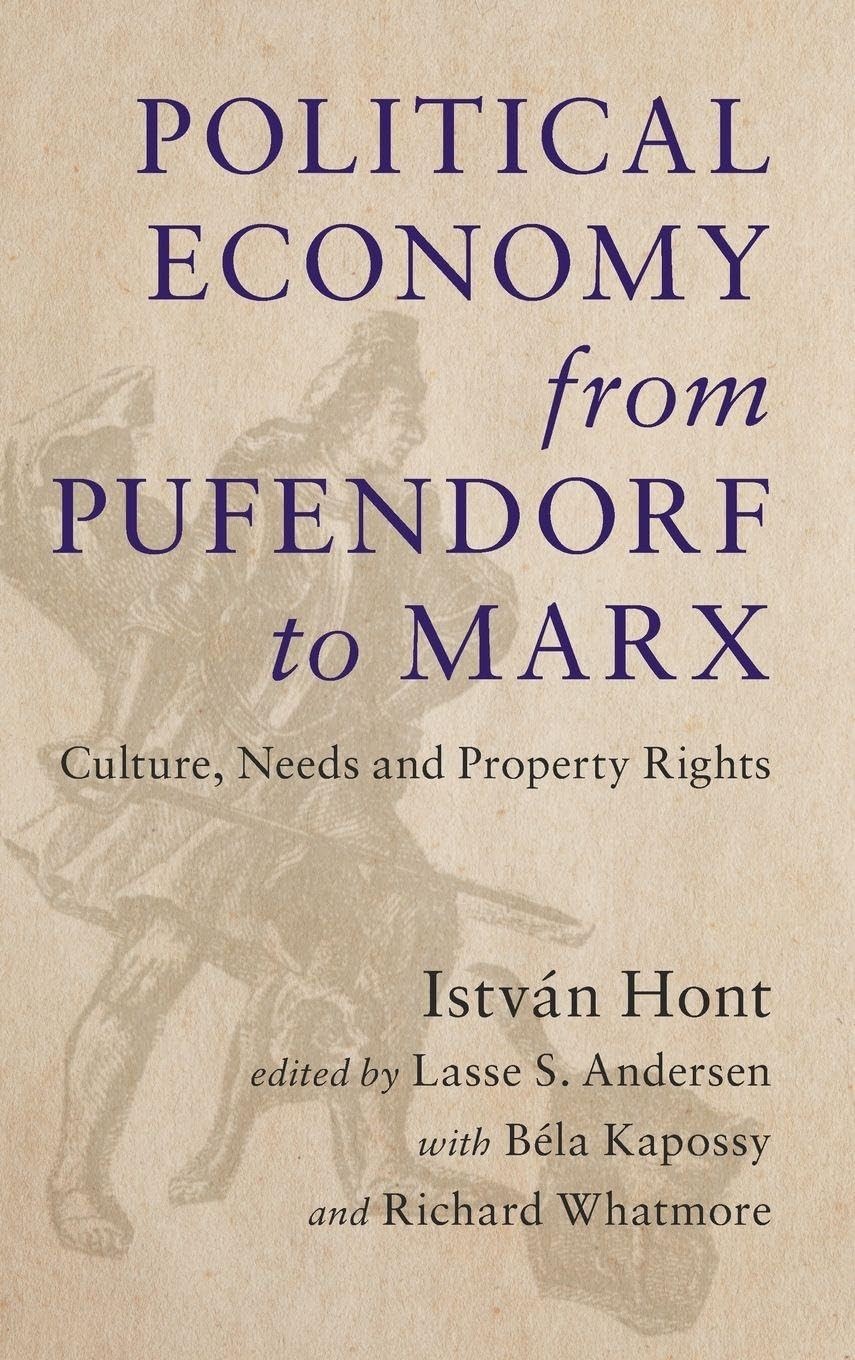
Economics
Political Economy from Pufendorf to Marx (English, István Hont | Lasse S. Andersen | Béla Kapossy)
Economics
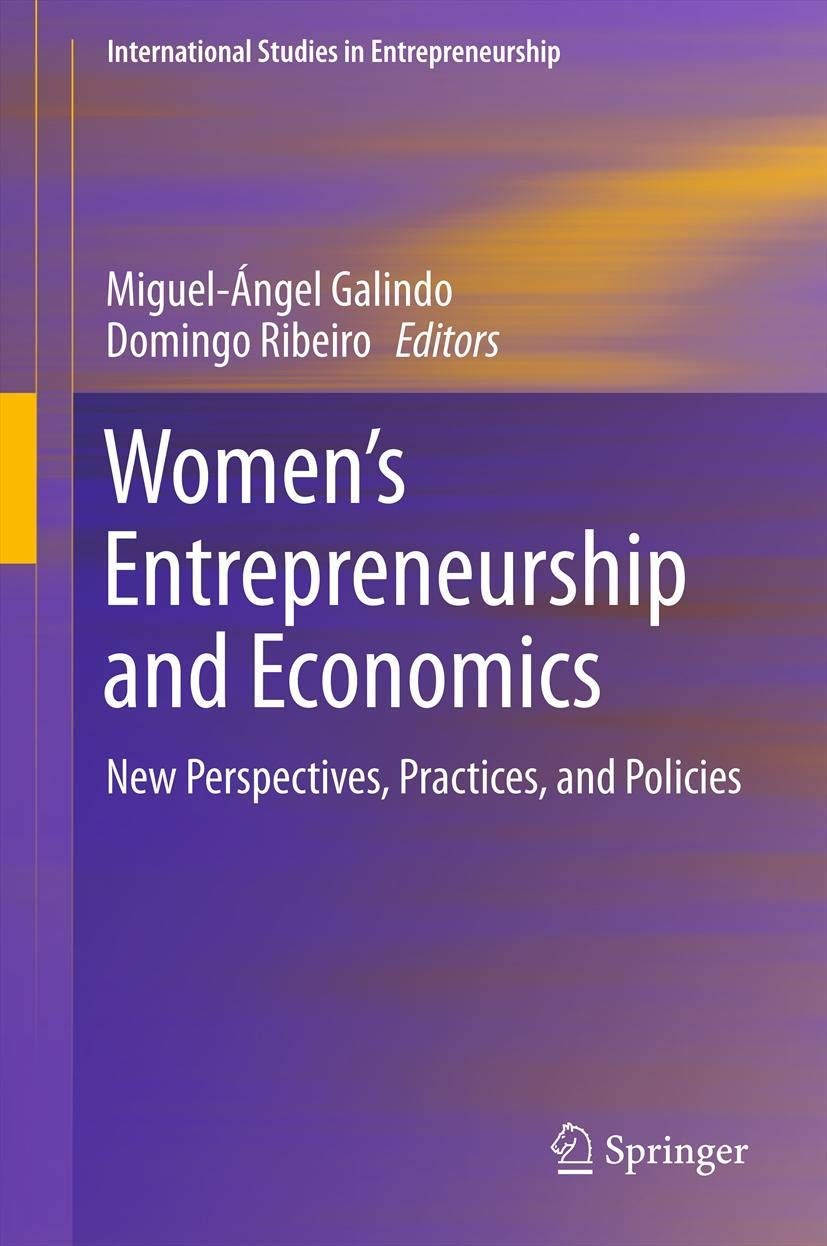
Women's Entrepreneurship and Economics (English, Miguel-Angel Galindo | Domingo Ribeiro)
Economics
Trade Policy and Industrialization in Turbulent Times | by Gerry Helleiner | Routledge | by Gerry Helleiner | Routledge | by Gerry Helleiner | Routledge | by Gerry Helleiner | Routledge | by Gerry Helleiner | Routledge | by Gerry Helleiner | Routledge | by Gerry Helleiner | Routledge | by Gerry Helleiner | Routledge | by Gerry Helleiner | Routledge | by Gerry Helleiner | Routledge | by Gerry Helleiner | Routledge | by Gerry Helleiner | Routledge | by Gerry Helleiner | Routledge | by Gerry Hellei
Economics
History of Economic Analysis | by Schumpeter Joseph A. | Taylor & Francis Ltd | by Schumpeter Joseph A. | Taylor & Francis Ltd | by Schumpeter Joseph A. | Taylor & Francis Ltd | by Schumpeter Joseph A. | Taylor & Francis Ltd | by Schumpeter Joseph A. | Taylor & Francis Ltd | by Schumpeter Joseph A. | Taylor & Francis Ltd | by Schumpeter Joseph A. | Taylor & Francis Ltd | by Schumpeter Joseph A. | Taylor & Francis Ltd | by Schumpeter Joseph A. | Taylor & Franci

Economics
OECD Compendium of Productivity Indicators 2015 | by Organization for Economic Cooperation an | Organization for Economic Co-Operation & Deve | by Organization for Economic Cooperation an | Organization for Economic Co-Operation & Deve | by Organization for Economic Cooperation an | Organization for Economic Co-Operation & Deve | by Organization for Economic Cooperation an | Organization for Economic Co-Operation & Deve | by Organization for Economic Cooperation an | Organization

Economics