
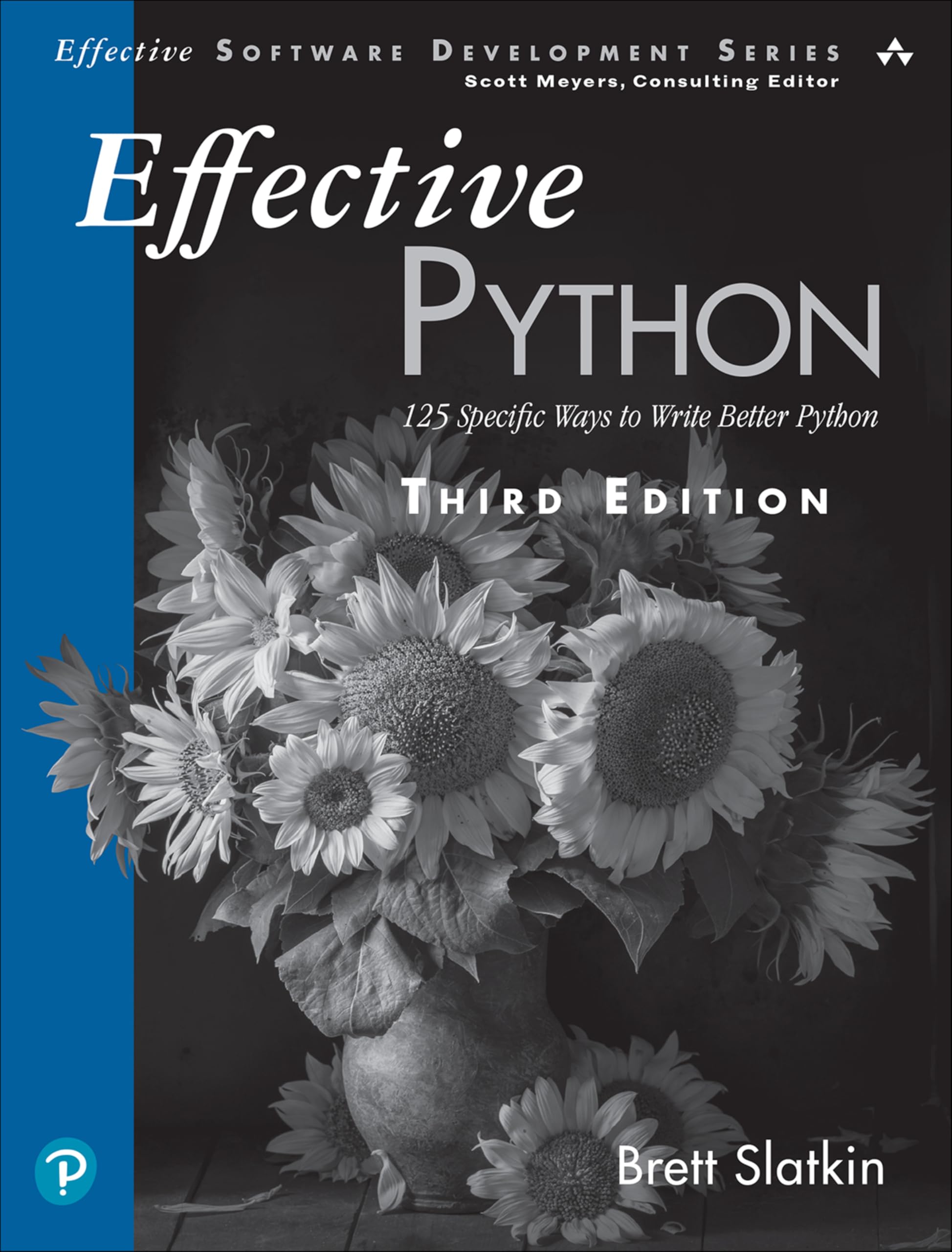
Effective Python: 125 Specific Ways to Write Better Python by Brett Slatkin – A Comprehensive Guide for Indian Programme
Inclusive of all applicable taxes. FREE shipping on all orders.
Available Offers
- 🚚Free Delivery — Free shipping on all orders
- 💵Cash on Delivery — Pay when your order arrives
- ↩️15-Day Easy Returns — Hassle-free return policy
- 🔒Cash on Delivery — Pay safely when your order arrives
Check Delivery
Product Description
Introduction
Python has become the language of choice for developers across India—from students in engineering colleges to professionals building the next big startup. But writing Python code that works is one thing; writing code that is efficient, readable, and truly Pythonic is another. Effective Python: 125 Specific Ways to Write Better Python by Brett Slatkin is the definitive guide for anyone who wants to move beyond the basics and master the art of professional Python programming. This third edition is packed with 125 actionable best practices that will transform how you think about and write Python code.
Book Overview
This hardcover edition from MIXIG is a comprehensive resource that distills years of real-world experience at Google into clear, practical advice. The book is organized into 125 specific items, each focusing on a single best practice. Every item explains the 'Pythonic' way to solve a problem, complete with code examples, common pitfalls, and expert tips. Whether you are a student preparing for placements, a data analyst handling large datasets, or a backend developer building APIs, this book gives you the tools to write code that is not only correct but also elegant and maintainable.
Key Highlights
- 125 Actionable Best Practices: Expanded from 90 to 125 items, covering the latest Python features and idioms.
- Real-World Insights: Written by a Google engineer who has used Python extensively in production environments.
- Focus on Pythonic Code: Learn the idiomatic patterns that make Python code concise, readable, and efficient.
- Updated for Modern Python: Covers Python 3.10 and beyond, including structural pattern matching, improved type hints, and more.
- Practical Examples: Every item includes clear code snippets and explanations that you can apply immediately.
Inside the Book
The book is structured to take you from foundational concepts to advanced techniques. Each item is self-contained, so you can read it sequentially or jump to specific topics. The chapters cover everything from functions and comprehensions to classes, concurrency, and metaprogramming. You will find detailed discussions on how to use Python's built-in libraries effectively, how to avoid common mistakes, and how to design your code for clarity and performance. The third edition adds new items on f-strings, data classes, type hints, and async programming, making it the most up-to-date guide available.
Key Topics
- Pythonic Thinking: Embrace the philosophy of Python—write code that is clear, simple, and expressive.
- Functions and Comprehensions: Master lambda functions, generator expressions, and list comprehensions for concise data processing.
- Classes and Inheritance: Design robust object-oriented systems using Python's unique class model, descriptors, and metaclasses.
- Concurrency and Parallelism: Understand threads, processes, asyncio, and when to use each for maximum performance.
- Testing and Debugging: Learn how to write testable code and use tools like pytest and unittest effectively.
- Metaprogramming: Explore decorators, context managers, and dynamic attribute access to create flexible APIs.
- Type Hints and Static Analysis: Use type annotations to catch bugs early and make your code self-documenting.
Reader Benefits
By reading this book, you will gain a deep understanding of Python's strengths and learn how to avoid its pitfalls. You will write code that is faster, uses less memory, and is easier for others to read and maintain. The practical advice will help you debug problems more quickly, design systems that scale, and collaborate effectively with your team. For Indian students and professionals, this book is an excellent investment—it will accelerate your learning curve and make you stand out in job interviews and coding assessments.
Learning Outcomes
- Write Python code that follows the best practices used by top developers at companies like Google.
- Identify and fix common performance bottlenecks and memory leaks in your programs.
- Use modern Python features like pattern matching, data classes, and structural typing with confidence.
- Design clean, reusable, and testable code architectures that scale with your projects.
- Master asynchronous programming to build responsive applications and handle I/O-bound tasks efficiently.
- Develop a Pythonic mindset that prioritizes readability and simplicity without sacrificing power.
Who Should Read
This book is ideal for intermediate to advanced Python developers who already know the basics and want to level up. It is perfect for software engineers, data scientists, DevOps engineers, and students pursuing computer science or related fields. If you have written Python code for a few months and feel ready to understand the 'why' behind the 'how,' this book is for you. Beginners with a strong foundation in another programming language will also benefit, as the book assumes familiarity with programming concepts but explains Python-specific details thoroughly.
About the Author
Brett Slatkin is a senior staff software engineer at Google, where he has worked on large-scale systems for over a decade. He is the creator of the open-source Python library 'gflags' and has contributed to many Google projects, including Google App Engine and YouTube. Brett is a passionate advocate for clean code and has been teaching Python best practices through his books and talks. His deep industry experience shines through in every item of this book, offering insights that you won't find in typical tutorials.
About the Publisher
MIXIG is committed to publishing high-quality technical books that empower developers to excel. With a focus on practical knowledge and real-world applications, MIXIG editions are known for their clear writing, robust binding, and careful attention to detail. This hardcover edition of Effective Python is built to last, making it a valuable addition to any developer's bookshelf.
Conclusion
Python is more than just a language—it is a community and a philosophy. Effective Python: 125 Specific Ways to Write Better Python is your roadmap to becoming a truly proficient Python developer. Whether you are preparing for a career in tech, building your side project, or contributing to open source, this book will give you the confidence and skills to write code that is both powerful and elegant. Order your copy today from Bookshops.in and start writing better Python tomorrow.
Quick Summary
Effective Python: 125 Specific Ways to Write Better Python by Brett Slatkin is the definitive guide for Indian programmers who want to elevate their Python skills. This third edition presents 125 specific, actionable best practices derived from Slatkin’s years of experience at Google. The book covers everything from Pythonic idioms and code readability to performance optimization, testing, and concurrency. It is designed for both beginners and experienced developers, offering clear explanations and practical code examples. Readers will learn to write cleaner, more efficient, and maintainable code, avoid common pitfalls, and leverage Python’s full potential. Whether you are a student, a data scientist, or a software engineer, this book will transform your approach to coding. By purchasing from Bookshops.in, you get a high-quality hardcover edition at a competitive price with reliable delivery across India.
Book Highlights
Book Specifications
| ISBN-13 | 9780138172183 |
| ISBN-10 | 0138172188 |
| Publisher | Addison-Wesley Professional |
| Language | English |
| Dimensions | 17.78 x 3.18 x 23.19 cm |
| Weight | 1 kg 200 g |
| Country | USA |
| Category | Languages › C & C++ |
| Genre | Non-fiction |
| Original Language | English |
Frequently Asked Questions
What is Effective Python: 125 Specific Ways about?
Who is the author of this book?
Is this book suitable for beginners?
Does the book cover Python 3?
How is this book different from the second edition?
Can I use this book for interview preparation?
What binding is this book?
Is it available on Bookshops.in?
What is the price in India?
Does the book include code examples?
What is the ISBN?
Why should I buy from Bookshops.in?
Readers Also Search For
Customers Also Bought

Programming
Algorithmische Sprache Und Programmentwicklung | by H. Partsch | F. L. Bauer | P. Pepper | Springer | by H. Partsch | F. L. Bauer | P. Pepper | Springer | by H. Partsch | F. L. Bauer | P. Pepper | Springer | by H. Partsch | F. L. Bauer | P. Pepper | Springer | by H. Partsch | F. L. Bauer | P. Pepper | Springer | by H. Partsch | F. L. Bauer | P. Pepper | Springer | by H. Partsch | F. L. Bauer | P. Pepper | Springer | by H. Partsch | F. L. Bauer | P. Pepper | Springer | by H. Partsch | F. L. Bauer
Programming
Distributed Algorithms | by Jean-Claude Bermond | Michel Raynal | Springer | by Jean-Claude Bermond | Michel Raynal | Springer | by Jean-Claude Bermond | Michel Raynal | Springer | by Jean-Claude Bermond | Michel Raynal | Springer | by Jean-Claude Bermond | Michel Raynal | Springer | by Jean-Claude Bermond | Michel Raynal | Springer | by Jean-Claude Bermond | Michel Raynal | Springer | by Jean-Claude Bermond | Michel Raynal | Springer | by Jean-Claude Bermond | Michel Raynal | Springer | by Jean

Programming
Meta-Level Control for Deductive Database Systems | by Helmut Schmidt | Springer | by Helmut Schmidt | Springer | by Helmut Schmidt | Springer | by Helmut Schmidt | Springer | by Helmut Schmidt | Springer | by Helmut Schmidt | Springer | by Helmut Schmidt | Springer | by Helmut Schmidt | Springer | by Helmut Schmidt | Springer | by Helmut Schmidt | Springer | by Helmut Schmidt | Springer | by Helmut Schmidt | Springer | by Helmut Schmidt | Springer | by Helmut Schmidt | Springer | by Helmut Schm
Programming
Java Web Services | by David A. Chappell | Tyler Jewell | O'Reilly Media | by David A. Chappell | Tyler Jewell | O'Reilly Media | by David A. Chappell | Tyler Jewell | O'Reilly Media | by David A. Chappell | Tyler Jewell | O'Reilly Media | by David A. Chappell | Tyler Jewell | O'Reilly Media | by David A. Chappell | Tyler Jewell | O'Reilly Media | by David A. Chappell | Tyler Jewell | O'Reilly Media | by David A. Chappell | Tyler Jewell | O'Reilly Media | by David A. Chappell | Tyler Jewell | O'
Programming
Database in Depth | by Chris J. Date | O'Reilly Media | by Chris J. Date | O'Reilly Media | by Chris J. Date | O'Reilly Media | by Chris J. Date | O'Reilly Media | by Chris J. Date | O'Reilly Media | by Chris J. Date | O'Reilly Media | by Chris J. Date | O'Reilly Media | by Chris J. Date | O'Reilly Media | by Chris J. Date | O'Reilly Media | by Chris J. Date | O'Reilly Media | by Chris J. Date | O'Reilly Media | by Chris J. Date | O'Reilly Media | by Chris J. Date | O'Reilly Media | by Chris J.
Programming
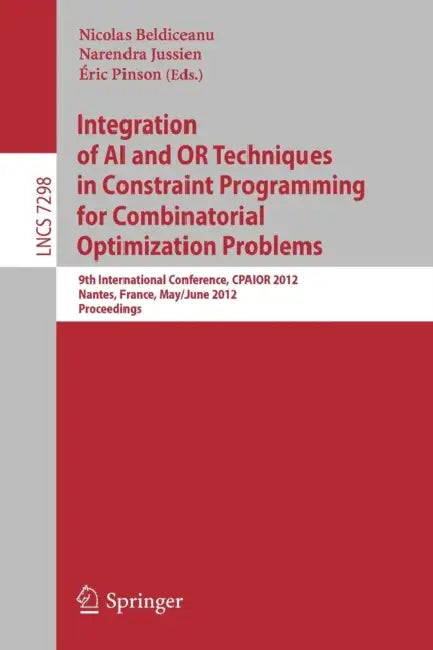
Integration of AI and OR Techniques in Constraint Programming for Combinatorial Optimization Problem | by Nicolas Beldiceanu | Narendra Jussien | Eric Pinson | Springer | by Nicolas Beldiceanu | Narendra Jussien | Eric Pinson | Springer | by Nicolas Beldiceanu | Narendra Jussien | Eric Pinson | Springer | by Nicolas Beldiceanu | Narendra Jussien | Eric Pinson | Springer | by Nicolas Beldiceanu | Narendra Jussien | Eric Pinson | Springer | by Nicolas Beldiceanu | Narendra Jussien | Eric Pinson |
Related Products
View All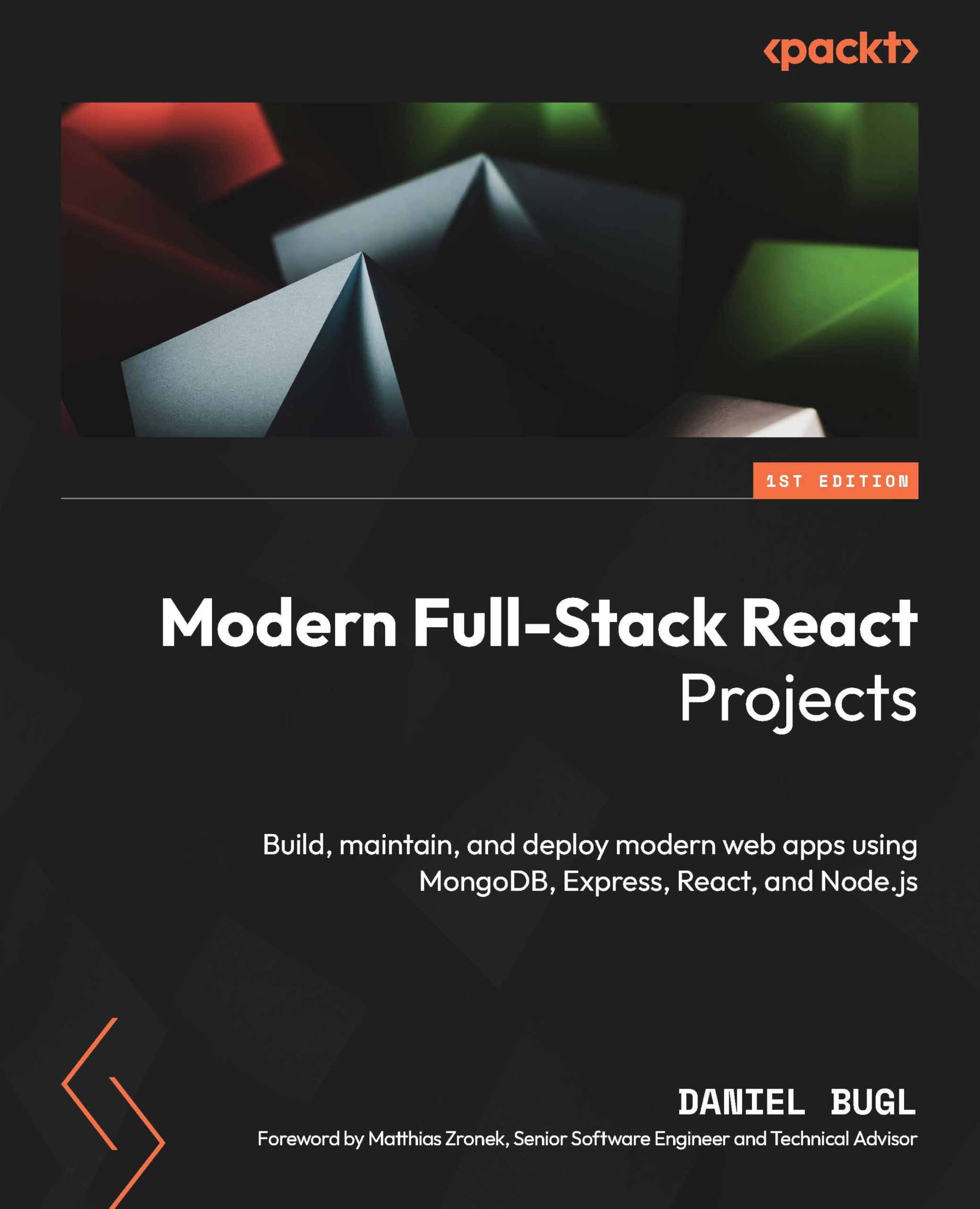
Computers & Internet
Modern Full-Stack React Projects by Daniel Bugl
Computers & Internet
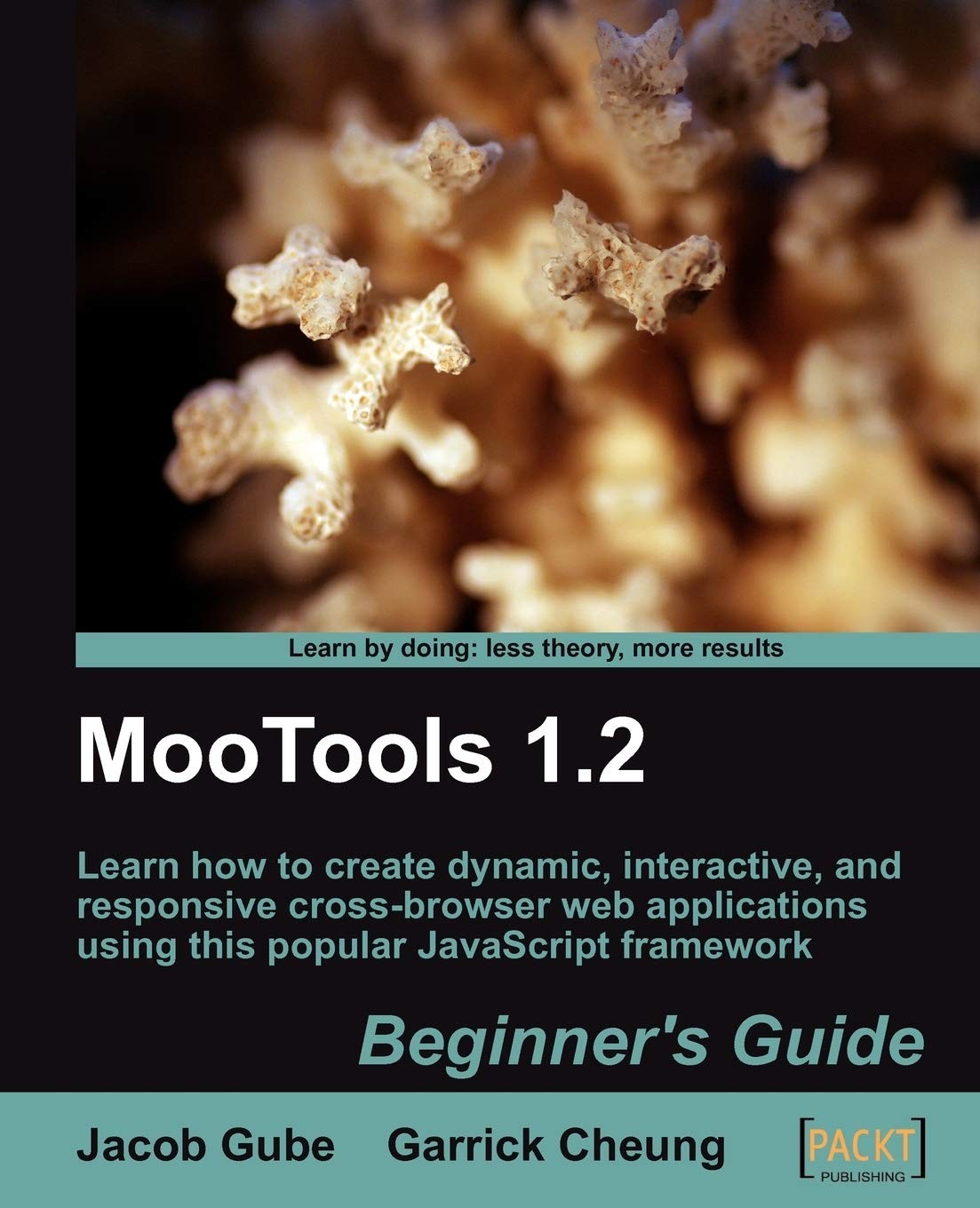
Mootools 1.2 Beginner's Guide (English, Jacob Gube)
Computers & Internet
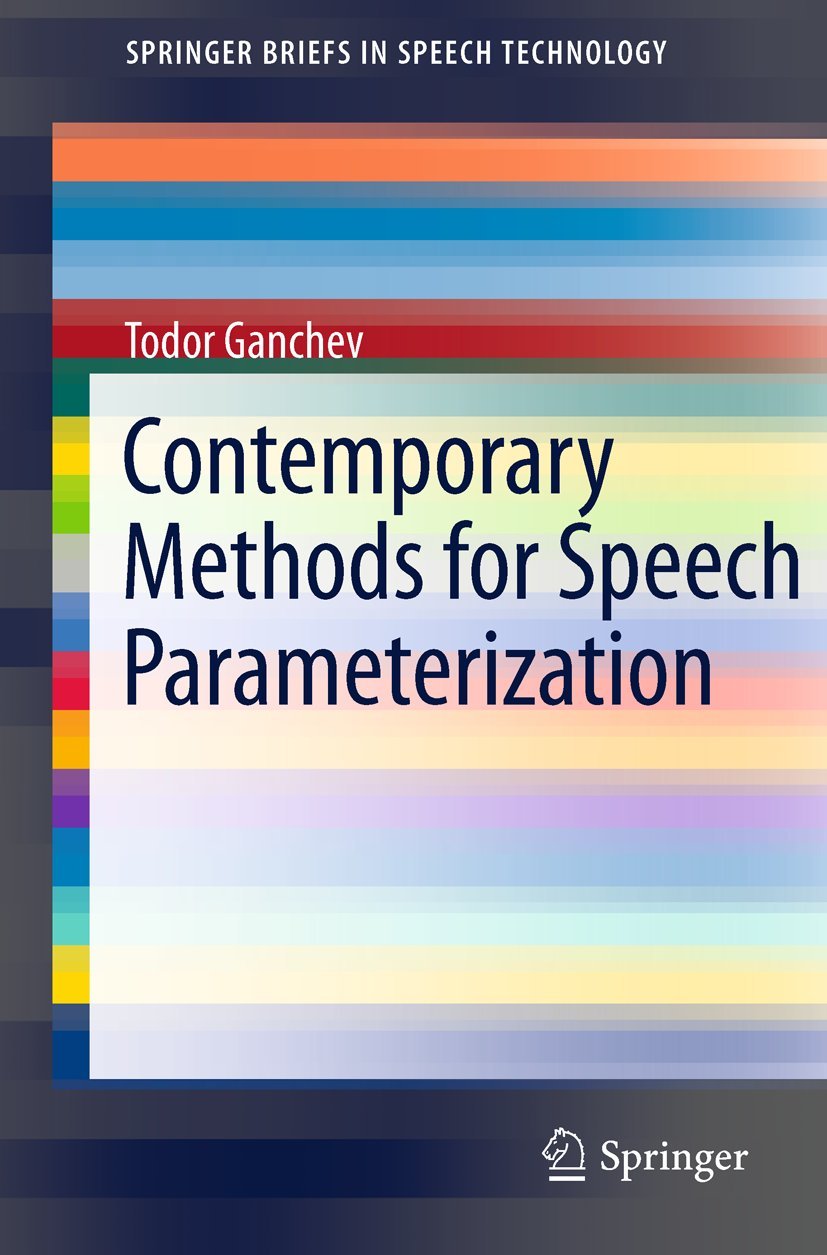
Contemporary Methods for Speech Parameterization (Springerbriefs in Electrical and Computer Engineering / Springerbriefs in Speech Technology)

Computers & Internet
Information Technology and Lawyers | by Arno R. Lodder | Anja Oskamp | Springer | by Arno R. Lodder | Anja Oskamp | Springer | by Arno R. Lodder | Anja Oskamp | Springer | by Arno R. Lodder | Anja Oskamp | Springer | by Arno R. Lodder | Anja Oskamp | Springer | by Arno R. Lodder | Anja Oskamp | Springer | by Arno R. Lodder | Anja Oskamp | Springer | by Arno R. Lodder | Anja Oskamp | Springer | by Arno R. Lodder | Anja Oskamp | Springer | by Arno R. Lodder | Anja Oskamp | Springer | by Arno R. Lo

Computers & Internet
Digital Analysis of Remotely Sensed Imagery | by Jay Gao | McGraw-Hill Companies | by Jay Gao | McGraw-Hill Companies | by Jay Gao | McGraw-Hill Companies | by Jay Gao | McGraw-Hill Companies | by Jay Gao | McGraw-Hill Companies | by Jay Gao | McGraw-Hill Companies | by Jay Gao | McGraw-Hill Companies | by Jay Gao | McGraw-Hill Companies | by Jay Gao | McGraw-Hill Companies | by Jay Gao | McGraw-Hill Companies | by Jay Gao | McGraw-Hill Companies | by Jay Gao | McGraw-Hill Companies | by Jay Gao

Computers & Internet