
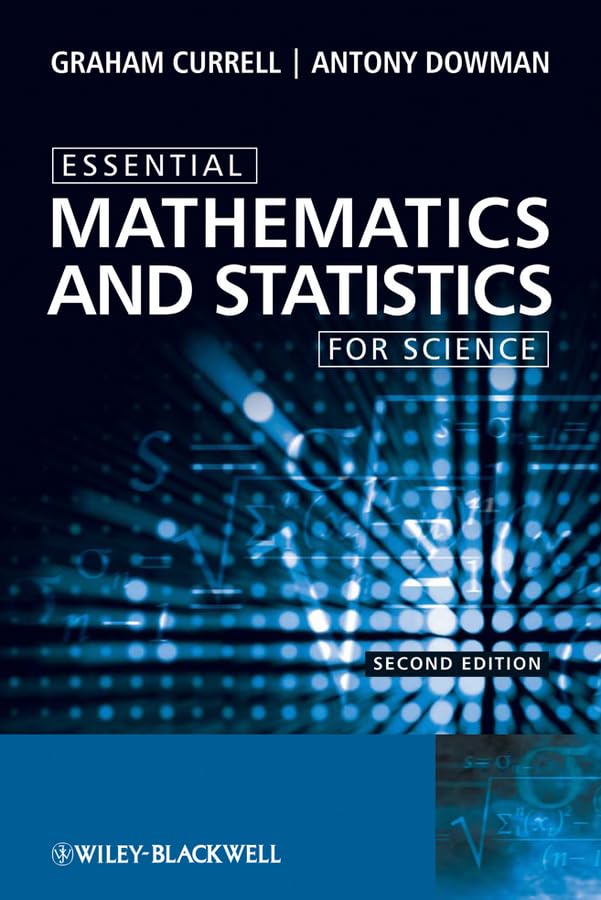
Essential Mathematics and Statistics for Science by Graham Currell – A Complete Guide for Science Students
Inclusive of all applicable taxes. FREE shipping on all orders.
Available Offers
- 🚚Free Delivery — Free shipping on all orders
- 💵Cash on Delivery — Pay when your order arrives
- ↩️15-Day Easy Returns — Hassle-free return policy
- 🔒Cash on Delivery — Pay safely when your order arrives
Check Delivery
Product Description
Introduction
For science students in India, mastering mathematics and statistics is not just an academic requirement—it is the foundation of logical reasoning, experimental analysis, and research excellence. Essential Mathematics and Statistics for Science by Graham Currell is a meticulously crafted guide that bridges the gap between theoretical concepts and real-world scientific applications. Whether you are pursuing a degree in physics, chemistry, biology, environmental science, or engineering, this hardcover edition from John Wiley & Sons Inc is your trusted companion for building quantitative confidence.
Book Overview
This completely revised second edition is designed to help undergraduate and postgraduate science students develop essential mathematical and statistical skills through a clear, step-by-step approach. The author uses examples drawn directly from scientific disciplines, making abstract concepts relatable and easier to grasp. Beginning with foundational principles and progressing to advanced topics, the book supports students from their first year through to final-year project data analysis. The structured layout and practical exercises ensure that learners not only understand the theory but can apply it confidently in laboratory work, assignments, and research.
Key Highlights
- Revised and updated content reflecting the latest scientific and statistical practices
- Science-focused examples from physics, chemistry, biology, and environmental sciences
- Gradual progression from basic to advanced topics suitable for first and second-year study
- Support for final-year projects with data analysis techniques and interpretation
- Companion website with video solutions and additional tutorial material for over 200 questions
- User-friendly layout designed to improve accessibility for students of all ability levels
Inside the Book
The book is organized into clearly defined chapters that cover measurement, uncertainty, functions, graphs, differentiation, integration, probability, distributions, hypothesis testing, and regression analysis. Each chapter begins with learning objectives and ends with a summary of key points. Worked examples are provided throughout, showing step-by-step solutions that mirror the thought process of a scientist. Practice questions with varying difficulty levels allow students to test their understanding and track progress. The accompanying online resources include video walkthroughs for select problems, making it easier to learn at your own pace.
Key Topics
- Scientific measurement and error analysis
- Algebraic manipulation and equation solving
- Graphical representation and curve fitting
- Differential and integral calculus for science
- Probability and probability distributions
- Descriptive and inferential statistics
- Hypothesis testing and confidence intervals
- Correlation and regression analysis
- Data presentation and interpretation
Reader Benefits
This book empowers students to move beyond memorization and develop a genuine understanding of how mathematics and statistics underpin scientific inquiry. It reduces math anxiety by using familiar scientific contexts—like enzyme kinetics, radioactive decay, or population growth—to explain formulas and calculations. The gradual increase in complexity ensures that even those with a weaker background in mathematics can catch up. The focus on real-world application makes it an ideal resource for lab reports, research papers, and project dissertations. Indian students will find the content aligned with typical university curricula across science streams.
Learning Outcomes
- Ability to apply statistical methods to experimental data
- Confidence in solving mathematical problems encountered in science courses
- Skill in interpreting graphs, tables, and numerical results
- Understanding of probability and its role in scientific decision-making
- Proficiency in using hypothesis tests and regression models
- Improved analytical thinking for research and project work
Who Should Read
This book is ideal for undergraduate and postgraduate students in the sciences—including physics, chemistry, biology, biotechnology, environmental science, geology, and pharmacy. It is also valuable for students in engineering and agricultural sciences who need a strong foundation in quantitative methods. Teachers and lecturers looking for a clear, example-driven textbook for their courses will find this an excellent resource. Additionally, anyone preparing for competitive exams that test scientific aptitude, such as GATE, CSIR-NET, or IIT JAM, can benefit from the structured approach.
About the Author
Graham Currell is an experienced educator and author with a deep understanding of the challenges science students face when learning mathematics and statistics. With a background in both teaching and curriculum development, he has crafted this book to be as intuitive and practical as possible. His writing style is clear, patient, and focused on building confidence step by step. Currell's expertise ensures that complex topics are broken down into manageable pieces without losing scientific rigor.
About the Publisher
John Wiley & Sons Inc is one of the world's most respected academic publishers, known for producing high-quality textbooks and reference materials across all branches of science, technology, and medicine. With a legacy spanning over two centuries, Wiley is synonymous with rigorous peer review, accurate content, and innovative learning resources. This hardcover edition reflects the publisher's commitment to excellence and durability—perfect for students who need a reliable reference throughout their academic journey.
Conclusion
Essential Mathematics and Statistics for Science is more than just a textbook—it is a lifelong toolkit for any science student. By integrating theory with practice and providing extensive online support, it equips learners with the quantitative skills necessary for academic success and professional growth. Whether you are tackling your first lab report or your final-year thesis, this book will help you think like a scientist and calculate with confidence. Add it to your library today and take a decisive step toward mastering the numbers behind the science.
Quick Summary
Essential Mathematics and Statistics for Science by Graham Currell is a comprehensive textbook designed to help science students master the mathematical and statistical techniques required for their studies and research. Published by John Wiley & Sons, this hardcover edition covers core topics such as data analysis, probability, hypothesis testing, regression, error propagation, and fundamental calculus. The book uses real scientific examples to make concepts accessible, making it ideal for first and second year BSc students in biology, chemistry, physics, and environmental science. It also supports final year project work by teaching robust data analysis skills. Indian students will find the content aligned with typical university curricula, and the clear, step-by-step approach builds confidence even for those with limited math background. By purchasing from Bookshops.in, you get fast delivery across India, genuine Wiley products, and competitive pricing. This book is a valuable investment for academic success and scientific literacy.
Book Highlights
Book Specifications
| ISBN-13 | 9780470694497 |
| ISBN-10 | 0470694491 |
| Publisher | John Wiley & Sons Inc |
| Language | English |
| Dimensions | 16.8 x 2.93 x 24.4 cm |
| Weight | 862 g |
| Category | Biology & Life Sciences › Biology |
| Genre | Science & Mathematics |
| Reading Age | 18+ |
| Original Language | English |
Frequently Asked Questions
Is this book suitable for Indian BSc students?
What topics are covered in this book?
Does the book include practice problems?
Who is the author Graham Currell?
What is the binding of this book?
Can this book help with final year projects?
Is the book only for mathematics students?
Does the book cover error analysis?
What is the language of the book?
Is there a digital version available?
What is the price of this book?
Can I use this book for self-study?
Does the book include statistical tables?
Is this book recommended by Indian universities?
Readers Also Search For
Customers Also Bought
Mathematics
Stereotype Spaces and Algebras: 73 (De Gruyter Expositions in Mathematics, 73)
Mathematics
Semigroups in Algebra, Geometry and Analysis: 20 (De Gruyter Expositions in Mathematics, 20)
Mathematics
Geometry from the Pacific Rim: Proceedings of the Pacific Rim Geometry Conference held at National University of Singapore, Republic of Singapore, ... 1994 (De Gruyter Proceedings in Mathematics)
Mathematics
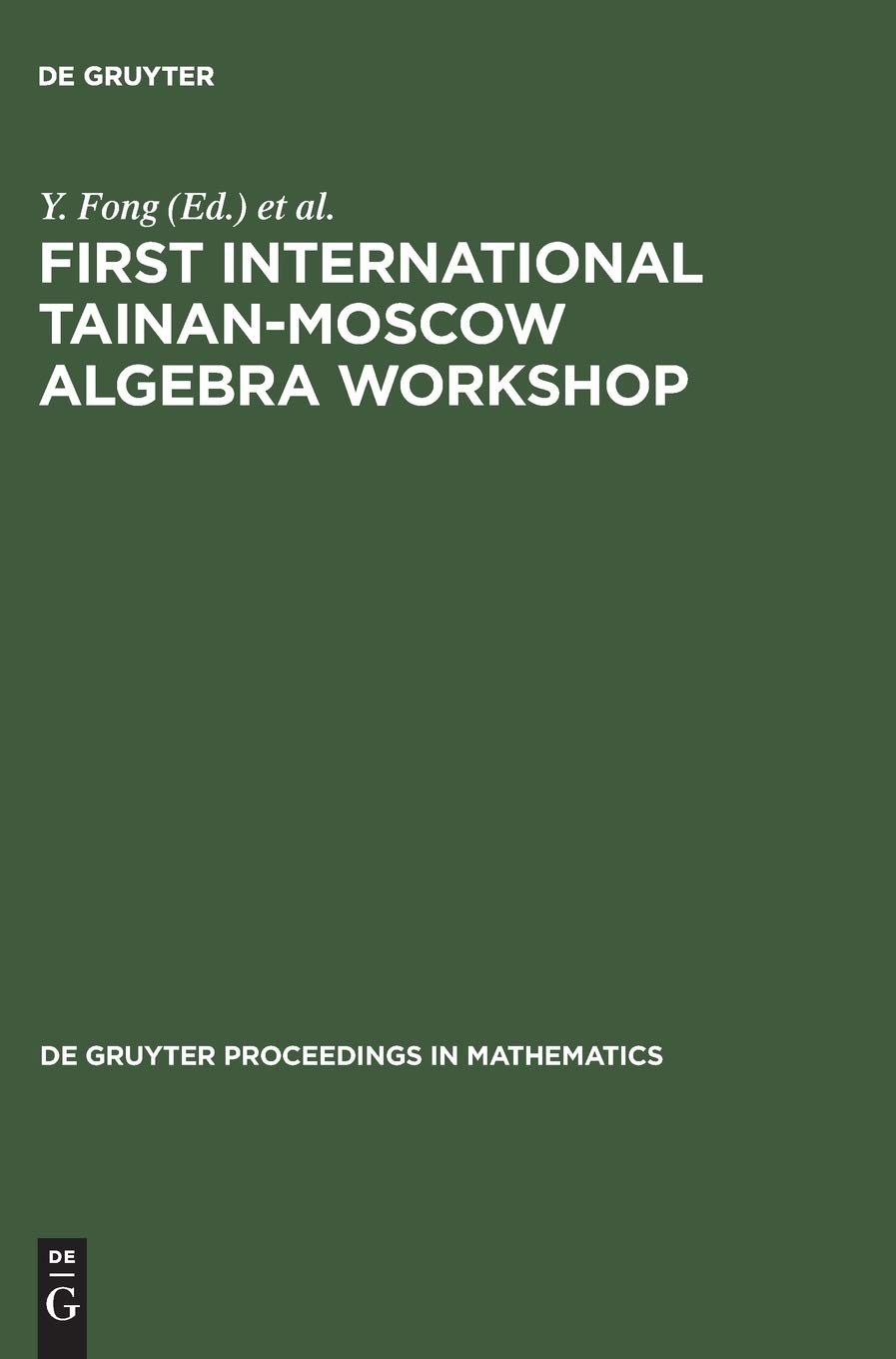
First International Tainan-Moscow Algebra Workshop: Proceedings of the International Conference held at National Cheng Kung University Tainan, Taiwan, ... 1994 (De Gruyter Proceedings in Mathematics)
Mathematics
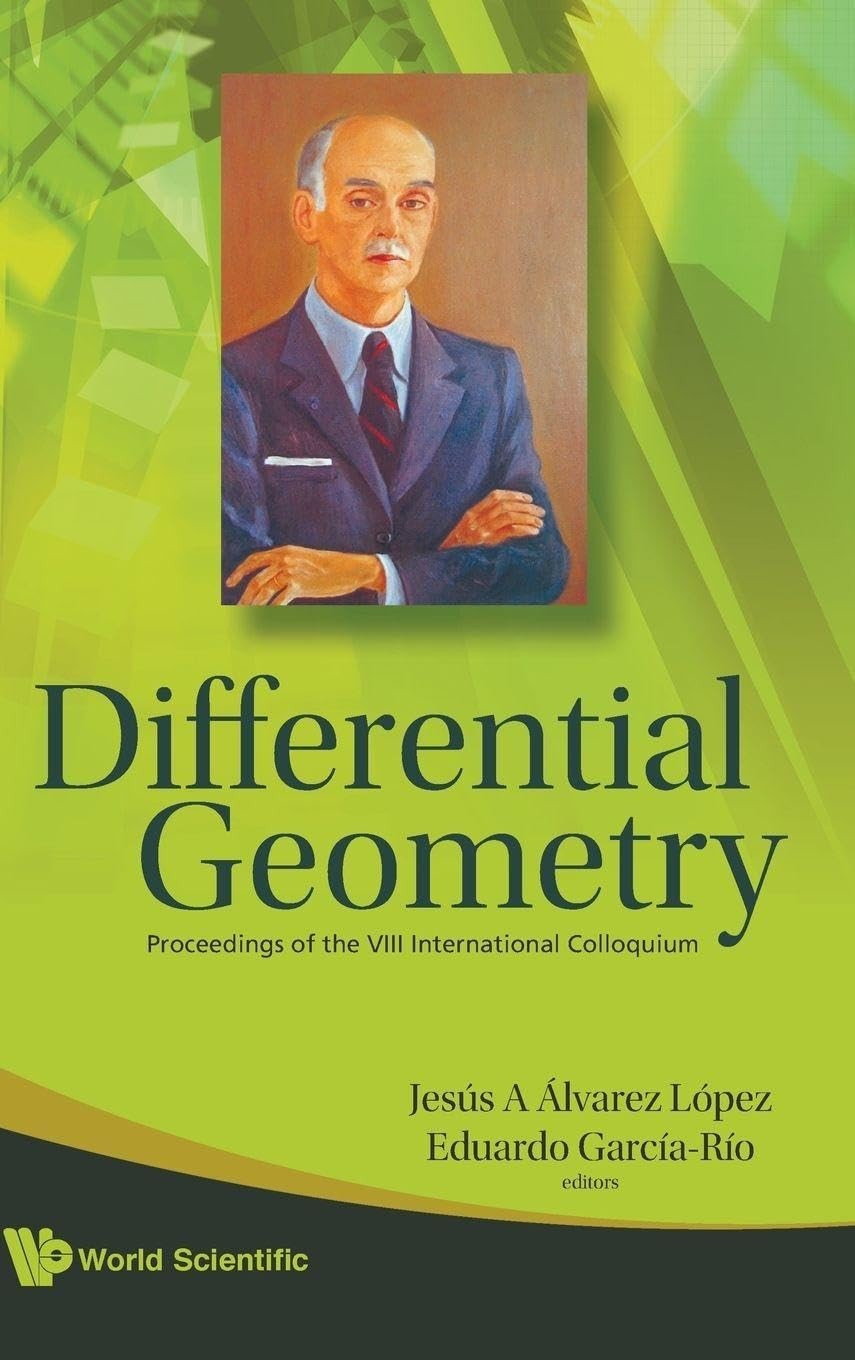
Differential Geometry - Proceedings of the VIII International Colloquium (English, Jesus A. Alvarez Lopez | Eduardo Garcia-Rio)
Mathematics
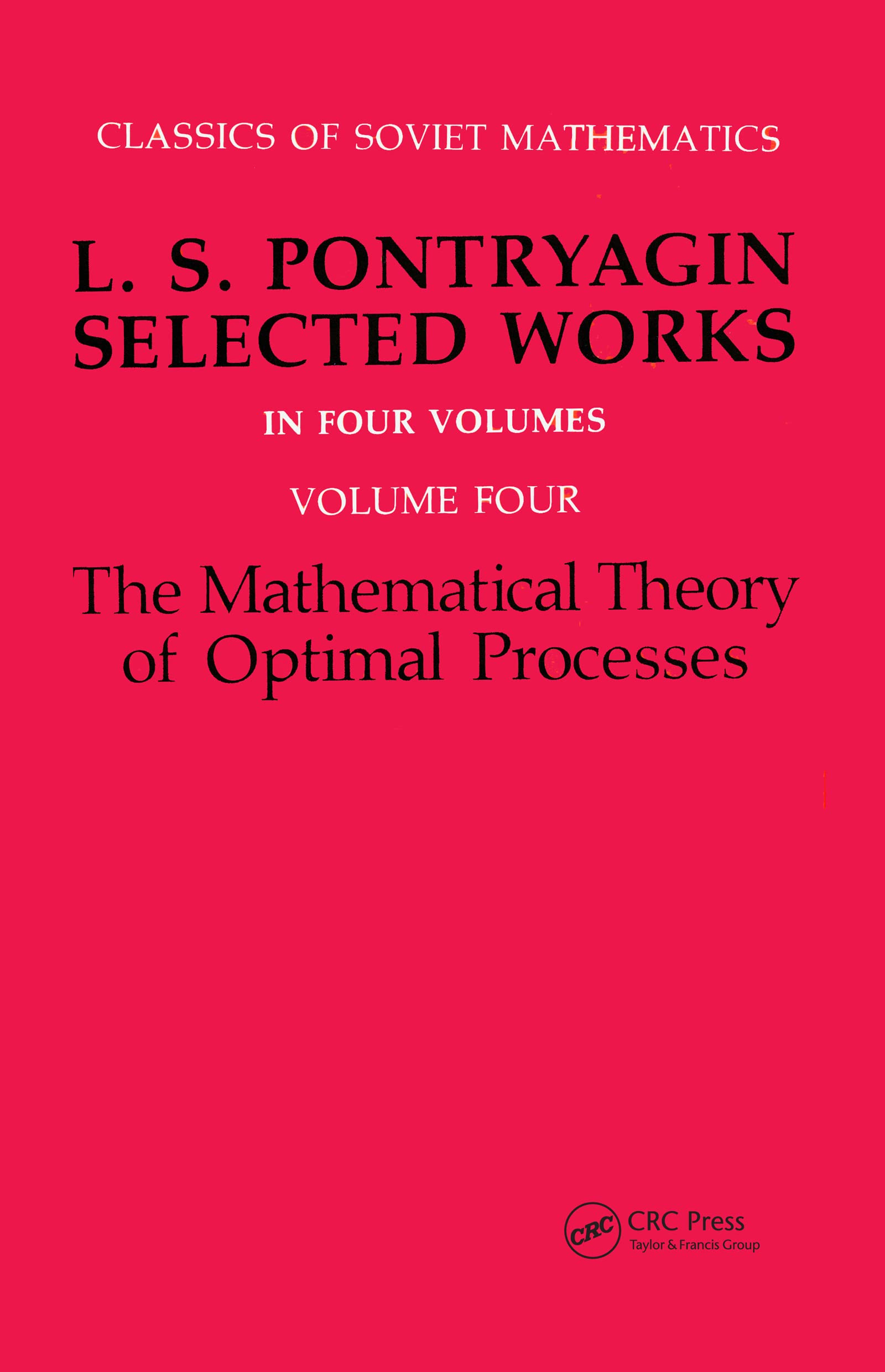
Mathematical Theory of Optimal Processes (Classics of Soviet Mathematics)
Related Products
View All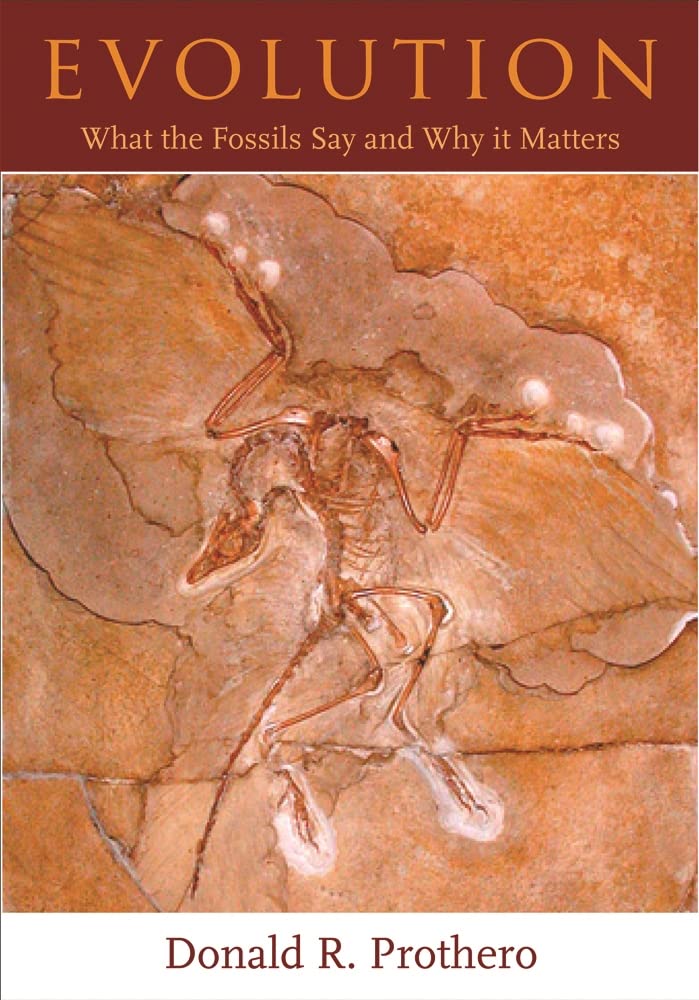
Biology
Evolution: What the Fossils Say and Why It Matters by Donald R. Prothero
Biology
From Taxonomy to Phylogenetics – Life and Work of Willi Hennig

Biology
The Marine Biology of the South China Sea
Biology
Genetics Meets Metabolomics: from Experiment to Systems Biology
Biology
The Elements of Natural or Experimental Philosophy: 2
Biology