
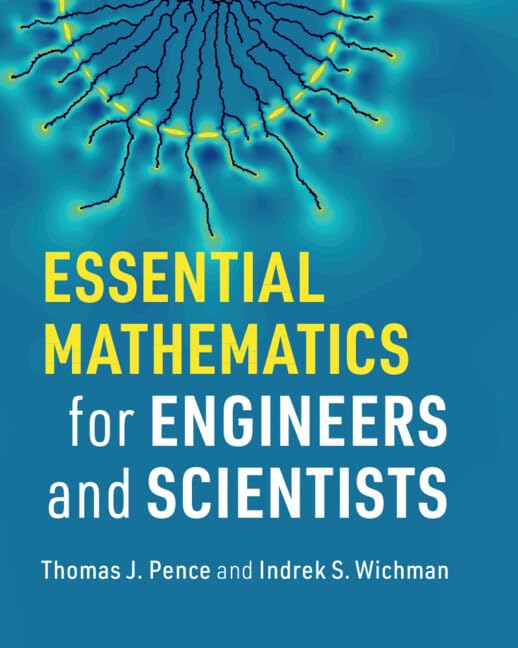
Essential Mathematics for Engineers and Scientists by Thomas J. Pence – A Comprehensive Guide to Applied Mathematics for
Inclusive of all applicable taxes. FREE shipping on all orders.
Available Offers
- 🚚Free Delivery — Free shipping on all orders
- 💵Cash on Delivery — Pay when your order arrives
- ↩️15-Day Easy Returns — Hassle-free return policy
- 🔒Cash on Delivery — Pay safely when your order arrives
Check Delivery
Product Description
Introduction
Mathematics is the silent engine behind every breakthrough in engineering and the physical sciences. For Indian students and professionals who aspire to move beyond textbook formulas and into the realm of real-world problem-solving, Essential Mathematics for Engineers and Scientists by Thomas J. Pence offers a rigorous yet accessible foundation. Published by Cambridge University Press, this hardcover volume is designed to bridge the gap between undergraduate knowledge and the advanced mathematical techniques required in academic research and industrial R&D. Whether you are preparing for competitive exams, pursuing a postgraduate degree, or working in a tech-driven industry, this book equips you with the analytical tools to understand and apply complex mathematical concepts with confidence.
Book Overview
This text is a comprehensive guide to the core mathematical methods that underpin modern engineering and scientific analysis. Thomas J. Pence has crafted a resource that moves from fundamental principles to advanced applications, ensuring that readers not only learn techniques but also grasp the underlying logic. The book is structured to build progressively, with each chapter introducing a new set of tools—from vector calculus and linear algebra to differential equations and numerical methods. What sets this book apart is its focus on connecting theory to practice: every concept is illustrated with detailed worked problems that mirror the challenges faced by engineers and scientists in fields like solid mechanics, fluid dynamics, climate modeling, and structural analysis. The hardcover binding makes it a durable companion for years of study and reference.
Key Highlights
- Comprehensive Coverage: Covers all essential topics in applied mathematics, including vector calculus, Fourier analysis, partial differential equations, and numerical methods.
- Worked Examples: Hundreds of detailed, step-by-step solved problems that clarify difficult concepts and demonstrate real-world applications.
- Computational Challenges: End-of-chapter problems designed to test your ability to implement mathematical methods using scientific software, preparing you for industrial and research environments.
- Rigorous Yet Accessible: Written for readers with an undergraduate background in engineering or physical sciences, making advanced topics approachable without oversimplification.
- Practical Focus: Emphasizes the mathematical foundations of software packages used in weather prediction, structural analysis, and climate change modeling.
Inside the Book
The book is organized into logical sections that guide the reader from foundational concepts to specialized applications. Early chapters revisit essential linear algebra and calculus, ensuring a solid base before moving into more complex territory. Subsequent chapters delve into ordinary and partial differential equations, integral transforms, tensor analysis, and computational methods. Each chapter opens with a clear statement of objectives and closes with a summary of key points. The worked problems are not merely illustrative; they are carefully chosen to reflect the types of calculations that engineers and scientists perform daily. The computational challenge problems encourage readers to translate mathematical theory into code, fostering the practical skills needed to work with industry-standard software. Appendices provide quick reference for formulas, tables, and mathematical identities.
Key Topics
- Vector and Tensor Calculus: Gradient, divergence, curl, and applications in fluid and solid mechanics.
- Linear Algebra: Eigenvalues, eigenvectors, matrix decompositions, and their use in solving systems of equations.
- Ordinary Differential Equations: Analytical and numerical solutions, including boundary value problems and stability analysis.
- Partial Differential Equations: Heat equation, wave equation, Laplace’s equation, and separation of variables.
- Fourier and Laplace Transforms: Techniques for solving differential equations and analyzing signals.
- Numerical Methods: Finite difference, finite element, and iterative methods for engineering simulations.
- Probability and Statistics: Fundamentals applied to uncertainty analysis and data interpretation.
Reader Benefits
By studying this book, you will develop a deep, intuitive understanding of the mathematics that drives modern technology. You will learn to approach complex problems systematically, choose the right mathematical tools for a given situation, and interpret results with confidence. The worked problems train you to think like a researcher or engineer, breaking down large problems into manageable steps. The computational challenges prepare you for the realities of industrial R&D, where software packages are essential but require a solid theoretical foundation to use effectively. Indian students preparing for GATE, IIT-JAM, or postgraduate entrance exams will find the coverage aligned with advanced syllabi, while professionals in aerospace, civil, mechanical, and chemical engineering will gain a reference that stays relevant throughout their careers.
Learning Outcomes
- Master the mathematical methods used in advanced engineering and scientific research.
- Solve ordinary and partial differential equations using analytical and numerical techniques.
- Apply vector and tensor calculus to problems in solid and fluid mechanics.
- Use Fourier and Laplace transforms to analyze dynamic systems.
- Implement numerical algorithms for real-world engineering simulations.
- Understand the mathematical basis of scientific software packages.
- Develop critical thinking skills for tackling open-ended research problems.
Who Should Read
This book is ideal for students who have completed an undergraduate degree in engineering, physics, or a related field and wish to deepen their mathematical expertise. It is equally valuable for postgraduate students in mechanical, civil, aerospace, chemical, or electrical engineering, as well as those in applied physics and materials science. Researchers and industrial R&D specialists who use computational tools for modeling and simulation will find it an indispensable reference. Indian faculty members teaching advanced mathematics courses can adopt it as a textbook for master’s-level programs. Self-learners with a strong background in calculus and linear algebra will also benefit from its structured approach.
About the Author
Thomas J. Pence is a distinguished professor and researcher with extensive experience in applied mathematics and engineering. His work focuses on the mathematical modeling of physical systems, and he has published numerous papers in top-tier journals. With decades of teaching experience at the graduate and undergraduate levels, Professor Pence has a gift for making complex ideas accessible without sacrificing rigor. This book reflects his belief that a strong mathematical foundation is the key to innovation in engineering and science.
About the Publisher
Cambridge University Press is one of the world’s oldest and most respected academic publishers, with a history dating back to 1584. Known for its commitment to excellence, Cambridge University Press publishes authoritative works across all disciplines, including mathematics, engineering, and the physical sciences. This hardcover edition is produced to the highest standards of quality, ensuring that the content is both durable and visually clear for long-term use.
Conclusion
Essential Mathematics for Engineers and Scientists is more than a textbook; it is a gateway to advanced problem-solving and innovation. For Indian students and professionals striving to excel in competitive fields, this book provides the mathematical depth and practical insight needed to stand out. Whether you are analyzing the stress on a bridge, modeling airflow over an aircraft wing, or predicting climate patterns, the tools in this volume will serve as your trusted guide. Invest in your future with this essential resource from Cambridge University Press.
Quick Summary
Essential Mathematics for Engineers and Scientists by Thomas J. Pence is a rigorous textbook tailored for graduate students and professionals in engineering and the physical sciences. Published by Cambridge University Press, this hardcover volume covers the core applied mathematics topics that form the backbone of modern technical analysis, including differential equations, linear algebra, vector calculus, Fourier series, Laplace transforms, complex analysis, and numerical methods. Readers will learn not only the theoretical foundations but also practical techniques for solving real-world problems in solid mechanics, fluid mechanics, and other engineering domains. The book is particularly valuable for Indian students pursuing advanced degrees or preparing for competitive exams like GATE, as it bridges the gap between undergraduate math and research-level applications. By understanding the mathematics behind scientific software packages, readers gain the ability to critically evaluate and use tools for simulation and modeling. Bookshops.in offers this essential resource at ₹4472, ensuring fast delivery across India. Whether you are an academic researcher, an industrial R&D specialist, or a graduate student, this book will deepen your mathematical expertise and enhance your problem-solving capabilities.
Book Highlights
Book Specifications
| ISBN-13 | 9781108425445 |
| ISBN-10 | 1108425445 |
| Publisher | Cambridge University Press |
| Language | English |
| Dimensions | 18.42 x 3.81 x 24.13 cm |
| Weight | 1 kg 690 g |
| Country | India |
| Category | Science & Mathematics › Mathematics |
| Genre | Non-fiction |
| Original Language | English |
Frequently Asked Questions
What is the main focus of this book?
Who is the author of Essential Mathematics for Engineers and Scientists?
Is this book suitable for undergraduate students?
What topics are covered in the book?
Does the book include real-world applications?
Can this book help with scientific software?
What is the ISBN number?
Is this book available in India?
What is the price in Indian rupees?
Does the book have exercises?
Is this book useful for GATE preparation?
What is the language of the book?
Can researchers benefit from this book?
Readers Also Search For
Customers Also Bought
Mathematics
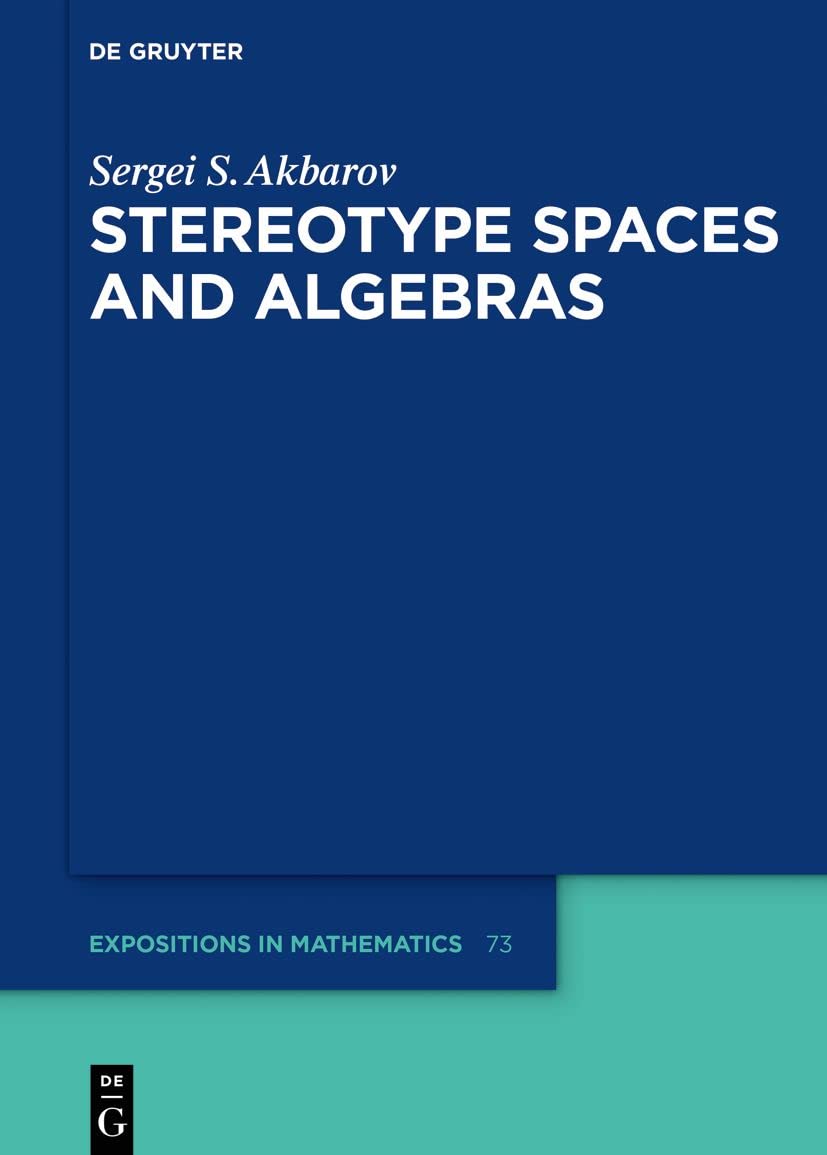
Stereotype Spaces and Algebras: 73 (De Gruyter Expositions in Mathematics, 73)

Chemistry
Concise Encyclopedia of Biochemistry

Chemistry
Proceedings of the Third USSR - FRG Symposium, Makhachkala (USSR), October 2–6, 1980: 001
Physics
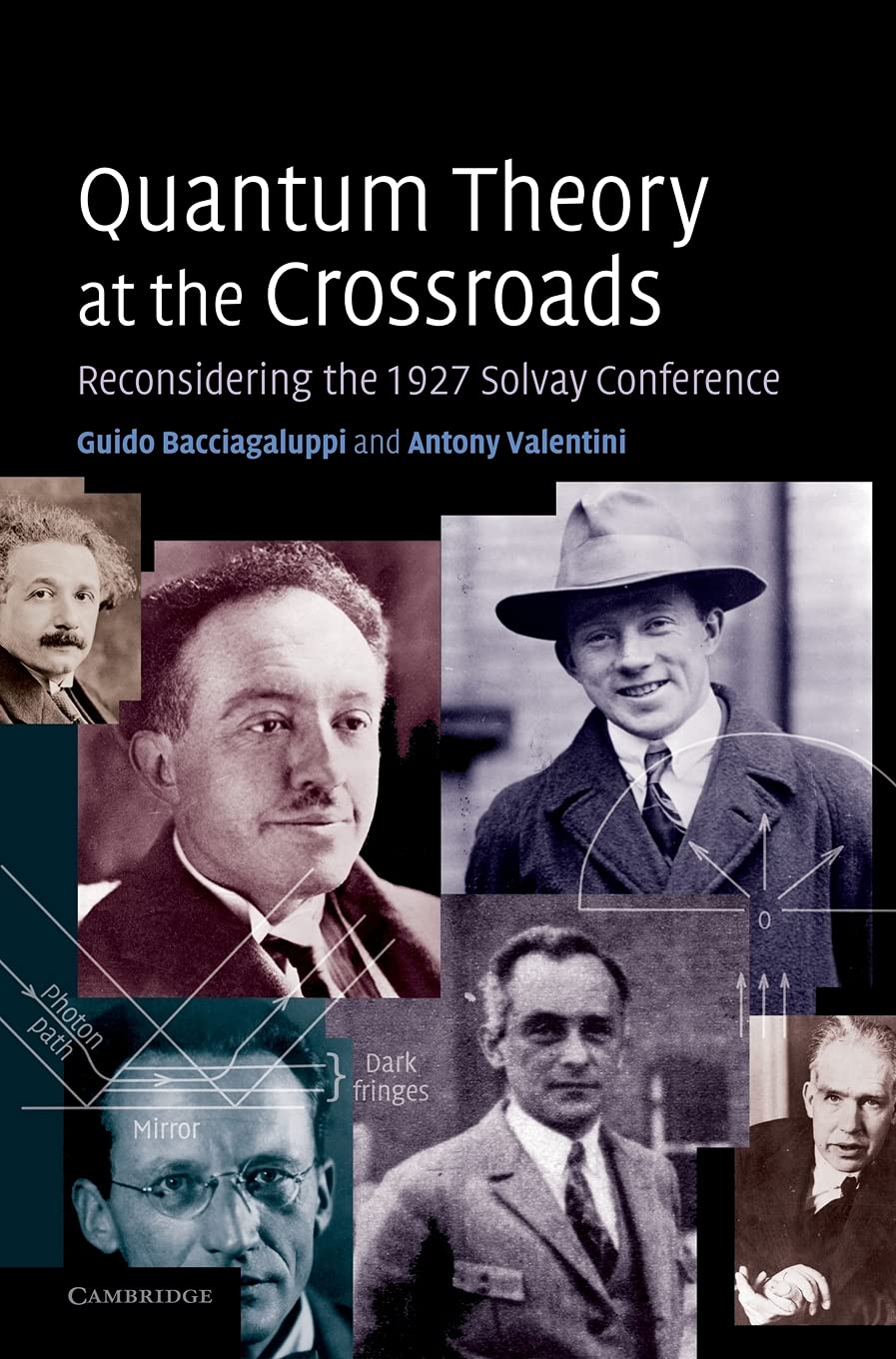
Quantum Theory at the Crossroads by Guido Bacciagaluppi – Quantum Mechanics History

Physics
The Quantum and Cosmic Codes of the Universe
Mathematics
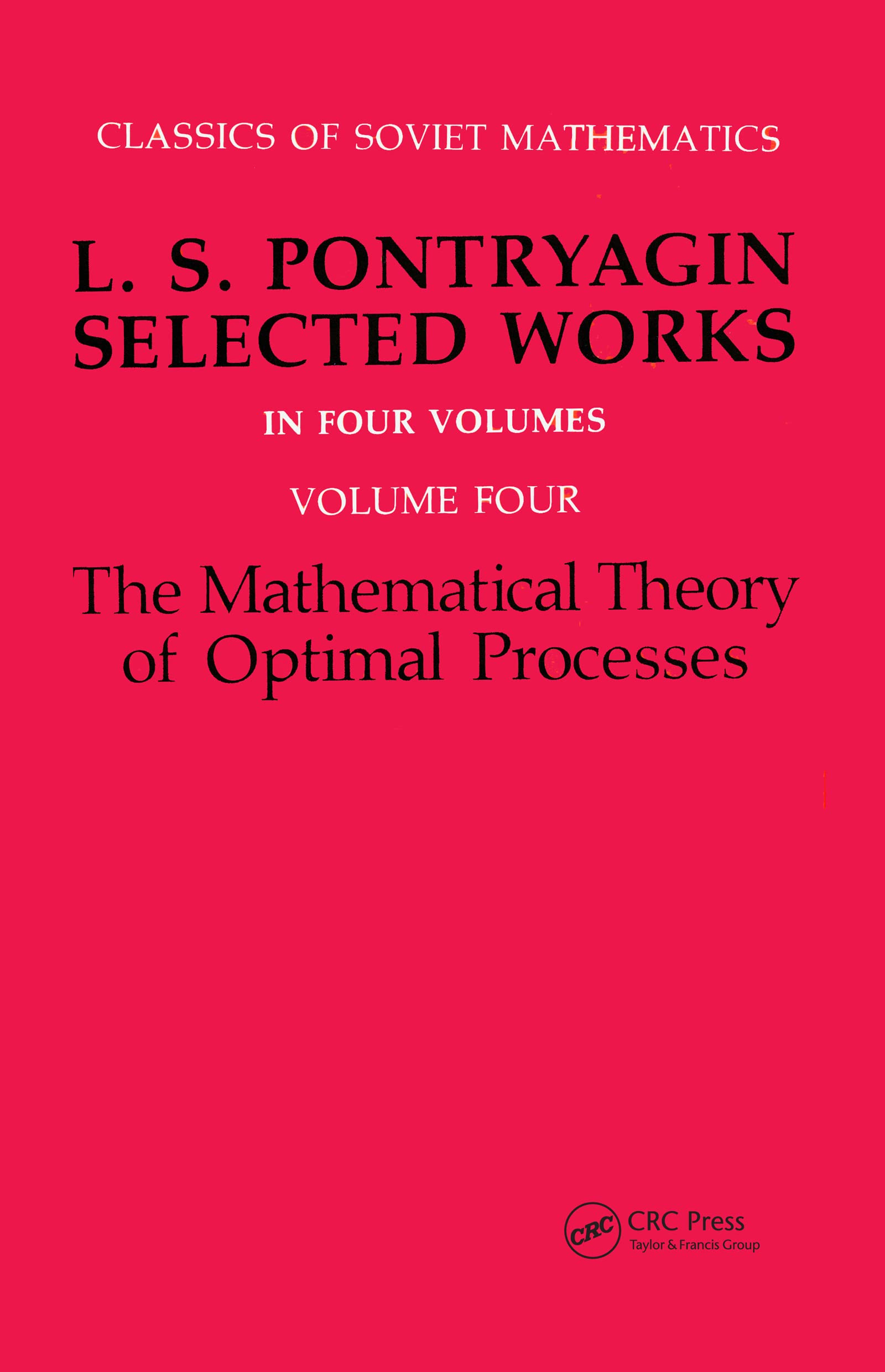
Mathematical Theory of Optimal Processes (Classics of Soviet Mathematics)
Related Products
View AllMathematics
Mathematical Theory of Optimal Processes (Classics of Soviet Mathematics)
Mathematics
Stereotype Spaces and Algebras: 73 (De Gruyter Expositions in Mathematics, 73)
Mathematics
Semigroups in Algebra, Geometry and Analysis: 20 (De Gruyter Expositions in Mathematics, 20)
Mathematics
Geometry from the Pacific Rim: Proceedings of the Pacific Rim Geometry Conference held at National University of Singapore, Republic of Singapore, ... 1994 (De Gruyter Proceedings in Mathematics)
Mathematics
First International Tainan-Moscow Algebra Workshop: Proceedings of the International Conference held at National Cheng Kung University Tainan, Taiwan, ... 1994 (De Gruyter Proceedings in Mathematics)
Mathematics