
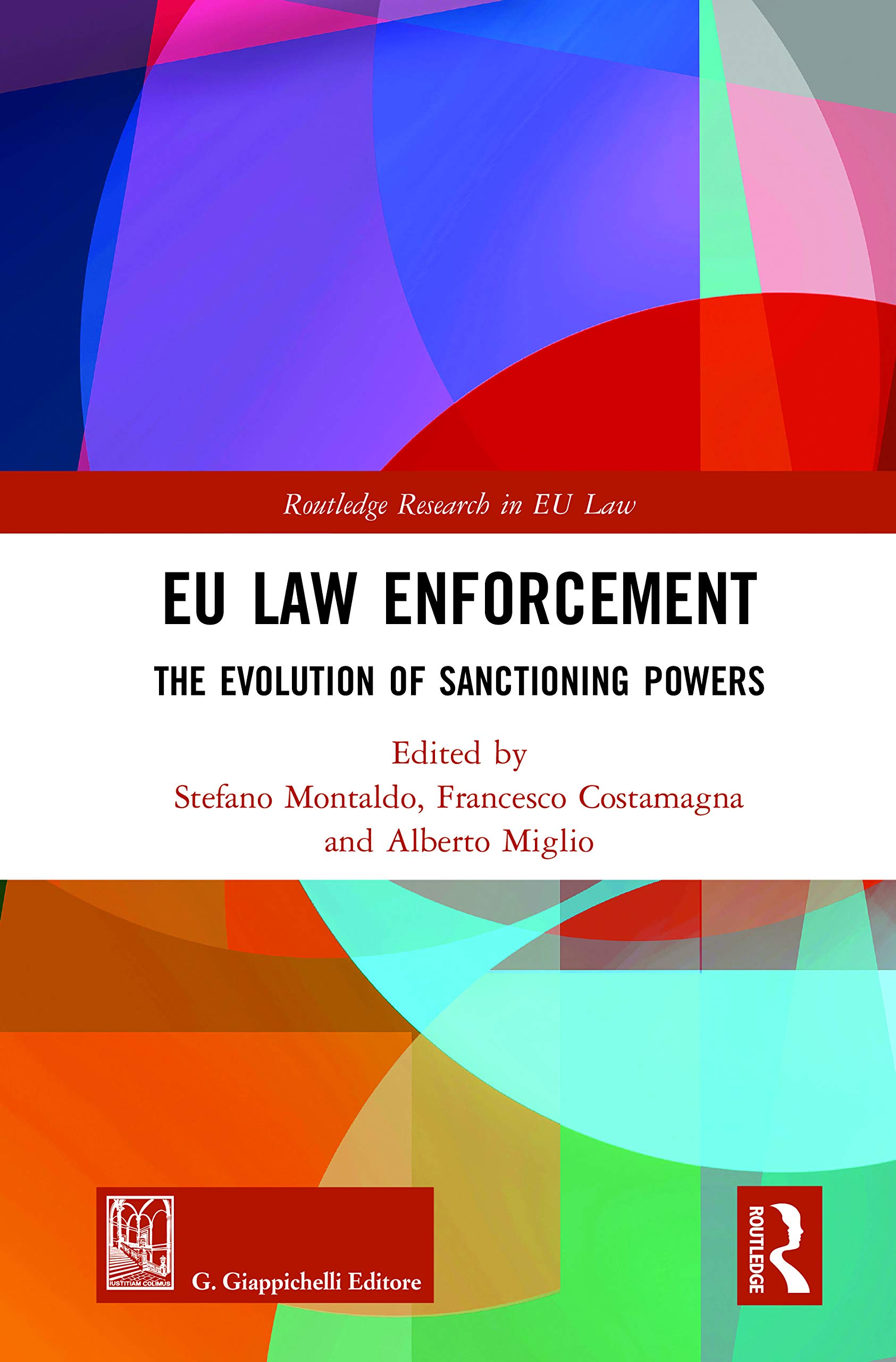
EU Law Enforcement: The Evolution of Sanctioning Powers by Montaldo Stefano – A Deep Dive into European Union Institutio
Inclusive of all applicable taxes. FREE shipping on all orders.
Available Offers
- 🚚Free Delivery — Free shipping on all orders
- 💵Cash on Delivery — Pay when your order arrives
- ↩️15-Day Easy Returns — Hassle-free return policy
- 🔒Cash on Delivery — Pay safely when your order arrives
Check Delivery
Product Description
Introduction
The European Union’s legal architecture has undergone a transformative journey, evolving from a primarily economic community into a sophisticated supranational entity with robust enforcement mechanisms. EU Law Enforcement: The Evolution of Sanctioning Powers by Montaldo Stefano offers a critical examination of how the Union has developed its capacity to impose sanctions, moving beyond its initial limitations. For Indian legal scholars, policymakers, and students of international law, this book provides a comparative lens to understand how a multi-level governance system builds its enforcement muscle—an increasingly relevant topic as India deepens its engagement with global regulatory frameworks.
Book Overview
This meticulously researched volume traces the historical trajectory of the EU’s sanctioning powers, from the early days of the European Community to the present complex institutional landscape. Stefano argues that the once-perceived ‘gap’ in the EU legal order—the absence of direct enforcement authority—has been progressively filled through treaty reforms, case law, and the creation of specialized agencies. The book systematically unpacks how the Union now wields sanctioning powers in diverse fields, including banking supervision, environmental protection, and data privacy. It is an indispensable resource for anyone seeking to grasp the constitutional dynamics of EU law enforcement beyond mere theoretical abstraction.
Key Highlights
- Comprehensive Analysis: Explores the structural evolution of EU sanctioning mechanisms across multiple decades and policy domains.
- Interdisciplinary Approach: Blends constitutional law, administrative law, and comparative enforcement theories.
- Practical Relevance: Examines real-world case studies from the banking union, environmental law, and GDPR enforcement.
- Authoritative Scholarship: Written by a leading European legal academic with deep expertise in EU institutional law.
Inside the Book
The book is organized into two overarching parts. Part I establishes a general framework for understanding EU sanctioning, focusing on structural features such as the distribution of powers between the Union and member states, the role of agencies like the European Central Bank and the European Data Protection Board, and the general principles of legality, proportionality, and procedural fairness. Part II delves into key substantive areas, offering detailed analyses of sanctioning regimes in banking and monetary union, environmental law, and data protection. Each chapter is grounded in primary sources, including Treaty provisions, secondary legislation, and landmark judgments from the Court of Justice of the European Union.
Key Topics
- Evolution of EU Competence: How ‘competence creep’ has expanded the Union’s enforcement role.
- Agencification: The rise of independent EU agencies with sanctioning powers.
- Banking Union: Sanctioning mechanisms within the Single Supervisory Mechanism.
- Environmental Enforcement: EU directives and penalties for non-compliance.
- Data Protection: The GDPR’s sanctioning framework and cross-border enforcement.
- General Principles: Proportionality, legal certainty, and the protection of fundamental rights in sanctioning procedures.
Reader Benefits
Readers will gain a nuanced understanding of how the EU has overcome its historical enforcement deficit. The book equips legal professionals with the analytical tools to compare EU sanctioning models with other federal or quasi-federal systems, including India’s own regulatory landscape. It clarifies the interplay between national and supranational enforcement—a critical issue for Indian lawyers advising clients on EU market access or data compliance. Moreover, the work demystifies the procedural safeguards that govern EU sanctions, offering practical insights for litigation and policy advocacy.
Learning Outcomes
- Understand the constitutional foundations of EU enforcement powers.
- Analyze the role of EU agencies in sanctioning and compliance.
- Evaluate the effectiveness of sanctioning regimes in banking, environment, and data protection.
- Critically assess the balance between enforcement efficiency and fundamental rights.
- Apply comparative insights to Indian and other legal systems.
Who Should Read
This book is ideal for postgraduate law students specializing in European Union law, international economic law, or regulatory governance. It is equally valuable for legal practitioners advising on EU regulatory compliance, policy researchers in think tanks and government bodies, and academics teaching comparative constitutional law or administrative law. Indian readers with an interest in how the EU manages cross-border enforcement—particularly in the context of data protection and financial regulation—will find the analysis directly relevant to emerging Indian regulatory frameworks.
About the Author
Montaldo Stefano is a distinguished legal scholar affiliated with the University of Turin, Italy. His research focuses on EU constitutional law, administrative law, and the evolution of enforcement mechanisms within the European legal order. He has published extensively in leading European law journals and contributed to major collaborative research projects on EU governance. Stefano’s work is known for its rigorous doctrinal analysis and its ability to bridge theoretical principles with practical institutional developments.
About the Publisher
Routledge is a globally renowned academic publisher specializing in law, social sciences, and humanities. With a legacy spanning over a century, Routledge is synonymous with high-quality scholarly monographs, textbooks, and reference works. This publication reflects Routledge’s commitment to advancing legal scholarship by presenting cutting-edge research in a clear, accessible format for the academic and professional community.
Conclusion
EU Law Enforcement: The Evolution of Sanctioning Powers is a definitive work that fills a significant gap in the literature on European integration. It offers a rigorous, insightful, and timely examination of how the Union has constructed its enforcement architecture—a story of constitutional creativity and institutional adaptation. For Indian readers, the book provides a valuable comparative case study of how a multi-layered legal system addresses the challenge of ensuring compliance across diverse policy areas. Order your hardcover copy from Bookshops.in today and deepen your understanding of the EU’s evolving legal order.
Quick Summary
EU Law Enforcement: The Evolution of Sanctioning Powers by Montaldo Stefano is a detailed academic work that traces the transformation of the European Union's capacity to impose sanctions, a power traditionally reserved for sovereign states. The book examines how EU institutions and agencies have gradually acquired enforcement responsibilities, leading to a more complex and integrated legal order. It covers key areas such as banking and financial regulation, where the EU has developed significant sanctioning mechanisms. Readers will gain a deep understanding of EU institutional law, the dynamics of competence creep, and the interplay between supranational and national enforcement systems. This book is essential for law students, legal practitioners, and scholars interested in European governance and regulatory law. By purchasing from Bookshops.in, Indian readers get fast delivery and genuine editions from a trusted local bookstore.
Book Highlights
Book Specifications
| ISBN-13 | 9780367186401 |
| ISBN-10 | 0367186403 |
| Publisher | Routledge |
| Language | English |
| Dimensions | 15.6 x 2.06 x 23.39 cm |
| Weight | 590 g |
| Country | India |
| Category | Political Science › International Relations |
| Genre | Academic Law |
| Original Language | English |
Frequently Asked Questions
What is the main focus of 'EU Law Enforcement: The Evolution of Sanctioning Powers'?
Who is the author of this book?
Is this book suitable for Indian law students?
What topics does the book cover?
Is this a hardcover edition?
Does the book include case studies?
What is the price of this book?
What is the ISBN of this book?
Can this book be used for academic research?
Is the book written in English?
What makes this book unique?
Where can I buy this book in India?
Readers Also Search For
Customers Also Bought

International Relations
Clients, Rivals, and Rogues: Why Great Powers Intervene in Revolutionary Civil Wars
International Relations
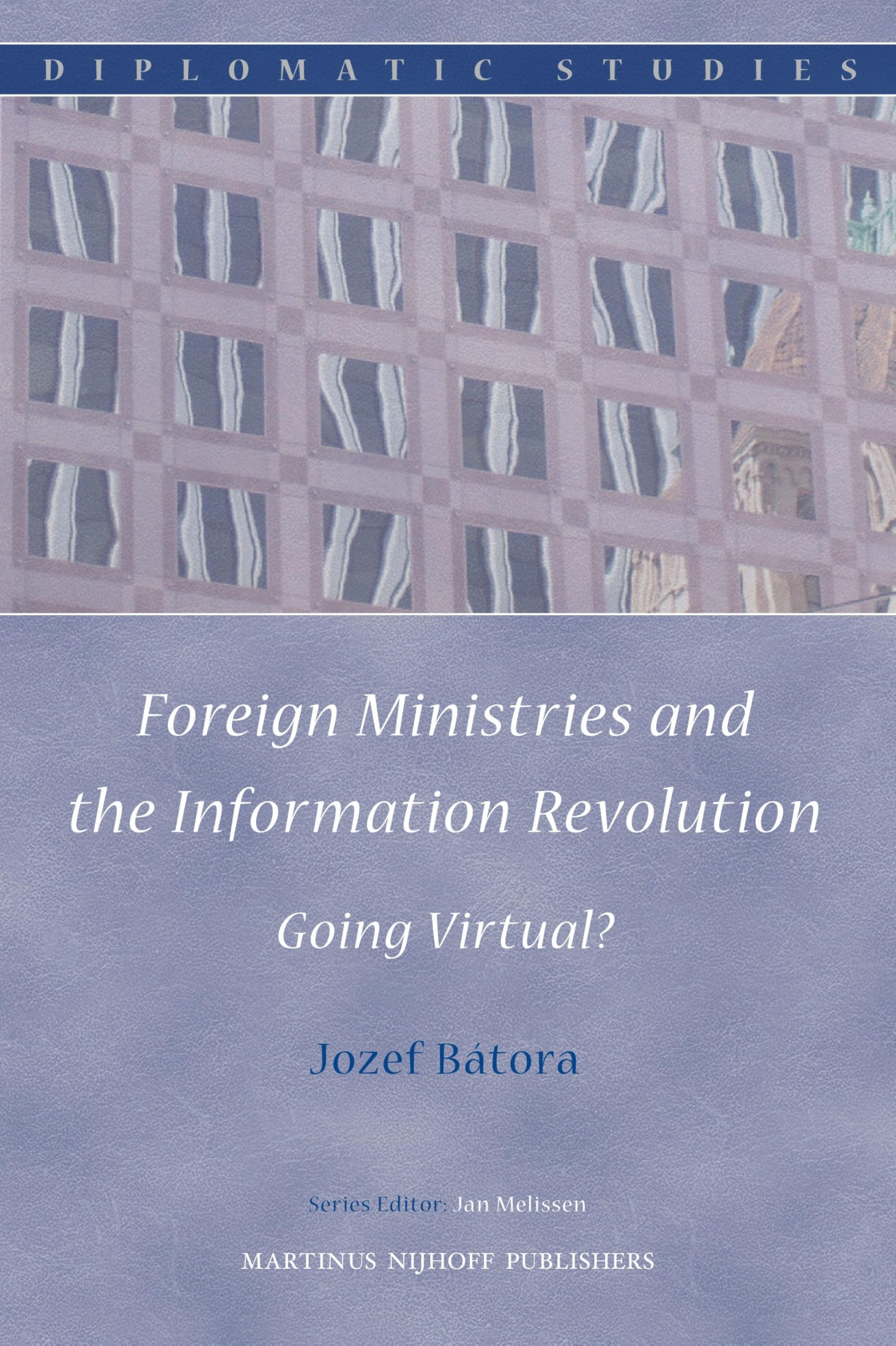
Foreign Ministries and the Information Revolution: Going Virtual?: 2 (Diplomatic Studies)
International Relations
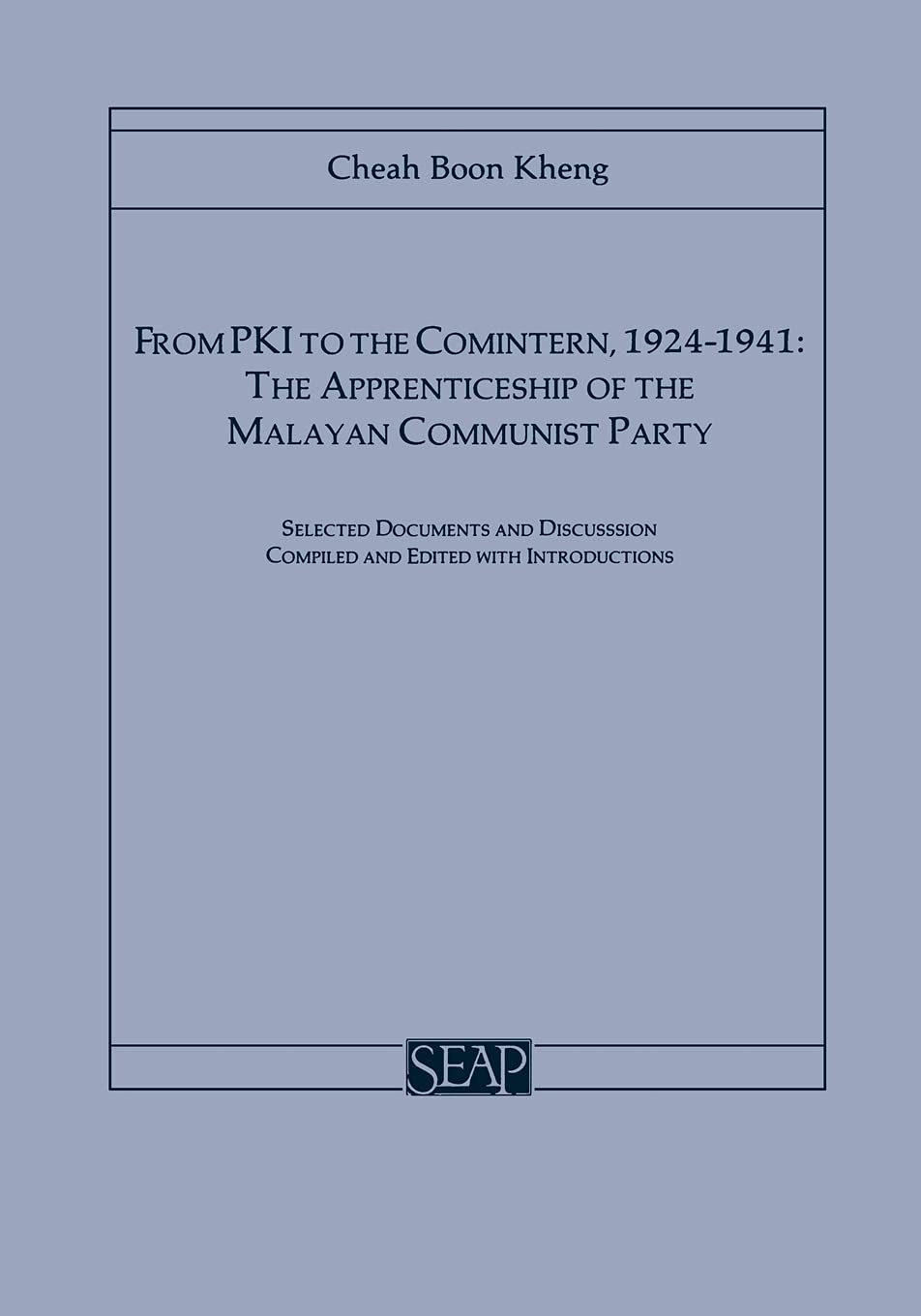
From Pki to Comintern, 1924-1941: The Apprenticeship of the Malayan Communist Party: 8 (Southeast Asia Program Series, 8)
International Relations
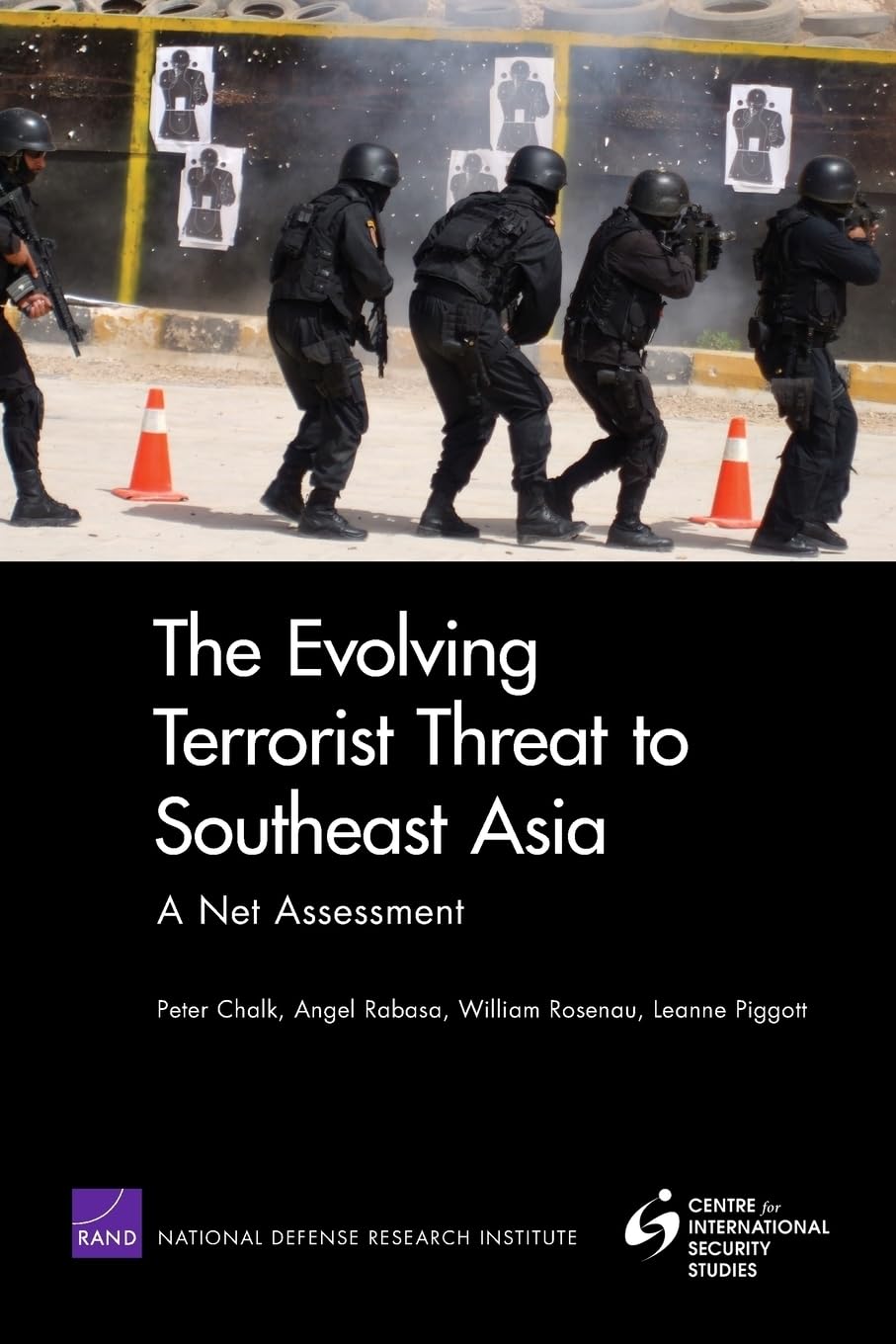
The Evolving Terrorist Threat to Southeast Asia: A Net Assessment
International Relations
The Naval Policy of Austria-Hungary 1867-1918: Navalism, Industrial Development, and the Politics of Dualism (Central European Studies)
International Relations
New Technologies and Law of the Marine Environment: Nouvelles Technologies Et Droit De L'Environment Marin: 55 (International Enviornmental Law and Policy, 55)
Related Products
View AllInternational Relations
Clients, Rivals, and Rogues: Why Great Powers Intervene in Revolutionary Civil Wars
International Relations
Foreign Ministries and the Information Revolution: Going Virtual?: 2 (Diplomatic Studies)
International Relations
From Pki to Comintern, 1924-1941: The Apprenticeship of the Malayan Communist Party: 8 (Southeast Asia Program Series, 8)
International Relations
The Evolving Terrorist Threat to Southeast Asia: A Net Assessment
International Relations
The Naval Policy of Austria-Hungary 1867-1918: Navalism, Industrial Development, and the Politics of Dualism (Central European Studies)
International Relations