
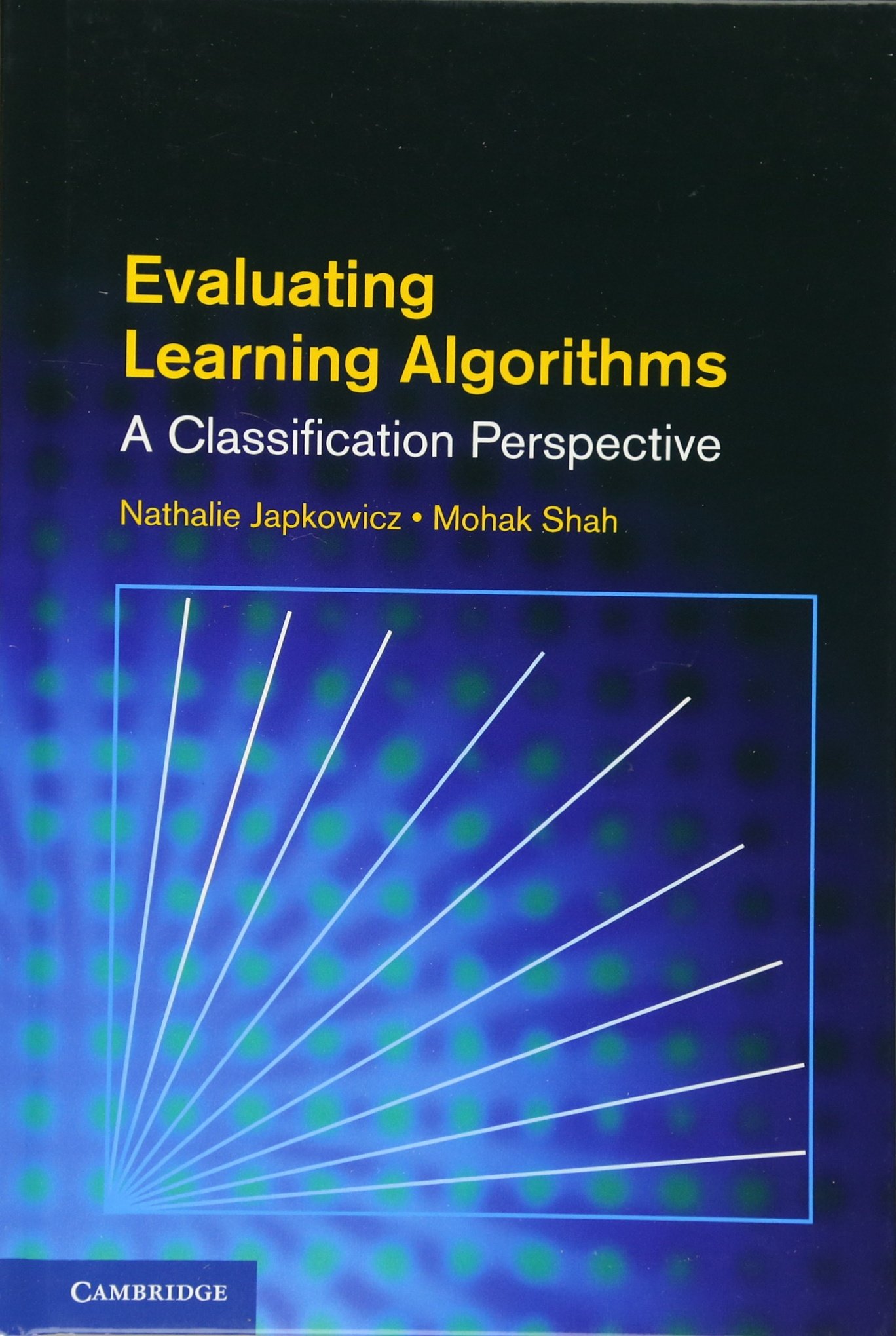
Evaluating Learning Algorithms by Nathalie Japkowicz – A Practical Guide to Classification Algorithm Evaluation and Perf
Inclusive of all applicable taxes. FREE shipping on all orders.
Available Offers
- 🚚Free Delivery — Free shipping on all orders
- 💵Cash on Delivery — Pay when your order arrives
- ↩️15-Day Easy Returns — Hassle-free return policy
- 🔒Cash on Delivery — Pay safely when your order arrives
Check Delivery
Product Description
Introduction
In the rapidly evolving world of machine learning and artificial intelligence, the ability to rigorously evaluate learning algorithms is as critical as designing them. Evaluating Learning Algorithms by Nathalie Japkowicz is an essential resource for researchers, data scientists, and advanced students who seek a deep, practical understanding of how to assess classifier performance. Published by Cambridge University Press, this hardcover volume provides a structured, mathematically grounded approach to evaluation, ensuring that your models are not just accurate but statistically valid and reliable for real-world applications.
Book Overview
This book moves beyond superficial metrics to explore the entire evaluation ecosystem. It covers classifier performance assessment, error estimation, resampling techniques, and statistical significance testing. The author emphasizes the interdependence of different evaluation components and presents a unified framework that helps readers avoid common pitfalls. Practical examples in R and WEKA make the concepts immediately applicable, bridging theory and practice seamlessly.
Key Highlights
- Comprehensive Evaluation Framework: A holistic view that connects error estimation, resampling, and significance testing.
- Practical Implementation: All techniques are illustrated using R and WEKA, two widely used tools in the data science community.
- Focus on Classification: Detailed treatment of classification algorithms, the backbone of many machine learning applications.
- Statistical Rigour: In-depth coverage of statistical tests to ensure results are not due to chance.
- Clear and Structured: Ideal for both self-study and as a reference for advanced coursework.
Inside the Book
The chapters systematically guide readers through the evaluation process. Starting with fundamental concepts, the book progresses to advanced topics such as bootstrapping, cross-validation, and the design of controlled experiments. Each chapter includes examples, code snippets, and exercises that reinforce learning. The unified evaluation framework is a standout feature, showing how performance metrics, experimental design, and domain selection are interlinked.
Key Topics
- Classifier performance metrics (accuracy, precision, recall, F-measure, ROC curves)
- Error estimation and bias-variance tradeoff
- Resampling methods: cross-validation, bootstrap, and jackknife
- Statistical significance testing (t-tests, ANOVA, McNemar’s test)
- Domain selection and its impact on evaluation
- Comparing multiple learning algorithms fairly
- Practical implementation using R and WEKA
Reader Benefits
By studying this book, you will gain the confidence to design rigorous experiments, avoid overfitting, and select the most appropriate evaluation techniques for your data. You will learn to interpret results meaningfully and communicate findings with statistical backing. The hands-on examples ensure that you can immediately apply these methods to your own projects, whether in academia or industry.
Learning Outcomes
- Understand the theoretical foundations of algorithm evaluation
- Implement multiple resampling strategies and choose the right one
- Apply statistical tests to compare classifiers reliably
- Design evaluation experiments that minimize bias and variance
- Interpret ROC curves, lift charts, and cost-sensitive metrics
- Use R and WEKA for end-to-end evaluation workflows
Who Should Read
This book is tailored for machine learning researchers, data scientists, statisticians, and graduate students in computer science or related fields. It is also valuable for practitioners who need to validate models in business, healthcare, finance, or engineering. A basic understanding of machine learning concepts and some familiarity with R or WEKA will help you get the most out of the content.
About the Author
Nathalie Japkowicz is a respected researcher in machine learning and artificial intelligence. She has contributed extensively to the fields of classification, anomaly detection, and evaluation methodology. Her work focuses on making evaluation practices more rigorous and accessible, and she brings years of academic and practical experience to this book. Her clear writing style and structured approach make complex topics understandable.
About the Publisher
Cambridge University Press is a world-leading academic publisher known for its high-quality scholarly and educational books. With a legacy spanning several centuries, Cambridge University Press publishes authoritative works in science, technology, humanities, and social sciences. This book upholds that tradition of excellence, offering a reliable and thoroughly reviewed resource for the global research community.
Conclusion
Evaluating Learning Algorithms is more than a textbook—it is a practical guide that empowers you to make informed decisions about model selection and performance. Whether you are a researcher aiming for publication or a professional building production systems, this book provides the tools and understanding needed to evaluate algorithms with confidence. Add this indispensable hardcover to your library and elevate the quality of your machine learning projects.
Quick Summary
Evaluating Learning Algorithms by Nathalie Japkowicz is a definitive guide for anyone serious about assessing machine learning classifiers. The book systematically covers error estimation, resampling techniques like cross-validation and bootstrap, statistical significance testing, and domain selection. It presents a unified evaluation framework that ties these components together, helping researchers avoid common pitfalls and produce reproducible results. Written for both students and practitioners, the book balances theoretical foundations with practical advice, making it ideal for Indian readers pursuing careers in data science, AI, or academic research. By purchasing from Bookshops.in, you get a genuine hardcover copy from Cambridge University Press, delivered to your doorstep with trusted service.
Book Highlights
Book Specifications
| ISBN-13 | 9780521196000 |
| ISBN-10 | 0521196000 |
| Publisher | Cambridge University Press |
| Language | English |
| Dimensions | 15.88 x 2.54 x 23.5 cm |
| Weight | 720 g |
| Category | Computer Science › Artificial Intelligence |
| Genre | Nonfiction |
| Original Language | English |
Frequently Asked Questions
What is the main focus of this book?
Who is the author of Evaluating Learning Algorithms?
Is this book suitable for beginners?
Does this book cover statistical significance testing?
What resampling methods are discussed?
Is this book useful for data scientists?
Does the book include practical examples?
What is the unified evaluation framework?
Can this book help with research paper writing?
Does the book cover ROC curves and confusion matrices?
Is this book available in hardcover?
Does the book address overfitting?
Why should I buy this book from Bookshops.in?
Readers Also Search For
Customers Also Bought
Computer Science
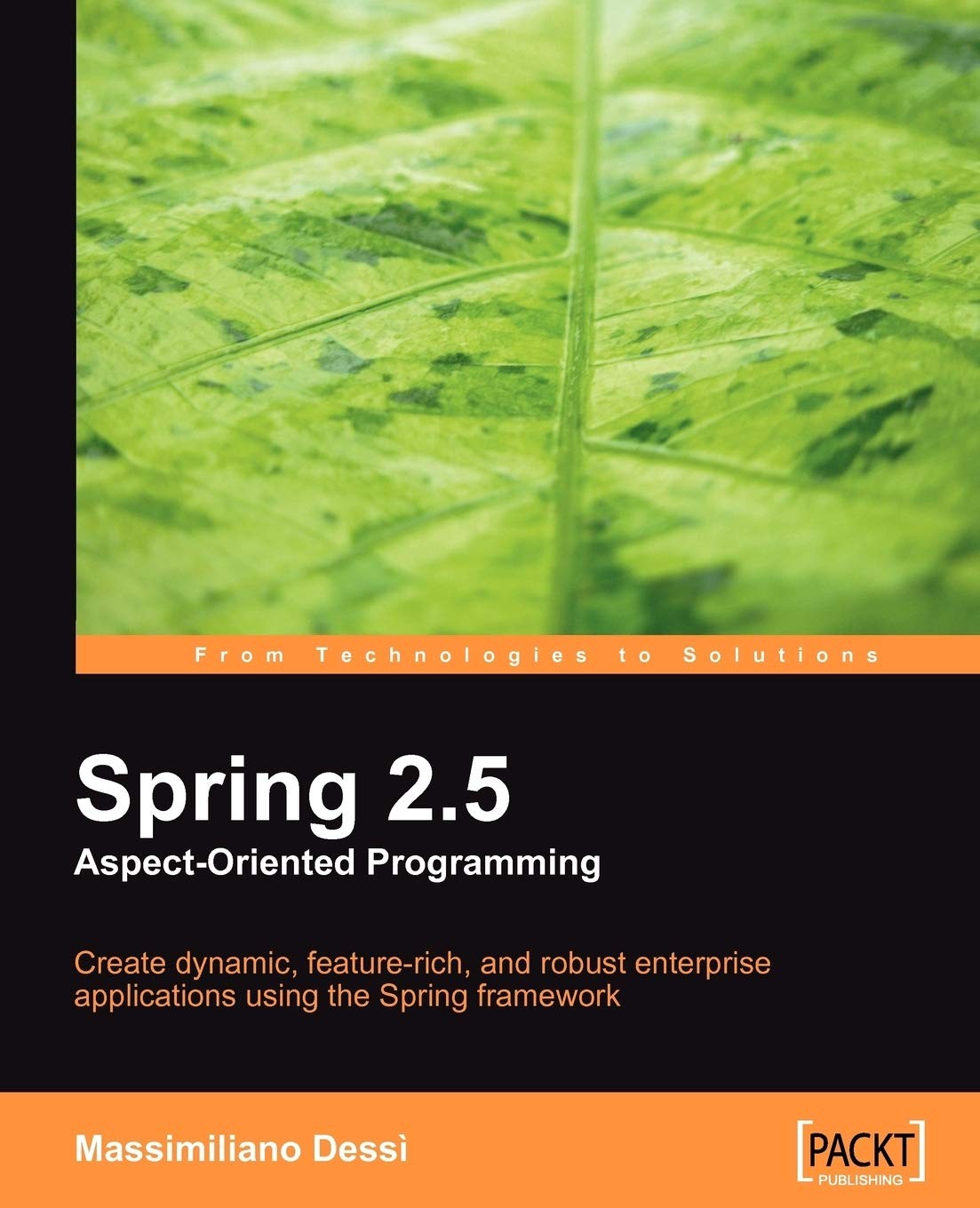
Spring 2.5 Aspect Oriented Programming (English, Massimiliano Dess� | Massimiliano Dessi)
Computer Science
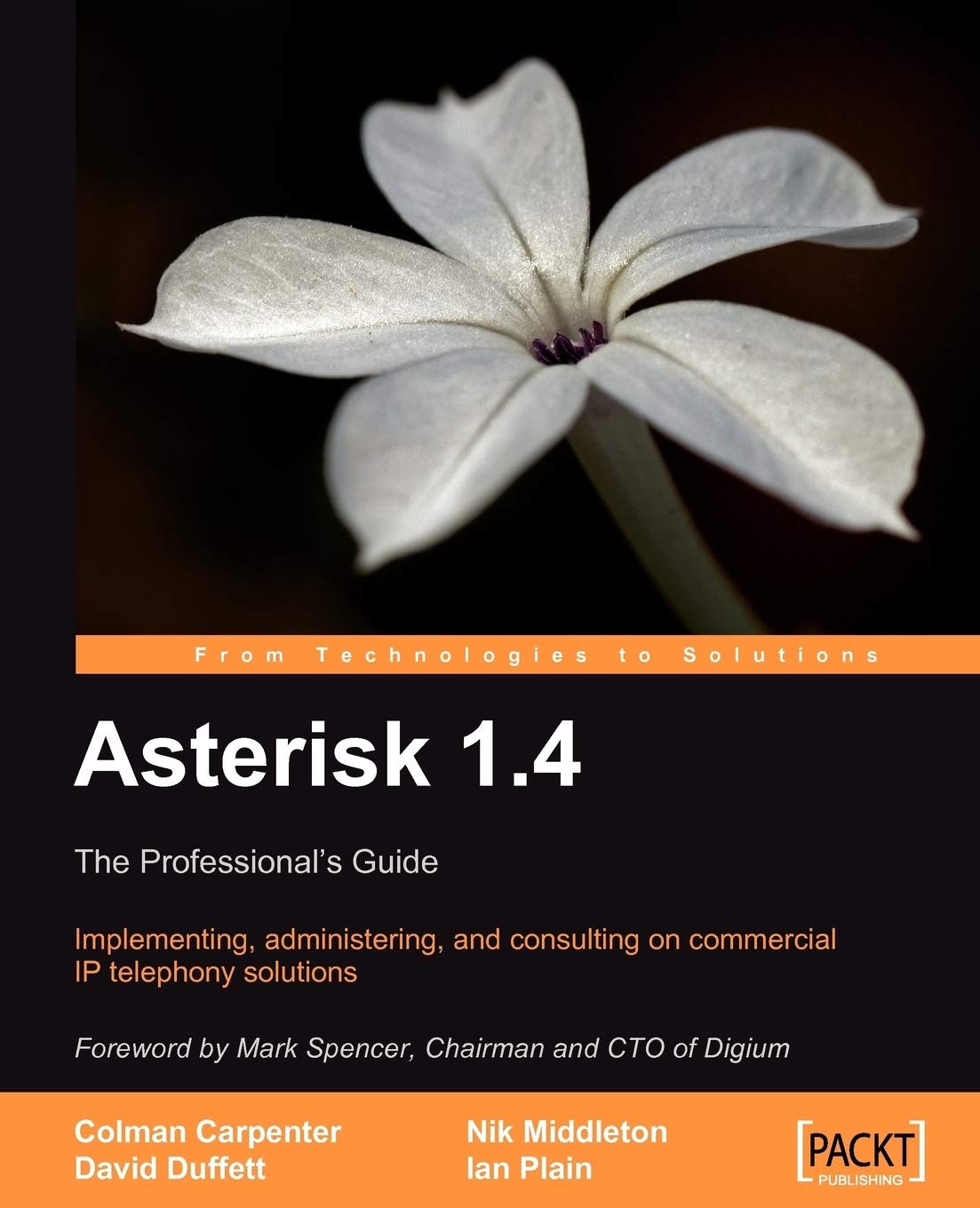
Asterisk 1.4 - the Professional's Guide (English, Colman Carpenter | David Duffett | Nik Middleton)
Computer Science
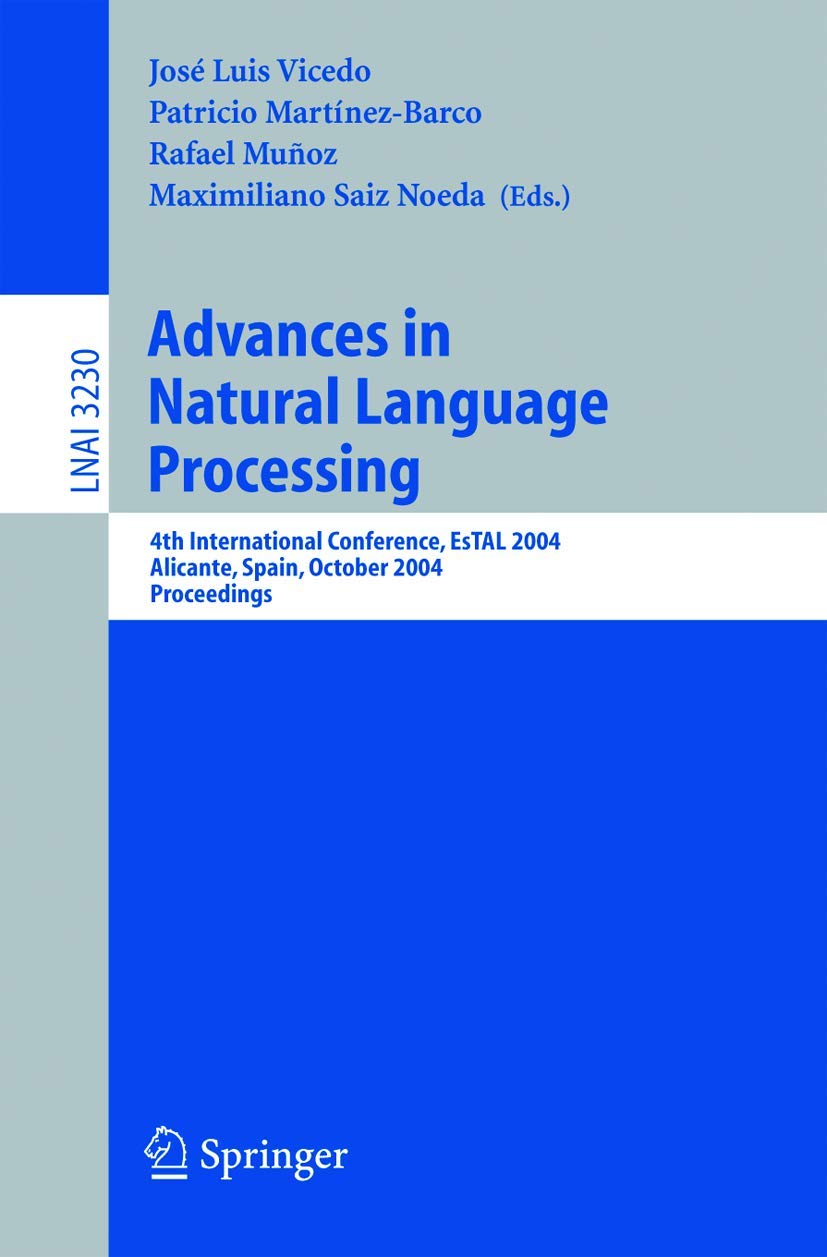
Advances In Natural Language Processing: 4th International Conference, Estal 2004, Alicante, Spain, October 20-22, 2004. Proceedings: 3230 (Lecture Notes in Computer Science)
Computer Science
Multimedia, Communication and Computing Application: Proceedings of the 2014 International Conference on Multimedia, Communication and Computing ... 2014), Xiamen, China, October 16-17, 2014
Computer Science
Cases on Database Technologies and Applications (Cases on Information Technology Series)
Computer Science
ASP.Net 3.5 Social Networking (English, Andrew Siemer)
Related Products
View AllComputer Science
Spring 2.5 Aspect Oriented Programming (English, Massimiliano Dess� | Massimiliano Dessi)
Computer Science
Asterisk 1.4 - the Professional's Guide (English, Colman Carpenter | David Duffett | Nik Middleton)
Computer Science
Advances In Natural Language Processing: 4th International Conference, Estal 2004, Alicante, Spain, October 20-22, 2004. Proceedings: 3230 (Lecture Notes in Computer Science)
Computer Science
Multimedia, Communication and Computing Application: Proceedings of the 2014 International Conference on Multimedia, Communication and Computing ... 2014), Xiamen, China, October 16-17, 2014
Computer Science
Cases on Database Technologies and Applications (Cases on Information Technology Series)
Computer Science