
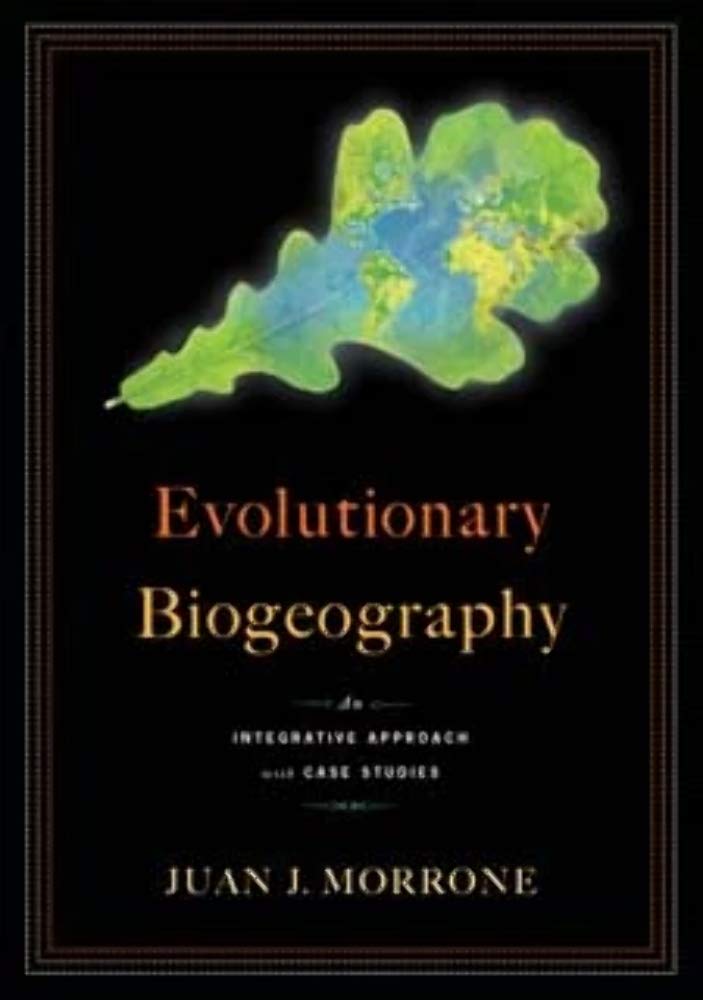
Evolutionary Biogeography: An Integrative Approach With Case Studies by Juan J. Morrone – A Comprehensive Guide for Indi
Inclusive of all applicable taxes. FREE shipping on all orders.
Available Offers
- 🚚Free Delivery — Free shipping on all orders
- 💵Cash on Delivery — Pay when your order arrives
- ↩️15-Day Easy Returns — Hassle-free return policy
- 🔒Cash on Delivery — Pay safely when your order arrives
Check Delivery
Product Description
Introduction
Evolutionary biogeography is a fascinating field that bridges the gap between the distribution of life on Earth and the historical processes that have shaped it. For students and researchers in India, where biodiversity hotspots like the Western Ghats and the Himalayas offer rich natural laboratories, understanding how species have evolved across space and time is both a scientific pursuit and a cultural necessity. Evolutionary Biogeography: An Integrative Approach With Case Studies by Juan Morrone offers a comprehensive and practical guide to this dynamic discipline. Published by Columbia University Press and available in a durable hardcover edition, this book is an essential resource for anyone serious about biogeography, ecology, or evolutionary biology.
Book Overview
This volume provides a unified framework for studying the historical changes that have produced current biotic patterns. Rather than treating different biogeographic methods as separate schools of thought, Juan Morrone masterfully integrates four key approaches: panbiogeography, parsimony analysis of endemicity, cladistic biogeography, and phylogeography. Each method is presented as a step in a sequential analysis, from identifying areas of endemism to reconstructing relationships among biotic components. The book is enriched with real-world case studies that demonstrate how distributional, phylogenetic, molecular, and fossil data can be combined to answer fundamental questions about the origins and movements of species. It is a perfect blend of theory and application, making complex concepts accessible to both graduate students and seasoned researchers.
Key Highlights
- Integrative Framework: Unites panbiogeography, cladistic biogeography, phylogeography, and parsimony analysis of endemicity into a single, coherent methodology.
- Practical Case Studies: Includes detailed examples from diverse regions, helping readers see how theory translates into real-world research.
- Data-Rich Approach: Emphasizes the use of molecular clocks, fossils, and phylogenetic trees to infer historical biogeographic events.
- Clear Structure: Organized logically from basic concepts to advanced analytical techniques, making it suitable for self-study or classroom use.
- Authoritative Source: Written by a leading expert in the field and published by Columbia University Press, ensuring high academic standards.
Inside the Book
The book begins with a solid foundation in the principles of biogeography, explaining why distribution patterns matter for understanding evolution. It then delves into each of the four main approaches, dedicating chapters to their theoretical underpinnings, analytical tools, and limitations. Readers will learn how to construct area cladograms, interpret molecular phylogenies, and apply parsimony analysis to endemicity data. The case studies are particularly valuable, covering topics such as the biogeography of South American mammals, the historical connections between tropical forests, and the role of plate tectonics in shaping modern biodiversity. Each chapter includes summary points, exercises, and references for further reading, making it a complete learning package.
Key Topics
- Panbiogeography and the concept of tracks and nodes
- Parsimony analysis of endemicity (PAE) for identifying areas of endemism
- Cladistic biogeography and the construction of general area cladograms
- Phylogeography and the use of molecular clocks
- Integrating fossil data with phylogenetic information
- Historical processes: vicariance, dispersal, and extinction
- Biogeographic regionalization and classification
- Case studies from tropical and temperate ecosystems
Reader Benefits
- Build Analytical Skills: Learn to apply quantitative methods to real biogeographic questions.
- Enhance Research: Gain a toolkit for designing studies that combine multiple data sources.
- Understand Biodiversity: Develop a deeper appreciation for how India’s unique biota has been shaped by geological and climatic history.
- Save Time: A single volume that covers the essential methods without needing to consult multiple textbooks.
- Stay Current: Reflects the latest integrative trends in biogeography, moving beyond outdated debates.
Learning Outcomes
By the end of this book, readers will be able to: identify areas of endemism using panbiogeographic and PAE methods; construct and interpret area cladograms; use molecular data to infer phylogeographic patterns; integrate fossil evidence into historical reconstructions; critically evaluate different biogeographic hypotheses; and design their own integrative biogeographic analyses. The book also prepares students for advanced research in conservation biology, systematics, and macroecology.
Who Should Read
- Graduate Students: In ecology, evolutionary biology, botany, zoology, and geography, especially those working on Indian biodiversity.
- Researchers and Faculty: Seeking a comprehensive reference for teaching or designing research projects.
- Conservation Biologists: Interested in understanding the historical factors behind species distributions for effective conservation planning.
- Amateur Naturalists: With a strong background in biology, looking to deepen their knowledge of biogeographic theory.
- Library Collections: Ideal for university libraries in India supporting life sciences and environmental studies programs.
About the Author
Juan J. Morrone is a highly respected biogeographer and professor at the National Autonomous University of Mexico (UNAM). With decades of experience in systematics and evolutionary biology, he has authored numerous influential papers and books on biogeographic theory. His work has helped shape the modern integrative approach to biogeography, emphasizing the importance of combining multiple lines of evidence. Morrone’s clear writing style and pedagogical focus make complex topics accessible to a wide audience.
About the Publisher
Columbia University Press is a prestigious academic publisher based in New York, known for its high-quality titles in the sciences, humanities, and social sciences. With a history spanning over a century, it has been a trusted source for scholarly works that advance knowledge and education. This hardcover edition reflects their commitment to durable, well-produced books that stand the test of time in libraries and personal collections.
Conclusion
Evolutionary Biogeography: An Integrative Approach With Case Studies is more than a textbook—it is a roadmap for understanding the history of life on Earth. For Indian students and researchers, it offers the tools to explore the rich biogeographic patterns of our own subcontinent while engaging with global scientific debates. Whether you are beginning your journey in biogeography or looking to refine your analytical skills, this book is an invaluable addition to your shelf. Order your hardcover copy from Bookshops.in today and take a decisive step toward mastering the integrative study of life’s distribution.
Quick Summary
Evolutionary Biogeography: An Integrative Approach With Case Studies by Juan J. Morrone is a seminal textbook that unifies the four major schools of evolutionary biogeography—panbiogeography, parsimony analysis of endemicity, cladistic biogeography, and phylogeography—into a coherent analytical framework. Rather than treating them as competing paradigms, Morrone shows how each method addresses specific questions in the stepwise process of understanding historical biotic patterns. The book is richly illustrated with case studies that demonstrate the application of each approach using distributional, phylogenetic, molecular, and fossil data. Targeted at postgraduate students and researchers in evolutionary biology, ecology, and conservation, it provides both theoretical foundations and practical analytical tools. Indian readers will find the concepts directly applicable to studying the subcontinent’s unique biogeographic history. By purchasing from Bookshops.in, customers receive a genuine hardcover edition with fast delivery across India, making this essential reference accessible to the academic community.
Book Highlights
Book Specifications
| ISBN-13 | 9780231143783 |
| ISBN-10 | 0231143788 |
| Publisher | Columbia Univ Pr |
| Language | English |
| Dimensions | 25.98 x 17.75 x 2.31 cm |
| Weight | 953 g |
| Country | USA |
| Category | Biology & Life Sciences › Biology |
| Genre | Non-fiction |
| Reading Age | 18+ |
| Original Language | English |
Frequently Asked Questions
What is evolutionary biogeography?
Who is the author of this book?
What are the four main approaches covered?
Is this book suitable for Indian students?
Does the book include case studies?
What data types are used in the analyses?
Is prior knowledge of biogeography required?
Is the book available in hardcover?
What is the ISBN?
Can I use this book for self-study?
Does the book compare different biogeographic schools?
What is the price of the book?
Why should I buy from Bookshops.in?
Readers Also Search For
Customers Also Bought
Mathematics
Stereotype Spaces and Algebras: 73 (De Gruyter Expositions in Mathematics, 73)
Mathematics
Semigroups in Algebra, Geometry and Analysis: 20 (De Gruyter Expositions in Mathematics, 20)
Mathematics
Geometry from the Pacific Rim: Proceedings of the Pacific Rim Geometry Conference held at National University of Singapore, Republic of Singapore, ... 1994 (De Gruyter Proceedings in Mathematics)
Mathematics
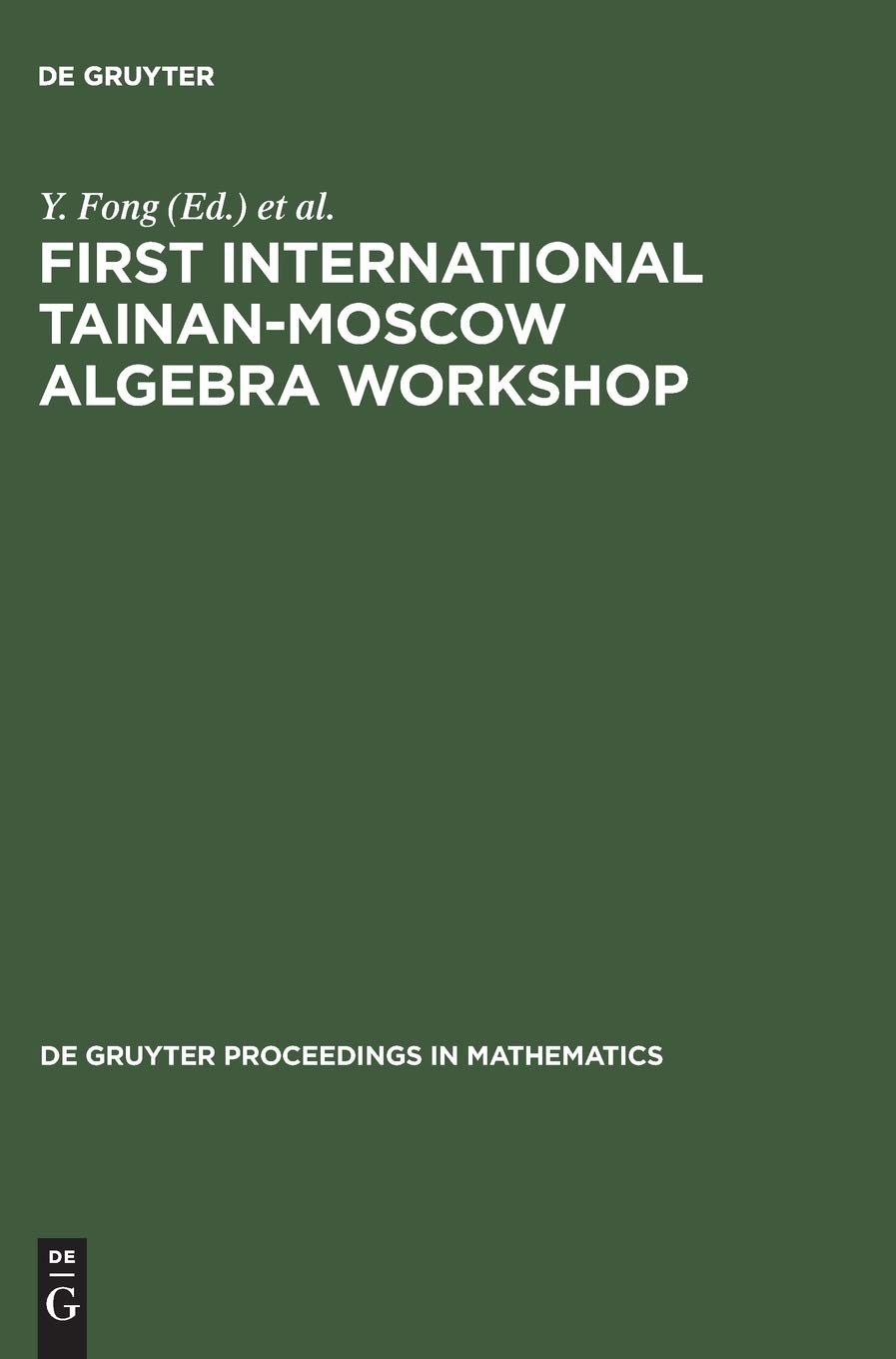
First International Tainan-Moscow Algebra Workshop: Proceedings of the International Conference held at National Cheng Kung University Tainan, Taiwan, ... 1994 (De Gruyter Proceedings in Mathematics)
Mathematics
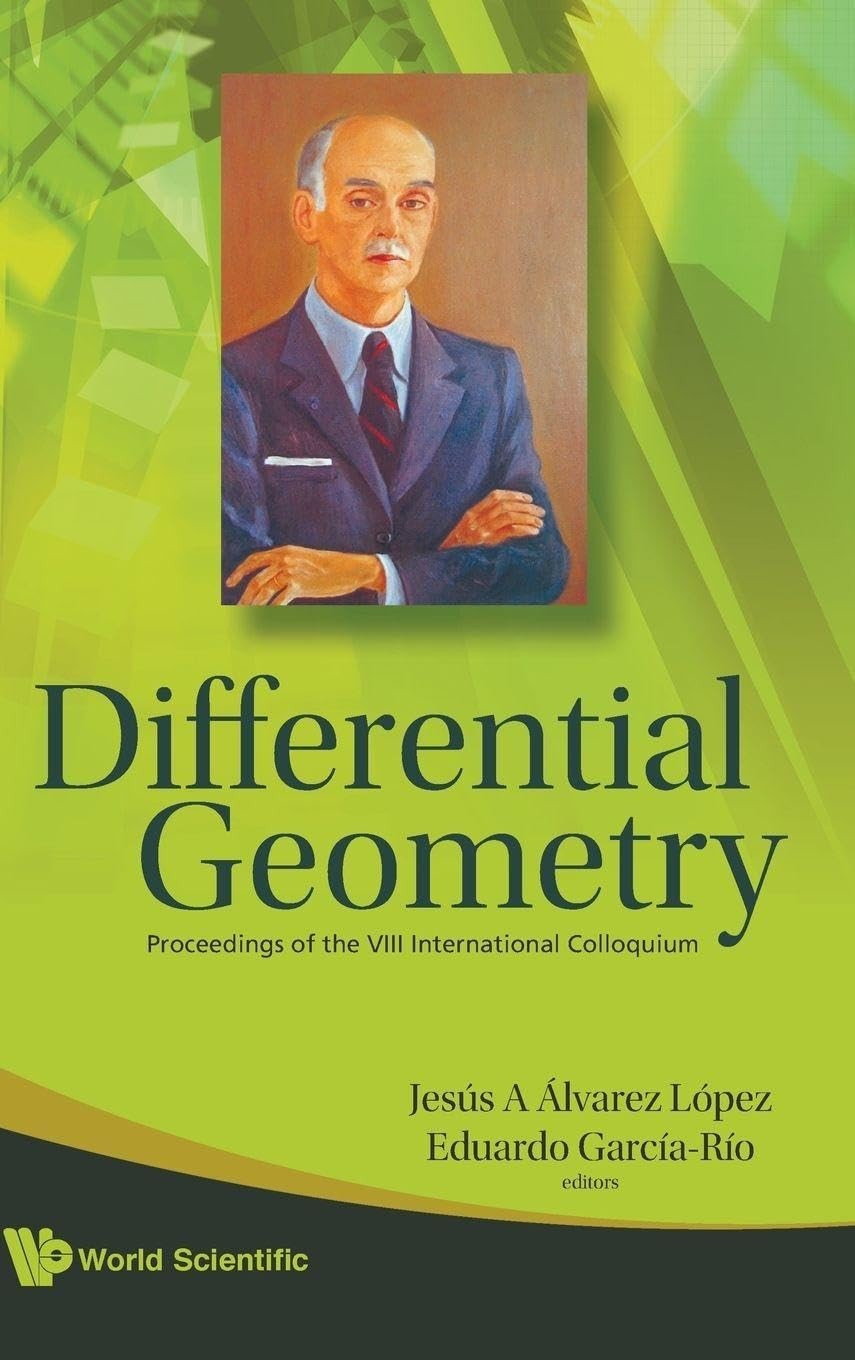
Differential Geometry - Proceedings of the VIII International Colloquium (English, Jesus A. Alvarez Lopez | Eduardo Garcia-Rio)
Mathematics
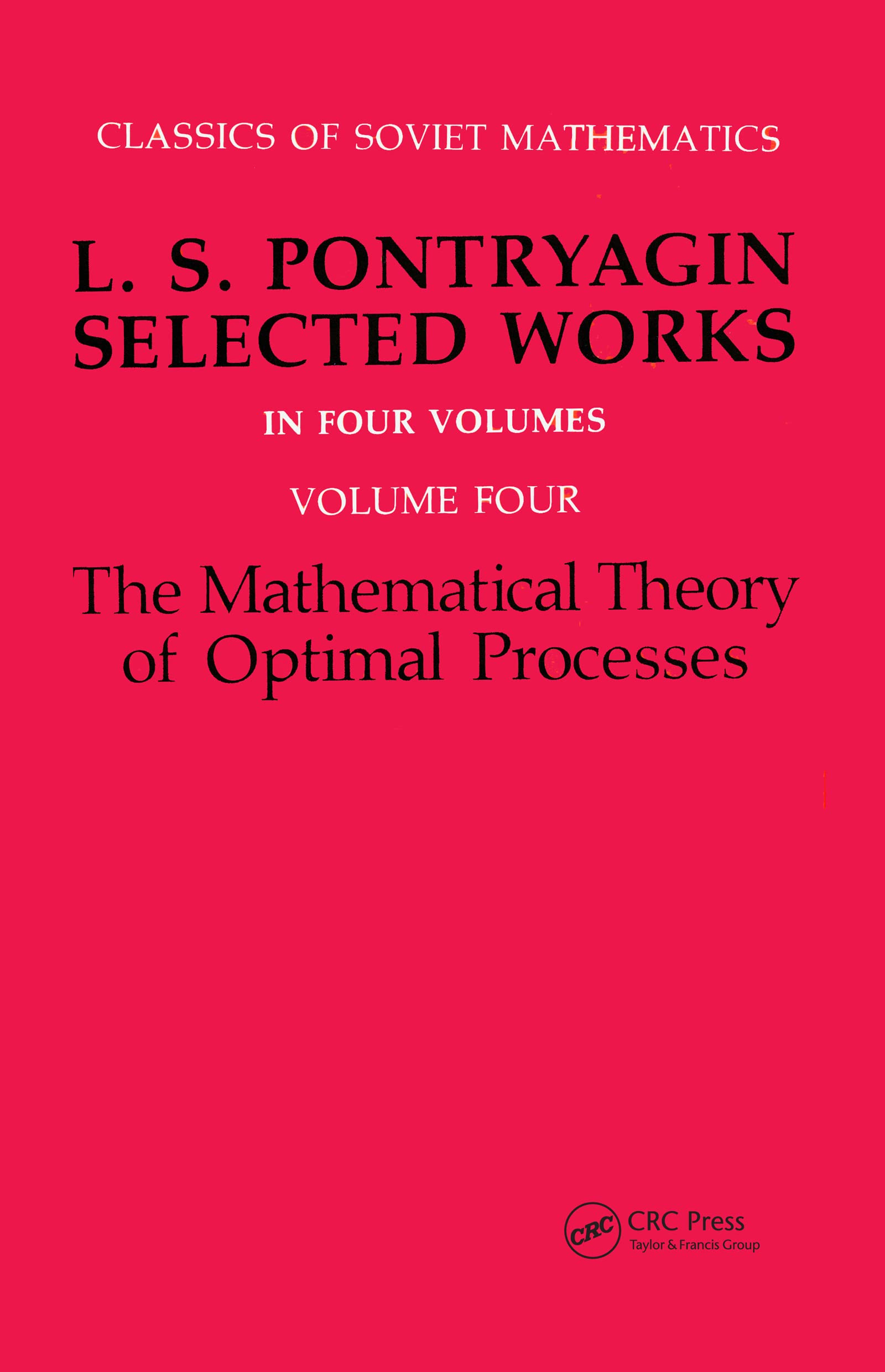
Mathematical Theory of Optimal Processes (Classics of Soviet Mathematics)
Related Products
View All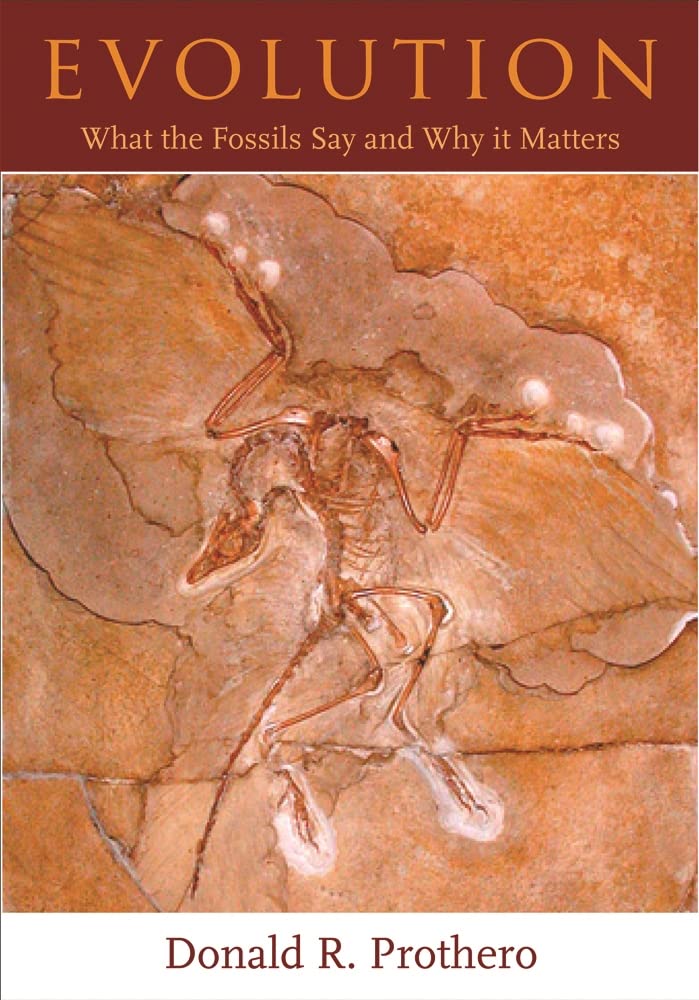
Biology
Evolution: What the Fossils Say and Why It Matters by Donald R. Prothero
Biology
From Taxonomy to Phylogenetics – Life and Work of Willi Hennig
Biology
The Marine Biology of the South China Sea
Biology
Genetics Meets Metabolomics: from Experiment to Systems Biology
Biology
The Elements of Natural or Experimental Philosophy: 2
Biology