
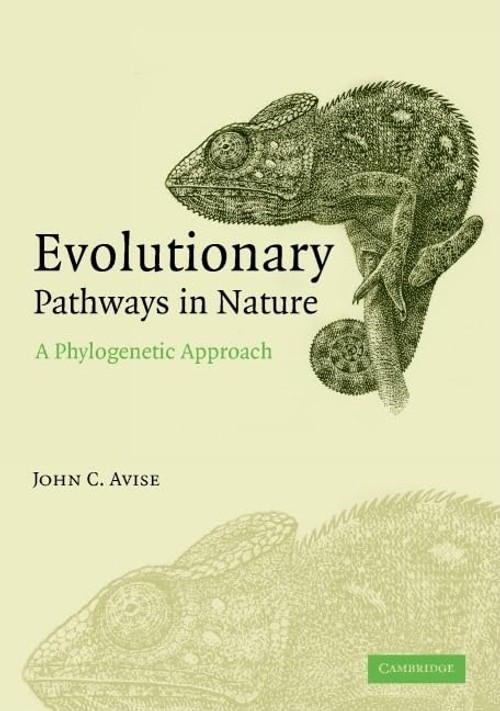
Evolutionary Pathways in Nature: A Phylogenetic Approach by John C. Avise – Understanding Molecular Phylogenies and Natu
Inclusive of all applicable taxes. FREE shipping on all orders.
Available Offers
- 🚚Free Delivery — Free shipping on all orders
- 💵Cash on Delivery — Pay when your order arrives
- ↩️15-Day Easy Returns — Hassle-free return policy
- 🔒Cash on Delivery — Pay safely when your order arrives
Check Delivery
Product Description
Introduction
Evolutionary biology has entered an era where DNA sequences unlock the deepest secrets of life's history. In Evolutionary Pathways in Nature: A Phylogenetic Approach, celebrated geneticist John C. Avise offers a masterful guide to understanding how molecular phylogenies illuminate the origins of countless biological traits. This hardcover edition from Cambridge University Press is an essential companion for Indian students, researchers, and nature enthusiasts who wish to explore the marvels of biodiversity through a modern, evidence-based lens.
Book Overview
This book bridges the gap between molecular genetics and classical natural history. Avise demonstrates how phylogenetic trees—built from DNA data—serve as a framework to interpret the evolution of anatomical structures, behaviours, ecological adaptations, physiological processes, and even geographical distributions. Rather than focusing solely on theory, the author takes readers on a vivid tour across dozens of evolutionary pathways, from microbes to elephants, revealing how each species arrived at its current form. The text is rich with real-world examples, making complex concepts accessible to both beginners and seasoned biologists.
Key Highlights
- Molecular Phylogenies in Action: Learn how DNA sequences reconstruct evolutionary relationships with unprecedented accuracy.
- Fascinating Case Studies: Discover why the toucan developed its oversized bill, how reptiles regenerate lost limbs, and why Arctic fish resist freezing.
- Interdisciplinary Approach: Connects genetics with anatomy, ecology, behaviour, and biogeography.
- Indian Context Relevance: Examples from tropical ecosystems and diverse fauna resonate with Indian biodiversity.
- Authoritative Source: Written by a pioneer in molecular ecology and evolutionary genetics.
Inside the Book
The book is structured around phylogenetic principles, guiding readers step-by-step from basic tree-building methods to advanced interpretations. Each chapter focuses on a specific trait or group of organisms, using clear diagrams and explanatory text. Topics include the evolution of coloration, mating systems, feeding adaptations, and sensory organs. Avise also addresses common misconceptions about evolution, providing a rigorous yet engaging narrative. The hardcover format ensures durability for frequent reference in classrooms or field stations.
Key Topics
- Principles of phylogenetic reconstruction using molecular data
- Evolution of morphological traits across animal lineages
- Adaptive radiation and convergent evolution
- Genetic basis of developmental plasticity
- Biogeographical patterns and historical contingency
- Case studies: toucan bills, limb regeneration, antifreeze proteins
- Phylogenetic comparative methods for testing evolutionary hypotheses
Reader Benefits
- Conceptual Clarity: Complex evolutionary ideas are explained with relatable examples and minimal jargon.
- Practical Skills: Build understanding of how to read and interpret phylogenetic trees.
- Inspiration for Research: Sparks curiosity for further exploration in molecular ecology, conservation genetics, and evolutionary developmental biology.
- Exam-Ready Knowledge: Ideal for Indian university courses in evolutionary biology, zoology, and genetics.
- Engaging Narratives: Stories from nature make learning enjoyable and memorable.
Learning Outcomes
- Understand how DNA sequences revolutionise the study of evolution.
- Analyse the evolutionary origins of diverse biological traits.
- Apply phylogenetic thinking to interpret natural history observations.
- Critically evaluate evidence for adaptation and evolutionary constraints.
- Connect molecular data with ecological and behavioural phenomena.
Who Should Read
This book is ideal for undergraduate and postgraduate students in life sciences, especially those pursuing courses in evolutionary biology, genetics, zoology, or ecology. It also appeals to professional biologists seeking a refreshed perspective on phylogenetics. Indian readers with a passion for natural history, wildlife enthusiasts, and science educators will find it a valuable addition to their library. The clear writing style makes it accessible to anyone curious about how life on Earth diversified.
About the Author
John C. Avise is a distinguished professor of evolutionary biology and genetics at the University of California, Irvine. He is a member of the National Academy of Sciences and a pioneer in molecular phylogenetics and conservation genetics. Avise has authored numerous influential books and research papers, earning international recognition for his contributions to understanding the genetic basis of biodiversity. His work has shaped modern evolutionary thinking and inspired generations of biologists worldwide.
About the Publisher
Cambridge University Press is one of the world's oldest and most respected academic publishers. With a legacy spanning over four centuries, Cambridge publishes authoritative works across all scientific disciplines. This hardcover edition maintains the high editorial and production standards that students and researchers trust. The press is committed to advancing knowledge through rigorous peer review and global distribution, making seminal works like this available to readers in India and beyond.
Conclusion
Evolutionary Pathways in Nature: A Phylogenetic Approach is more than a textbook—it is an invitation to see the living world through the lens of molecular evolution. John Avise's engaging prose, coupled with stunning examples from nature, transforms abstract phylogenies into vivid stories of adaptation and survival. Whether you are a student preparing for exams, a teacher designing lectures, or a curious mind exploring biodiversity, this book will deepen your appreciation for the intricate pathways that shaped every creature on Earth. Add this hardcover gem to your collection and embark on a journey through the tree of life.
Quick Summary
Evolutionary Pathways in Nature: A Phylogenetic Approach by John C. Avise is a comprehensive exploration of how molecular phylogenies—family trees built from DNA sequences—serve as a genealogical framework for understanding the evolutionary history of diverse biological traits. The book takes readers on a natural history tour along dozens of evolutionary pathways, covering everything from microbes to elephants. It explains how anatomical, behavioral, ecological, physiological, biochemical, and geographical traits have evolved over time. Written by a renowned geneticist, this book is ideal for college students, professional biologists, and anyone passionate about natural history and biodiversity. It is packed with fascinating examples that illuminate evolutionary puzzles. Published by Cambridge University Press, this hardcover edition is a valuable addition to any biology library. Indian readers will find it especially useful for courses in evolutionary biology, genetics, and ecology. By purchasing from Bookshops.in, customers receive a genuine, high-quality print edition with reliable delivery across India.
Book Highlights
Book Specifications
| ISBN-13 | 9780521674171 |
| ISBN-10 | 0521674174 |
| Publisher | Cambridge University Press |
| Language | English |
| Dimensions | 17.4 x 1.73 x 24.69 cm |
| Weight | 614 g |
| Category | Biology & Life Sciences › Biology |
| Genre | Science & Mathematics |
| Original Language | English |
Frequently Asked Questions
What is the main topic of this book?
Who is the author?
Who should read this book?
Does the book cover only molecular biology?
Is this book suitable for Indian students?
What is the ISBN?
What format is this book?
Does the book include examples from India?
Is this book used in university courses?
What is the price in India?
Can I get this book from Bookshops.in?
Does the book have diagrams or illustrations?
Is the language easy to understand?
Readers Also Search For
Customers Also Bought

Mathematics
Stereotype Spaces and Algebras: 73 (De Gruyter Expositions in Mathematics, 73)

Mathematics
Semigroups in Algebra, Geometry and Analysis: 20 (De Gruyter Expositions in Mathematics, 20)

Mathematics
Geometry from the Pacific Rim: Proceedings of the Pacific Rim Geometry Conference held at National University of Singapore, Republic of Singapore, ... 1994 (De Gruyter Proceedings in Mathematics)

Mathematics
First International Tainan-Moscow Algebra Workshop: Proceedings of the International Conference held at National Cheng Kung University Tainan, Taiwan, ... 1994 (De Gruyter Proceedings in Mathematics)

Mathematics
Differential Geometry - Proceedings of the VIII International Colloquium (English, Jesus A. Alvarez Lopez | Eduardo Garcia-Rio)

Mathematics
Mathematical Theory of Optimal Processes (Classics of Soviet Mathematics)
Related Products
View All
Biology
Evolution: What the Fossils Say and Why It Matters by Donald R. Prothero
Biology
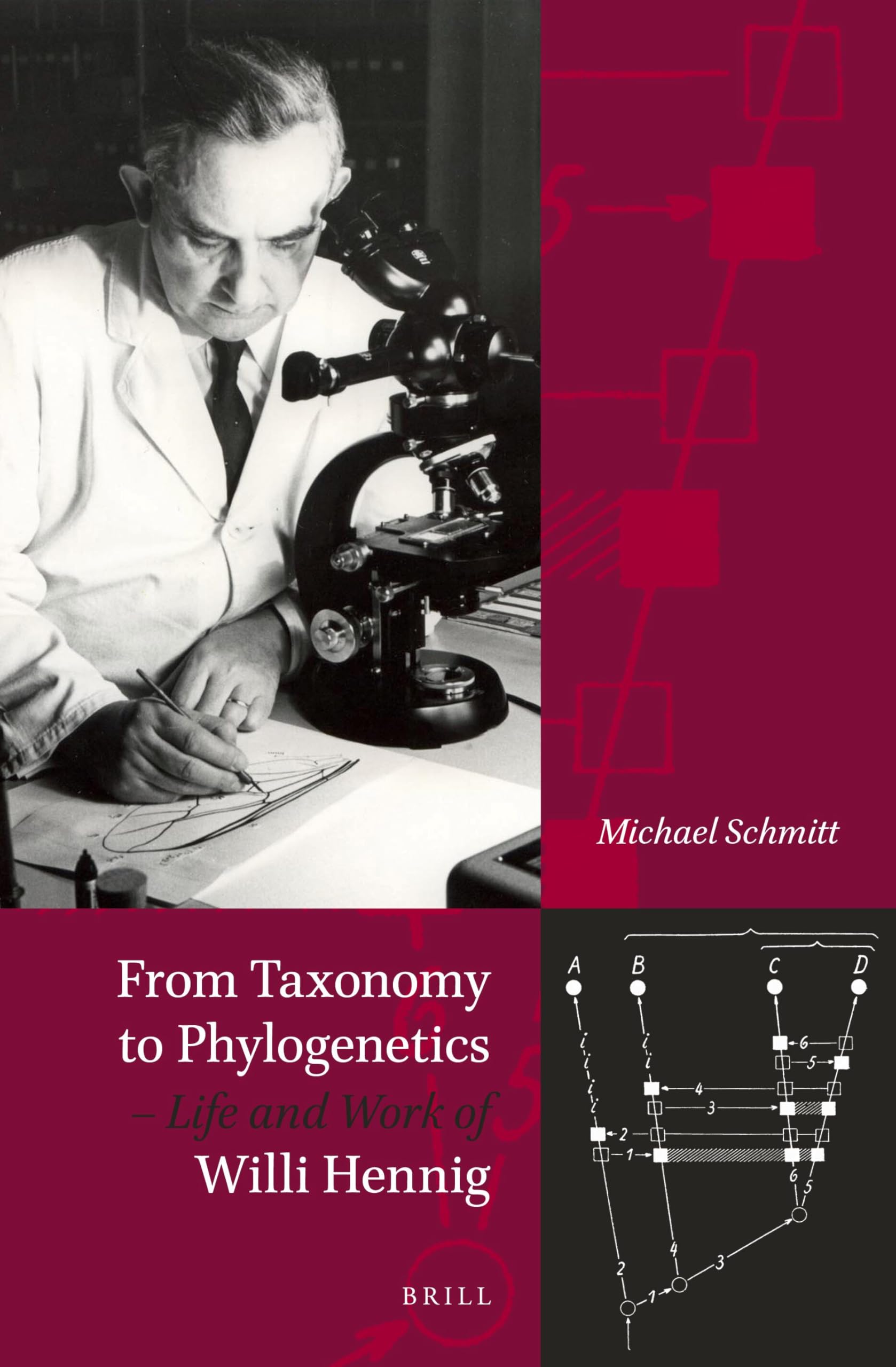
From Taxonomy to Phylogenetics – Life and Work of Willi Hennig

Biology
The Marine Biology of the South China Sea

Biology
Genetics Meets Metabolomics: from Experiment to Systems Biology

Biology
The Elements of Natural or Experimental Philosophy: 2

Biology