
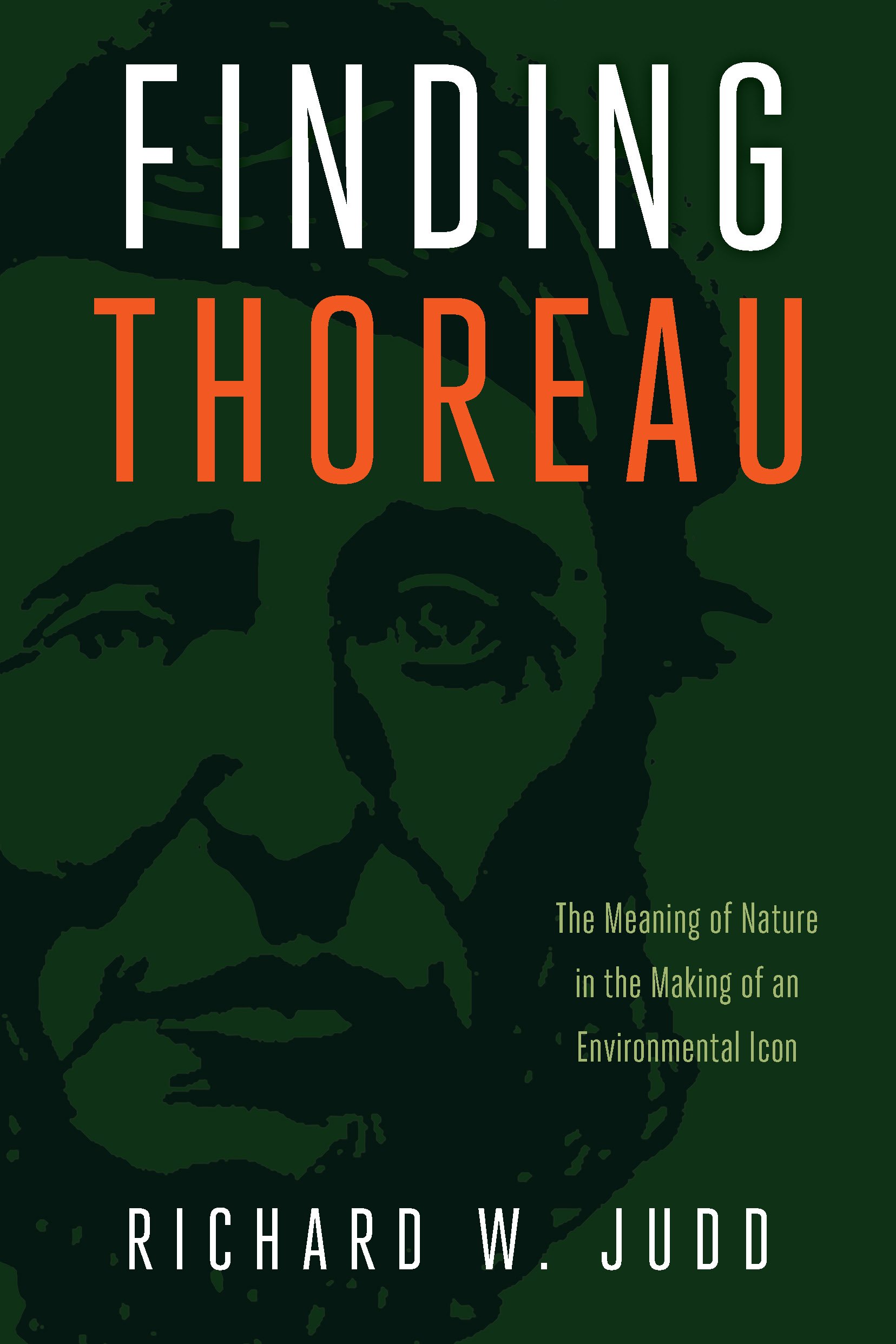
Finding Thoreau: The Meaning of Nature in the Making of an Environmental Icon by Richard W. Judd – A Scholarly Journey T
Inclusive of all applicable taxes. FREE shipping on all orders.
Available Offers
- 🚚Free Delivery — Free shipping on all orders
- 💵Cash on Delivery — Pay when your order arrives
- ↩️15-Day Easy Returns — Hassle-free return policy
- 🔒Cash on Delivery — Pay safely when your order arrives
Check Delivery
Product Description
Introduction
Henry David Thoreau's Walden is a cornerstone of environmental literature, but how did a solitary writer from Concord, Massachusetts, become a global symbol of nature conservation? In Finding Thoreau: The Meaning of Nature in the Making of an Environmental Icon, Richard W. Judd unravels the fascinating journey of Thoreau's posthumous rise from obscurity to iconic status. This meticulously researched hardcover from the University of Massachusetts Press offers Indian readers a fresh lens to understand the cultural forces that shape our relationship with the natural world. Whether you are a student of environmental studies, a literature enthusiast, or someone curious about the roots of ecological thought, this book provides a compelling narrative about how ideas of nature evolve over time.
Book Overview
Published by the University of Massachusetts Press, this hardcover edition traces the reception of Thoreau's work from his death in 1862 through the 1970s, when he became a household name among environmentalists. Judd moves decade by decade, uncovering a wealth of commentary from intellectuals, critics, and journalists to show how Americans continually redefined the organic world around them. The book is not merely a biography but a cultural history that reveals the dynamism inherent in the idea of nature itself. It tells the captivating story of one writer's rise from obscurity to fame through a cultural reappraisal of the work he left behind, making it an essential addition to any serious reader's library.
Key Highlights
- Cultural Evolution: Understand how Thoreau's image transformed from a minor transcendentalist to an environmental icon over a century.
- Decade-by-Decade Analysis: Each chapter examines a different period, revealing shifting intellectual, creative, and political forces that shaped environmental thought.
- Original Commentary: Draws on a cache of previously overlooked reviews, essays, and critical responses to Thoreau's work.
- Relevance to India: Offers parallels to India's own environmental movements and thinkers, making it a valuable resource for comparative studies.
- Scholarly yet Accessible: Written in clear, engaging prose suitable for both academic and general readers.
Inside the Book
Judd structures the book as a chronological journey. The early chapters explore the immediate posthumous neglect of Thoreau's writings, followed by a revival in the late nineteenth century when naturalists began to champion his observations. The twentieth century saw Thoreau embraced by the burgeoning conservation movement, then by countercultural environmentalists in the 1960s and 1970s. Each chapter integrates primary sources such as letters, newspaper articles, and literary critiques, allowing readers to witness the transformation of public opinion firsthand. The book also examines how Thoreau's ideas about simplicity, self-reliance, and wildness resonated with different generations, providing a mirror to changing American attitudes toward nature.
Key Topics
- The reception history of Thoreau's major works, including Walden and Civil Disobedience
- The role of literary critics, editors, and publishers in shaping Thoreau's legacy
- The intersection of environmentalism with social and political movements
- How concepts of 'wilderness' and 'nature' have been culturally constructed over time
- The influence of Thoreau on Indian environmental thinkers like Mahatma Gandhi and Sunderlal Bahuguna
- The commercialization of Thoreau's image in popular culture
Reader Benefits
This book offers more than historical insight. Indian readers will gain a deeper appreciation for how environmental icons are made and the cultural work they perform. It helps contextualize contemporary ecological debates in India, from the Chipko movement to urban conservation efforts. Students will find a model for how to trace the reception of a writer across different eras, while general readers will enjoy a well-told story of fame, forgetting, and rediscovery. The hardcover edition is a durable, collectible volume that will enrich any personal library.
Learning Outcomes
By reading this book, you will learn to identify the key phases in Thoreau's reception history, understand the interplay between literature and environmental activism, and critically evaluate how cultural icons are constructed. You will also gain tools to analyze how ideas about nature are shaped by historical context—a skill applicable to studying Indian environmental literature and movements. The book encourages readers to question why certain voices become influential and what that tells us about our own relationship with the natural world.
Who Should Read
Finding Thoreau is ideal for undergraduate and postgraduate students in environmental studies, American literature, cultural history, and philosophy. It is also highly recommended for Indian scholars working on comparative environmental thought, as well as for nature writers, journalists, and activists seeking a deeper understanding of their intellectual heritage. Anyone who has ever wondered why Thoreau matters today will find this book a rewarding and illuminating read.
About the Author
Richard W. Judd is a professor of history at the University of Maine, where he specializes in environmental history and the history of American thought. He has written extensively on the cultural dimensions of nature, including works on the history of forestry and the meaning of wilderness. His scholarship is known for its nuanced treatment of how ordinary people and intellectuals alike have shaped our understanding of the environment. In this book, Judd brings his expertise to bear on one of America's most enduring literary figures, offering fresh perspectives that challenge conventional narratives.
About the Publisher
The University of Massachusetts Press is a distinguished academic publisher known for its contributions to American history, literature, and environmental studies. With a commitment to rigorous scholarship and accessible writing, the press has published works that define fields and influence public discourse. This hardcover edition reflects their dedication to producing high-quality books that stand the test of time. For Indian readers, the press's catalog offers a gateway to understanding American intellectual traditions through a critical, historical lens.
Conclusion
Finding Thoreau: The Meaning of Nature in the Making of an Environmental Icon is more than a study of one man's legacy—it is a profound exploration of how cultures create their heroes and how those heroes, in turn, shape our perception of the world. Richard W. Judd's decade-by-decade excavation of Thoreau's reception reveals the shifting sands of environmental thought and invites us to reflect on our own place in nature. For Indian readers, this book offers a valuable comparative perspective, reminding us that the stories we tell about nature are never static but always evolving. Order your hardcover copy from Bookshops.in today and embark on a journey through the making of an icon.
Quick Summary
Finding Thoreau: The Meaning of Nature in the Making of an Environmental Icon by Richard W. Judd is a compelling cultural history that traces how Henry David Thoreau evolved from a relatively obscure writer into a globally recognized symbol of environmentalism. Through a decade-by-decade analysis of commentary from intellectuals, critics, and journalists, Judd reveals the dynamic ways Americans have defined and redefined nature over more than a century. This book is ideal for students and scholars of environmental history, American literature, and cultural studies, as well as anyone curious about the roots of modern ecological consciousness. Readers will learn how literary figures shape public understanding of nature and how historical context influences environmental movements. By purchasing this hardcover edition from Bookshops.in, Indian readers gain access to a meticulously researched work that enriches their perspective on global environmental thought. The book is a valuable addition to any academic library or personal collection, offering insights that remain deeply relevant in today's era of climate change and ecological awareness.
Book Highlights
Book Specifications
| ISBN-13 | 9781625343895 |
| ISBN-10 | 1625343892 |
| Publisher | University of Massachusetts Press |
| Language | English |
| Dimensions | 15.24 x 2.03 x 22.86 cm |
| Weight | 363 g |
| Category | Literature › North American Literature Textbooks |
| Genre | Nonfiction |
| Reading Age | Adult |
| Original Language | English |
Frequently Asked Questions
What is Finding Thoreau about?
Who is the author of Finding Thoreau?
Is this book suitable for Indian readers?
What is the ISBN for Finding Thoreau?
Is this book available in hardcover?
Can I use this book for academic research?
Does the book cover Thoreau's own writings?
What is the price of Finding Thoreau on Bookshops.in?
Is this book part of a series?
What language is the book in?
Who should buy this book?
Does this book include illustrations?
Why buy from Bookshops.in?
Readers Also Search For
Customers Also Bought

de Gruyter Mouton
Regional Development (English, John H. Cumberland)

British Archaeological Reports Oxford Ltd
Copies of the Fel Temp Reparatio Coinage in Britain | by R. J. Brickstock | British Archaeological Reports Oxford Ltd | by R. J. Brickstock | British Archaeological Reports Oxford Ltd | by R. J. Brickstock | British Archaeological Reports Oxford Ltd | by R. J. Brickstock | British Archaeological Reports Oxford Ltd | by R. J. Brickstock | British Archaeological Reports Oxford Ltd | by R. J. Brickstock | British Archaeological Reports Oxford Ltd | by R. J. Brickstock | British Archaeological Repor

de Gruyter
Baby - Cutter (English, Gerhard Strau | Heidrun Kamper-Jensen | Isolde Nortmeyer)

de Gruyter Mouton
Stratégies Et Choix Dans La Recherche (English, G. Lemaine | M. Clémençon | A. Gomis)

de Gruyter
Register (English, Max Ebert)

Atheneum Books
Ghost | by Jason Reynolds | Atheneum Books | by Jason Reynolds | Atheneum Books | by Jason Reynolds | Atheneum Books | by Jason Reynolds | Atheneum Books | by Jason Reynolds | Atheneum Books | by Jason Reynolds | Atheneum Books | by Jason Reynolds | Atheneum Books | by Jason Reynolds | Atheneum Books | by Jason Reynolds | Atheneum Books | by Jason Reynolds | Atheneum Books | by Jason Reynolds | Atheneum Books | by Jason Reynolds | Atheneum Books | by Jason Reynolds | Atheneum Books | by Jason Re
Related Products
View All
University of Massachusetts Press
The Hidden Force | by L. Couperus | Alexander Teixeira De Mattos | E. M. Beekman | University of Massachusetts Press | by L. Couperus | Alexander Teixeira De Mattos | E. M. Beekman | University of Massachusetts Press | by L. Couperus | Alexander Teixeira De Mattos | E. M. Beekman | University of Massachusetts Press | by L. Couperus | Alexander Teixeira De Mattos | E. M. Beekman | University of Massachusetts Press | by L. Couperus | Alexander Teixeira De Mattos | E. M. Beekman | University of Mas

University of Massachusetts Press
What Middletown Read (English, Frank Felsenstein | James J. Connolly)

University of Massachusetts Press
We Gotta Get Out of This Place (English, Doug Bradley | Craig Werner)

University of Massachusetts Press
The Sarajevo Olympics (English, Jason Vuic)

University of Massachusetts Press
The Riot Report and the News (English, Thomas J. Hrach)
University of Massachusetts Press