
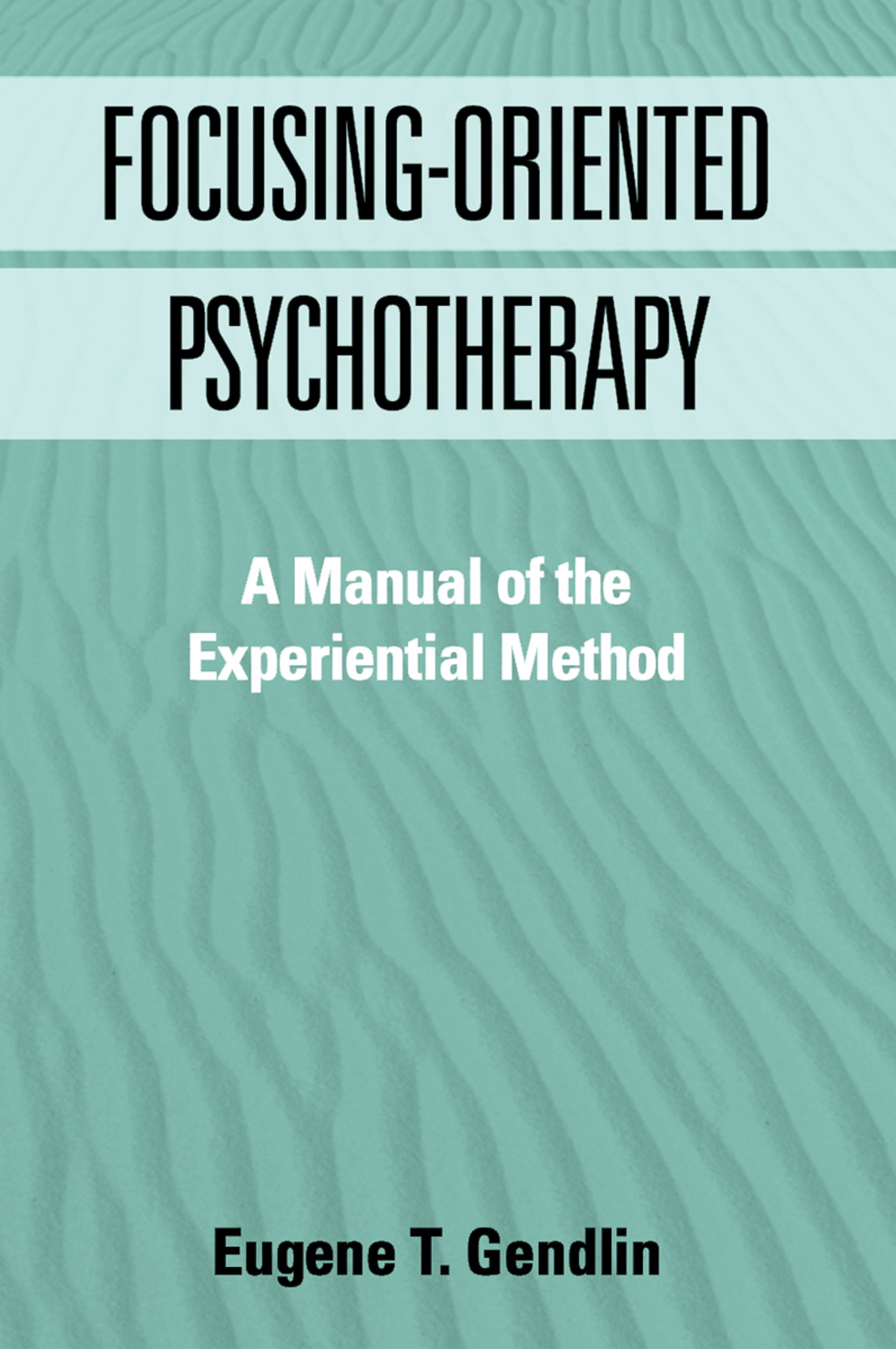
Focusing-Oriented Psychotherapy: A Manual of the Experiential Method by Eugene T. Gendlin – A Comprehensive Guide for Th
Inclusive of all applicable taxes. FREE shipping on all orders.
Available Offers
- 🚚Free Delivery — Free shipping on all orders
- 💵Cash on Delivery — Pay when your order arrives
- ↩️15-Day Easy Returns — Hassle-free return policy
- 🔒Cash on Delivery — Pay safely when your order arrives
Check Delivery
Product Description
Introduction
In the vast landscape of psychotherapy, few works have dared to center the client’s lived, bodily experience as the primary engine of therapeutic change. Eugene T. Gendlin’s Focusing-Oriented Psychotherapy: A Manual of the Experiential Method does exactly that — offering a groundbreaking approach that respects the subtle, often overlooked wisdom of the body. For Indian readers, students, and practitioners navigating the complexities of mental health care, this book provides a deeply human, relational, and practical framework that transcends theoretical boundaries.
Book Overview
First published by Guilford Publications, this hardcover volume is a comprehensive manual for therapists who wish to integrate Gendlin’s experiential method into their practice. Rather than prescribing a rigid technique, the book demonstrates how to help clients access a direct, bodily felt sense — what Gendlin calls “focusing.” Through detailed transcripts of real therapy sessions, the author shows exactly where therapeutic movement occurs and how the therapist’s responses can either support or hinder that process. The method is adaptable to any therapeutic orientation, making it a versatile resource for psychologists, counsellors, and social workers across India and beyond.
Key Highlights
- Session Transcripts: Real client-therapist dialogues are dissected line by line, revealing the precise moments of experiential shift.
- Bodily Felt Sense: A core concept that goes beyond emotion, focusing on the body’s implicit knowing of a situation.
- Relational Therapy: Shows how therapist responses can transform client difficulties into moments of deep connection.
- Cross-Orientation Applicability: Whether you practice CBT, psychodynamic, or humanistic therapy, the method integrates seamlessly.
Inside the Book
The book is structured to guide the reader from foundational concepts to advanced clinical applications. Gendlin begins by explaining what focusing is and why it matters, then moves into specific areas: bodily energy, action patterns, habits, behavior change, traumatic memories, imagery, catharsis, emotions, cognitive assumptions, values, super-ego messages, dreams, role-play, interpretation, and client-therapist interaction. Each chapter is rich with clinical vignettes that illustrate how to invite the client’s inward experiencing without imposing the therapist’s agenda. The final chapters address how to handle impasses and deepen the therapeutic relationship.
Key Topics
- Bodily felt sense and its role in healing
- The six movements of focusing
- Working with trauma and memory through the body
- Emotion, catharsis, and the body’s wisdom
- Dream work from an experiential perspective
- Role-play and interpretation as relational tools
- Super-ego messages and value exploration
Reader Benefits
- Practical Skills: Learn to identify and respond to moments of therapeutic movement in real time.
- Deepened Empathy: Understand how to respect and follow whatever arises inwardly in the client.
- Enhanced Effectiveness: Especially useful when nothing seems to be working with a client.
- Flexible Application: Adapt the method to your own theoretical orientation without losing its essence.
Learning Outcomes
By the end of this book, readers will be able to: recognize the client’s bodily felt sense as a gateway to change; use specific verbal responses that invite deeper experiencing; turn therapeutic impasses into opportunities for relational healing; and apply focusing principles to a wide range of clinical issues including trauma, anxiety, depression, and personality disorders. The experiential method also enhances the therapist’s own self-awareness and presence.
Who Should Read
This book is essential for practising psychotherapists, clinical psychologists, counsellors, social workers, and mental health students. It is also valuable for psychiatric nurses, life coaches, and anyone interested in the intersection of body and mind in healing. Indian readers in training programs or those already in practice will find the method culturally adaptable, as it emphasizes respectful listening and honoring the client’s inner world — values that resonate deeply with Indian therapeutic traditions.
About the Author
Eugene T. Gendlin (1926–2017) was a distinguished American philosopher and psychologist who studied under Carl Rogers at the University of Chicago. He is best known for developing focusing, a practice that grew from his research on what makes therapy effective. Gendlin’s work bridges phenomenology, experiential psychology, and psychotherapy, and his insights have influenced countless therapists worldwide. He was a professor at the University of Chicago and the founder of The Focusing Institute.
About the Publisher
Guilford Publications is a leading independent publisher of books in psychology, psychiatry, and the social sciences. Based in New York, Guilford is known for producing high-quality, evidence-based resources for mental health professionals. Their titles are widely used in academic programs and clinical training across the globe, including in India, where their publications are valued for their depth and practical utility.
Conclusion
Focusing-Oriented Psychotherapy is not just a manual — it is an invitation to practice therapy with greater sensitivity, presence, and effectiveness. Eugene Gendlin’s experiential method honors the body’s intelligence and the client’s unique journey, making it a timeless resource for anyone committed to genuine healing. Whether you are a seasoned clinician or a student taking your first steps, this book will transform how you understand and facilitate therapeutic change. Add it to your library and discover the power of the felt sense.
Quick Summary
Focusing-Oriented Psychotherapy: A Manual of the Experiential Method by Eugene T. Gendlin is a seminal work that bridges the gap between verbal therapy and bodily experience. Written for therapists, counselors, and psychology students, this book offers a step-by-step guide to using the client's bodily felt sense as a compass for therapeutic change. Gendlin provides detailed analyses of client statements and therapist responses from actual sessions, showing exactly where movement occurs and how the therapist can facilitate it. The book covers a wide range of topics including traumatic memories, emotions, cognitive assumptions, dreams, role-play, and client-therapist interaction. What sets this manual apart is its practical applicability across all therapeutic orientations—whether you practice psychodynamic, cognitive-behavioral, or humanistic therapy, the experiential method can enhance your work. Readers will learn to recognize and respond to the subtle bodily signals that indicate deeper emotional processing, helping clients who feel stuck or disconnected. By purchasing from Bookshops.in, Indian readers receive an authentic hardcover edition with fast delivery and reliable customer service.
Book Highlights
Book Specifications
| ISBN-13 | 9780898624793 |
| ISBN-10 | 0898624797 |
| Publisher | Guilford Press |
| Language | English |
| Dimensions | 16.51 x 3.18 x 24.13 cm |
| Weight | 684 g |
| Category | Clinical › Mental Health |
| Genre | Nonfiction |
| Reading Age | Adult |
| Original Language | English |
Frequently Asked Questions
What is Focusing-Oriented Psychotherapy?
Who is Eugene T. Gendlin?
Is this book suitable for beginners?
Does the book include practical techniques?
Can this method be used with other therapies?
What types of issues does the book address?
Is there a focus on body-based work?
What is the ISBN of this book?
Is the book available in India?
Can this book help with trauma therapy?
Does the book include transcripts?
What makes this book different from other therapy manuals?
Is this book used in academic courses?
Readers Also Search For
Customers Also Bought
Mental Health
Physical Activity and Mental Health by Angela Clow – Sports Psychology
Mental Health
Combat-Related Traumatic Brain Injury and PTSD by Cheryl Lawhorne-Scott
Mental Health
Sex and Gender: The Development of Masculinity and Femininity by Robert J. Stoller – Gender Psycholo
Mental Health
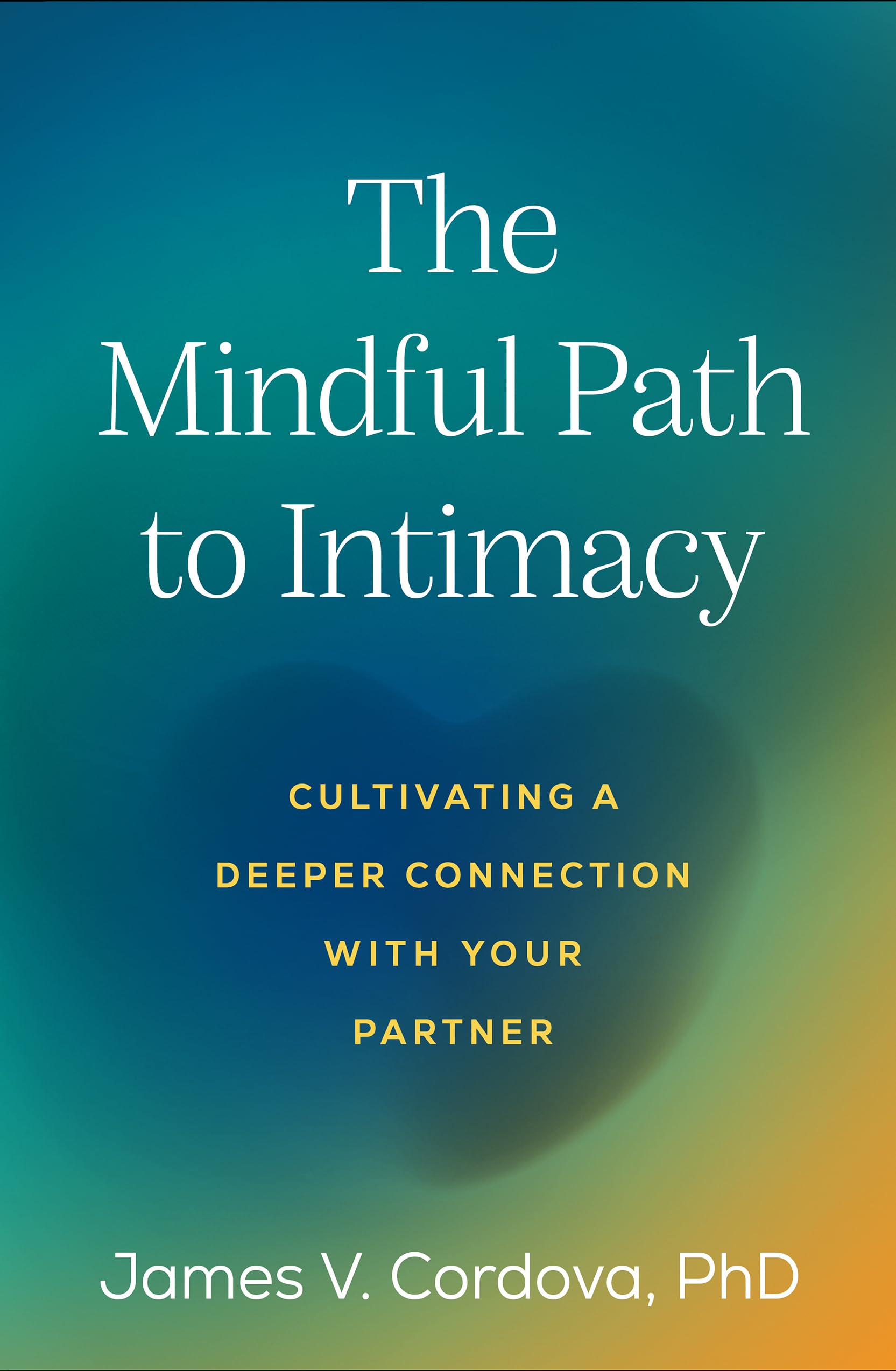
The Mindful Path to Intimacy by James V. Cordova – Relationship Mindfulness Guide

Mental Health
Lost Childhoods: The Plight of the Parentified Child by Gregory J. Jurkovic
Mental Health
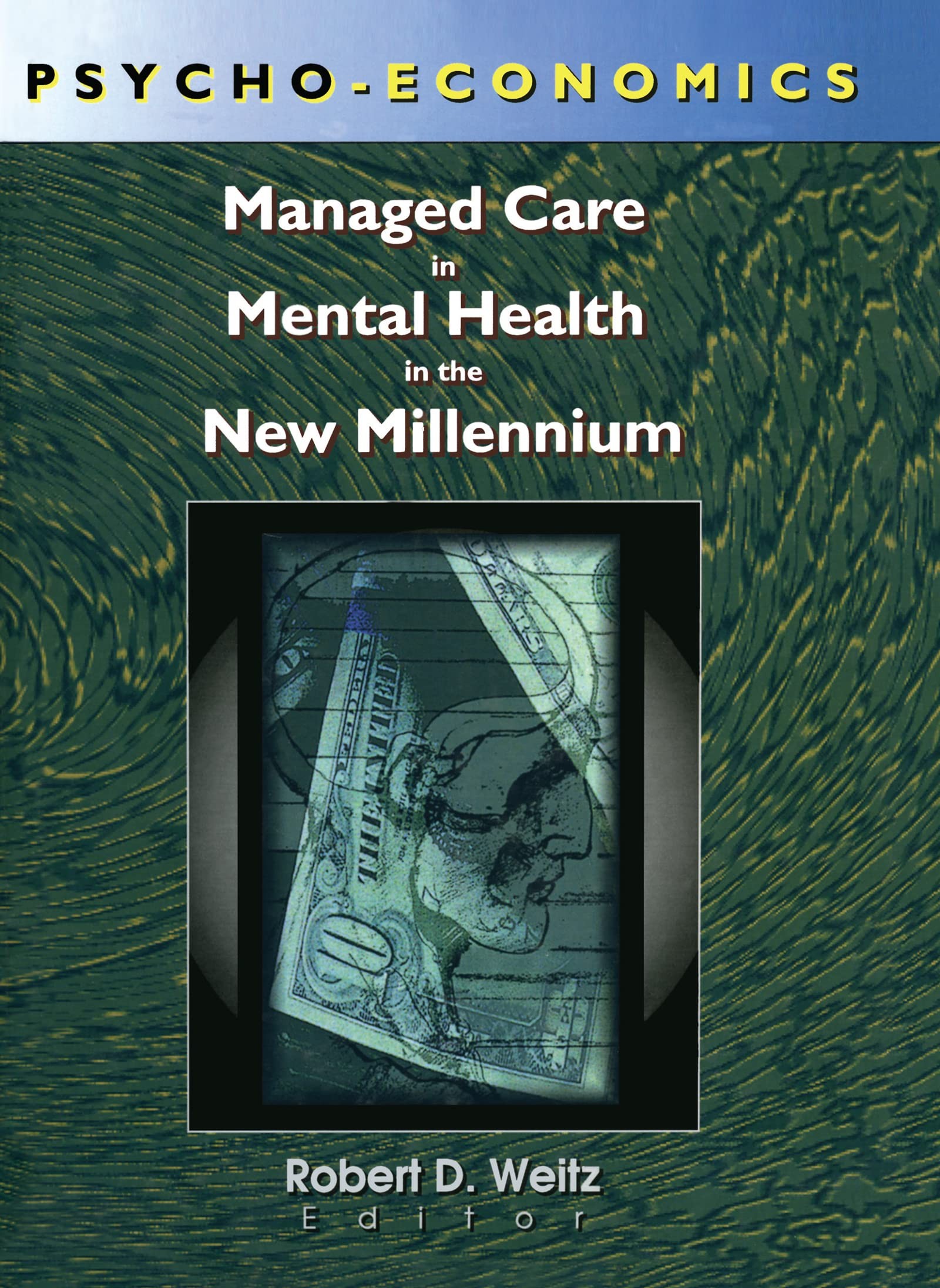
Psycho-Economics (English, Robert D.Weitz)
Related Products
View AllMental Health
Physical Activity and Mental Health by Angela Clow – Sports Psychology
Mental Health
Combat-Related Traumatic Brain Injury and PTSD by Cheryl Lawhorne-Scott
Mental Health
Sex and Gender: The Development of Masculinity and Femininity by Robert J. Stoller – Gender Psycholo
Mental Health
The Mindful Path to Intimacy by James V. Cordova – Relationship Mindfulness Guide
Mental Health
Lost Childhoods: The Plight of the Parentified Child by Gregory J. Jurkovic
Mental Health