
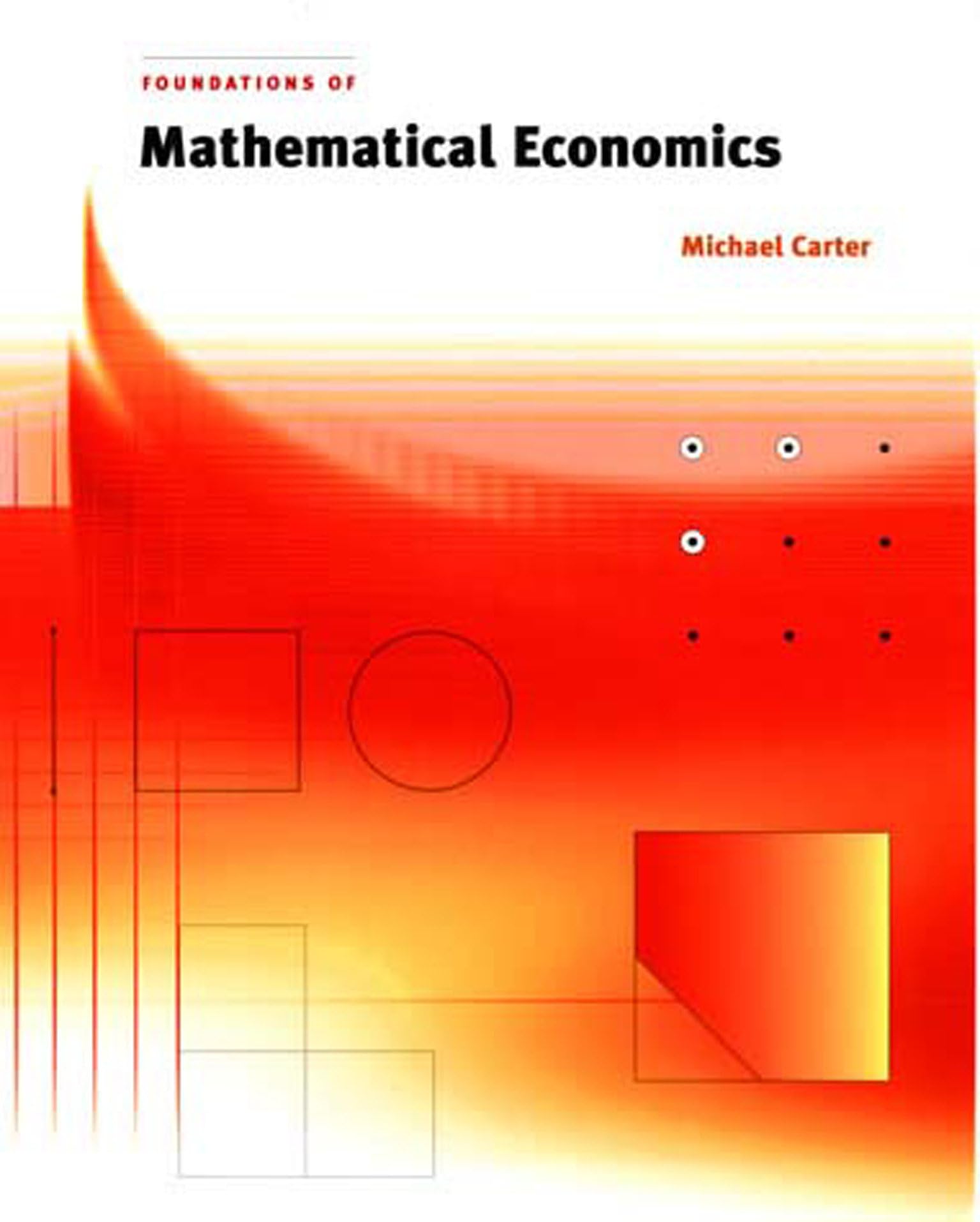
Foundations of Mathematical Economics: A Comprehensive Graduate Textbook by Michael Carter – From Set Theory to Constrai
Inclusive of all applicable taxes. FREE shipping on all orders.
Available Offers
- 🚚Free Delivery — Free shipping on all orders
- 💵Cash on Delivery — Pay when your order arrives
- ↩️15-Day Easy Returns — Hassle-free return policy
- 🔒Cash on Delivery — Pay safely when your order arrives
Check Delivery
Product Description
Introduction
Mathematics is the backbone of modern economic theory, and mastering its foundations is essential for any serious student or professional economist. Foundations of Mathematical Economics by Michael Carter, published by The MIT Press, is a definitive guide that bridges the gap between abstract mathematical concepts and their practical applications in economics. Whether you are pursuing a graduate degree in India or preparing for competitive examinations like UGC-NET or Indian Economic Service, this hardcover volume offers the depth and clarity needed to excel. Unlike superficial problem-solving manuals, this book focuses on the unifying principles that govern economic reasoning, making it an indispensable resource for Indian classrooms and libraries.
Book Overview
This comprehensive text takes readers on a structured journey from basic set theory to advanced topics such as fixed point theorems and constrained optimization. With over 800 carefully designed exercises, it encourages active learning and self-assessment. The book is organized to serve as both a graduate-level textbook and a reference for self-study. Each chapter builds upon the previous, ensuring that even complex ideas become accessible. The author’s approach is rigorous yet intuitive, making it suitable for students from diverse academic backgrounds in India, including those from economics, mathematics, and statistics departments.
Key Highlights
- Extended presentation of separation theorems and their applications in welfare economics and general equilibrium theory.
- Detailed account of constraint qualification in constrained optimization, a critical topic for understanding duality and sensitivity analysis.
- Introduction to monotone comparative statics, a modern tool for analyzing economic models without explicit functional forms.
- Over 800 exercises ranging from routine practice to challenging proofs, ideal for Indian students preparing for exams or research.
- Emphasis on unifying principles rather than isolated techniques, fostering a deeper understanding of economic theory.
Inside the Book
The book is divided into logical sections that cover linear algebra, real analysis, convexity, optimization, and dynamic programming. Each chapter begins with clear learning objectives and ends with a summary of key results. The author includes numerous examples drawn from microeconomics, macroeconomics, and game theory, making the material relevant to Indian economic contexts. Special attention is given to separation theorems and their role in proving fundamental welfare theorems, a topic often challenging for students. The treatment of monotone comparative statics is particularly valuable for those working with incomplete information or behavioral models.
Key Topics
- Set Theory and Logic: Foundations for rigorous economic modeling.
- Linear Algebra: Vectors, matrices, and linear transformations in input-output analysis and econometrics.
- Real Analysis: Sequences, continuity, and convergence essential for dynamic models.
- Convexity and Optimization: Convex sets, concave functions, and Kuhn-Tucker conditions.
- Fixed Point Theorems: Brouwer, Kakutani, and their applications in equilibrium existence.
- Constrained Optimization: Lagrange multipliers, envelope theorem, and sensitivity analysis.
- Dynamic Programming: Bellman equations and optimal growth models.
Reader Benefits
- Build a solid mathematical foundation for advanced courses in microeconomics, macroeconomics, and econometrics.
- Enhance problem-solving skills through extensive exercises that mimic real-world economic puzzles.
- Gain confidence in reading and writing proofs, a skill crucial for research and academic writing.
- Prepare for competitive exams such as UGC-NET, GATE, and Indian Economic Service with a thorough understanding of mathematical methods.
- Save time by learning from a single volume that covers both basic and advanced topics without needing multiple references.
Learning Outcomes
By working through this book, readers will be able to formulate economic problems in precise mathematical language, apply separation theorems to derive welfare results, solve constrained optimization problems with multiple constraints, and use monotone comparative statics to analyze comparative statics without solving for explicit equilibria. Students will also develop the ability to critically evaluate theoretical models and their assumptions, a skill highly valued in Indian academic and policy circles.
Who Should Read
- Graduate students in economics, applied mathematics, and statistics at Indian universities.
- Undergraduate students with a strong interest in mathematical economics or planning to pursue a PhD.
- Professional economists in government, research institutes, or the private sector who need a refresher on mathematical methods.
- Teachers and lecturers looking for a comprehensive textbook for their courses.
- Self-learners who prefer a structured, rigorous approach to mastering economic mathematics.
About the Author
Michael Carter is a renowned economist and educator with decades of experience teaching mathematical economics at leading universities. His research spans general equilibrium theory, welfare economics, and mathematical modeling. Carter’s ability to distill complex ideas into clear, logical steps has made this book a classic in the field. He is known for his emphasis on the conceptual unity of mathematics and economics, which shines through every chapter.
About the Publisher
The MIT Press is one of the world’s most respected academic publishers, known for its high-quality textbooks and monographs in science, technology, and economics. With a legacy of excellence spanning over a century, MIT Press ensures that every title meets rigorous editorial and production standards. This hardcover edition is built to withstand years of use in Indian libraries and personal collections.
Conclusion
Foundations of Mathematical Economics is more than a textbook—it is a companion for anyone serious about understanding the mathematical structure of economic theory. Its blend of rigorous theory, practical exercises, and modern topics like monotone comparative statics makes it an invaluable addition to any Indian student’s or professional’s library. Order your copy from Bookshops.in today and take the first step toward mastering the language of modern economics.
Quick Summary
Foundations of Mathematical Economics by Michael Carter is a definitive graduate textbook that systematically builds the mathematical framework required for advanced economic analysis. Starting from basic set theory and progressing through real analysis, topology, and convexity, the book culminates in fixed point theorems and constrained optimization—cornerstones of modern economic theory. With over 800 exercises, readers gain hands-on practice applying separation theorems, Kuhn-Tucker conditions, and monotone comparative statics to real economic problems. This MIT Press publication is ideal for Indian PhD students, researchers, and professional economists who need a rigorous yet accessible reference. Unlike mere problem-solving guides, Carter emphasizes the deep mathematical principles that unify diverse economic models. Purchasing from Bookshops.in ensures you receive a genuine hardcover edition with fast, reliable shipping across India, making it a valuable addition to any economist's library.
Book Highlights
Book Specifications
| ISBN-13 | 9780262531924 |
| ISBN-10 | 0262531925 |
| Publisher | The MIT Press |
| Language | English |
| Dimensions | 22.76 x 18.03 x 3.18 cm |
| Weight | 1 kg 20 g |
| Category | Economics › Economic Theory |
| Genre | Nonfiction |
| Original Language | English |
Frequently Asked Questions
What is Foundations of Mathematical Economics about?
Is this book suitable for Indian economics students?
What level of mathematics is required?
Does the book include exercises?
What topics are covered in constrained optimization?
What are fixed point theorems used for in economics?
Is this book a hardcover edition?
Can this book be used for self-study?
What is monotone comparative statics?
How is this book different from other mathematical economics texts?
Does the book cover game theory?
What is the ISBN of this book?
Why should I buy from Bookshops.in?
Readers Also Search For
Customers Also Bought

Entrepreneurship
Chinese Economic Revolution (English, Linda Grove)
Entrepreneurship
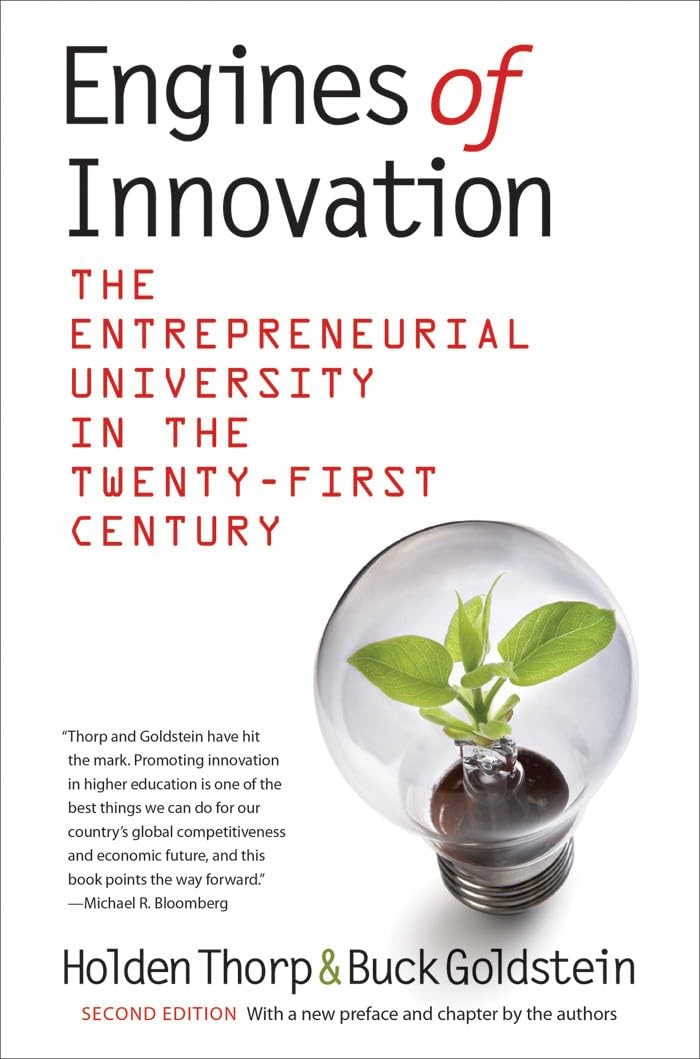
Engines of Innovation: The Entrepreneurial University in the Twenty-First Century by Holden Thorp

Entrepreneurship
Invention to Innovation (English, PhD Marshall Larry | Jenna Daroczy)

Entrepreneurship
Database Management Systems by Raghu Ramakrishnan – DBMS Textbook

Entrepreneurship
Decision-making for Technology Executives by Harold A. Linstone
Entrepreneurship
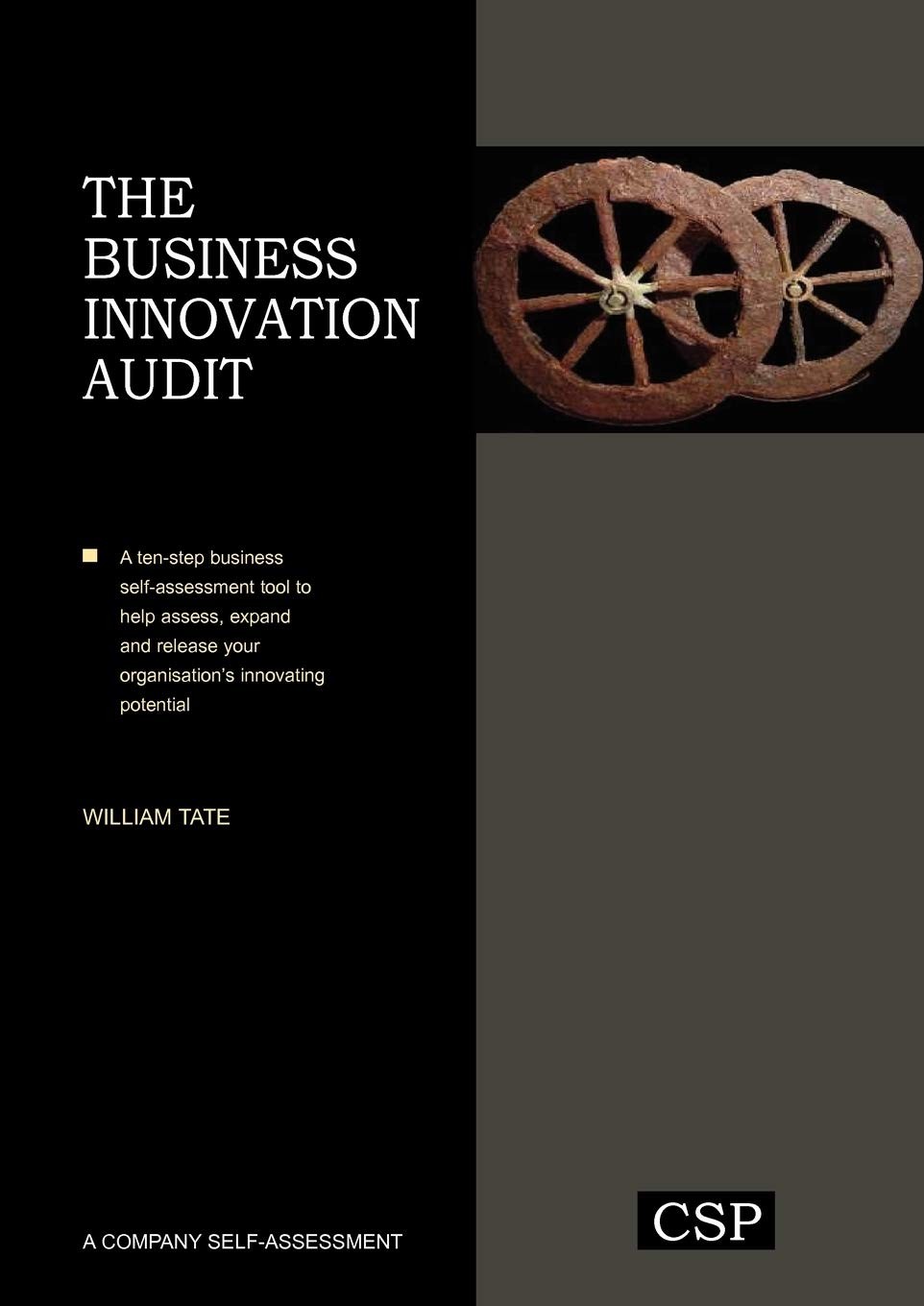
The Business Innovation Audit (English, William Tate)
Related Products
View All
Economics
Political Economy from Pufendorf to Marx (English, István Hont | Lasse S. Andersen | Béla Kapossy)
Economics
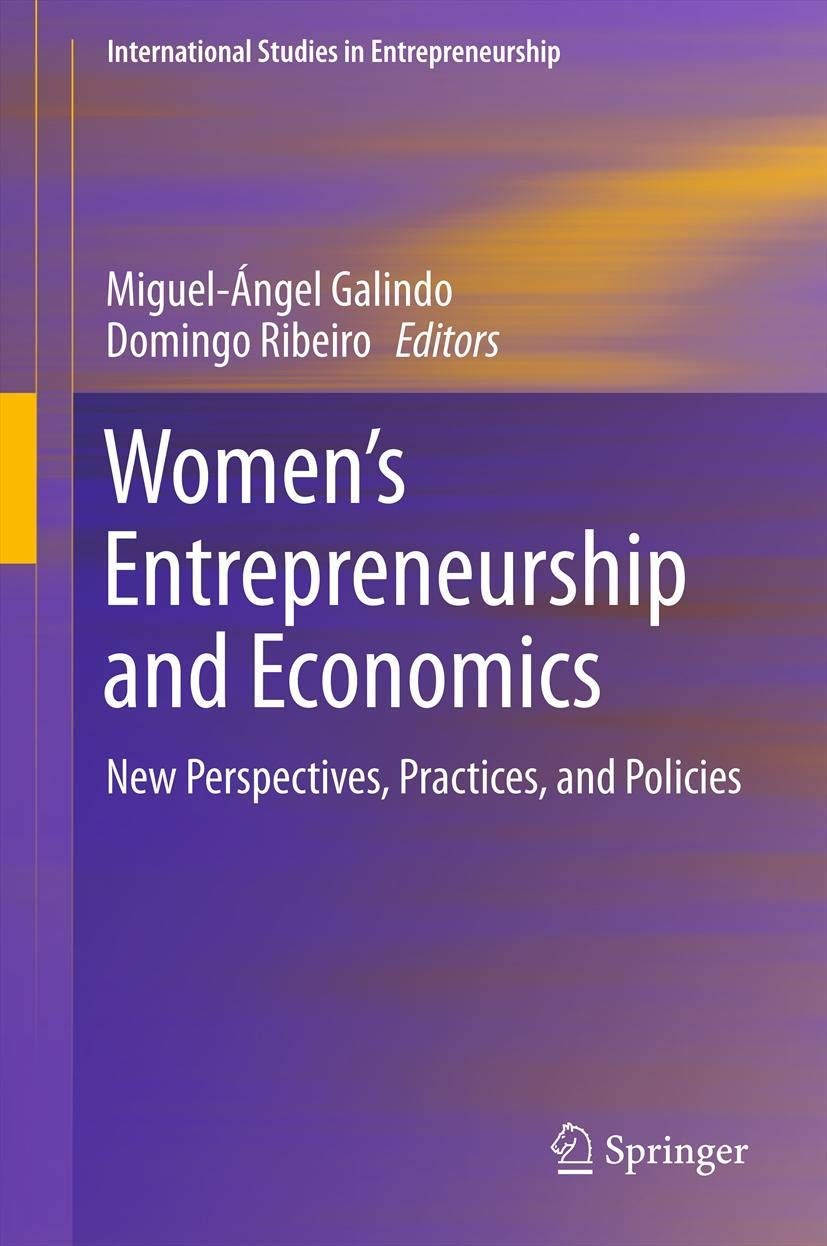
Women's Entrepreneurship and Economics (English, Miguel-Angel Galindo | Domingo Ribeiro)
Economics
Trade Policy and Industrialization in Turbulent Times | by Gerry Helleiner | Routledge | by Gerry Helleiner | Routledge | by Gerry Helleiner | Routledge | by Gerry Helleiner | Routledge | by Gerry Helleiner | Routledge | by Gerry Helleiner | Routledge | by Gerry Helleiner | Routledge | by Gerry Helleiner | Routledge | by Gerry Helleiner | Routledge | by Gerry Helleiner | Routledge | by Gerry Helleiner | Routledge | by Gerry Helleiner | Routledge | by Gerry Helleiner | Routledge | by Gerry Hellei
Economics
History of Economic Analysis | by Schumpeter Joseph A. | Taylor & Francis Ltd | by Schumpeter Joseph A. | Taylor & Francis Ltd | by Schumpeter Joseph A. | Taylor & Francis Ltd | by Schumpeter Joseph A. | Taylor & Francis Ltd | by Schumpeter Joseph A. | Taylor & Francis Ltd | by Schumpeter Joseph A. | Taylor & Francis Ltd | by Schumpeter Joseph A. | Taylor & Francis Ltd | by Schumpeter Joseph A. | Taylor & Francis Ltd | by Schumpeter Joseph A. | Taylor & Franci

Economics
OECD Compendium of Productivity Indicators 2015 | by Organization for Economic Cooperation an | Organization for Economic Co-Operation & Deve | by Organization for Economic Cooperation an | Organization for Economic Co-Operation & Deve | by Organization for Economic Cooperation an | Organization for Economic Co-Operation & Deve | by Organization for Economic Cooperation an | Organization for Economic Co-Operation & Deve | by Organization for Economic Cooperation an | Organization

Economics