

Freud, Adler, and Jung: Discovering the Mind by Walter Kaufmann – A Definitive Study of Psychoanalytic Pioneers
Inclusive of all applicable taxes. FREE shipping on all orders.
Available Offers
- 🚚Free Delivery — Free shipping on all orders
- 💵Cash on Delivery — Pay when your order arrives
- ↩️15-Day Easy Returns — Hassle-free return policy
- 🔒Cash on Delivery — Pay safely when your order arrives
Check Delivery
Product Description
Introduction
Walter Kaufmann’s Freud, Adler, and Jung: Discovering the Mind stands as a masterful conclusion to his celebrated trilogy on the philosophy of psychology. This hardcover edition from Routledge offers Indian readers, students, and scholars an incisive exploration of the foundational figures who shaped modern psychoanalysis. Kaufmann, a philosopher and translator of extraordinary depth, brings his trademark critical clarity to the lives, ideas, and enduring legacies of Sigmund Freud, Alfred Adler, and Carl Jung.
Book Overview
This volume is the third and final part of Kaufmann’s landmark trilogy, completed shortly before his death in 1980. It is a tribute to Freud’s monumental contribution to understanding the human mind, while also offering a balanced and often provocative examination of Adler and Jung. Kaufmann argues that Freud created a ‘poetic science of the mind’—a synthesis of rigorous scientific inquiry and profound humanistic insight. The book dispels long-standing myths about Freud, critiques poor translations that have distorted his work, and repositions him as a thinker of unparalleled influence. At the same time, it gives due weight to Adler’s social psychology and Jung’s explorations of the collective unconscious, showing how each thinker’s vision both complements and challenges the others.
Key Highlights
- Final volume of a celebrated trilogy that redefines the history of psychoanalysis.
- Critical yet respectful analysis of Freud’s life, thought, and legacy.
- In-depth discussion of Alfred Adler and his emphasis on inferiority, power, and social interest.
- Illuminating exploration of Carl Jung and his concepts of archetypes, individuation, and the collective unconscious.
- Original insights into how translation and cultural bias have shaped the reception of psychoanalytic ideas.
- Kaufmann’s signature style: rigorous argumentation blended with literary elegance.
Inside the Book
The book is structured around the three towering figures, with each section delving into their biographies, core theories, and intellectual contexts. Kaufmann begins with Freud, tracing his development from neurologist to the architect of psychoanalysis, and defends him against common caricatures. He then turns to Adler, highlighting the often-overlooked depth of Adlerian psychology, particularly its focus on the individual’s striving for meaning within a social framework. The final major section examines Jung, whose mystical and symbolic approach to the psyche is presented with both admiration and critical scrutiny. Kaufmann’s own voice—passionate, erudite, and unafraid to challenge orthodoxy—permeates every page, making this not just a history but a living dialogue with the minds it describes.
Key Topics
- The birth and evolution of psychoanalysis as a scientific and humanistic discipline.
- Freud’s theories of the unconscious, repression, dreams, and the structure of the psyche.
- Adler’s individual psychology: inferiority complex, superiority striving, and social interest.
- Jung’s analytical psychology: archetypes, the shadow, anima/animus, and the process of individuation.
- The role of translation, cultural prejudice, and academic politics in shaping the legacy of these thinkers.
- Kaufmann’s own philosophy of mind and his critique of dogmatic schools of thought.
Reader Benefits
- Gain a comprehensive understanding of the three foundational pillars of modern psychology.
- Develop critical thinking skills by engaging with Kaufmann’s balanced, scholarly analysis.
- Appreciate the historical and cultural contexts that shaped psychoanalysis in Europe and its global influence.
- Access original interpretations that challenge common misconceptions about Freud, Adler, and Jung.
- Enhance your academic writing and research with insights from a master philosopher-historian.
Learning Outcomes
- Articulate the core differences and similarities between Freudian, Adlerian, and Jungian psychology.
- Critically evaluate the methodological strengths and weaknesses of each thinker’s approach.
- Understand how philosophical assumptions underpin psychological theories.
- Trace the evolution of ideas about the mind from the late 19th to the mid-20th century.
- Apply Kaufmann’s hermeneutic method to interpret complex texts and theories.
Who Should Read
This book is essential for undergraduate and postgraduate students of psychology, philosophy, and the history of science. It is equally valuable for practicing psychotherapists, counsellors, and mental health professionals who wish to deepen their theoretical foundations. Scholars of literature, cultural studies, and the humanities will find Kaufmann’s interdisciplinary approach richly rewarding. Indian readers with an interest in the human mind, self-understanding, and the roots of modern thought will discover a timeless work that speaks across cultures and generations.
About the Author
Walter Kaufmann (1921–1980) was a German-American philosopher, translator, and poet, renowned for his work on Nietzsche, existentialism, and the philosophy of religion. He taught at Princeton University for over three decades and was a prolific author of more than a dozen books. His translations of Nietzsche are considered definitive, and his trilogy Discovering the Mind remains a landmark in intellectual history. Kaufmann’s scholarship is distinguished by its clarity, moral seriousness, and refusal to accept received opinions.
About the Publisher
Routledge is a leading global academic publisher, part of the Taylor & Francis Group, with a distinguished history dating back to 1836. It publishes authoritative works across the humanities, social sciences, and behavioral sciences. This hardcover edition of Freud, Adler, and Jung: Discovering the Mind is part of Routledge’s commitment to preserving and disseminating classic texts that continue to shape scholarly discourse.
Conclusion
Walter Kaufmann’s Freud, Adler, and Jung: Discovering the Mind is not merely a historical survey—it is an invitation to think deeply about the nature of the mind and the forces that shape human behaviour. For Indian readers, students, and lifelong learners, this hardcover edition offers a rare opportunity to engage with one of the 20th century’s most insightful critics of psychology. Whether you are a seasoned scholar or a curious newcomer, this book will enrich your understanding of the human condition and the enduring quest to discover the mind.
Quick Summary
Freud, Adler, and Jung: Discovering the Mind is the culminating volume of Walter Kaufmann's celebrated trilogy on the human mind. In it, Kaufmann offers a deeply personal and scholarly tribute to Sigmund Freud, Alfred Adler, and Carl Jung—three titans of psychoanalysis whose ideas reshaped modern psychology and culture. The book traces the intellectual lineage that led Freud to create what Kaufmann calls a 'poetic science of the mind,' blending rigorous analysis with humanistic vision. Kaufmann also explores the divergences that led Adler and Jung to develop their own schools of thought. Written with clarity, passion, and critical insight, this volume is ideal for Indian psychology students, scholars, and anyone fascinated by the history of ideas. Readers will gain a nuanced understanding of each thinker's contributions and the enduring relevance of their work. Purchasing from Bookshops.in ensures you receive a genuine hardcover edition from Routledge, delivered to your doorstep across India.
Book Highlights
Book Specifications
| ISBN-13 | 9780887383953 |
| ISBN-10 | 0887383955 |
| Publisher | Transaction Pub |
| Language | English |
| Dimensions | 15.24 x 3.18 x 22.86 cm |
| Weight | 726 g |
| Country | India |
| Category | Biographies, Diaries & True Accounts › Biographies & Autobiographies |
| Genre | Nonfiction |
| Reading Age | Adult |
| Original Language | English |
Frequently Asked Questions
What is the main theme of Freud, Adler, and Jung: Discovering the Mind?
Who is Walter Kaufmann?
Is this book suitable for beginners in psychology?
How does this book differ from other books on Freud, Adler, and Jung?
Does the book cover the conflicts between Freud, Adler, and Jung?
What is the 'poetic science of the mind' concept?
Is this a textbook or a general read?
Can I use this book for my university course on psychoanalysis?
Does the book include any illustrations or diagrams?
Is the book only about Freud?
What is the reading level?
Why buy from Bookshops.in?
Is there a digital version available?
Readers Also Search For
Related Products
View All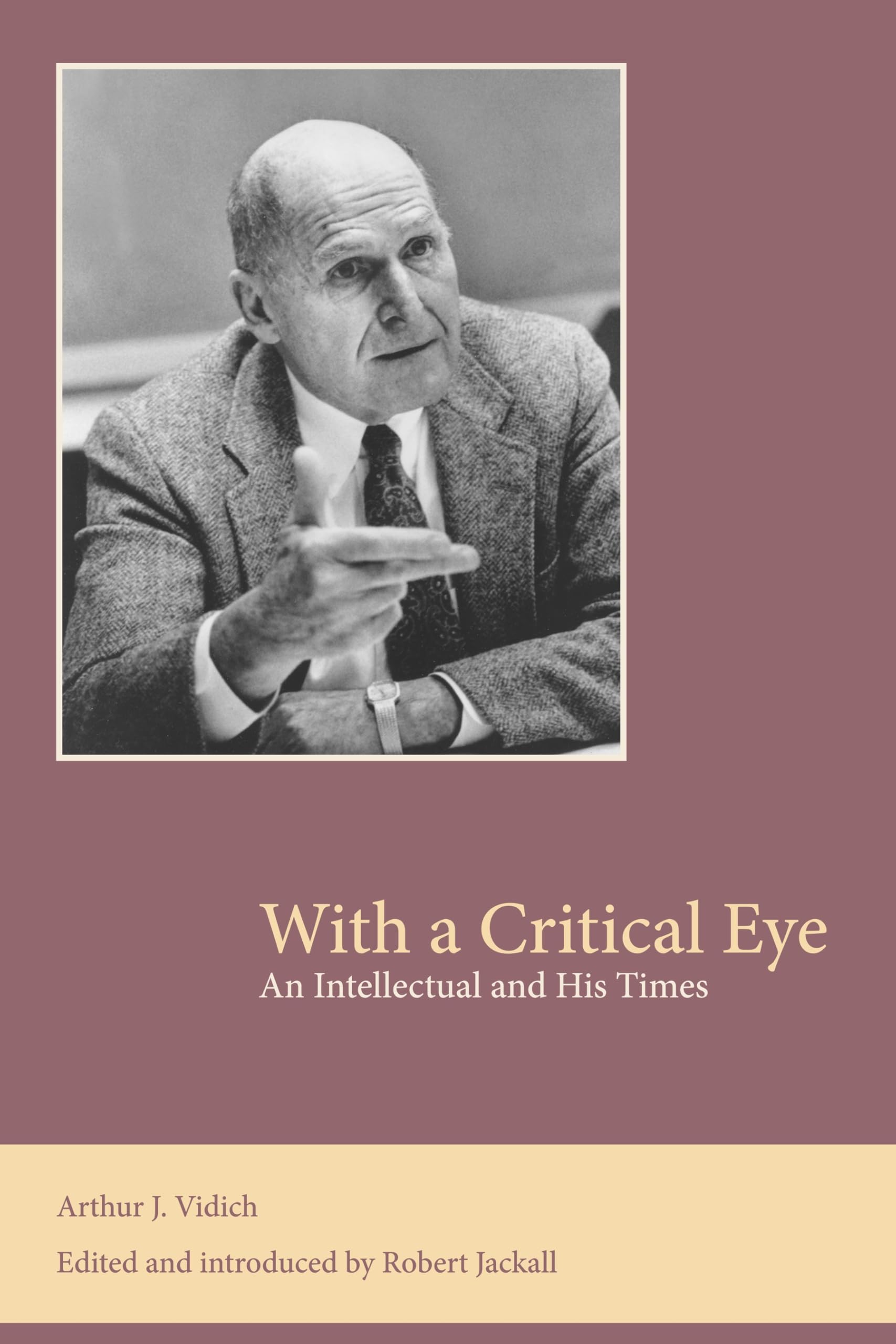
Biographies, Diaries & True Accounts
With a Critical Eye: An Intellectual and His Times

Biographies, Diaries & True Accounts
Under the Broken Scale of Justice: The Law and My Times

Biographies, Diaries & True Accounts
I. Lilias Trotter

Biographies, Diaries & True Accounts
Child of Many Rivers: Journeys to and from the Rio Grande by Lucy Fischer-West – Memoir

Biographies, Diaries & True Accounts
Books of Adam: The Blunder Years by Adam Ellis

Biographies, Diaries & True Accounts