
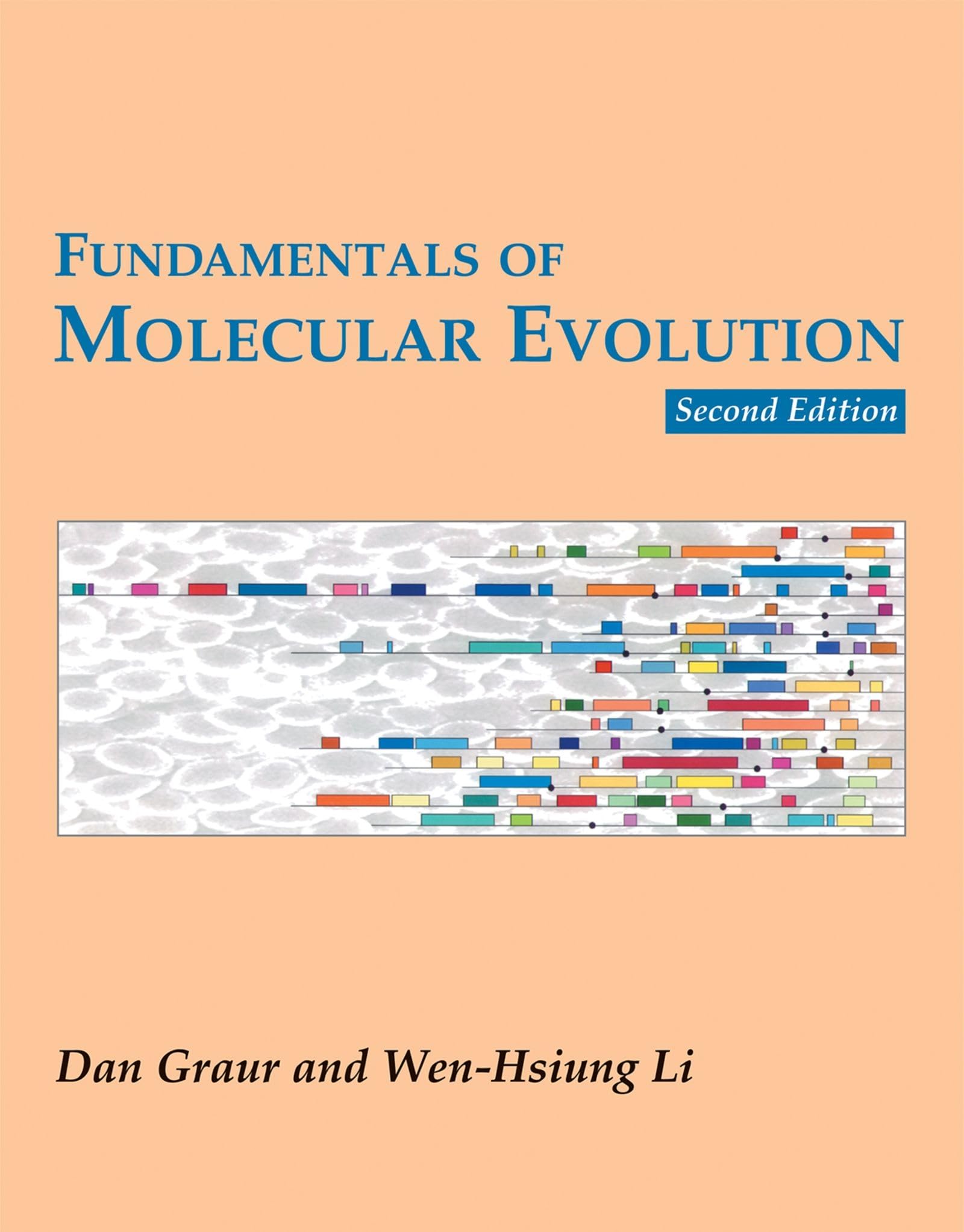
Fundamentals of Molecular Evolution by Dan Graur – A Detailed Textbook on Molecular Evolution, Genomics, and Bioinformat
Inclusive of all applicable taxes. FREE shipping on all orders.
Available Offers
- 🚚Free Delivery — Free shipping on all orders
- 💵Cash on Delivery — Pay when your order arrives
- ↩️15-Day Easy Returns — Hassle-free return policy
- 🔒Cash on Delivery — Pay safely when your order arrives
Check Delivery
Product Description
Introduction
Understanding evolution has moved far beyond fossils and visible traits. Today, the most profound insights into how life changes over time come from studying DNA, RNA, and proteins. Fundamentals of Molecular Evolution by Dan Graur offers a comprehensive and accessible gateway into this fascinating field. Published by Sinauer Associates, an imprint of Oxford University Press, this hardcover edition is an essential resource for Indian students and researchers in biology, bioinformatics, and genetics who wish to explore the molecular mechanisms that drive evolutionary change.
Book Overview
This fully revised second edition brings together classical evolutionary theory with modern genomic discoveries. The book explains how evolutionary forces—mutation, selection, genetic drift, and recombination—shape the structure and function of genes, proteins, and entire genomes. Drawing on data from genome projects of bacteria, plants, and animals, the author presents a clear, step-by-step account of how molecular evolution works. The text is designed to be understood without extensive prior knowledge of molecular biology or advanced mathematics, making it ideal for undergraduate and postgraduate students in India.
Key Highlights
- Updated content: Incorporates the latest findings from genomics, proteomics, and computational biology.
- Accessible approach: Explains complex concepts without assuming deep prerequisites in molecular biology or math.
- Practical methodology: Covers tools and techniques for analyzing molecular data from an evolutionary perspective.
- Hypothesis testing: Teaches the logic of testing evolutionary hypotheses using molecular evidence.
- Comprehensive scope: Covers everything from gene structure to genome evolution in diverse organisms.
Inside the Book
The book is structured to build understanding progressively. Early chapters introduce the fundamental principles of molecular evolution, including the nature of genetic variation and the molecular clock hypothesis. Later chapters delve into the evolution of proteins, the dynamics of genome architecture, and the role of mobile genetic elements. Each chapter includes worked examples, figures, and end-of-chapter problems that reinforce learning. The author also provides insights into the statistical and computational methods used to infer evolutionary relationships from molecular sequences, making this a practical guide for Indian students working on real-world data.
Key Topics
- Molecular basis of evolution: DNA, RNA, and protein sequence changes
- Rates and patterns of nucleotide substitution
- Molecular clocks and their calibration
- Neutral theory versus selectionist views
- Evolution of gene families and genome organization
- Phylogenetic inference from molecular data
- Evolution of regulatory sequences and non-coding DNA
- Applications in bioinformatics and comparative genomics
Reader Benefits
By studying this book, readers will gain a thorough understanding of how evolutionary principles apply at the molecular level. They will learn to analyze sequence data, interpret evolutionary signals, and critically evaluate molecular hypotheses. The book bridges the gap between classical population genetics and modern genomic science, equipping readers with the conceptual tools needed for advanced research in evolutionary biology, medicine, agriculture, and biotechnology. Indian students preparing for competitive exams like CSIR-UGC NET, GATE, or JRF in life sciences will find this book particularly valuable for building a strong foundation in molecular evolution.
Learning Outcomes
- Explain the mechanisms of molecular evolution, including mutation, selection, drift, and recombination.
- Analyze DNA and protein sequences to infer evolutionary history.
- Interpret molecular clock data and understand its limitations.
- Evaluate evidence for natural selection at the molecular level.
- Apply computational tools to study genome evolution across species.
- Understand the evolutionary origins of genetic diseases and adaptations.
Who Should Read
This book is perfect for undergraduate and postgraduate students in biological sciences, biotechnology, bioinformatics, and genetics. It is also a valuable reference for researchers in evolutionary biology, molecular biology, and computational biology. Teachers and professors looking for a clear, up-to-date textbook for their courses will find it highly suitable. Anyone with a curiosity about how life evolves at the molecular level—from students in Indian universities to self-learners—will benefit from this well-crafted volume.
About the Author
Dan Graur is a distinguished evolutionary biologist and professor known for his work in molecular evolution and genomics. He has authored numerous research papers and textbooks that have shaped the field. His writing style is direct, engaging, and focused on making complex ideas accessible. With decades of teaching experience, Graur brings a deep understanding of what students need to grasp the subject, and his passion for evolutionary science shines through every chapter.
About the Publisher
Sinauer Associates, an imprint of Oxford University Press, is a renowned academic publisher specializing in high-quality textbooks in the life sciences. Known for their rigorous editorial standards and clear presentation, Sinauer titles are widely adopted in universities across the world. This collaboration with Oxford University Press ensures that Fundamentals of Molecular Evolution meets the highest standards of accuracy, clarity, and relevance for the global academic community, including Indian institutions.
Conclusion
Fundamentals of Molecular Evolution is more than a textbook—it is a roadmap to understanding the molecular underpinnings of life's diversity. Whether you are a student beginning your journey in evolutionary biology or a researcher seeking a reliable reference, this hardcover edition from Bookshops.in will serve as an invaluable companion. With its balanced blend of theory, methodology, and real-world examples, it equips readers to think critically about evolution in the age of genomics. Order your copy today and delve into the molecular story of life on Earth.
Quick Summary
Fundamentals of Molecular Evolution by Dan Graur is a comprehensive textbook that delves into the molecular mechanisms driving evolutionary change. It covers the dynamics of evolution at the DNA, gene, and protein levels, exploring forces such as natural selection and genetic drift. The second edition integrates insights from genome projects of bacteria, plants, and animals, along with advanced analytical tools from genomics, protein engineering, computational biology, and bioinformatics. This book is ideal for advanced undergraduate and graduate students in biology, biotechnology, and related fields, as well as researchers seeking a deep understanding of molecular evolution. Readers will learn to analyze molecular data, test evolutionary hypotheses, and apply modern bioinformatics methods. By purchasing from Bookshops.in, Indian students and researchers get a reliable, high-quality hardcover edition with fast delivery and excellent customer service.
Book Highlights
Book Specifications
| ISBN-13 | 9780878932665 |
| ISBN-10 | 0878932666 |
| Publisher | OUP USA |
| Language | English |
| Dimensions | 18.29 x 3.05 x 23.88 cm |
| Weight | 816 g |
| Category | Biology & Life Sciences › Biology |
| Genre | Science & Mathematics |
| Original Language | English |
Frequently Asked Questions
What is Fundamentals of Molecular Evolution about?
Who is the author of this book?
Is this book suitable for Indian students?
What edition is this?
What is the language of the book?
Does this book include bioinformatics topics?
What is the binding type?
What is the price of this book on Bookshops.in?
Can I use this book for research?
Does the book cover genome projects?
Is this book good for self-study?
What are the key topics in this book?
Where can I buy this book in India?
Readers Also Search For
Customers Also Bought
Mathematics
Stereotype Spaces and Algebras: 73 (De Gruyter Expositions in Mathematics, 73)

Mathematics
Semigroups in Algebra, Geometry and Analysis: 20 (De Gruyter Expositions in Mathematics, 20)

Mathematics
Geometry from the Pacific Rim: Proceedings of the Pacific Rim Geometry Conference held at National University of Singapore, Republic of Singapore, ... 1994 (De Gruyter Proceedings in Mathematics)
Mathematics
First International Tainan-Moscow Algebra Workshop: Proceedings of the International Conference held at National Cheng Kung University Tainan, Taiwan, ... 1994 (De Gruyter Proceedings in Mathematics)

Mathematics
Differential Geometry - Proceedings of the VIII International Colloquium (English, Jesus A. Alvarez Lopez | Eduardo Garcia-Rio)
Mathematics
Mathematical Theory of Optimal Processes (Classics of Soviet Mathematics)
Related Products
View All
Biology
Evolution: What the Fossils Say and Why It Matters by Donald R. Prothero
Biology
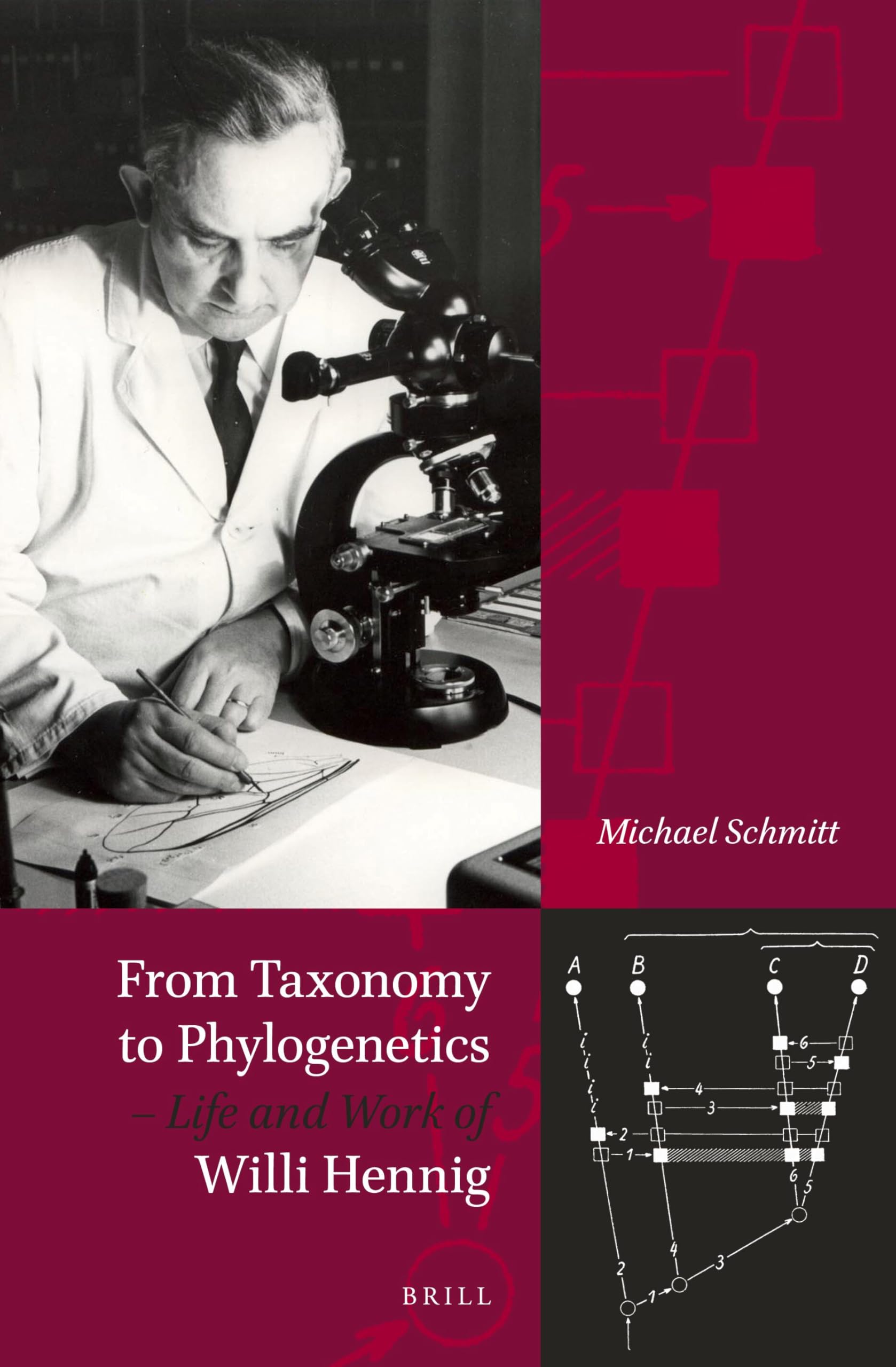
From Taxonomy to Phylogenetics – Life and Work of Willi Hennig

Biology
The Marine Biology of the South China Sea

Biology
Genetics Meets Metabolomics: from Experiment to Systems Biology
Biology
The Elements of Natural or Experimental Philosophy: 2
Biology