
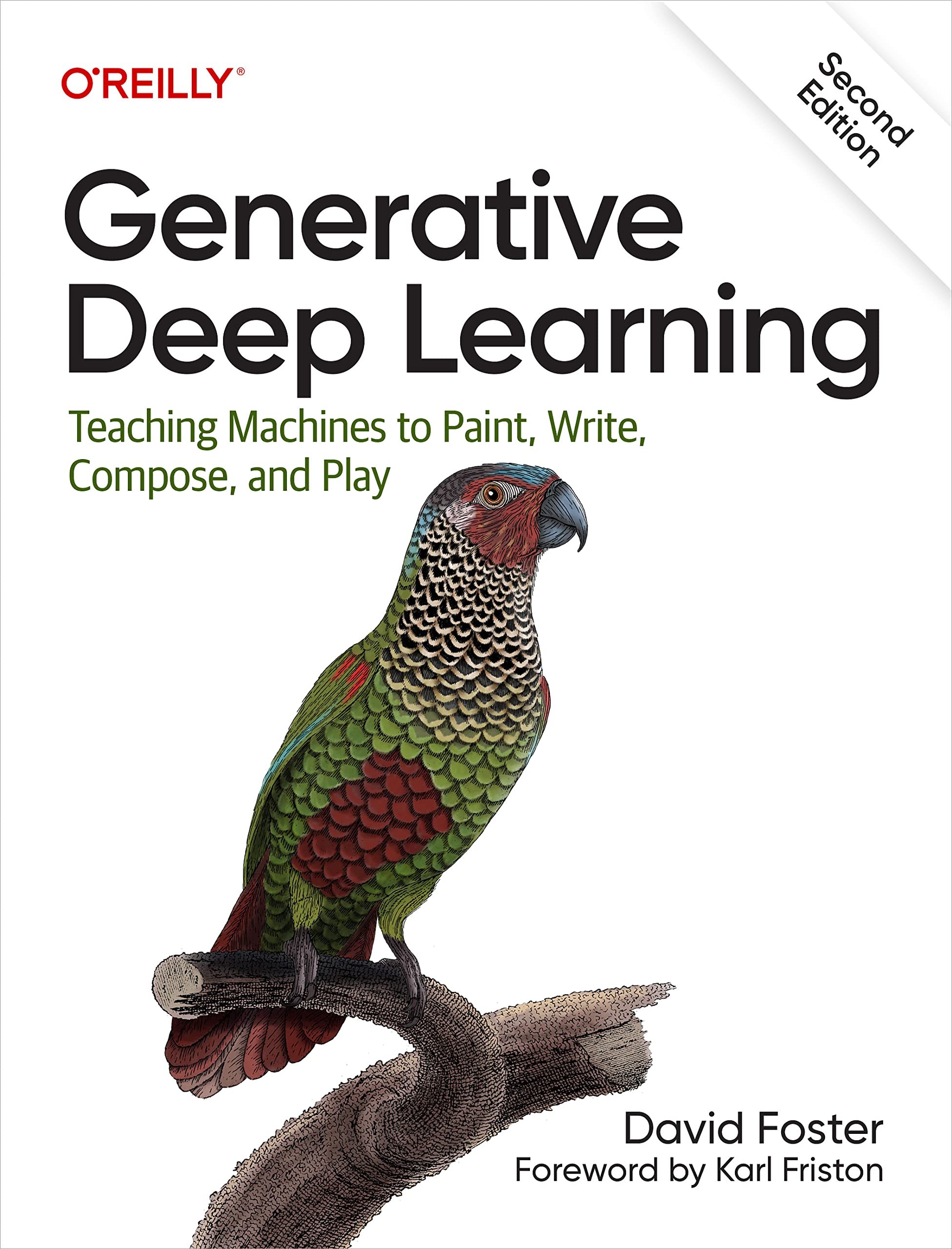
Generative Deep Learning by David Foster – A Practical Guide to Building Generative AI Models from Scratch
Inclusive of all applicable taxes. FREE shipping on all orders.
Available Offers
- 🚚Free Delivery — Free shipping on all orders
- 💵Cash on Delivery — Pay when your order arrives
- ↩️15-Day Easy Returns — Hassle-free return policy
- 🔒Cash on Delivery — Pay safely when your order arrives
Check Delivery
Product Description
Introduction
Generative AI has moved from research labs into everyday products, and Generative Deep Learning by David Foster gives machine learning engineers and data scientists the practical foundation to build these systems themselves. Rather than treating generative AI as a black box, this book opens it up, showing readers exactly how models learn to paint, write, compose, and create.
Book Overview
Starting with the fundamentals of deep learning, David Foster guides readers through the architectures that power modern generative AI — variational autoencoders, generative adversarial networks, Transformers, normalizing flows, energy-based models, and denoising diffusion models. Using TensorFlow and Keras throughout, the book balances theoretical understanding with hands-on implementation, ensuring readers can build working models, not just understand the concepts behind them.
Key Highlights
- Covers the full landscape of modern generative AI architectures
- Hands-on implementation using TensorFlow and Keras
- Explains how large language models like ChatGPT are trained
- Explores multimodal systems such as DALL-E 2 and Stable Diffusion
- Covers state-of-the-art architectures including StyleGAN2
- Includes guidance on training your own GPT model
- Explores generative world models for reinforcement learning
- Rated 4.5 out of 5 by machine learning practitioners
Inside the Book
The book is structured to build understanding progressively, starting with core deep learning concepts before introducing increasingly sophisticated generative architectures. Readers work through variational autoencoders capable of altering facial expressions in photos, generative adversarial networks trained on custom datasets, and diffusion models that produce entirely new imagery. Later chapters explore Transformer-based text generation, polyphonic music composition using MuseGAN, and the multimodal systems reshaping how AI generates images, text, and beyond.
Key Topics
Readers will explore variational autoencoders, generative adversarial networks, Transformer architectures, denoising diffusion models, and energy-based models. The book also covers practical applications including image generation, text generation with GPT-style models, music composition, and multimodal generation systems that combine text, image, and other data types within a single model.
Reader Benefits
- Build working generative AI models rather than just studying theory
- Understand the architecture behind widely used tools like ChatGPT
- Gain hands-on experience with TensorFlow and Keras implementation
- Explore cutting-edge multimodal and diffusion-based systems
- Develop skills directly applicable to real-world AI engineering roles
- Stay current in one of the fastest-moving fields in technology
Learning Outcomes
By working through this book, readers gain the practical skills needed to design, train, and evaluate generative AI models across a range of architectures. They come away with a working understanding of how today's most talked-about AI systems function under the hood, along with the technical foundation to build similar systems for their own projects and applications.
Who Should Read
- Machine learning engineers building generative AI systems
- Data scientists expanding into generative modeling
- Software engineers exploring AI-driven product development
- Researchers studying deep learning architectures
- Technical professionals seeking current, practical AI skills
About the Author
David Foster brings a practitioner's perspective to generative AI, combining technical depth with a clear, hands-on teaching style. His approach focuses on making complex architectures genuinely usable, equipping readers to build real systems rather than simply understand them theoretically.
About the Publisher
Published by O'Reilly Media, a name synonymous with high-quality technical publishing, this edition reflects the publisher's reputation for producing authoritative, practitioner-focused books that keep technology professionals current in fast-evolving fields.
Conclusion
Generative Deep Learning offers a rare combination of technical rigor and practical usability, making it an essential resource for anyone serious about understanding and building generative AI systems. As the field continues to evolve rapidly, this book equips readers with both the foundational knowledge and hands-on skills to stay at the forefront of AI development.
Quick Summary
Generative Deep Learning by David Foster is a practical, hands-on guide for machine learning engineers and data scientists looking to build generative AI models from scratch. Using TensorFlow and Keras, readers learn to create variational autoencoders, generative adversarial networks, Transformers, normalizing flows, and denoising diffusion models. The book covers cutting-edge techniques including training GPT models for text generation, understanding how large language models like ChatGPT are trained, and exploring state-of-the-art architectures such as StyleGAN2 and multimodal systems like DALL-E 2 and Stable Diffusion. Progressing from foundational deep learning concepts to advanced generative architectures, this book is an essential resource for anyone serious about building real-world generative AI systems. Available at Bookshops.in with reliable delivery across India, it is a must-have for engineers working at the forefront of AI development.
Book Highlights
Book Specifications
| ISBN-13 | 9781098134181 |
| ISBN-10 | 1098134184 |
| Publisher | O'Reilly Media |
| Language | English |
| Dimensions | 17.53 x 2.54 x 22.86 cm |
| Weight | 726 g |
| Country | United Kingdom |
| Category | Computer Science › Artificial Intelligence |
| Genre | AI & Machine Learning |
| Reading Age | Adult |
| Original Language | English |
Frequently Asked Questions
What is this book about?
Who is this book for?
Does the book cover GANs and VAEs?
Does it explain how ChatGPT works?
What tools does the book use?
Does the book cover diffusion models?
Is prior machine learning knowledge required?
Who is the author?
Does the book cover music generation?
How is the book rated by readers?
Does it cover multimodal AI models?
Readers Also Search For
Customers Also Bought
Computer Science
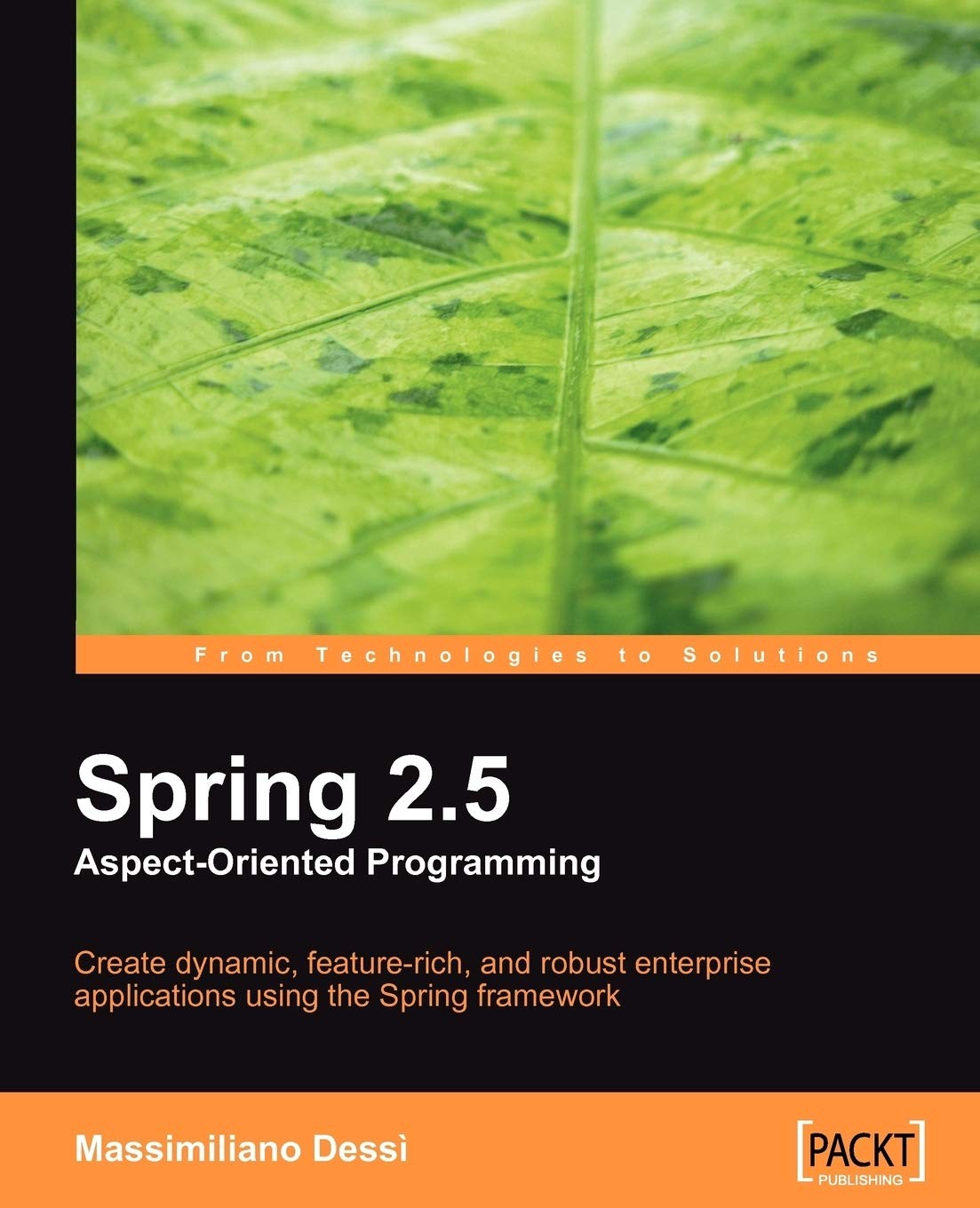
Spring 2.5 Aspect Oriented Programming (English, Massimiliano Dess� | Massimiliano Dessi)
Computer Science
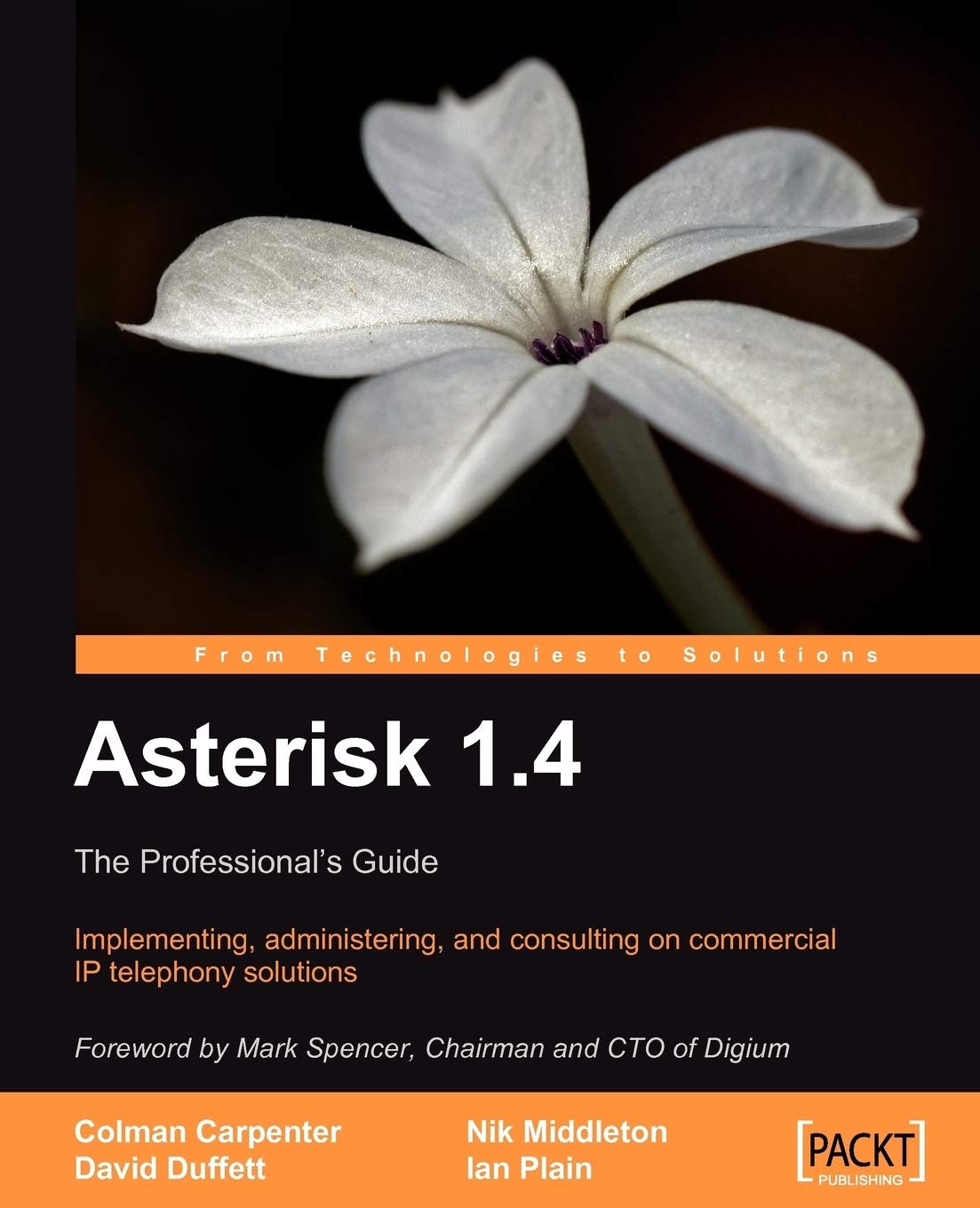
Asterisk 1.4 - the Professional's Guide (English, Colman Carpenter | David Duffett | Nik Middleton)
Computer Science
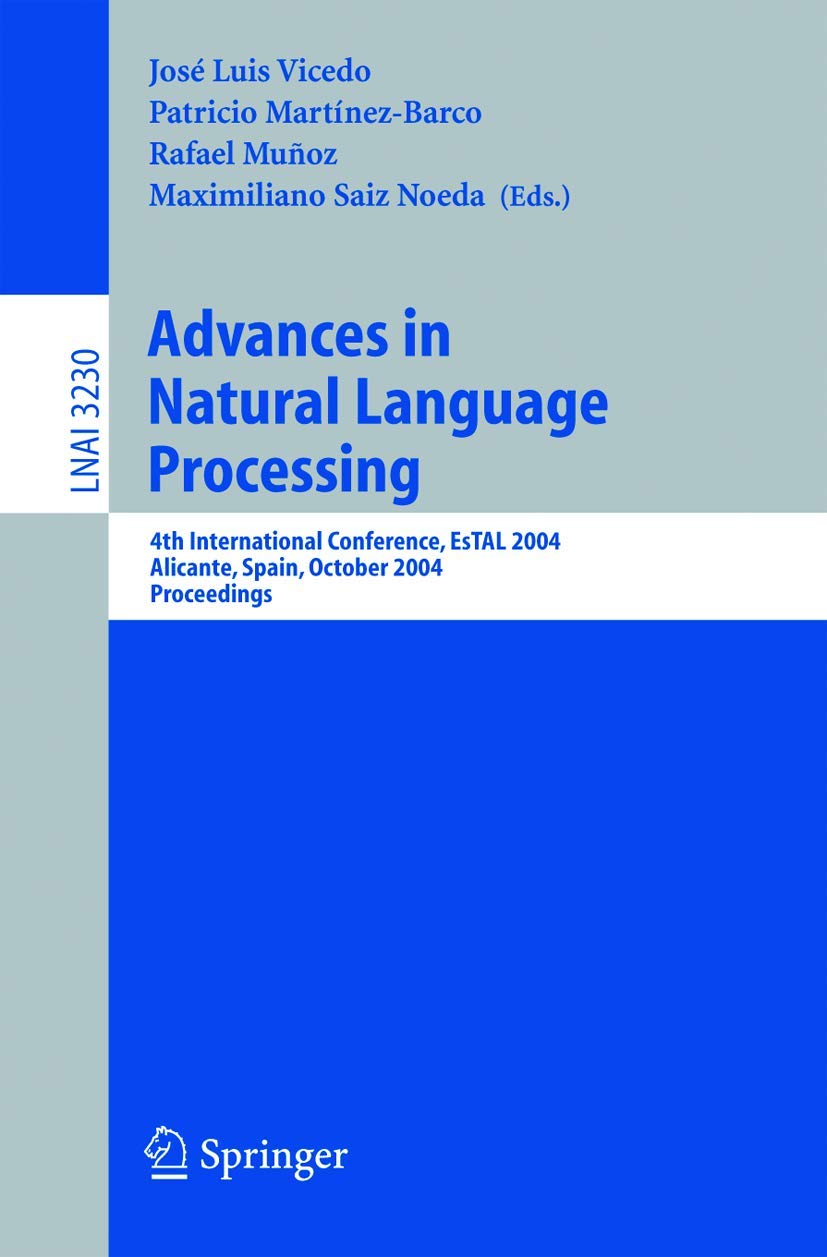
Advances In Natural Language Processing: 4th International Conference, Estal 2004, Alicante, Spain, October 20-22, 2004. Proceedings: 3230 (Lecture Notes in Computer Science)
Computer Science
Multimedia, Communication and Computing Application: Proceedings of the 2014 International Conference on Multimedia, Communication and Computing ... 2014), Xiamen, China, October 16-17, 2014
Computer Science
Cases on Database Technologies and Applications (Cases on Information Technology Series)
Computer Science
ASP.Net 3.5 Social Networking (English, Andrew Siemer)
Related Products
View AllComputer Science
Spring 2.5 Aspect Oriented Programming (English, Massimiliano Dess� | Massimiliano Dessi)
Computer Science
Asterisk 1.4 - the Professional's Guide (English, Colman Carpenter | David Duffett | Nik Middleton)
Computer Science
Advances In Natural Language Processing: 4th International Conference, Estal 2004, Alicante, Spain, October 20-22, 2004. Proceedings: 3230 (Lecture Notes in Computer Science)
Computer Science
Multimedia, Communication and Computing Application: Proceedings of the 2014 International Conference on Multimedia, Communication and Computing ... 2014), Xiamen, China, October 16-17, 2014
Computer Science
Cases on Database Technologies and Applications (Cases on Information Technology Series)
Computer Science