
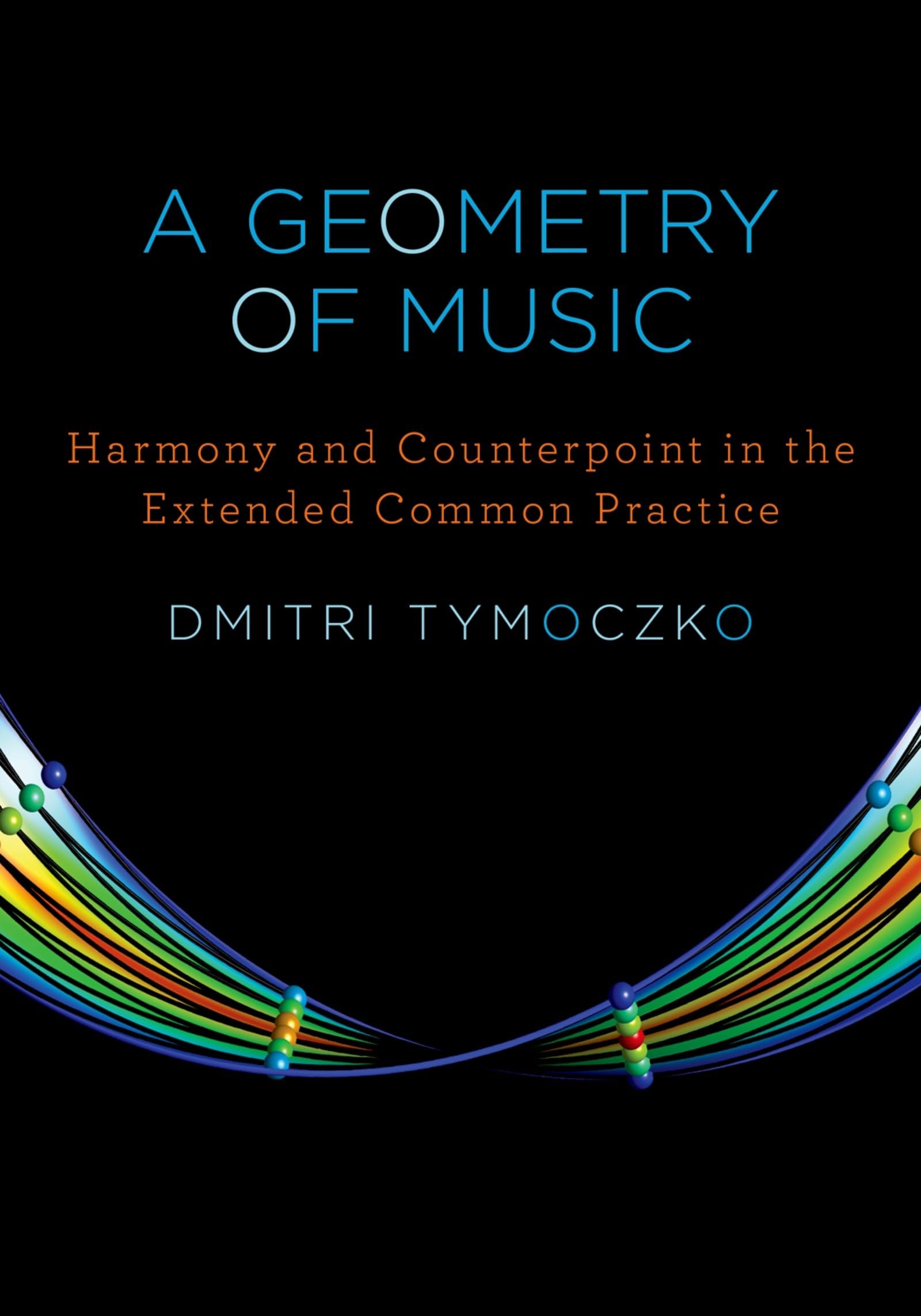
A Geometry of Music: Harmony and Counterpoint in the Extended Common Practice by Dmitri Tymoczko – A Groundbreaking Expl
Inclusive of all applicable taxes. FREE shipping on all orders.
Available Offers
- 🚚Free Delivery — Free shipping on all orders
- 💵Cash on Delivery — Pay when your order arrives
- ↩️15-Day Easy Returns — Hassle-free return policy
- 🔒Cash on Delivery — Pay safely when your order arrives
Check Delivery
Product Description
Introduction
Have you ever wondered what connects a Beatles classic like 'Help!' to the avant-garde rhythms of Stravinsky, or how Radiohead's 'Just' echoes the improvisations of jazz legend Bill Evans? In A Geometry of Music: Harmony and Counterpoint in the Extended Common Practice, Dmitri Tymoczko offers a revolutionary lens to understand the hidden structures behind the music we love. This hardcover edition from Oxford University Press is an essential read for Indian students, musicians, and anyone curious about the mathematical and geometric foundations of Western music. Tymoczko bridges centuries of composition—from medieval polyphony to modern rock—revealing a unified framework that explains why certain chords and progressions feel so satisfying.
Book Overview
This groundbreaking work redefines music theory by introducing a geometric perspective that maps chords, scales, and harmonic relationships onto visual diagrams. Tymoczko identifies five core musical features that create the sense of tonality, showing how they recur across vastly different styles and eras. The book is both a rigorous academic study and an accessible guide, making complex ideas tangible through simple diagrams and real-world examples. Whether you are a student of music, a composer, or a curious listener, this book will transform how you hear and think about music.
Key Highlights
- Revolutionary Framework: Introduces a geometrical approach to understanding harmony and counterpoint, connecting diverse musical traditions.
- Cross-Style Analysis: Explores works by Chopin, Stravinsky, The Beatles, Radiohead, Bill Evans, and many more, highlighting shared principles.
- Non-Euclidean Geometry: Demonstrates how musical chords exist in a curved, non-Euclidean space, offering fresh insights into chord progressions.
- Practical Diagrams: Provides tools to create simple visual representations of musical relationships, bridging the auditory and visual realms.
- Historical Depth: Traces the evolution of tonality from medieval polyphony to contemporary popular music.
Inside the Book
The book is structured to guide readers step by step through Tymoczko's theory. Early chapters introduce the five fundamental features of tonality—such as conjunct melodic motion and harmonic consistency—using accessible language and musical examples. Later chapters dive into advanced topics like chord spaces, voice leading, and the geometry of scales. Each concept is illustrated with clear diagrams and annotated musical excerpts, making abstract ideas concrete. The final sections apply the framework to analyse works from Bach to rock, showing how the same geometric principles underpin vastly different styles.
Key Topics
- The five features of tonality and their role in creating musical coherence
- Geometric models of chord spaces and voice leading
- Non-Euclidean geometry in music theory
- Harmony and counterpoint in the extended common practice period
- Comparative analysis of classical, jazz, and popular music
- Visualising musical relationships through simple diagrams
Reader Benefits
This book offers immense value to Indian readers, especially students and educators in music colleges and universities. It bridges the gap between theoretical musicology and practical composition, providing a fresh perspective that can enhance your own creative work. The geometric approach makes complex harmonic concepts intuitive, helping you analyse and create music with greater depth. Additionally, the cross-cultural examples demonstrate how Western music's underlying logic can be understood universally, enriching your appreciation of both classical and contemporary genres.
Learning Outcomes
By the end of this book, you will be able to: identify the five core features that define tonality in Western music; construct and interpret geometric diagrams of chords and scales; analyse harmonic progressions in works by composers from Chopin to Radiohead; understand the role of non-Euclidean geometry in shaping musical space; and apply these insights to your own compositions or performances. The book equips you with a powerful analytical toolkit that deepens your musical literacy and creative potential.
Who Should Read
A Geometry of Music is ideal for music students at Indian universities and conservatories, especially those studying harmony, counterpoint, or music theory. It is equally valuable for composers, songwriters, and producers who want to understand the structural underpinnings of their craft. Music teachers and researchers will find it a rich resource for curriculum development. Finally, any curious listener with a basic knowledge of music notation and a desire to explore the 'why' behind great music will be captivated by this book.
About the Author
Dmitri Tymoczko is a professor of music theory at Princeton University and a composer whose work spans classical, jazz, and popular styles. He is known for his pioneering research on the geometry of music, which has been featured in leading academic journals and media outlets. Tymoczko's unique blend of mathematical rigour and musical sensitivity makes him the perfect guide for this intellectual journey.
About the Publisher
Oxford University Press (OUP) is a globally respected academic publisher with a rich history of producing authoritative works in music theory and the sciences. This hardcover edition reflects OUP's commitment to quality scholarship and accessible presentation, ensuring that readers in India receive a durable, well-printed volume suitable for both study and reference.
Conclusion
A Geometry of Music is more than a book—it is a new way of seeing and hearing music. Dmitri Tymoczko's geometric framework illuminates the hidden patterns that make music from different eras and styles feel coherent and beautiful. For Indian students and music lovers, this hardcover edition offers an intellectually stimulating and deeply rewarding read. Order your copy from Bookshops.in today and discover the geometry behind the sounds that move us.
Quick Summary
A Geometry of Music by Dmitri Tymoczko is a transformative work that redefines how we understand Western music. By introducing a geometrical framework, Tymoczko reveals the underlying unity between diverse musical styles—from medieval polyphony and classical counterpoint to the improvisations of Bill Evans and the rock of Radiohead and The Beatles. The book identifies five core musical features that create the sense of tonality, explaining why certain chord progressions and melodic patterns sound pleasing across centuries. Readers will learn to visualize musical chords as points in a non-Euclidean space, gaining fresh insights into composition, harmony, and listening. This is not just a textbook; it is a journey through music history with a mathematical lens. Ideal for Indian music students, composers, and theorists, the book bridges academic rigor with accessible prose. Published by Oxford University Press, it is a must-have for anyone serious about music theory. Purchase your copy from Bookshops.in, India's trusted online bookstore, and explore the geometry behind the music you love.
Book Highlights
Book Specifications
| ISBN-13 | 9780195336672 |
| ISBN-10 | 0195336674 |
| Publisher | Oxford Univ Pr on Demand |
| Language | English |
| Dimensions | 18.29 x 3.3 x 25.4 cm |
| Weight | 1 kg 40 g |
| Country | United Kingdom |
| Category | Performing Arts › Music |
| Genre | Non-fiction |
| Reading Age | Adult |
| Original Language | English |
Frequently Asked Questions
What is A Geometry of Music about?
Who is the author of this book?
Is this book suitable for beginners in music theory?
What musical styles does the book cover?
Does the book include musical examples?
How is this book different from other music theory books?
Is this a textbook or a general read?
What is the 'extended common practice'?
Can Indian classical music students benefit from this book?
Is this book available in hardcover?
Does the book discuss electronic or digital music?
What is the price of this book on Bookshops.in?
Why should I buy from Bookshops.in?
Readers Also Search For
Customers Also Bought
Art History
The Italian Renaissance in Art

Art History
Photovoltaic Design & Installation For Dummies | by Mayfield | ForDummies | by Mayfield | ForDummies | by Mayfield | ForDummies | by Mayfield | ForDummies | by Mayfield | ForDummies | by Mayfield | ForDummies | by Mayfield | ForDummies | by Mayfield | ForDummies | by Mayfield | ForDummies | by Mayfield | ForDummies | by Mayfield | ForDummies | by Mayfield | ForDummies | by Mayfield | ForDummies | by Mayfield | ForDummies | by Mayfield | ForDummies | by Mayfield | ForDummies | by Mayfield | ForDu

Art History
Designing School Systems for All Students (English, Robert J. Manley | Richard J. Hawkins)

Art History
Routledge Library Editions: Art and Culture in the Nineteenth Century
Art History
An Errant Design (English, S. H. Long)

Art History
Distributed System Design | by Jie Wu | CRC Press | by Jie Wu | CRC Press | by Jie Wu | CRC Press | by Jie Wu | CRC Press | by Jie Wu | CRC Press | by Jie Wu | CRC Press | by Jie Wu | CRC Press | by Jie Wu | CRC Press | by Jie Wu | CRC Press | by Jie Wu | CRC Press | by Jie Wu | CRC Press | by Jie Wu | CRC Press | by Jie Wu | CRC Press | by Jie Wu | CRC Press | by Jie Wu | CRC Press | by Jie Wu | CRC Press | by Jie Wu | CRC Press | by Jie Wu | CRC Press | by Jie Wu | CRC Press | by Jie Wu | CRC
Related Products
View All
Music
The Cambridge Companion to Michael Tippett by Kenneth Gloag – Music Analysis

Music
Making Light: Haydn, Musical Camp, and the Long Shadow of German Idealism
Music
Music and the Crises of the Modern Subject by Michael L. Klein – Music Theory & Criticism
Music
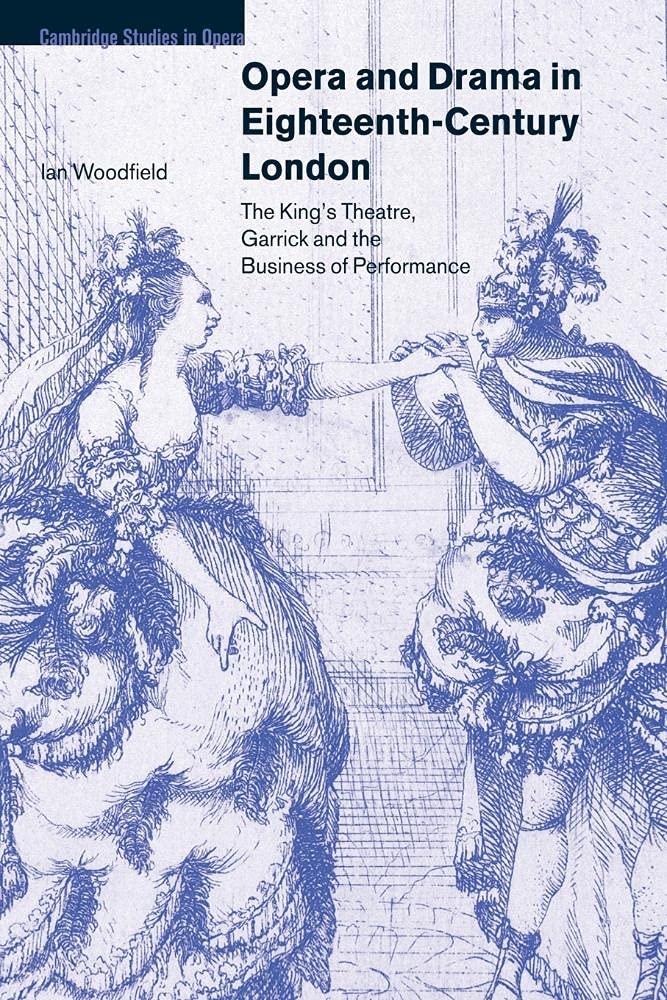
Opera and Drama in Eighteenth-Century London: The King's Theatre, Garrick and the Business of Perfor
Music
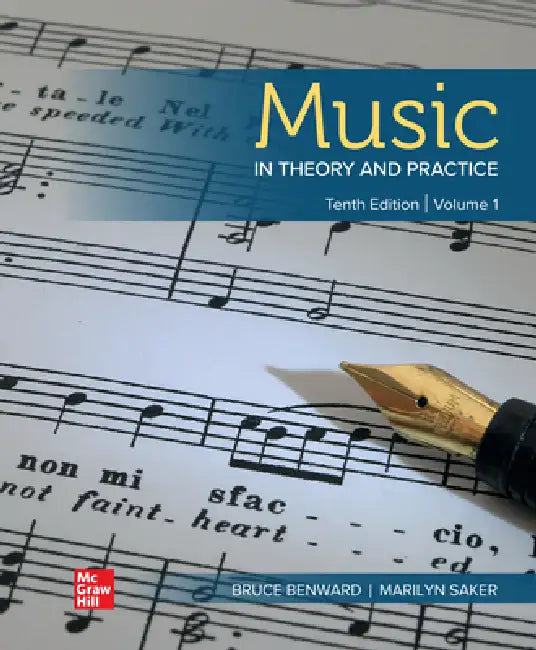
Music in Theory and Practice Volume 1 | by Bruce Benward | Marilyn Saker | McGraw-Hill Companies | by Bruce Benward | Marilyn Saker | McGraw-Hill Companies | by Bruce Benward | Marilyn Saker | McGraw-Hill Companies | by Bruce Benward | Marilyn Saker | McGraw-Hill Companies | by Bruce Benward | Marilyn Saker | McGraw-Hill Companies | by Bruce Benward | Marilyn Saker | McGraw-Hill Companies | by Bruce Benward | Marilyn Saker | McGraw-Hill Companies | by Bruce Benward | Marilyn Saker | McGraw-Hill
Music