
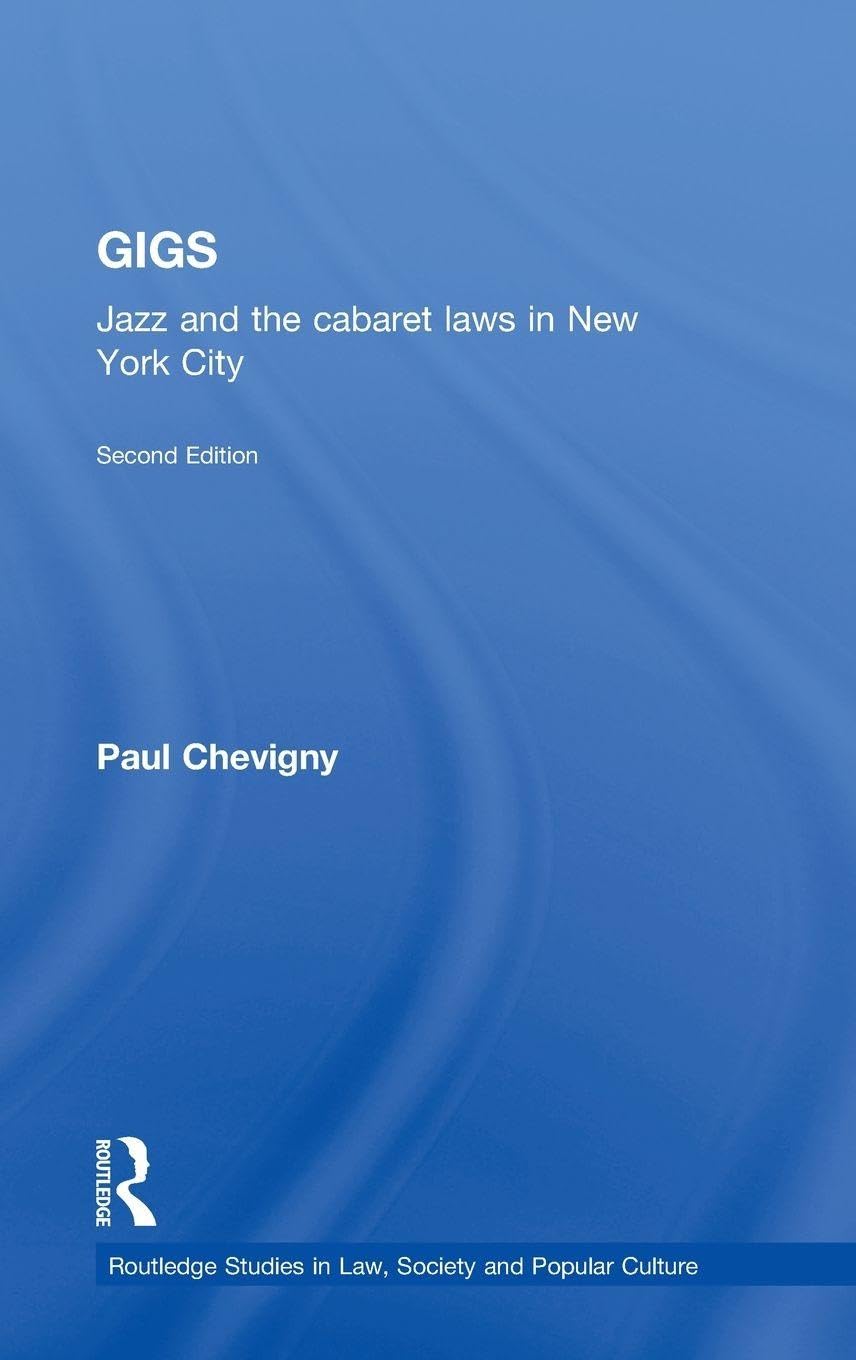
Gigs: Jazz And The Cabaret Laws In New York City – A Legal and Cultural History of Music Licensing Reform by Paul Chevig
Inclusive of all applicable taxes. FREE shipping on all orders.
Available Offers
- 🚚Free Delivery — Free shipping on all orders
- 💵Cash on Delivery — Pay when your order arrives
- ↩️15-Day Easy Returns — Hassle-free return policy
- 🔒Cash on Delivery — Pay safely when your order arrives
Check Delivery
Product Description
Introduction
Gigs: Jazz And The Cabaret Laws In New York City by Paul Chevigny is a compelling exploration of the intersection between law, music, and social change. This hardcover edition, published by Routledge, delves into the historic battle against repressive entertainment licensing laws that once stifled jazz performances in New York City. For Indian readers, law students, and music enthusiasts, this book offers a unique lens into how constitutional litigation can reshape cultural landscapes. It is not just a legal study but a vivid narrative of artists, activists, and lawyers who fought for artistic freedom.
Book Overview
This second edition of Gigs presents a detailed account of the cabaret laws that regulated live music in New York City for decades. Paul Chevigny traces the origins of these laws, their enforcement, and the eventual legal victory that overturned them. The book examines how jazz musicians, particularly those from marginalized communities, were targeted by these regulations. With a new preface by Hamish Birchall, an introduction by series editors Guy Osborn and Steve Greenfield, and an insightful afterword by the author, this volume provides a comprehensive update on the struggle for vernacular music rights. It is a must-read for anyone interested in how law can both suppress and liberate artistic expression.
Key Highlights
- Historic Legal Victory: Chronicles the successful challenge to New York City's cabaret laws, a landmark case for musicians' rights.
- Jazz as a Cultural Force: Shows how jazz was not just music but a catalyst for social and legal reform.
- Second Edition Updates: Includes new commentary from experts, making it relevant for contemporary readers.
- Interdisciplinary Approach: Blends law, sociology, musicology, and urban history into a cohesive narrative.
Inside the Book
The book is structured to guide readers through the legal maze of the cabaret laws. It begins with the historical context of post-war New York, where jazz clubs flourished but faced strict licensing. Chevigny then dissects the legal arguments used to fight the laws, including First Amendment claims. Readers will find court transcripts, interviews with musicians, and policy analysis. The afterword reflects on the aftermath of the victory and its implications for other cities. Each chapter builds a case for how law can be a tool for cultural liberation, making it an engaging read for non-lawyers too.
Key Topics
- Cabaret Laws: The specific regulations that required venues to have a cabaret license to host live music.
- Constitutional Litigation: How the First Amendment was used to challenge discriminatory licensing.
- Jazz History: The role of jazz as a vernacular art form in mid-20th century America.
- Social Change: The broader movement for civil rights and artistic freedom.
Reader Benefits
This book offers Indian readers a powerful case study of how legal systems can be leveraged to protect creative expression. It provides practical insights into the relationship between law and culture, which is relevant for understanding India's own debates on censorship and artistic freedom. For students of law, it demonstrates strategic litigation in action. For music lovers, it reveals the hidden legal battles behind the music they enjoy. The narrative is accessible, avoiding dense legal jargon, making it suitable for a general audience.
Learning Outcomes
- Understand the historical context of entertainment licensing and its impact on musicians.
- Analyse the legal strategies used to overturn repressive laws through constitutional arguments.
- Appreciate the role of jazz in shaping social and legal discourse in urban America.
- Draw parallels between the New York cabaret laws and contemporary issues of cultural regulation in India.
Who Should Read
This book is ideal for law students and legal professionals interested in civil liberties and entertainment law. It is also a treasure for music historians, jazz aficionados, and cultural studies scholars. Indian students of political science and sociology will find the intersection of law, race, and art particularly illuminating. Additionally, activists and policymakers working on cultural rights will benefit from the lessons of this landmark case. Anyone curious about how a city's nightlife can become a courtroom drama will enjoy this read.
About the Author
Paul Chevigny was a distinguished professor of law at New York University School of Law, where he specialised in constitutional law and civil rights. He was also a passionate jazz enthusiast and a member of the New York City Cabaret Law Reform Coalition. His unique background as both a legal scholar and a musician gave him firsthand insight into the struggle documented in this book. Chevigny's writing is known for its clarity and depth, making complex legal issues accessible to a broad audience. His work continues to inspire those who believe in the power of law to foster cultural vibrancy.
About the Publisher
Routledge is a globally respected academic publisher based in the United Kingdom, with a strong presence in India. They are part of the Taylor & Francis Group, known for publishing high-quality books in law, humanities, and social sciences. Routledge's commitment to scholarly excellence ensures that Gigs meets rigorous academic standards while remaining reader-friendly. For Indian readers, Routledge offers a bridge to global legal and cultural discourses, making this book a valuable addition to any library.
Conclusion
Gigs: Jazz And The Cabaret Laws In New York City is more than a legal history; it is a testament to the resilience of artists and the transformative potential of law. Paul Chevigny's masterful storytelling turns a dry legal topic into a gripping narrative of struggle and triumph. For Indian readers, it offers timeless lessons on defending creative freedom through constitutional means. Whether you are a law student, a music lover, or a social activist, this book will enrich your understanding of how law shapes culture. Order your hardcover copy from Bookshops.in today and delve into a story where justice and jazz share the same stage.
Quick Summary
Gigs: Jazz And The Cabaret Laws In New York City by Paul Chevigny is a seminal work that explores the legal and cultural battle over New York City's cabaret licensing laws, which restricted live jazz and vernacular music performances for decades. The book details how musicians, civil liberties groups, and lawyers used constitutional litigation under the First Amendment to overturn these repressive laws, ultimately changing the landscape of live music in the city. This second edition includes a new preface by Hamish Birchall, an introduction by series editors Guy Osborn and Steve Greenfield, and an afterword by the author reflecting on the ongoing relevance of the case. Readers will learn about the intersection of law, music, and social change, and gain insights into how legal strategies can protect artistic freedom. This book is ideal for law students, music historians, cultural policy makers, and anyone interested in the power of law to shape culture. By purchasing from Bookshops.in, Indian readers receive a high-quality hardcover edition with fast delivery and reliable service.
Book Highlights
Book Specifications
| ISBN-13 | 9780415347006 |
| ISBN-10 | 0415347009 |
| Publisher | Routledge |
| Language | English |
| Dimensions | 16.2 x 1.91 x 23.99 cm |
| Weight | 499 g |
| Country | India |
| Category | Performing Arts › Music |
| Genre | Non-fiction |
| Reading Age | Adult |
| Original Language | English |
Frequently Asked Questions
What is the main subject of 'Gigs: Jazz And The Cabaret Laws In New York City'?
Who is the author of this book?
Is this book relevant for Indian readers?
Does the book cover only jazz music?
Who are the contributors to this edition?
What type of readers would benefit most from this book?
Is this a textbook or a narrative history?
Does the book include court cases?
Is the book available in hardcover?
Does the book discuss the role of the ACLU?
Why is the book titled 'Gigs'?
Readers Also Search For
Customers Also Bought
Art History
The Italian Renaissance in Art

Art History
Photovoltaic Design & Installation For Dummies | by Mayfield | ForDummies | by Mayfield | ForDummies | by Mayfield | ForDummies | by Mayfield | ForDummies | by Mayfield | ForDummies | by Mayfield | ForDummies | by Mayfield | ForDummies | by Mayfield | ForDummies | by Mayfield | ForDummies | by Mayfield | ForDummies | by Mayfield | ForDummies | by Mayfield | ForDummies | by Mayfield | ForDummies | by Mayfield | ForDummies | by Mayfield | ForDummies | by Mayfield | ForDummies | by Mayfield | ForDu
Art History
Designing School Systems for All Students (English, Robert J. Manley | Richard J. Hawkins)

Art History
Routledge Library Editions: Art and Culture in the Nineteenth Century

Art History
An Errant Design (English, S. H. Long)

Art History
Distributed System Design | by Jie Wu | CRC Press | by Jie Wu | CRC Press | by Jie Wu | CRC Press | by Jie Wu | CRC Press | by Jie Wu | CRC Press | by Jie Wu | CRC Press | by Jie Wu | CRC Press | by Jie Wu | CRC Press | by Jie Wu | CRC Press | by Jie Wu | CRC Press | by Jie Wu | CRC Press | by Jie Wu | CRC Press | by Jie Wu | CRC Press | by Jie Wu | CRC Press | by Jie Wu | CRC Press | by Jie Wu | CRC Press | by Jie Wu | CRC Press | by Jie Wu | CRC Press | by Jie Wu | CRC Press | by Jie Wu | CRC
Related Products
View All
Music
The Cambridge Companion to Michael Tippett by Kenneth Gloag – Music Analysis
Music
Making Light: Haydn, Musical Camp, and the Long Shadow of German Idealism
Music
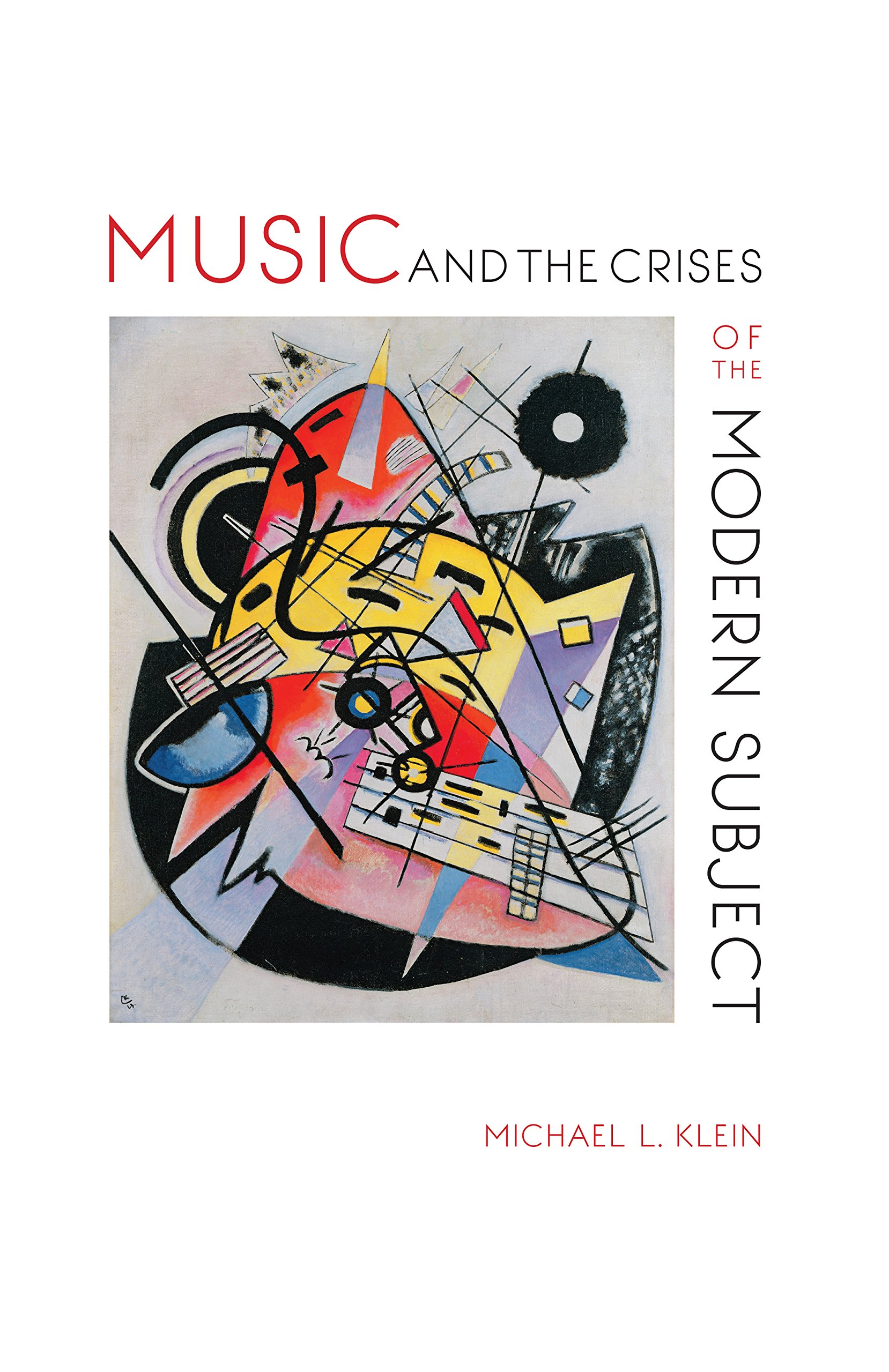
Music and the Crises of the Modern Subject by Michael L. Klein – Music Theory & Criticism
Music
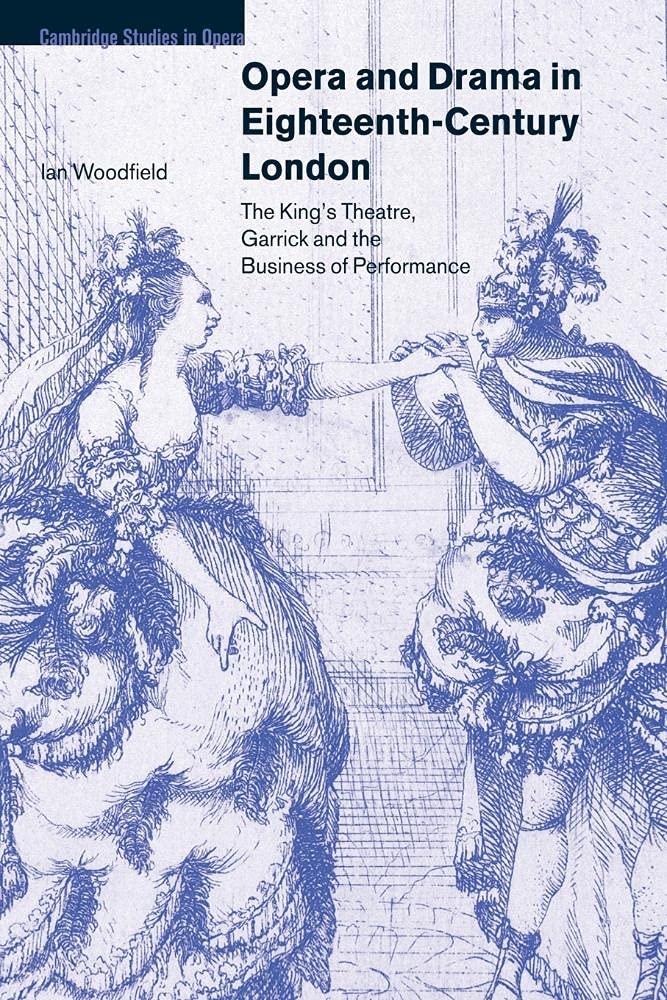
Opera and Drama in Eighteenth-Century London: The King's Theatre, Garrick and the Business of Perfor
Music
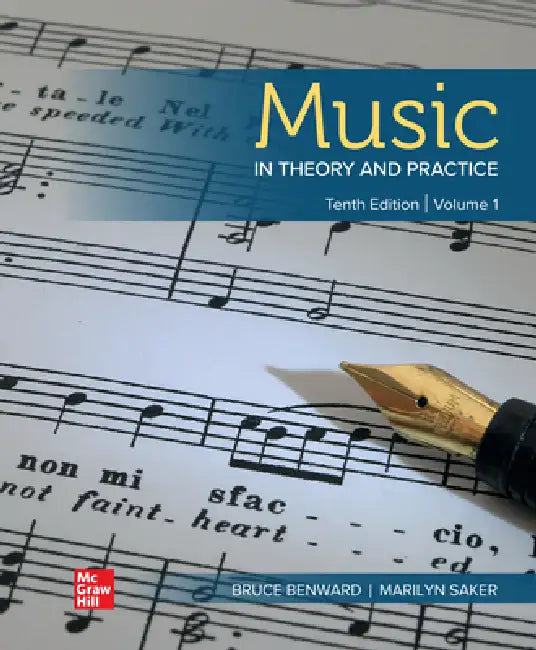
Music in Theory and Practice Volume 1 | by Bruce Benward | Marilyn Saker | McGraw-Hill Companies | by Bruce Benward | Marilyn Saker | McGraw-Hill Companies | by Bruce Benward | Marilyn Saker | McGraw-Hill Companies | by Bruce Benward | Marilyn Saker | McGraw-Hill Companies | by Bruce Benward | Marilyn Saker | McGraw-Hill Companies | by Bruce Benward | Marilyn Saker | McGraw-Hill Companies | by Bruce Benward | Marilyn Saker | McGraw-Hill Companies | by Bruce Benward | Marilyn Saker | McGraw-Hill

Music