
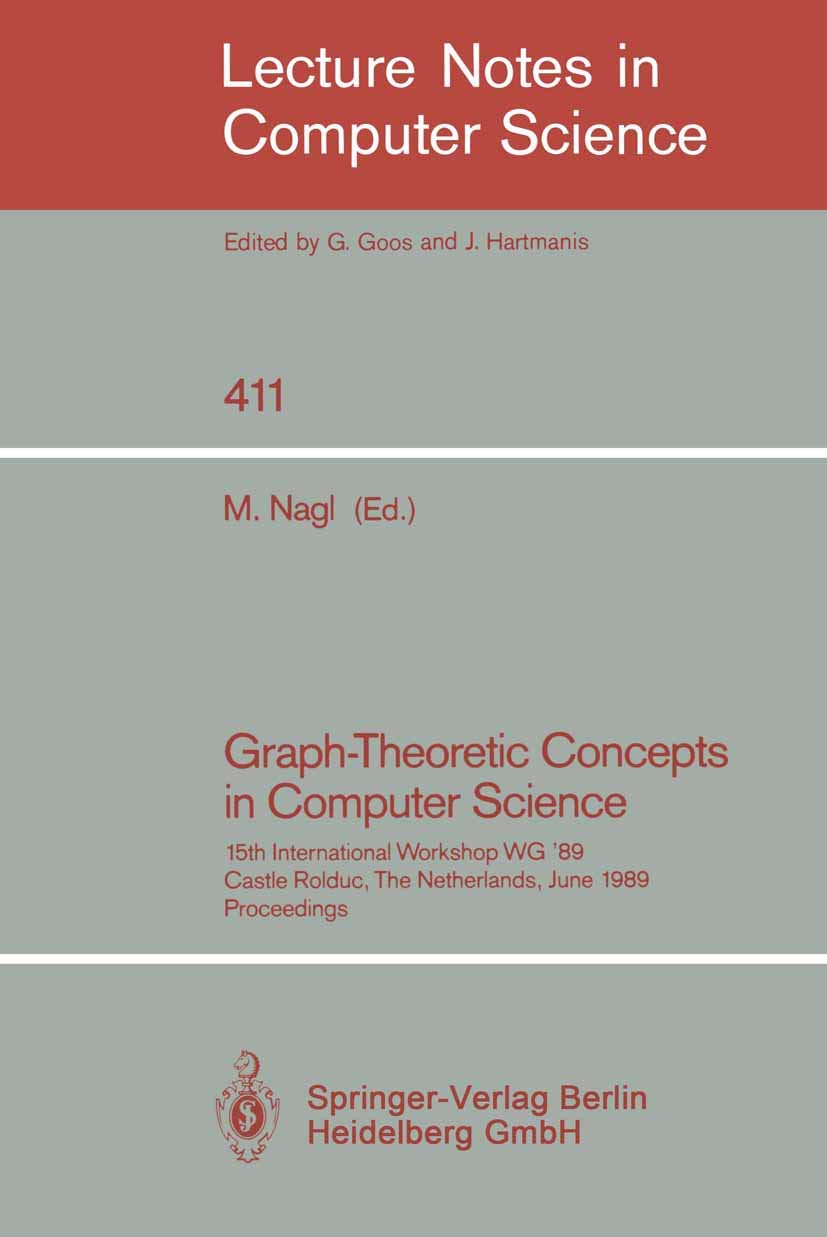
Graph-Theoretic Concepts in Computer Science: 15th International Workshop WG '89, Castle Rolduc, The Netherlands, June 1
Inclusive of all applicable taxes. FREE shipping on all orders.
Available Offers
- 🚚Free Delivery — Free shipping on all orders
- 💵Cash on Delivery — Pay when your order arrives
- ↩️15-Day Easy Returns — Hassle-free return policy
- 🔒Cash on Delivery — Pay safely when your order arrives
Check Delivery
Product Description
Introduction
Graph theory stands as one of the most powerful and versatile tools in computer science, offering a common language to model complex relationships and structures. Graph-Theoretic Concepts in Computer Science: 15th International Workshop WG '89, Castle Rolduc, The Netherlands, June 14-16, 1989, Proceedings captures the essence of a landmark gathering where leading researchers explored the intersection of graph theory and practical computing. Edited by Manfred Nagl and published by Springer, this hardcover volume presents the proceedings of the 1989 workshop, a forum that uniquely bridged theoretical advances with real-world applications. For Indian students, researchers, and professionals seeking a deeper understanding of how graph concepts power modern computing, this book remains a foundational reference, offering timeless insights into distributed systems, VLSI design, software engineering, and more.
Book Overview
This volume compiles the papers presented at the 15th International Workshop on Graph-Theoretic Concepts in Computer Science (WG '89), held in the historic Castle Rolduc in the Netherlands. The workshop series has long been dedicated to fostering integration across computer science disciplines by applying graph-theoretic ideas. Unlike many academic proceedings that focus solely on theory, this collection emphasizes the synergy between abstract graph models and their deployment in solving tangible problems. From parallel computation to computer graphics, the contributions demonstrate how graphs serve as a unifying framework. The hardcover edition ensures durability for frequent reference, making it a valuable addition to any academic or professional library in India.
Key Highlights
- Historical Significance: Captures the state of graph-theoretic research at a pivotal time in computer science evolution, with foundational ideas still relevant today.
- Interdisciplinary Approach: Combines theoretical graph theory with applications in distributed computing, VLSI, CAD, software engineering, and computational geometry.
- Peer-Reviewed Quality: Contains rigorously selected papers from international experts, ensuring high academic standards.
- Practical Orientation: Focuses on how graph concepts solve real-world problems, making it useful for both theorists and practitioners.
- Durable Format: Published as a hardcover by Springer, known for its reliable academic publishing.
Inside the Book
The proceedings open with an exploration of how graph-theoretic methods can detect commonalities across diverse computer science fields. Early papers tackle graph algorithms for distributed and parallel computation, offering efficient solutions for synchronization and communication networks. Subsequent sections delve into VLSI design, where graph theory optimizes chip layout and routing. The software engineering chapters use graphs to model program structures, data flow, and dependencies, aiding in debugging and maintenance. Computer graphics benefits from graph-based representations of scenes and transformations. Data structures are reimagined through graph lenses, while computational geometry leverages graphs for spatial reasoning. Each paper balances mathematical rigor with illustrative examples, making complex ideas accessible. The volume concludes with discussions on open problems, inspiring future research directions.
Key Topics
- Distributed and Parallel Computation: Graph models for processor communication, load balancing, and fault tolerance.
- VLSI and CAD: Graph algorithms for circuit layout, routing, and design automation.
- Software Engineering: Graph-based program analysis, control flow, and module dependency graphs.
- Computer Graphics: Graph representations for scene graphs, geometric transformations, and rendering.
- Data Structures: Graph-theoretic foundations for heaps, trees, and network structures.
- Computational Geometry: Graph applications in Voronoi diagrams, triangulations, and spatial queries.
- Algorithm Design: Efficient graph traversal, matching, coloring, and network flow techniques.
Reader Benefits
This book offers Indian readers a rare opportunity to access classic research that shaped modern computer science. Students will gain a solid foundation in graph theory’s practical relevance, helping them excel in competitive exams, advanced courses, and research. Researchers will find a treasure trove of seminal ideas that continue to inspire new work in AI, networks, and systems design. Professionals in software engineering, VLSI, or data science can apply the graph-based methodologies directly to optimize algorithms and architectures. The interdisciplinary nature of the content encourages creative problem-solving, allowing readers to see connections between fields often treated in isolation. Moreover, the hardcover format ensures longevity, making it a reliable reference for years to come.
Learning Outcomes
- Understand how graph theory unifies diverse computer science domains, from hardware design to software analysis.
- Gain proficiency in applying graph algorithms to solve real-world problems in distributed systems and VLSI.
- Learn to model complex systems using graphs, enabling clearer reasoning about structure and behavior.
- Develop skills to analyze and optimize data structures and algorithms through graph-theoretic lenses.
- Acquire historical perspective on foundational graph concepts that underpin modern computing technologies.
- Enhance ability to read and critique academic papers, preparing for advanced research or industry roles.
Who Should Read
This book is ideal for computer science students at the postgraduate and advanced undergraduate levels who are studying graph theory, algorithms, or systems design. Researchers in theoretical computer science, applied mathematics, or engineering will find the proceedings valuable for understanding the evolution of graph methods. Practitioners working in software development, VLSI design, or network engineering can gain practical insights from the application-focused papers. Indian educators looking to enrich their curriculum with classic research material will appreciate the depth and breadth of content. Additionally, professionals preparing for interviews or competitive programming contests can benefit from the algorithmic rigor presented in this volume.
About the Author
Manfred Nagl is a distinguished computer scientist known for his extensive contributions to graph theory, software engineering, and formal methods. As the editor of this proceedings, he curated a collection that reflects the highest standards of academic excellence. His work has influenced generations of researchers in Europe and beyond, particularly in the areas of graph transformations and software architecture. Nagl’s editorial vision ensures that the workshop’s interdisciplinary spirit is preserved, making this volume a coherent and insightful read.
About the Publisher
Springer is one of the world’s most respected academic publishers, with a legacy spanning over 180 years. Renowned for its rigorous peer-review process and high-quality production, Springer publishes cutting-edge research in science, technology, and medicine. This hardcover edition reflects Springer’s commitment to durability and readability, ensuring that the content remains accessible for decades. For Indian readers, Springer books are synonymous with reliability and scholarly authority, making this volume a trusted resource for academic and professional growth.
Conclusion
Graph-Theoretic Concepts in Computer Science: 15th International Workshop WG '89 is more than a historical record—it is a living document that continues to inform and inspire. By bridging theory and practice, it offers Indian students and professionals a unique lens through which to understand the fabric of computer science. Whether you are delving into distributed algorithms, VLSI design, or software engineering, the insights within these pages will sharpen your analytical skills and broaden your perspective. Add this hardcover classic to your collection and explore the enduring power of graph theory in shaping the digital world.
Quick Summary
This book is the official proceedings of the 15th International Workshop WG '89, held at Castle Rolduc in the Netherlands. Edited by Manfred Nagl, it brings together peer-reviewed papers that demonstrate how graph-theoretic concepts serve as a common foundation across diverse computer science fields. The volume covers both theoretical advances and practical applications, including VLSI design, CAD, distributed and parallel computation, software engineering, computer graphics, data structures, and computational geometry. It is intended for researchers, postgraduate students, and professionals who wish to explore the unifying power of graphs in computing. Readers will learn about classic algorithms, graph-based modeling techniques, and interdisciplinary approaches that remain influential today. Buying from Bookshops.in ensures you receive a genuine hardcover edition from Springer, delivered to your doorstep in India. This book is an essential addition to any academic library or personal collection focused on theoretical computer science.
Book Highlights
Book Specifications
| ISBN-13 | 9783540522928 |
| ISBN-10 | 3540522921 |
| Publisher | Springer-Verlag Berlin and Heidelberg GmbH & Co. K |
| Language | English |
| Dimensions | 15.49 x 2.24 x 23.5 cm |
| Weight | 549 g |
| Country | India |
| Category | Languages › C & C++ |
| Series | Lecture Notes in Computer Science |
| Genre | Non-fiction |
| Original Language | English |
Frequently Asked Questions
What is the book 'Graph-Theoretic Concepts in Computer Science' about?
Who is the author of this book?
Is this book suitable for undergraduate students?
What topics are covered in this volume?
What is the ISBN of this book?
Is this book available in hardcover?
Can I use this book for my research in graph algorithms?
Does the book cover practical applications?
Where was the workshop held?
Is this book part of a series?
What language is the book in?
Why should I buy this book from Bookshops.in?
Is this book relevant for Indian computer science students?
Readers Also Search For
Customers Also Bought

Programming
Algorithmische Sprache Und Programmentwicklung | by H. Partsch | F. L. Bauer | P. Pepper | Springer | by H. Partsch | F. L. Bauer | P. Pepper | Springer | by H. Partsch | F. L. Bauer | P. Pepper | Springer | by H. Partsch | F. L. Bauer | P. Pepper | Springer | by H. Partsch | F. L. Bauer | P. Pepper | Springer | by H. Partsch | F. L. Bauer | P. Pepper | Springer | by H. Partsch | F. L. Bauer | P. Pepper | Springer | by H. Partsch | F. L. Bauer | P. Pepper | Springer | by H. Partsch | F. L. Bauer
Programming
Distributed Algorithms | by Jean-Claude Bermond | Michel Raynal | Springer | by Jean-Claude Bermond | Michel Raynal | Springer | by Jean-Claude Bermond | Michel Raynal | Springer | by Jean-Claude Bermond | Michel Raynal | Springer | by Jean-Claude Bermond | Michel Raynal | Springer | by Jean-Claude Bermond | Michel Raynal | Springer | by Jean-Claude Bermond | Michel Raynal | Springer | by Jean-Claude Bermond | Michel Raynal | Springer | by Jean-Claude Bermond | Michel Raynal | Springer | by Jean
Programming
Meta-Level Control for Deductive Database Systems | by Helmut Schmidt | Springer | by Helmut Schmidt | Springer | by Helmut Schmidt | Springer | by Helmut Schmidt | Springer | by Helmut Schmidt | Springer | by Helmut Schmidt | Springer | by Helmut Schmidt | Springer | by Helmut Schmidt | Springer | by Helmut Schmidt | Springer | by Helmut Schmidt | Springer | by Helmut Schmidt | Springer | by Helmut Schmidt | Springer | by Helmut Schmidt | Springer | by Helmut Schmidt | Springer | by Helmut Schm
Programming
Java Web Services | by David A. Chappell | Tyler Jewell | O'Reilly Media | by David A. Chappell | Tyler Jewell | O'Reilly Media | by David A. Chappell | Tyler Jewell | O'Reilly Media | by David A. Chappell | Tyler Jewell | O'Reilly Media | by David A. Chappell | Tyler Jewell | O'Reilly Media | by David A. Chappell | Tyler Jewell | O'Reilly Media | by David A. Chappell | Tyler Jewell | O'Reilly Media | by David A. Chappell | Tyler Jewell | O'Reilly Media | by David A. Chappell | Tyler Jewell | O'
Programming
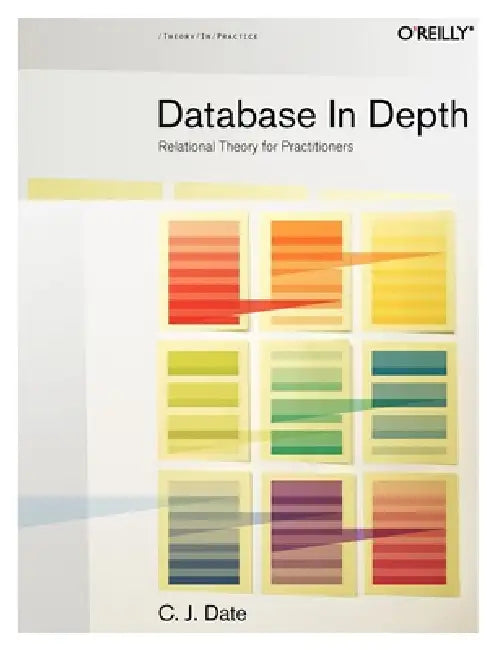
Database in Depth | by Chris J. Date | O'Reilly Media | by Chris J. Date | O'Reilly Media | by Chris J. Date | O'Reilly Media | by Chris J. Date | O'Reilly Media | by Chris J. Date | O'Reilly Media | by Chris J. Date | O'Reilly Media | by Chris J. Date | O'Reilly Media | by Chris J. Date | O'Reilly Media | by Chris J. Date | O'Reilly Media | by Chris J. Date | O'Reilly Media | by Chris J. Date | O'Reilly Media | by Chris J. Date | O'Reilly Media | by Chris J. Date | O'Reilly Media | by Chris J.
Programming
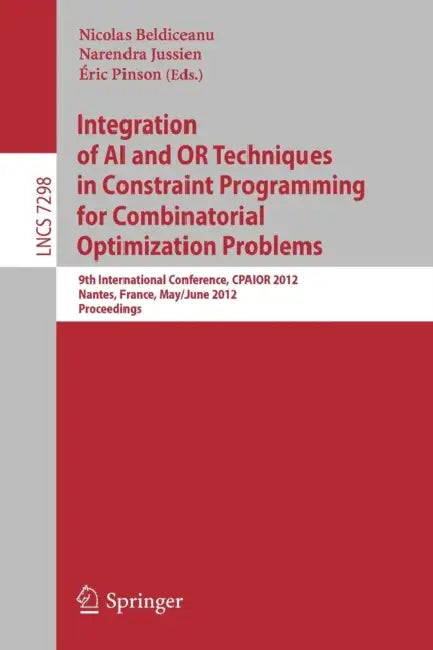
Integration of AI and OR Techniques in Constraint Programming for Combinatorial Optimization Problem | by Nicolas Beldiceanu | Narendra Jussien | Eric Pinson | Springer | by Nicolas Beldiceanu | Narendra Jussien | Eric Pinson | Springer | by Nicolas Beldiceanu | Narendra Jussien | Eric Pinson | Springer | by Nicolas Beldiceanu | Narendra Jussien | Eric Pinson | Springer | by Nicolas Beldiceanu | Narendra Jussien | Eric Pinson | Springer | by Nicolas Beldiceanu | Narendra Jussien | Eric Pinson |
Related Products
View All
Computers & Internet
Modern Full-Stack React Projects by Daniel Bugl
Computers & Internet
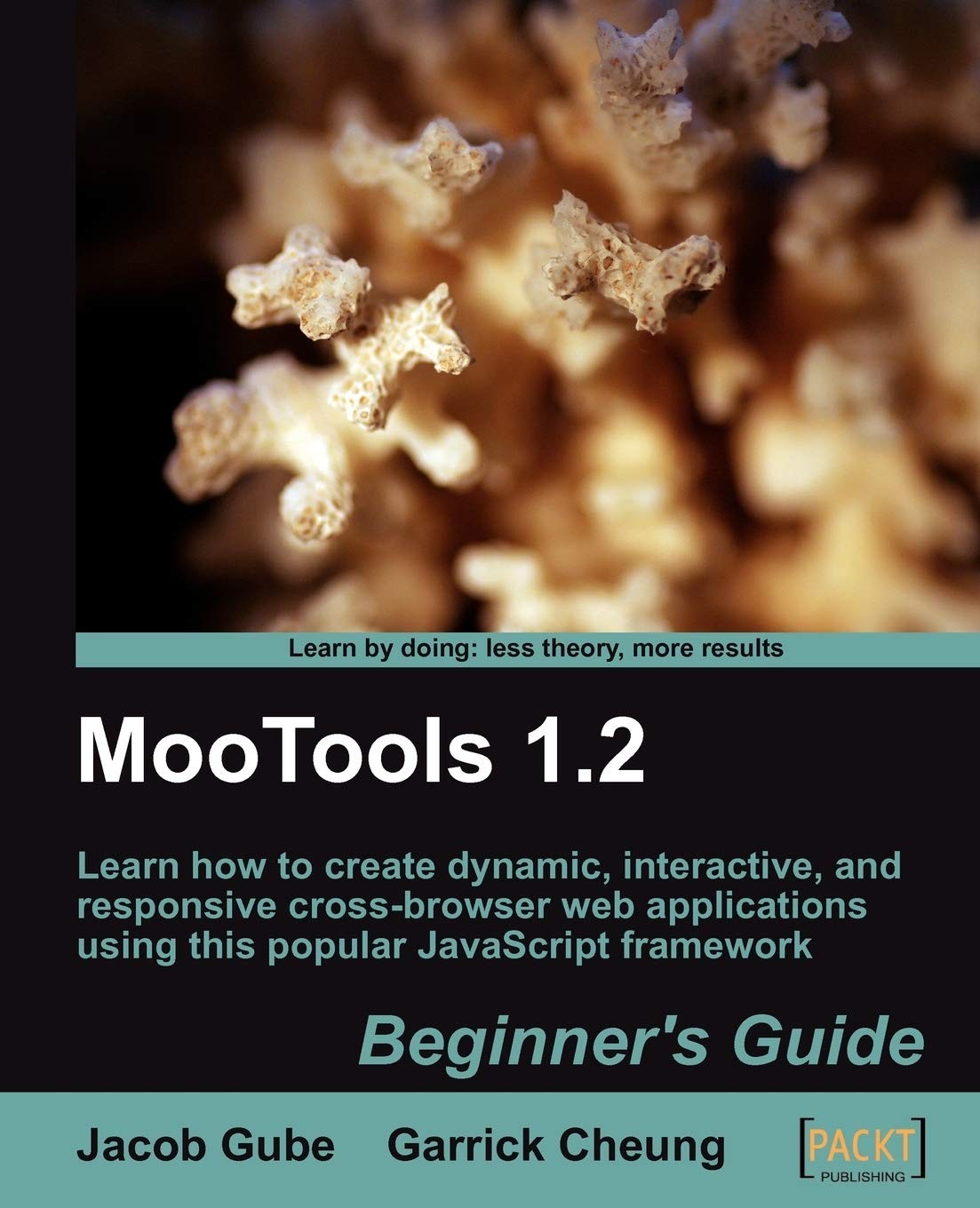
Mootools 1.2 Beginner's Guide (English, Jacob Gube)
Computers & Internet
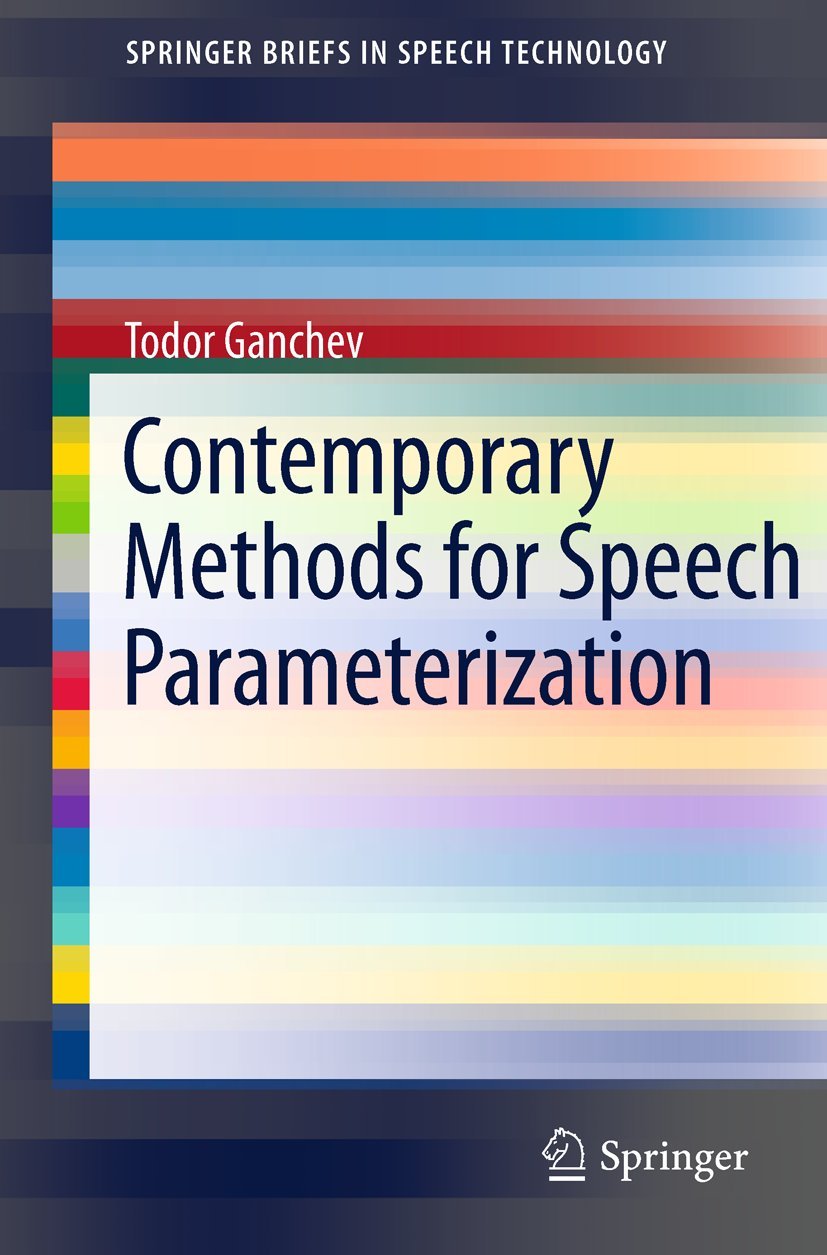
Contemporary Methods for Speech Parameterization (Springerbriefs in Electrical and Computer Engineering / Springerbriefs in Speech Technology)

Computers & Internet
Information Technology and Lawyers | by Arno R. Lodder | Anja Oskamp | Springer | by Arno R. Lodder | Anja Oskamp | Springer | by Arno R. Lodder | Anja Oskamp | Springer | by Arno R. Lodder | Anja Oskamp | Springer | by Arno R. Lodder | Anja Oskamp | Springer | by Arno R. Lodder | Anja Oskamp | Springer | by Arno R. Lodder | Anja Oskamp | Springer | by Arno R. Lodder | Anja Oskamp | Springer | by Arno R. Lodder | Anja Oskamp | Springer | by Arno R. Lodder | Anja Oskamp | Springer | by Arno R. Lo

Computers & Internet
Digital Analysis of Remotely Sensed Imagery | by Jay Gao | McGraw-Hill Companies | by Jay Gao | McGraw-Hill Companies | by Jay Gao | McGraw-Hill Companies | by Jay Gao | McGraw-Hill Companies | by Jay Gao | McGraw-Hill Companies | by Jay Gao | McGraw-Hill Companies | by Jay Gao | McGraw-Hill Companies | by Jay Gao | McGraw-Hill Companies | by Jay Gao | McGraw-Hill Companies | by Jay Gao | McGraw-Hill Companies | by Jay Gao | McGraw-Hill Companies | by Jay Gao | McGraw-Hill Companies | by Jay Gao
Computers & Internet