

Hagia Sophia and the Byzantine Aesthetic Experience by Nadine Schibille – A Deep Dive into Early Byzantine Art and Neopl
Inclusive of all applicable taxes. FREE shipping on all orders.
Available Offers
- 🚚Free Delivery — Free shipping on all orders
- 💵Cash on Delivery — Pay when your order arrives
- ↩️15-Day Easy Returns — Hassle-free return policy
- 🔒Cash on Delivery — Pay safely when your order arrives
Check Delivery
Product Description
Introduction
Step into the luminous world of early Byzantium with Hagia Sophia and the Byzantine Aesthetic Experience, a compelling scholarly work by Nadine Schibille. This hardcover volume from Routledge takes readers on an immersive journey through the architectural and sensory marvels of Hagia Sophia, the grand cathedral built in Constantinople between 532 and 537 CE. Rather than a dry historical account, the book explores how beauty was understood, experienced, and defined in the early Byzantine period. For Indian readers with an interest in art history, philosophy, or religious architecture, this book offers a rare glimpse into how a sacred space shaped an entire civilization's sense of the sublime.
Book Overview
This book re-evaluates Byzantine aesthetic thought by placing it in dialogue with late antique Neoplatonism and the writings of Pseudo-Dionysius. Schibille argues that the concept of beauty in early Byzantium was not merely theoretical but deeply rooted in sensory experience. The study examines both the aesthetic data embedded in the sixth-century architecture and interior decoration of Hagia Sophia, as well as the aesthetic responses of its contemporary beholders. By doing so, it reveals how the church served as a living embodiment of metaphysical ideas, where light, space, and material converged to create a transformative encounter. The book is an essential read for anyone seeking to understand the cultural identity of early Byzantium through its most iconic monument.
Key Highlights
- Offers a fresh perspective on the aesthetic significance of Hagia Sophia beyond its architectural grandeur.
- Connects Byzantine aesthetic theory with Neoplatonic and Pseudo-Dionysian philosophy.
- Explores the interplay between the aesthetic object (the church) and the aesthetic response of its viewers.
- Draws on original research to illuminate how sensory perception shaped Byzantine identity.
- Provides a nuanced understanding of beauty as both a metaphysical and experiential phenomenon.
Inside the Book
The book is structured around a detailed analysis of Hagia Sophia's architectural elements, including its vast dome, marble revetments, gold mosaics, and the play of natural light. Schibille examines how these features were not merely decorative but were intended to evoke a sense of the divine. She also delves into the writings of Pseudo-Dionysius, whose ideas about light and hierarchy profoundly influenced Byzantine art. The text is rich with scholarly insights, yet remains accessible to advanced students and general readers alike. Each chapter builds a case for understanding Byzantine aesthetics as a dynamic, embodied experience rather than a static set of rules.
Key Topics
- Early Byzantine identity and cultural formation
- The role of Neoplatonism in shaping aesthetic theory
- Pseudo-Dionysius and the metaphysics of light
- Architectural symbolism in Hagia Sophia
- Materiality and sensory perception in sacred spaces
- The concept of beauty as a bridge between the material and the divine
Reader Benefits
- Gain a deep understanding of how art and architecture functioned in early Byzantine society.
- Learn to appreciate Hagia Sophia not just as a building, but as a philosophical and spiritual statement.
- Develop critical tools for analyzing aesthetic experience in historical contexts.
- Enhance your knowledge of late antique philosophy and its influence on Christian art.
- Discover connections between Byzantine aesthetics and broader themes in art history.
Learning Outcomes
By reading this book, you will be able to articulate the key principles of early Byzantine aesthetic thought, identify the philosophical sources that informed them, and analyze how the design of Hagia Sophia embodied these ideas. You will also learn to distinguish between different types of aesthetic data—those present in the object itself and those arising from human perception. This book equips you with a framework for understanding how a culture's sense of beauty can be both deeply philosophical and intensely sensory.
Who Should Read
This book is ideal for students and scholars of art history, Byzantine studies, philosophy, religious studies, and architecture. It is also a rewarding read for anyone fascinated by the intersection of spirituality, aesthetics, and cultural history. Indian readers with an interest in comparative religious architecture or the philosophical underpinnings of sacred art will find much to ponder. Whether you are a postgraduate student researching Byzantine culture or a curious reader exploring the roots of Western aesthetics, this volume offers substantial intellectual nourishment.
About the Author
Nadine Schibille is a respected scholar in Byzantine art and architectural history. Her research focuses on the aesthetic and sensory dimensions of late antique and Byzantine monuments. With a keen eye for both philosophical nuance and material culture, she brings a multidisciplinary approach to her work, making her insights valuable to both specialists and informed general readers.
About the Publisher
Routledge is a leading academic publisher known for its high-quality titles in the humanities and social sciences. With a global reputation for scholarly excellence, Routledge brings authoritative works like this one to students, researchers, and lifelong learners around the world.
Conclusion
Hagia Sophia and the Byzantine Aesthetic Experience is more than a book about a building—it is a profound exploration of how beauty, light, and space can shape a civilization's soul. Nadine Schibille's meticulous research and clear exposition make this hardcover edition a valuable addition to any library. For Indian readers passionate about art, philosophy, or history, this book opens a window into a world where the divine was felt through marble and mosaic. Order your copy today from Bookshops.in and embark on an intellectual journey through one of humanity's greatest architectural achievements.
Quick Summary
'Hagia Sophia and the Byzantine Aesthetic Experience' by Nadine Schibille is a scholarly work that delves into the aesthetic dimensions of early Byzantine culture through the lens of its most iconic monument, Hagia Sophia. The book re-evaluates Byzantine aesthetic thought by connecting it to late antique Neoplatonism and the mystical writings of Pseudo-Dionysius, offering a fresh understanding of how beauty and art were conceived in this period. Schibille argues that these metaphysical concepts were grounded in sensory perception and embodied experience, reflecting the cultural identity of early Byzantium. The book is intended for students and scholars of art history, Byzantine studies, philosophy, and theology. Readers will learn about the philosophical underpinnings of Byzantine art, the role of light and space in Hagia Sophia, and how aesthetic experience shaped religious and cultural identity. By purchasing from Bookshops.in, Indian readers gain access to a premium hardcover edition of this Routledge publication, ensuring a quality addition to their academic library.
Book Highlights
Book Specifications
| ISBN-13 | 9781472437587 |
| ISBN-10 | 1472437586 |
| Publisher | Ashgate Pub Co |
| Language | English |
| Dimensions | 16.2 x 2.31 x 23.99 cm |
| Weight | 771 g |
| Category | History Textbooks › Ancient |
| Genre | Art History |
| Original Language | English |
Frequently Asked Questions
What is the main focus of 'Hagia Sophia and the Byzantine Aesthetic Experience'?
Who is the author of this book?
Is this book suitable for undergraduate students?
What philosophical traditions does the book engage with?
Does the book cover the architecture of Hagia Sophia?
Which publisher released this book?
Is this a hardcover edition?
What is the ISBN-13 of this book?
What is the price of this book?
What is the rating of this book?
Does the book include illustrations?
Can I use this book for a research paper on Byzantine aesthetics?
Where can I buy this book in India?
Readers Also Search For
Customers Also Bought

British Archaeological Reports Oxford Ltd
Copies of the Fel Temp Reparatio Coinage in Britain | by R. J. Brickstock | British Archaeological Reports Oxford Ltd | by R. J. Brickstock | British Archaeological Reports Oxford Ltd | by R. J. Brickstock | British Archaeological Reports Oxford Ltd | by R. J. Brickstock | British Archaeological Reports Oxford Ltd | by R. J. Brickstock | British Archaeological Reports Oxford Ltd | by R. J. Brickstock | British Archaeological Reports Oxford Ltd | by R. J. Brickstock | British Archaeological Repor

de Gruyter
Baby - Cutter (English, Gerhard Strau | Heidrun Kamper-Jensen | Isolde Nortmeyer)

de Gruyter Mouton
Stratégies Et Choix Dans La Recherche (English, G. Lemaine | M. Clémençon | A. Gomis)
Packt Publishing
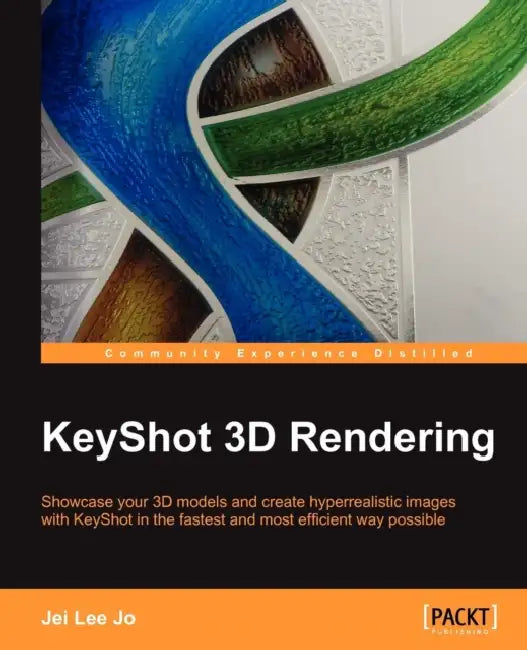
Keyshot 3D Rendering (English, Jei Lee Jo)

Taylor & Francis Ltd
Oppositional Voices (English, Kronitiris Tina)

de Gruyter Mouton
Regional Development (English, John H. Cumberland)
Related Products
View All
Routledge
Ordinary People and Extra-Ordinary Protections (English, Judith L. Mitrani)

Routledge
Federalism and European Union | by Michael Burgess | Routledge | by Michael Burgess | Routledge | by Michael Burgess | Routledge | by Michael Burgess | Routledge | by Michael Burgess | Routledge | by Michael Burgess | Routledge | by Michael Burgess | Routledge | by Michael Burgess | Routledge | by Michael Burgess | Routledge | by Michael Burgess | Routledge | by Michael Burgess | Routledge | by Michael Burgess | Routledge | by Michael Burgess | Routledge | by Michael Burgess | Routledge | by Mic

Routledge
Power on Display (English, Leonard Tennenhouse)

Routledge
Performance Practice (English, Roland Jackson)

Routledge
The Shorter Logical Investigations (English, Husserl Edmund | Dermot Moran | J. N. Findlay)

Routledge