
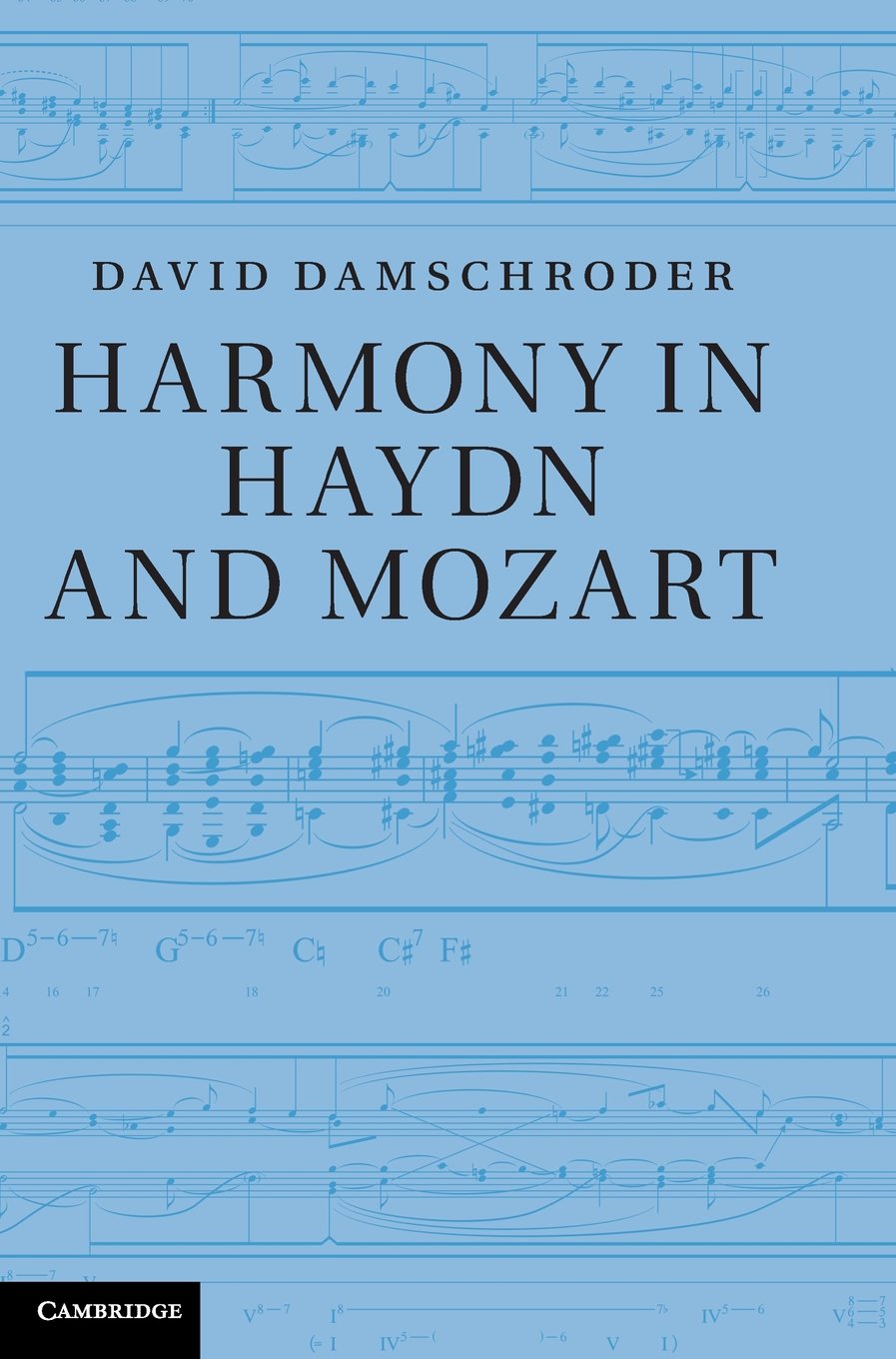
Harmony in Haydn and Mozart: A Schenkerian Approach to Classical Music Analysis by David Damschroder – Cambridge Univers
Inclusive of all applicable taxes. FREE shipping on all orders.
Available Offers
- 🚚Free Delivery — Free shipping on all orders
- 💵Cash on Delivery — Pay when your order arrives
- ↩️15-Day Easy Returns — Hassle-free return policy
- 🔒Cash on Delivery — Pay safely when your order arrives
Check Delivery
Product Description
Introduction
For students of music theory, performers, and scholars of the Classical era, understanding the intricate harmonic language of Haydn and Mozart is both a challenge and a delight. Harmony in Haydn and Mozart by David Damschroder offers a rigorous yet accessible exploration of the tonal structures that define the works of these two towering composers. Published by Cambridge University Press, this hardcover volume is an essential resource for anyone seeking to deepen their analytical skills and appreciate the genius behind the notes.
Book Overview
This book bridges the gap between traditional harmonic analysis and modern Schenkerian methods, providing readers with a comprehensive toolkit for dissecting the music of Haydn and Mozart. Damschroder begins with short excerpts from string quartets, gradually building up to full movements from symphonies, operas, and piano concertos. Each analysis is presented with clarity, making complex theoretical concepts understandable for Indian students and music enthusiasts alike. The book does not merely describe harmony—it teaches you how to hear, think, and write about it with precision.
Key Highlights
- Innovative Analytical Approach: Integrates Schenkerian voice-leading principles with a fresh perspective on harmonic function, offering a new lens through which to view Classical music.
- Extensive Musical Examples: Features detailed analyses of twelve expositions from Haydn piano sonatas, six arias in G minor from Mozart operas, and three rondos in D major from piano concertos by both composers.
- Masterworks Section: Six in-depth analyses of complete movements from symphonies, string quartets, and operas, with comparisons to the work of renowned theorists like Kofi Agawu, Robert Gjerdingen, James Hepokoski, and Carl Schachter.
- Progressive Structure: Moves from simple excerpts to complex full movements, making it suitable for both beginners and advanced readers.
Inside the Book
The book is divided into two main parts. The first part, Introductory Chapters, builds your analytical foundation through short excerpts from string quartets. You will learn to identify harmonic patterns, voice-leading schemas, and phrase structures. The second part, Masterworks, applies these tools to complete movements, including the first movement of Mozart's Symphony No. 40 in G minor and Haydn's String Quartet Op. 76 No. 2. Each analysis is accompanied by annotated musical examples, graphs, and diagrams that illuminate the underlying structure.
Key Topics
- Schenkerian voice-leading and reduction techniques
- Harmonic function and tonicization in Classical style
- Phrase structure and periodicity in Haydn and Mozart
- Analysis of sonata-form expositions and recapitulations
- Comparison of analytical methods (Schenker, Gjerdingen, Hepokoski–Darcy)
- Role of chromaticism and modal mixture in late eighteenth-century music
Reader Benefits
This book empowers you to move beyond surface-level listening and engage with music as a living, breathing structure. You will gain the confidence to analyze any Classical-era work, write about harmony with authority, and perform with deeper understanding. For Indian students preparing for music theory examinations or university courses, this book provides a solid grounding in Western classical harmony that is rarely available in such a focused, systematic form.
Learning Outcomes
- Ability to create voice-leading reductions of short excerpts and complete movements
- Understanding of how Haydn and Mozart manipulate harmonic expectations to create drama and coherence
- Skill in comparing different analytical perspectives and forming your own interpretations
- Enhanced appreciation for the structural ingenuity of two of history's greatest composers
Who Should Read
This book is ideal for music theory students at the undergraduate or postgraduate level, classical musicians (pianists, violinists, conductors) who wish to deepen their interpretative skills, and musicologists specializing in the Classical period. It is also valuable for self-taught enthusiasts with a basic knowledge of music theory who want to explore advanced harmonic analysis. Indian readers pursuing degrees in Western classical music from institutions like KM Music Conservatory or Delhi University will find it particularly relevant.
About the Author
David Damschroder is a distinguished music theorist and professor at the University of Minnesota. He is the author of several influential books on harmony and analysis, including Thinking about Harmony and Harmony in Schubert. His work is known for combining rigorous Schenkerian analysis with a clear, pedagogical style that makes complex ideas accessible. Damschroder’s deep engagement with the music of Haydn and Mozart has made him a leading voice in contemporary analytical discourse.
About the Publisher
Cambridge University Press is one of the world's oldest and most respected academic publishers, with a rich tradition of producing authoritative works in musicology and music theory. Their commitment to scholarly excellence ensures that every title—including this one—meets the highest standards of accuracy, clarity, and design. For Indian readers, Cambridge books represent a trusted source of knowledge in the humanities and sciences.
Conclusion
Harmony in Haydn and Mozart is more than a textbook—it is a gateway to a deeper musical experience. Whether you are analyzing a sonata for an exam, preparing a concert programme, or simply listening with a more discerning ear, this book will transform the way you hear and understand Classical music. Order your hardcover copy from Bookshops.in today and begin your journey into the heart of eighteenth-century harmony.
Quick Summary
Harmony in Haydn and Mozart by David Damschroder is a rigorous academic work that applies Schenkerian analytical tools to the music of two Classical giants. The book systematically builds the reader's analytical capacity, starting with short string quartet excerpts and progressing to full expositions from Haydn piano sonatas, G minor arias from Mozart operas, and D major rondos from piano concertos. In the Masterworks section, Damschroder provides in-depth analyses of six movements and compares his findings with those of prominent theorists like Kofi Agawu and Robert Gjerdingen. This book is ideal for Indian music students, scholars, and performers who want to understand the inner harmonic workings of Classical music. It is published by Cambridge University Press, a globally respected academic publisher. Purchasing from Bookshops.in ensures you receive an authentic hardcover edition with reliable delivery across India.
Book Highlights
Book Specifications
| ISBN-13 | 9781107025349 |
| ISBN-10 | 1107025346 |
| Publisher | Cambridge University Press |
| Language | English |
| Dimensions | 17.78 x 1.27 x 25.4 cm |
| Weight | 700 g |
| Country | USA |
| Category | Performing Arts › Music |
| Genre | Non-fiction |
| Reading Age | Adult |
| Original Language | English |
Frequently Asked Questions
What is Harmony in Haydn and Mozart about?
Who is the author of this book?
Is this book suitable for beginners in music theory?
Does the book include analyses of complete movements?
What is the ISBN of this book?
Is this book available in Indian bookstores?
What is the price of Harmony in Haydn and Mozart?
Does the book compare different analytical methods?
Which works of Haydn are analyzed?
Which works of Mozart are analyzed?
What is Schenkerian analysis?
Can this book help with Indian classical music?
Readers Also Search For
Customers Also Bought
Art History
The Italian Renaissance in Art

Art History
Photovoltaic Design & Installation For Dummies | by Mayfield | ForDummies | by Mayfield | ForDummies | by Mayfield | ForDummies | by Mayfield | ForDummies | by Mayfield | ForDummies | by Mayfield | ForDummies | by Mayfield | ForDummies | by Mayfield | ForDummies | by Mayfield | ForDummies | by Mayfield | ForDummies | by Mayfield | ForDummies | by Mayfield | ForDummies | by Mayfield | ForDummies | by Mayfield | ForDummies | by Mayfield | ForDummies | by Mayfield | ForDummies | by Mayfield | ForDu

Art History
Designing School Systems for All Students (English, Robert J. Manley | Richard J. Hawkins)

Art History
Routledge Library Editions: Art and Culture in the Nineteenth Century
Art History
An Errant Design (English, S. H. Long)

Art History
Distributed System Design | by Jie Wu | CRC Press | by Jie Wu | CRC Press | by Jie Wu | CRC Press | by Jie Wu | CRC Press | by Jie Wu | CRC Press | by Jie Wu | CRC Press | by Jie Wu | CRC Press | by Jie Wu | CRC Press | by Jie Wu | CRC Press | by Jie Wu | CRC Press | by Jie Wu | CRC Press | by Jie Wu | CRC Press | by Jie Wu | CRC Press | by Jie Wu | CRC Press | by Jie Wu | CRC Press | by Jie Wu | CRC Press | by Jie Wu | CRC Press | by Jie Wu | CRC Press | by Jie Wu | CRC Press | by Jie Wu | CRC
Related Products
View All
Music
The Cambridge Companion to Michael Tippett by Kenneth Gloag – Music Analysis
Music
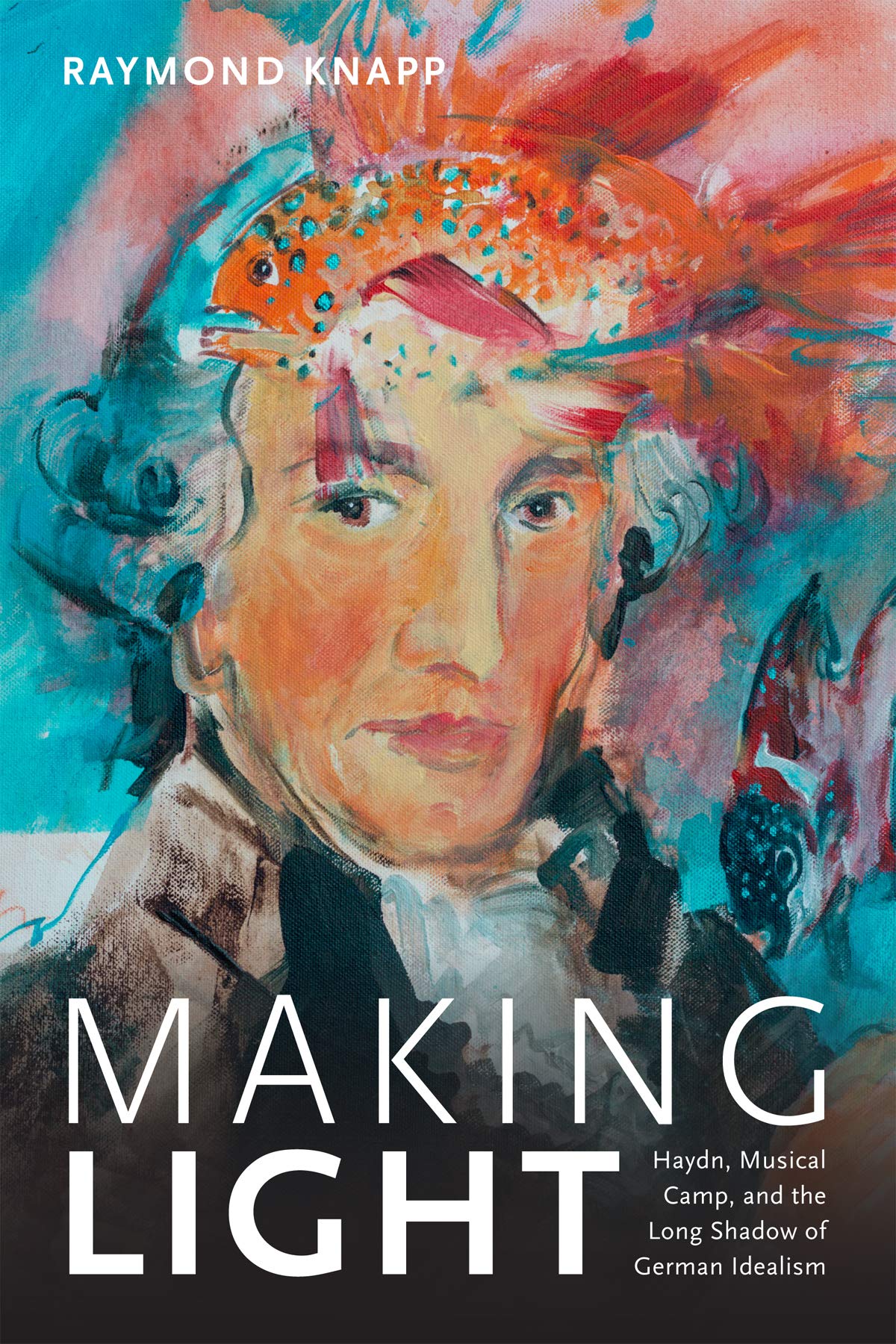
Making Light: Haydn, Musical Camp, and the Long Shadow of German Idealism
Music
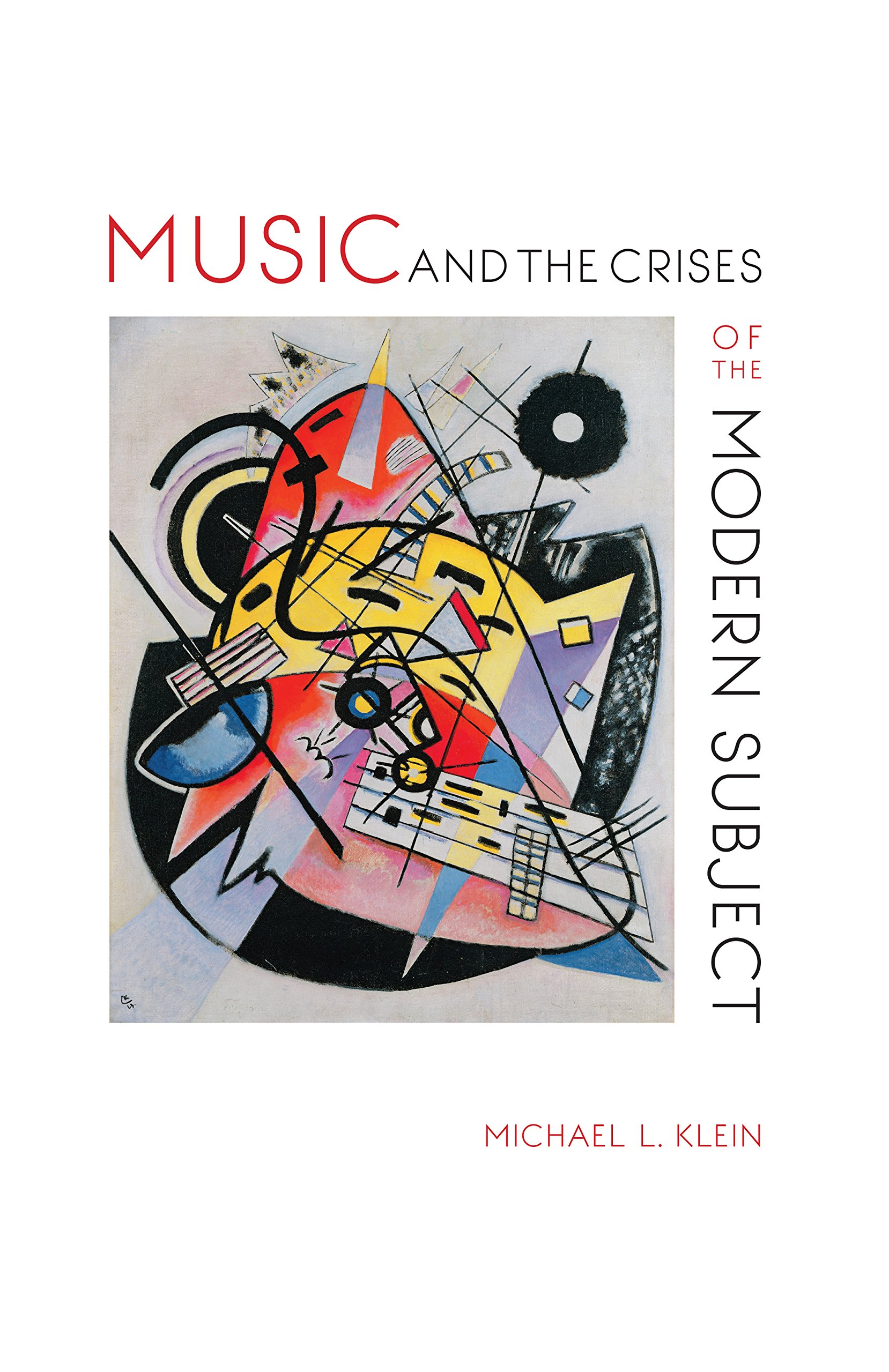
Music and the Crises of the Modern Subject by Michael L. Klein – Music Theory & Criticism

Music
Opera and Drama in Eighteenth-Century London: The King's Theatre, Garrick and the Business of Perfor
Music
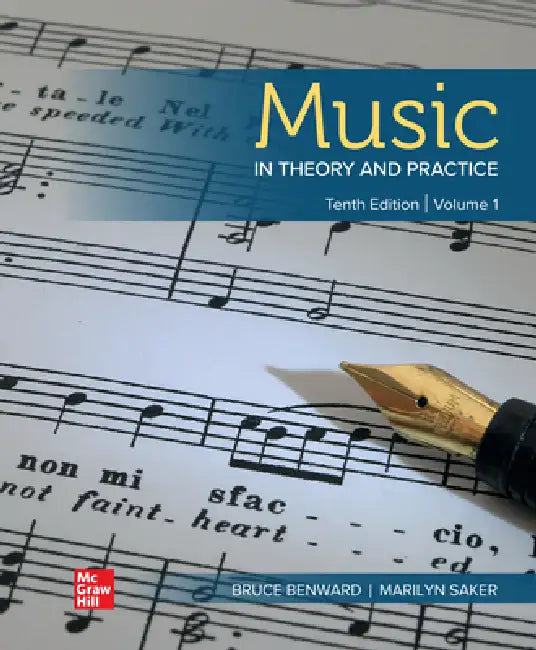
Music in Theory and Practice Volume 1 | by Bruce Benward | Marilyn Saker | McGraw-Hill Companies | by Bruce Benward | Marilyn Saker | McGraw-Hill Companies | by Bruce Benward | Marilyn Saker | McGraw-Hill Companies | by Bruce Benward | Marilyn Saker | McGraw-Hill Companies | by Bruce Benward | Marilyn Saker | McGraw-Hill Companies | by Bruce Benward | Marilyn Saker | McGraw-Hill Companies | by Bruce Benward | Marilyn Saker | McGraw-Hill Companies | by Bruce Benward | Marilyn Saker | McGraw-Hill
Music