
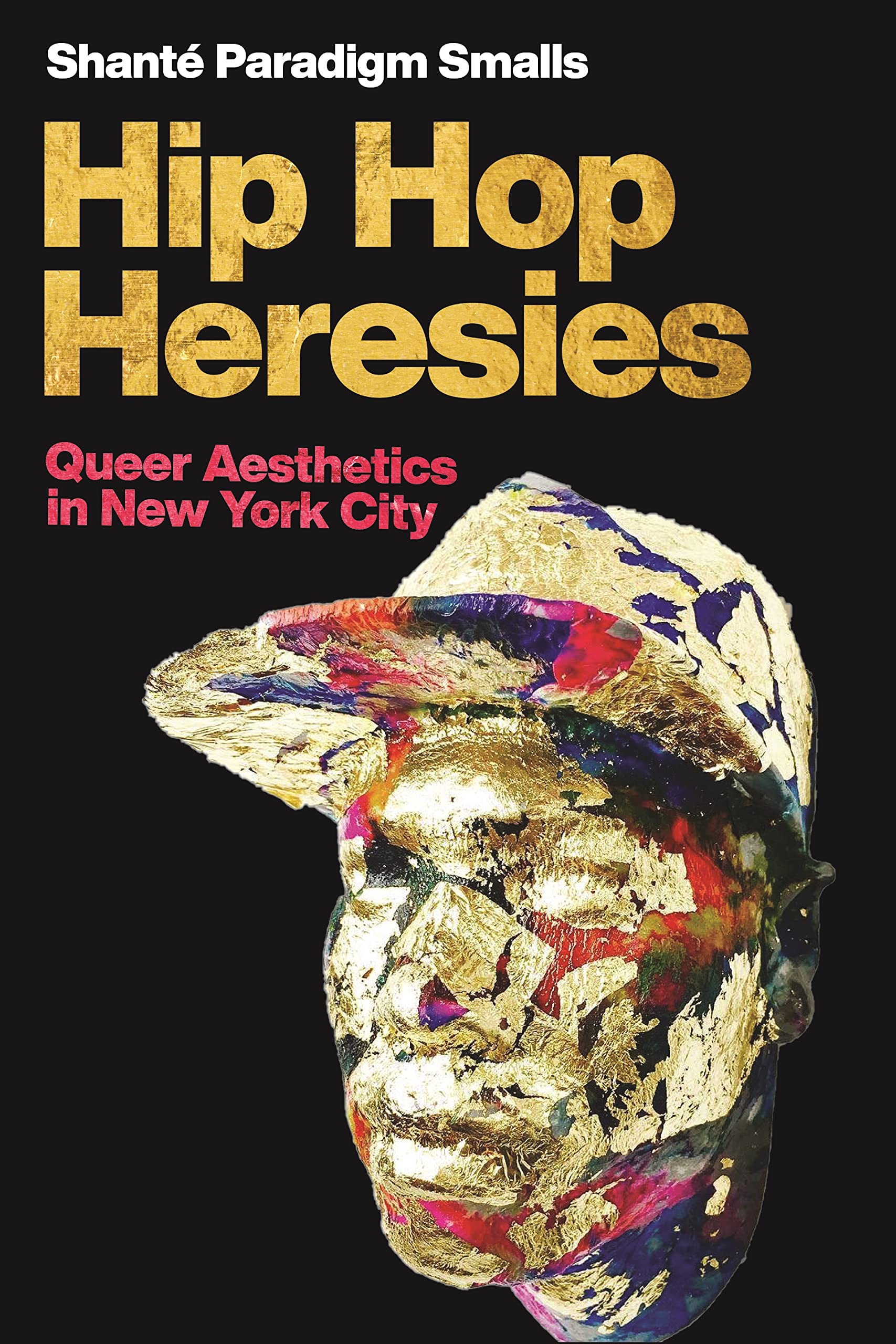
Hip Hop Heresies: Queer Aesthetics and Black Cultural Production in New York City Hip Hop by Shanté Paradigm Smalls
Inclusive of all applicable taxes. FREE shipping on all orders.
Available Offers
- 🚚Free Delivery — Free shipping on all orders
- 💵Cash on Delivery — Pay when your order arrives
- ↩️15-Day Easy Returns — Hassle-free return policy
- 🔒Cash on Delivery — Pay safely when your order arrives
Check Delivery
Product Description
Introduction
In the vast landscape of hip hop scholarship, few books dare to ask the questions that Hip Hop Heresies poses with such intellectual bravery and cultural precision. Written by Shanté Paradigm Smalls and published by the esteemed New York University Press, this hardcover volume reimagines the very foundations of hip hop by centering queer, Black, and brown experiences in New York City. For Indian readers and students who have grown up with global hip hop culture, this book offers a revelatory lens — one that challenges mainstream narratives and celebrates the underground, the marginal, and the transformative. Whether you are a music enthusiast, a cultural studies scholar, or a curious reader, Hip Hop Heresies is an essential addition to your library.
Book Overview
Hip Hop Heresies is not just another history of hip hop. It is a bold, interdisciplinary exploration of how queer aesthetics, Black creativity, and urban spaces converged in New York City from the 1970s through the early twenty-first century. The book argues that hip hop’s most radical innovations emerged from the margins — from queer artists, graffiti writers, and underground performers who used the city’s dance clubs, schoolyards, roller rinks, basketball courts, subways, and movie houses as laboratories for artistic rebellion. Smalls masterfully weaves together film, visual art, and music to reveal a hidden genealogy of hip hop that is deeply queer, racially complex, and gender-fluid. This is a work that refuses to separate the political from the personal, the aesthetic from the activist.
Key Highlights
- Original Research: Smalls draws on archival materials, interviews, and close readings of cultural texts to build a fresh narrative of hip hop’s evolution.
- Queer Visibility: The book foregrounds LGBTQ+ artists and their contributions, from graffiti legend Martin Wong to the genre-defying rapper Jean Grae.
- New York City as Character: The city itself becomes a living, breathing entity — a site of collision and collaboration between communities often kept apart in mainstream histories.
- Interdisciplinary Approach: Blending musicology, visual culture studies, performance studies, and critical race theory, the book speaks to multiple academic and creative audiences.
- Timely and Urgent: In an era of global debates about identity, representation, and cultural appropriation, this book offers a nuanced, grounded perspective.
Inside the Book
Each chapter of Hip Hop Heresies is built around a specific cultural moment or figure that illuminates the book’s central thesis. Smalls begins with the life and work of Martin Wong, a gay Chinese American visual and graffiti artist who acted as a crucial bridge between New York’s graffiti scene and the elite art world of galleries and museums. Through Wong’s story, we see how queer desire and racial identity shaped the visual language of early hip hop. The book then turns to Jean Grae, the Brooklyn-based rapper, singer, writer, and producer whose prolific yet underappreciated career challenges notions of commercial success and artistic integrity. Grae’s work becomes a case study in how queer Black women navigate and transform hip hop’s masculine, heteronormative spaces. Other chapters explore the iconic film Wild Style, the role of the ballroom scene, and the sonic experiments of artists who blurred genre boundaries. Throughout, Smalls uses close analysis of lyrics, album art, film stills, and performance footage to make his arguments vivid and accessible.
Key Topics
- Queer theory and hip hop studies
- Race, gender, and sexuality in popular culture
- Graffiti art and visual culture in New York City
- The underground music scene and independent artists
- African American and Asian American cultural intersections
- Performance and identity in urban spaces
- Feminist and LGBTQ+ critiques of hip hop masculinity
- Archival methods in cultural history
Reader Benefits
This book empowers readers to see hip hop not as a monolithic genre but as a dynamic, contested field of cultural production. Indian readers, in particular, will find parallels between the struggles of marginalized communities in New York and similar dynamics in India’s own hip hop and pop culture scenes. The book provides tools for critical thinking about representation, authenticity, and artistic freedom. It also offers a rich vocabulary for discussing queer identities in non-Western contexts, making it valuable for students of gender studies, media studies, and sociology. By the end, you will never listen to a hip hop track or view a graffiti mural the same way again.
Learning Outcomes
- Understand the historical role of queer artists in shaping hip hop’s visual and musical aesthetics.
- Analyze the intersections of race, class, gender, and sexuality in urban cultural movements.
- Critique mainstream narratives of hip hop that erase queer and female contributions.
- Apply interdisciplinary methods from cultural studies to contemporary music and art.
- Develop a deeper appreciation for New York City’s diverse creative ecosystems.
Who Should Read
Hip Hop Heresies is ideal for students and scholars in cultural studies, musicology, American studies, queer theory, and urban studies. It is also a must-read for hip hop fans who want to go beyond the surface, for artists and musicians seeking inspiration from underground histories, for educators designing inclusive curricula, and for anyone interested in the politics of art and identity. The book is written in an engaging, accessible style that does not sacrifice intellectual rigour, making it suitable for advanced undergraduates, graduate students, and general readers alike.
About the Author
Shanté Paradigm Smalls is a scholar, writer, and cultural critic whose work sits at the intersection of Black studies, queer theory, and performance studies. Smalls has published widely on hip hop, visual culture, and the politics of race and sexuality. Their research is known for its creativity, depth, and commitment to centering voices that have been historically marginalized. Hip Hop Heresies is the culmination of years of archival work and community engagement, reflecting Smalls’s belief that scholarship can be both rigorous and transformative.
About the Publisher
New York University Press is a leading academic publisher based in New York City, known for its groundbreaking titles in the humanities and social sciences. With a strong focus on cultural studies, critical theory, and urban history, NYU Press has been at the forefront of publishing work that challenges conventional wisdom and amplifies underrepresented perspectives. This hardcover edition of Hip Hop Heresies is a testament to the press’s commitment to scholarly excellence and cultural relevance.
Conclusion
Hip Hop Heresies is a daring, necessary book that rewrites the story of hip hop from the ground up. By centering queer, Black, and Asian American artists in New York City, Shanté Paradigm Smalls offers a vision of hip hop that is more inclusive, more complex, and more exciting than the one we thought we knew. For Indian readers, this book opens a window into global conversations about identity, art, and resistance — conversations that resonate deeply in our own diverse cultural landscape. Add this hardcover to your collection and discover the heretical, beautiful truths that hip hop has always held.
Quick Summary
Hip Hop Heresies by Shanté Paradigm Smalls is a groundbreaking academic work that uncovers the queer aesthetic origins of New York City hip hop from the 1970s to the early 21st century. The book centers New York City as a vibrant space where queer, Black, and hip hop worlds collide in dance clubs, schools, roller rinks, basketball courts, subways, and movie houses. Smalls examines four key cultural moments, including the life and work of gay Chinese American graffiti artist Martin Wong, who brokered relationships between the hip hop and queer art scenes. The book analyzes hip hop film, visual art, and music to reveal how queer articulations of race, gender, and sexuality have always been integral to the genre. This book is ideal for students and scholars of hip hop studies, queer theory, cultural studies, and African American studies, as well as Indian readers interested in global queer perspectives. By reading this book, you will gain a deeper understanding of hip hop's diverse roots and experimental collaborations. Buy your copy from Bookshops.in, India's premium online bookstore, to enjoy fast delivery and authentic editions.
Book Highlights
Book Specifications
| ISBN-13 | 9781479808205 |
| ISBN-10 | 1479808202 |
| Publisher | New York Univ Pr |
| Language | English |
| Dimensions | 15.24 x 1.37 x 22.86 cm |
| Weight | 348 g |
| Country | USA |
| Category | Performing Arts › Music |
| Genre | Cultural Studies |
| Original Language | English |
Frequently Asked Questions
What is Hip Hop Heresies about?
Who is the author of Hip Hop Heresies?
What makes this book unique?
Is this book suitable for Indian readers?
What topics does the book cover?
Who is Martin Wong in the book?
What is the ISBN?
Is this a hardcover book?
What is the price in India?
What is the reader rating?
What is the publisher?
What language is the book in?
How can I buy this book?
Readers Also Search For
Customers Also Bought

Robin Grille Press
Parenting for a Peaceful World by Robin Grille – Child Psychology & Peaceful Parenting

McFarland & Company
Welcome to Arkham Asylum | by Sharon Packer | Daniel R. Fredrick | McFarland & Company | by Sharon Packer | Daniel R. Fredrick | McFarland & Company | by Sharon Packer | Daniel R. Fredrick | McFarland & Company | by Sharon Packer | Daniel R. Fredrick | McFarland & Company | by Sharon Packer | Daniel R. Fredrick | McFarland & Company | by Sharon Packer | Daniel R. Fredrick | McFarland & Company | by Sharon Packer | Daniel R. Fredrick | McFarland & Company | by Sharon P
McFarland & Company
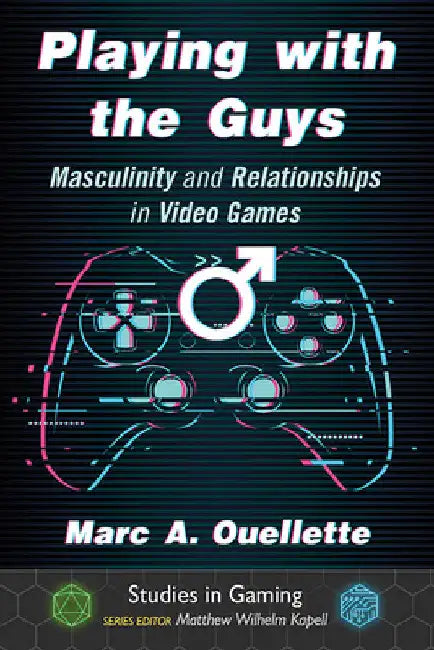
Playing with the Guys | by Marc A. Ouellette | Matthew Wilhelm Kapell | McFarland & Company | by Marc A. Ouellette | Matthew Wilhelm Kapell | McFarland & Company | by Marc A. Ouellette | Matthew Wilhelm Kapell | McFarland & Company | by Marc A. Ouellette | Matthew Wilhelm Kapell | McFarland & Company | by Marc A. Ouellette | Matthew Wilhelm Kapell | McFarland & Company | by Marc A. Ouellette | Matthew Wilhelm Kapell | McFarland & Company | by Marc A. Ouellette | Matthew W
Andrews McMeel Publishing
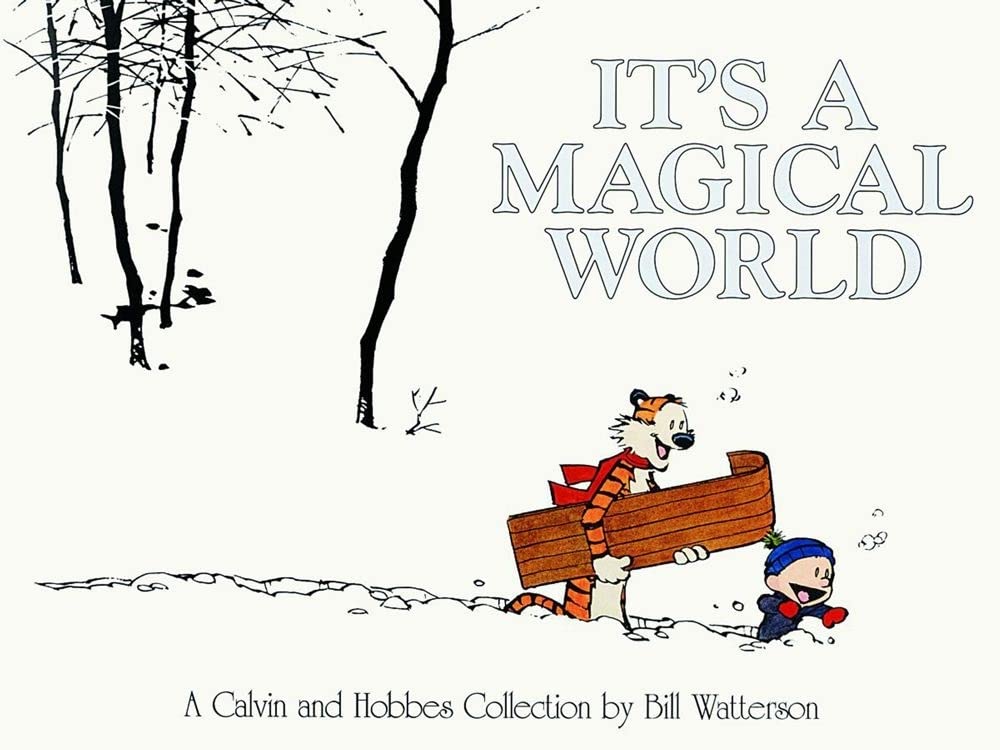
Calvin and Hobbes: It's a Magical World by Bill Watterson
Bettie Young's Books
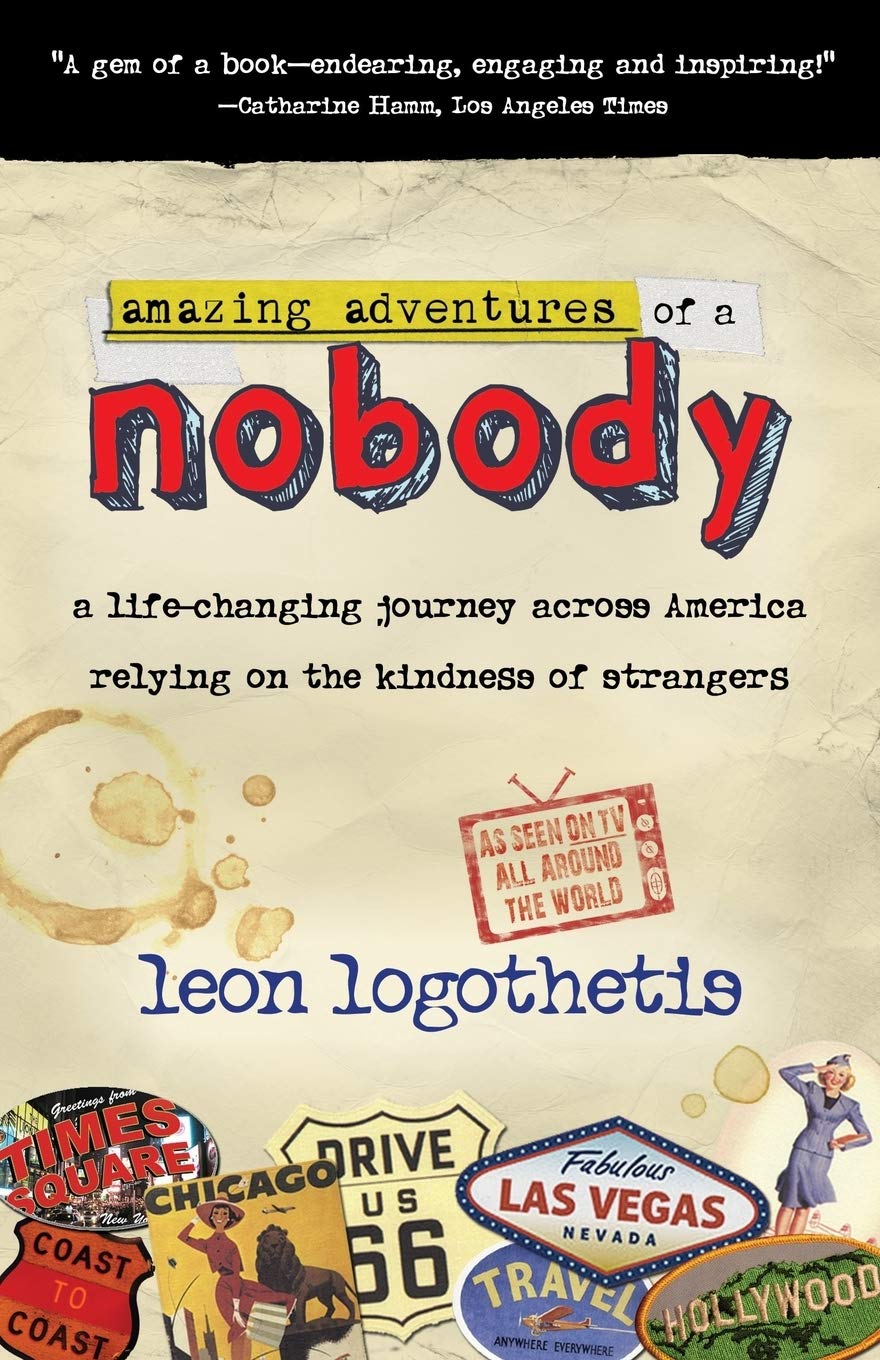
Amazing Adventures Of A Nobody by Leon Logothetis – Travel Memoir
Springer
Contemporary Methods for Speech Parameterization (Springerbriefs in Electrical and Computer Engineering / Springerbriefs in Speech Technology)
Related Products
View All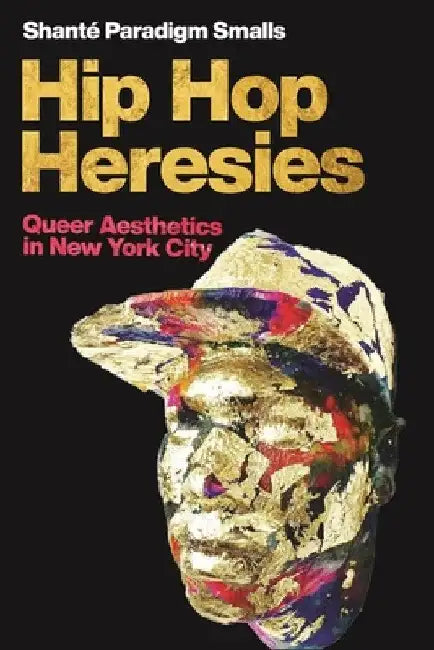
New York University Press
Hip Hop Heresies | by Shanté Paradigm Smalls | New York University Press | by Shanté Paradigm Smalls | New York University Press | by Shanté Paradigm Smalls | New York University Press | by Shanté Paradigm Smalls | New York University Press | by Shanté Paradigm Smalls | New York University Press | by Shanté Paradigm Smalls | New York University Press | by Shanté Paradigm Smalls | New York University Press | by Shanté Paradigm Smalls | New York University Press | by Shanté Paradigm Smalls | New Y

New York University Press
Families We Keep: LGBTQ People and Their Enduring Bonds With Parents by Rin Reczek
New York University Press
Mobile Selves: Race, Migration, and Belonging in Peru and the U.S. by Ulla D. Berg
New York University Press
Are You Calling Me a Racist?: Why We Need to Stop Talking about Race and Start Making Real Antiracist Change
New York University Press
To Live Freely in This World: Sex Worker Activism in Africa
New York University Press