
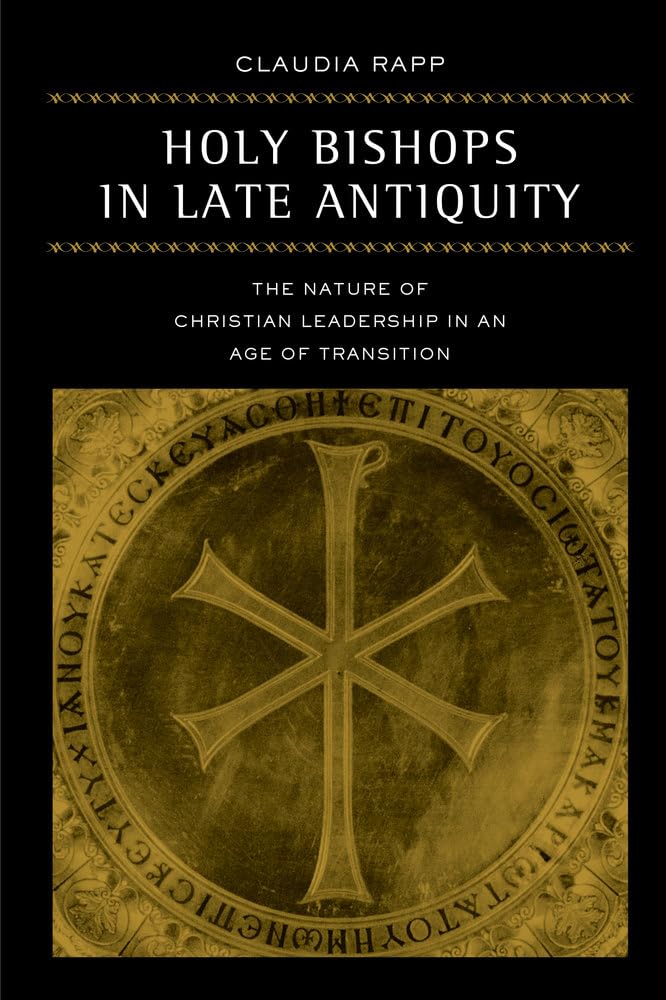
Holy Bishops In Late Antiquity: The Nature Of Christian Leadership In An Age Of Transition by Claudia Rapp – A Scholarly
Inclusive of all applicable taxes. FREE shipping on all orders.
Available Offers
- 🚚Free Delivery — Free shipping on all orders
- 💵Cash on Delivery — Pay when your order arrives
- ↩️15-Day Easy Returns — Hassle-free return policy
- 🔒Cash on Delivery — Pay safely when your order arrives
Check Delivery
Product Description
Introduction
In the vast tapestry of late antique history, few transformations are as profound as the evolution of Christian leadership from a persecuted faith to the spiritual and civic backbone of the Roman Empire. Claudia Rapp's Holy Bishops In Late Antiquity: The Nature Of Christian Leadership In An Age Of Transition offers a masterful exploration of this pivotal era. For Indian readers—whether scholars of ancient history, theology students, or curious minds—this hardcover volume from University of California Press provides an original lens to understand how bishops became the bridge between heaven and earth, faith and governance.
Book Overview
Spanning the critical centuries between 300 and 600 CE, this book reexamines the rise of the bishop as the highest Church official in the city. Rapp challenges conventional narratives that place Emperor Constantine as the sole catalyst for institutional change. Instead, she reveals how bishops cultivated a unique blend of spiritual authority, ascetic discipline, and pragmatic leadership. This is not just a history of ecclesiastical politics—it is a deep dive into the soul of a society in flux, where religious ideals shaped public life and vice versa.
Key Highlights
- Original Framework: Rejects Max Weber's binary of 'charismatic' vs. 'institutional' authority, proposing instead a tripartite model of spiritual, ascetic, and pragmatic authority.
- Nuanced Chronology: De-emphasizes Constantine's reign as the watershed, highlighting continuity and gradual change in episcopal roles.
- Civic and Religious Synthesis: Shows how bishops acted as model citizens and spiritual shepherds, merging public duty with private piety.
- Rich Source Analysis: Draws on hagiographies, letters, church councils, and archaeological evidence to build a layered argument.
Inside the Book
Rapp's scholarship is both rigorous and accessible. The book is organized to guide readers through the complexities of late antique society. Each chapter unpacks a facet of episcopal authority: the bishop as judge, patron, ascetic exemplar, and mediator between the divine and the mundane. The prose is elegant yet precise, making it suitable for advanced undergraduates, graduate students, and specialists. Footnotes and bibliography are extensive, offering a gateway for further research.
Key Topics
- The evolution of episcopal authority from the third to the seventh century
- The interplay between asceticism and institutional leadership
- Bishops as civic patrons and urban benefactors
- Gender, wealth, and social status in the early Church
- Comparative models of religious authority in late antiquity
- The role of holy men and women in shaping episcopal identity
Reader Benefits
Indian readers, especially those in history, religious studies, and philosophy departments, will find this book invaluable. It offers a non-Eurocentric framework that resonates with the subcontinent's own traditions of spiritual leadership and community organization. The book encourages critical thinking about how authority is constructed and legitimized—a theme as relevant today as in antiquity. By owning this hardcover, you gain a lasting reference for seminars, thesis work, or personal enrichment.
Learning Outcomes
- Understand the transition of Christianity from a persecuted sect to a state religion
- Analyze the multiple dimensions of episcopal leadership beyond Weberian categories
- Evaluate the role of ascetic practice in shaping public authority
- Trace the integration of religious and civic duties in late Roman cities
- Develop a nuanced appreciation for the complexity of early Christian history
Who Should Read
This book is ideal for postgraduate students and faculty in ancient history, early Christianity, patristics, and classical studies. It is also highly recommended for seminarians, clergy interested in church history, and lay readers passionate about the roots of Christian institutional life. Anyone seeking to understand how spiritual figures wielded power in a world of transition will find this work enlightening.
About the Author
Claudia Rapp is a distinguished historian of late antiquity and a professor at the University of Vienna. Her research focuses on the social and religious history of the Byzantine and early medieval worlds. With numerous publications on bishops, holy men, and monasticism, Rapp is recognized globally for her innovative approaches to religious authority. Holy Bishops In Late Antiquity stands as her magnum opus, winning accolades for its depth and originality.
About the Publisher
University of California Press is a leading academic publisher known for its rigorous scholarship in the humanities and social sciences. With a legacy spanning over a century, UC Press publishes works that shape intellectual discourse. This hardcover edition reflects their commitment to quality—durable binding, clear typeface, and archival-grade paper, ensuring that this classic remains in your library for decades.
Conclusion
Claudia Rapp's Holy Bishops In Late Antiquity is more than a history book—it is a new way of seeing the past. By redefining how we understand spiritual and civic authority, it opens doors to fresh conversations about leadership, faith, and society. For the discerning Indian reader, this volume is a treasure of insight and erudition. Order your copy from Bookshops.in today and add a cornerstone work to your collection.
Quick Summary
Holy Bishops In Late Antiquity by Claudia Rapp is a transformative scholarly work that reexamines the evolution of Christian bishops from the third to the seventh century. Moving beyond the conventional focus on Emperor Constantine, Rapp argues that the bishop's authority was rooted in religious ideals even as he assumed civic responsibilities. The book systematically dismantles Max Weber's binary of charismatic versus institutional leadership, showing how bishops embodied both spiritual and communal roles. Readers will learn how bishops mediated between the church and the Roman state, managed urban welfare, and maintained doctrinal unity. This book is ideal for students and scholars of late antiquity, church history, and religious studies who seek a deeper understanding of how Christianity shaped—and was shaped by—the late Roman world. By ordering from Bookshops.in, you receive a premium hardcover edition with fast delivery across India, ensuring you have a durable reference for years of study.
Book Highlights
Book Specifications
| ISBN-13 | 9780520242968 |
| ISBN-10 | 0520242963 |
| Publisher | Univ of California Pr |
| Language | English |
| Dimensions | 15.84 x 2.79 x 23.46 cm |
| Weight | 658 g |
| Category | Political Science › Political History |
| Genre | Non-fiction |
| Original Language | English |
Frequently Asked Questions
What is the main argument of Holy Bishops In Late Antiquity?
Who is Claudia Rapp?
How does this book challenge traditional views?
What time period does the book cover?
Is this book suitable for undergraduate students?
What sources does Rapp use?
Does the book focus only on the Western church?
How does the book define 'civic leader'?
What is the significance of the title 'Holy Bishops'?
Is this book a revision of earlier works?
Does the book discuss women or gender?
What makes this book unique?
Can I use this book for my PhD research?
Readers Also Search For
Related Products
View All
History
The Information Revolution: Transforming the World Through Technology (World History)

History
Human Nature and the French Revolution: From the Enlightenment to the Napoleonic Code: 3 (Polygons: Cultural Diversities and Intersections, 3)
History
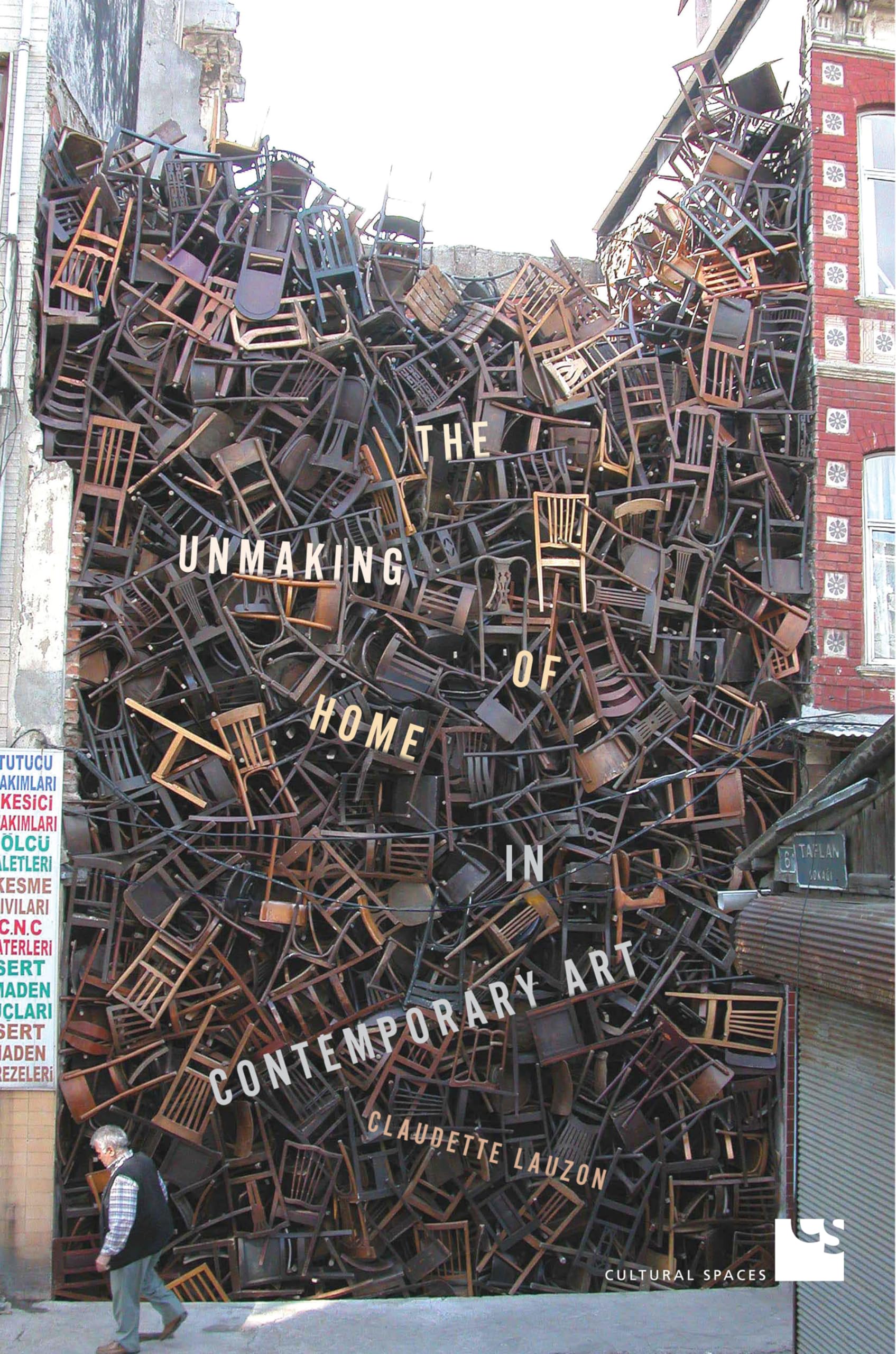
The Unmaking of Home in Contemporary Art (Cultural Spaces)

History
Handbook to Life in Medieval and Early Modern Japan | by William E. Deal | Oxford University Press | by William E. Deal | Oxford University Press | by William E. Deal | Oxford University Press | by William E. Deal | Oxford University Press | by William E. Deal | Oxford University Press | by William E. Deal | Oxford University Press | by William E. Deal | Oxford University Press | by William E. Deal | Oxford University Press | by William E. Deal | Oxford University Press | by William E. Deal | Ox

History
The Narrators of Barbarian History (A.D. 550-800) | by Walter Goffart | University of Notre Dame Press | by Walter Goffart | University of Notre Dame Press | by Walter Goffart | University of Notre Dame Press | by Walter Goffart | University of Notre Dame Press | by Walter Goffart | University of Notre Dame Press | by Walter Goffart | University of Notre Dame Press | by Walter Goffart | University of Notre Dame Press | by Walter Goffart | University of Notre Dame Press | by Walter Goffart | Univ

History